Solar Energy for Commercial Buildings: Save Big on Bills
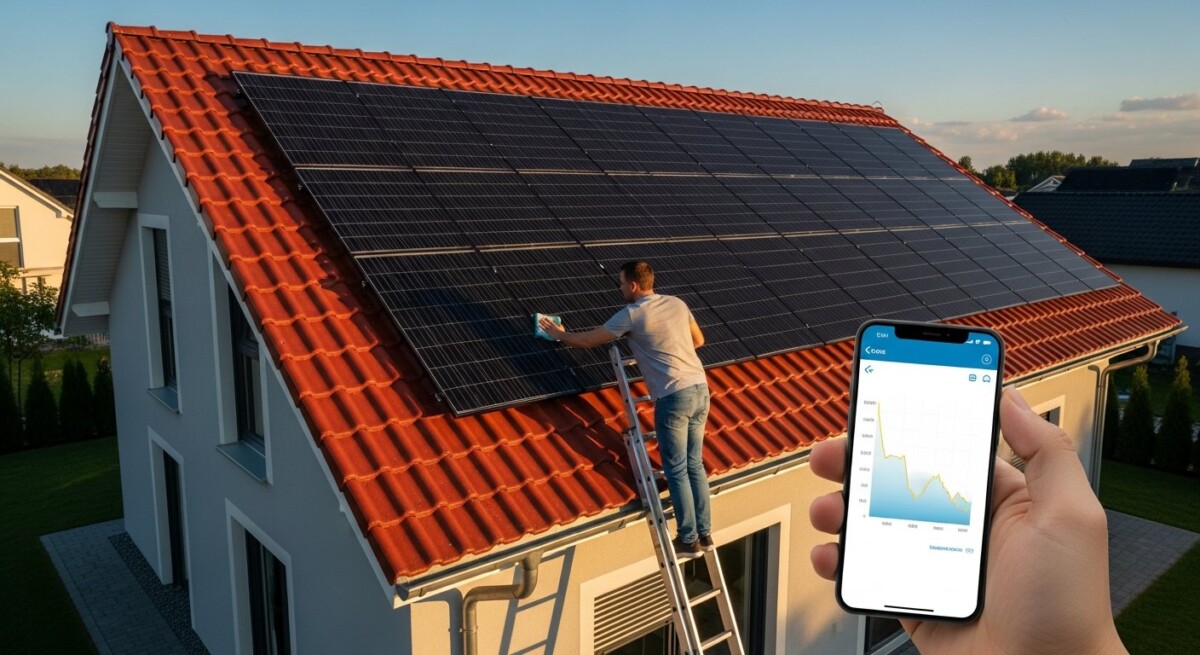
Imagine opening your monthly electricity bill and seeing a number that makes you wince. For many homeowners, rising energy costs have turned that scenario into a stressful reality. You might have started searching for “solar energy for commercial buildings” out of curiosity, wondering if the same technology that powers large warehouses could work on your own roof. The good news is that residential solar systems operate on the same principles and can dramatically reduce your reliance on the power grid. By generating your own clean electricity, you can lock in lower energy costs for decades and gain real energy independence.
Understanding Solar Energy for Commercial Buildings
Solar energy for commercial buildings refers to photovoltaic (PV) systems designed to offset the high electricity consumption of large facilities like offices, factories, and retail centers. These systems convert sunlight directly into electricity using solar panels made of semiconductor materials, typically silicon. When sunlight hits the panels, it knocks electrons loose, creating a direct current that an inverter converts into the alternating current your home or business uses.
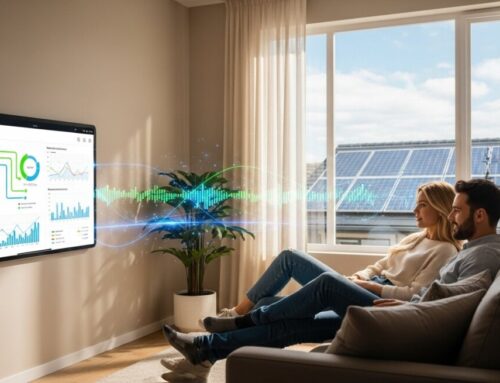
More homeowners are considering this technology because it has become more affordable and efficient than ever. A typical residential system works exactly the same way as a commercial installation, just on a smaller scale. Panels are mounted on your roof or on ground racks, connected to your home’s electrical panel, and monitored through an app that shows real-time energy production. The key difference is that commercial systems often require more complex engineering, while residential setups are simpler and easier to install.
How Solar Panels Generate Usable Electricity
Solar panels are made up of many individual solar cells. Each cell generates a small amount of electricity, but when combined into a panel and then into an array, they produce significant power. A grid-tied system connects to your local utility, allowing you to pull power at night and send excess power back during the day. This process is called net metering, and it is one of the main reasons solar pays for itself over time.
Why Solar Energy Is Becoming More Popular
Electricity rates have risen steadily over the past decade, and most experts expect that trend to continue. Homeowners are tired of unpredictable bills and are looking for ways to take control. Solar power offers a fixed, predictable energy cost,essentially, you pay for the system once and then enjoy free electricity for 25 years or more.
Environmental concerns also play a big role. Generating your own solar energy reduces your carbon footprint by avoiding the fossil fuels that power most grid electricity. Many families feel good about doing their part for the planet while also saving money. Long-term savings are compelling: a well-designed system can pay for itself in 6 to 10 years and then deliver thousands of dollars in net savings over its lifetime.
If you are considering solar power for your home, comparing installation quotes can help you understand your options. Request a free solar quote or call to learn more.
Common Questions Homeowners Have About Solar
Many homeowners worry about the upfront cost of solar panels. While the initial investment can seem high, federal and state incentives significantly reduce the price, and financing options make it accessible for most budgets. Another common concern is roof suitability,not every roof is ideal, but professional installers can assess your specific situation and recommend the best approach.
System performance is another frequent question. People wonder if solar works on cloudy days or in winter. The answer is yes: panels still generate electricity from diffuse sunlight, though at a reduced rate. Modern systems are highly reliable and come with performance guarantees. Here are some of the most common questions homeowners ask:
- How much does a solar system cost for an average home?
- Will solar panels work on my roof if it is old or shaded?
- What happens to my system during a power outage?
- How long do solar panels last?
- Do I need batteries for my solar system?
- What maintenance do solar panels require?
How Solar Panel Installation Works
The installation process is straightforward when handled by experienced professionals. It begins with a home energy assessment where an installer reviews your electricity bills, measures your roof, and checks for shading. This data helps them design a system that matches your energy needs and maximizes sunlight exposure.
Once the design is complete, the installer handles permits and approvals with your local utility and city government. This step ensures the system meets all safety and grid-connection requirements. Actual panel installation usually takes one to three days, depending on system size and roof complexity. After installation, the system is inspected and activated, and you start generating power immediately. Here are the main steps in order:
- Home energy assessment and bill analysis
- Custom system design and equipment selection
- Permit applications and utility approval
- Professional panel installation on your roof or ground mount
- Final inspection and system activation
Speaking with experienced installers can help you determine the best solar solution for your home. Compare solar quotes here or call to explore available options.
Signs Your Home May Be Ideal for Solar
Not every home is a perfect candidate, but many are. The best indicator is strong, direct sunlight on your roof for most of the day. If your roof faces south or southwest with minimal shading from trees or nearby buildings, you have excellent solar potential. High electricity bills are another clear sign,if you pay more than $100 per month, solar can likely save you money.
Your roof condition also matters. Solar panels last 25 to 30 years, so your roof should be in good shape or recently replaced. Finally, if you plan to stay in your home for at least five to seven years, you will fully benefit from the financial returns. Here are some signs your home may be ideal for solar:
- Unshaded roof that receives direct sunlight from 9 a.m. to 3 p.m.
- Monthly electricity bills consistently over $100
- Roof in good condition with at least 15 years of life remaining
- South- or west-facing roof with adequate space (about 300,500 square feet)
- Plans to stay in your home for at least five years
- State or local incentives that improve payback period
What Affects Solar Installation Costs
Solar installation costs vary based on several factors. The size of the system,measured in kilowatts,directly affects the price because larger systems require more panels and inverters. Equipment quality also matters: premium panels and microinverters cost more but often deliver better performance and longer warranties.
Installation complexity can increase costs if your roof has multiple angles, skylights, or complex wiring needs. Local incentives and rebates can dramatically lower your net cost. The federal Investment Tax Credit (ITC) currently offers a 30% tax credit on the total system cost, and many states add additional rebates. Your final price will depend on your specific home and the installer you choose.
The cost of solar installation varies depending on your home and energy needs. Request personalized solar quotes or call to see what options are available.
Tips for Choosing a Reliable Solar Installer
Choosing the right installer is just as important as choosing the right equipment. A reputable company will conduct a thorough site visit, explain all options clearly, and provide a transparent quote with no hidden fees. Look for installers who have been in business for several years and have positive reviews from real customers.
Warranties are another critical factor. The best installers offer a workmanship warranty of at least 10 years and use panels and inverters with 25-year performance warranties. Comparing multiple quotes allows you to see differences in pricing, equipment quality, and customer service. Taking the time to research now will prevent costly mistakes later. Here are some practical tips:
- Ask for at least three quotes from different installers
- Verify the installer’s license, insurance, and certifications
- Read online reviews on platforms like Google and the Better Business Bureau
- Review warranty terms carefully, including coverage for labor and equipment
- Ask about monitoring tools and system performance guarantees
- Check if the installer handles permits and utility paperwork
Long-Term Benefits of Installing Solar Panels
The most obvious benefit is lower electricity bills. Once your system is paid off, your monthly energy cost drops to near zero, saving you thousands of dollars over the system’s lifetime. Solar panels also increase your home’s resale value. Studies show that homes with solar sell faster and at higher prices than comparable homes without it.
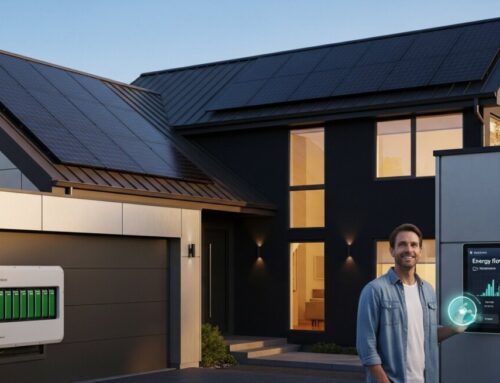
Beyond finances, solar reduces your environmental impact by displacing fossil fuel electricity. Every kilowatt-hour you generate from the sun is one less kilowatt-hour burned from coal or natural gas. You also gain energy independence,you are less affected by utility rate hikes and grid outages, especially if you add battery storage. These benefits make solar one of the smartest long-term investments a homeowner can make.
How Much Can You Save Over 25 Years?
A typical 7-kilowatt residential system can save a homeowner $20,000 to $40,000 in electricity costs over 25 years, depending on local rates and sunlight. These savings increase if you live in an area with high electricity costs or generous net metering policies. In our guide on AI tools for solar energy savings, we explain how to calculate your specific savings using free online calculators.
Frequently Asked Questions
How much does solar energy for commercial buildings cost for a home?
Residential solar systems typically cost between $15,000 and $25,000 before incentives. After the 30% federal tax credit, the net cost drops to $10,500 to $17,500. Prices vary based on system size, equipment, and location.
Can I run my entire home on solar power?
Yes, a properly sized system can cover 100% of your electricity usage. Your installer will design the system based on your annual consumption to ensure you generate enough power to offset your bills.
Do solar panels work during a power outage?
Standard grid-tied systems shut off during an outage for safety reasons. If you want backup power, you need a solar battery system like the Tesla Powerwall or similar product that can island your home from the grid.
How long do solar panels last?
Most solar panels come with a 25-year performance warranty, meaning they will still produce at least 80,85% of their original output after 25 years. Many panels continue generating electricity for 30 years or more.
What maintenance do solar panels need?
Solar panels require very little maintenance. Rain usually washes away dust and dirt. You may need to have them cleaned once a year if you live in a dusty area, and you should check the monitoring app periodically to ensure everything is working.
Is my roof suitable for solar panels?
Most roofs with good sun exposure, adequate space, and 15+ years of remaining life are suitable. A professional installer will inspect your roof structure, orientation, and shading to determine the best design for your home.
How long does it take to install solar panels?
The physical installation usually takes one to three days. The entire process from initial consultation to system activation typically takes four to eight weeks, depending on permit processing times and utility approval.
Are there government incentives for solar?
Yes, the federal government offers a 30% Investment Tax Credit through 2032. Many states, cities, and utilities offer additional rebates, tax credits, or performance-based incentives. Your installer can help you identify all available incentives.
Solar energy is a powerful way to take control of your electricity costs, reduce your environmental footprint, and increase your home’s value. By understanding how solar energy for commercial buildings translates to residential use, you can make an informed decision that pays off for decades. The best first step is to compare quotes from multiple installers to find the right system for your home and budget.