Top Solar AI Software Tools to Boost Home Energy Savings
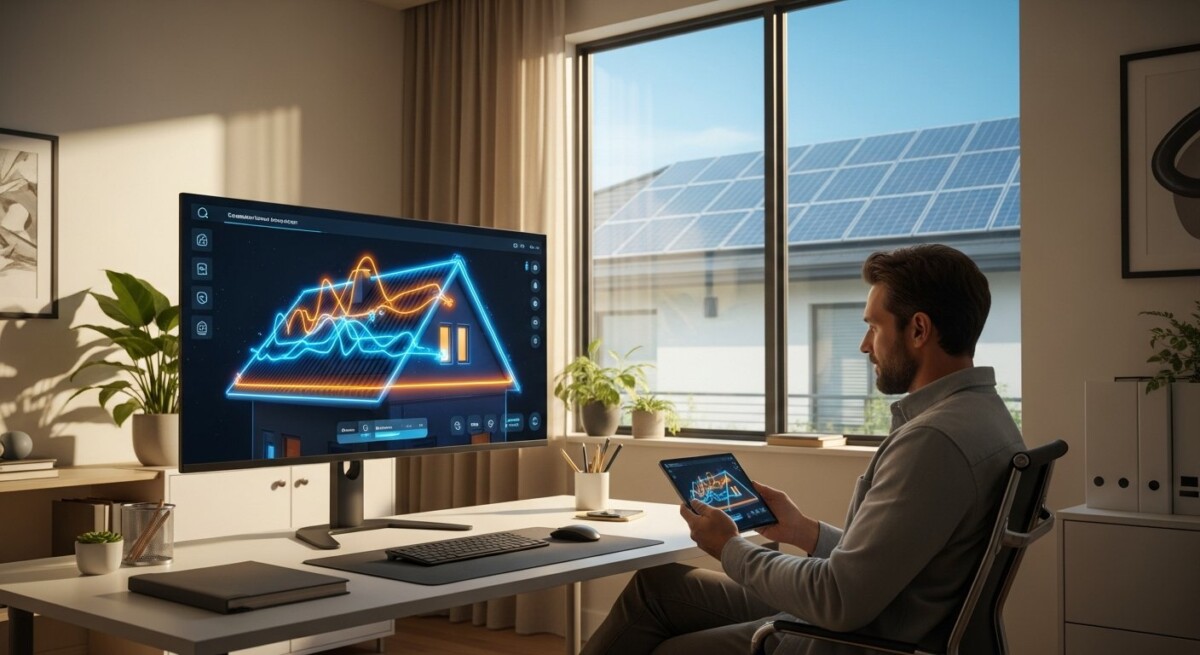
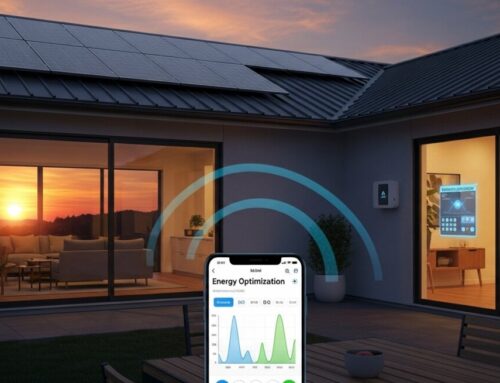
You open your monthly electricity bill and notice the amount has crept up again. It is a familiar frustration for many homeowners, especially during hot summers or cold winters. This rising cost often triggers a search for solutions, and more people are now looking into top solar AI software tools to understand how solar energy can reduce their bills and provide energy independence. These smart tools help homeowners design efficient systems and compare options without guesswork.
Understanding Top Solar AI Software Tools
Solar AI software tools are intelligent programs that use artificial intelligence to analyze your home’s energy usage, roof structure, and local weather patterns. They then recommend the best solar panel setup for your specific needs. Instead of relying on rough estimates, these tools process real data to predict how much electricity your system will generate and how much you can save over time.
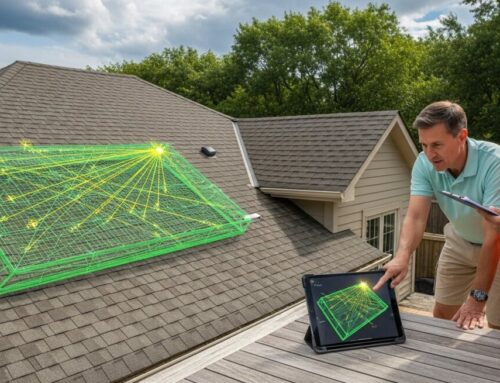
These platforms work by combining satellite imagery, historical energy data, and machine learning algorithms. For example, an AI tool can examine your roof’s angle, shading from nearby trees, and sunlight hours throughout the year. It then creates a customized solar plan that maximizes efficiency and savings. More homeowners are turning to these tools because they remove much of the confusion from solar planning and provide trustworthy, data-backed recommendations.
Why AI Makes Solar Planning Smarter
The key advantage of AI in solar software is its ability to learn and improve predictions. Traditional methods often overestimate or underestimate energy production, leading to systems that are too large or too small. AI tools, however, continuously refine their calculations based on thousands of similar homes, giving you a more accurate picture of what to expect.
Why Solar Energy Is Becoming More Popular
Electricity prices across the United States have risen steadily over the past decade, and many homeowners expect this trend to continue. Installing solar panels allows you to lock in lower energy costs and protect yourself from future rate hikes. Beyond financial reasons, people are also motivated by environmental concerns,solar power reduces reliance on fossil fuels and lowers your home’s carbon footprint.
Long-term savings are another major driver. While the upfront cost of solar installation can seem high, most homeowners recover their investment within 6 to 10 years through reduced electricity bills. After that, the electricity your panels generate is essentially free, providing decades of savings. With federal tax credits and local incentives, the financial case for solar has never been stronger.
If you are considering solar power for your home, comparing installation quotes can help you understand your options. Request a free solar quote or call (877) 255-0217 to learn more.
Common Questions Homeowners Have About Solar
When researching solar, most homeowners start with practical concerns. The most frequent question is about installation cost: “How much will a full system cost for my home?” The answer depends on system size, equipment quality, and your location. Another common worry is roof suitability,older roofs or those with heavy shading may need repairs or tree trimming before installation.
Performance is also a top concern. Many people ask, “Will my panels still work on cloudy days or during winter?” The answer is yes, though output is lower without direct sunlight. Modern panels are efficient enough to generate meaningful power even in overcast conditions. Below are other frequent questions homeowners ask:
- How long do solar panels last? (Typically 25,30 years with gradual efficiency loss.)
- Do I need a battery for my system? (Not required, but batteries store excess energy for nighttime use.)
- Will solar increase my home’s property taxes? (Many states exempt solar from property tax assessments.)
- What happens if I move? (Solar panels can increase home resale value, and some systems are transferable.)
- How much maintenance is needed? (Minimal,mostly occasional cleaning and annual inspections.)
- Can I go completely off-grid? (Possible, but usually requires a large battery bank and backup generator.)
How Solar Panel Installation Works
The installation process is more straightforward than many homeowners expect. It begins with a home energy assessment, where an installer reviews your electricity usage and examines your roof’s condition and orientation. This step helps determine the optimal system size for your needs.
After the assessment, the installer designs a custom system and handles all necessary permits and approvals from your local utility and municipality. The physical installation of panels usually takes one to three days, depending on system size and roof complexity. Once installed, the system is inspected and connected to the grid, and you start generating power immediately.
- Home energy assessment , Review past bills and inspect roof.
- System design , AI tools help create the most efficient layout.
- Permits and approvals , Installer manages paperwork with local authorities.
- Panel installation , Mounting racks, panels, and inverter are installed.
- System activation , Final inspection and connection to the grid.
Speaking with experienced installers can help you determine the best solar solution for your home. Compare solar quotes here or call (877) 255-0217 to explore available options.
Signs Your Home May Be Ideal for Solar
Not every home is perfectly suited for solar panels, but many are. The most important factor is sunlight exposure,homes with south-facing roofs that receive direct sun for most of the day generate the most energy. If your roof is shaded by tall trees or neighboring buildings, you may still benefit, but efficiency will be lower.
High electricity bills are another strong indicator. If you pay more than $100 per month on average, solar can likely save you significant money. Also, if you plan to stay in your home for at least five to seven years, you will have time to recoup your investment and enjoy years of free electricity.
- Strong sunlight exposure , Roof receives at least 4,5 hours of direct sun daily.
- High electricity bills , Monthly bills above $100 make solar financially attractive.
- Suitable roof space , At least 300,500 square feet of unshaded area.
- Long-term home ownership plans , Staying 5+ years maximizes savings.
- Good roof condition , Roof should have 10+ years of life remaining.
- Local incentives , Check for state rebates, net metering, or tax credits.
What Affects Solar Installation Costs
The cost of a solar system varies widely based on several key factors. System size is the biggest driver,larger homes with higher energy needs require more panels, which increases the total price. Equipment quality also matters; premium panels from top manufacturers cost more but often offer better efficiency and longer warranties.
Installation complexity can add to the cost. If your roof is steep, has multiple angles, or requires electrical panel upgrades, labor costs will be higher. Local incentives, such as the federal Investment Tax Credit (ITC), can reduce your net cost by 30% or more. Many states also offer additional rebates or performance-based incentives that lower upfront expenses.
The cost of solar installation varies depending on your home and energy needs. Request personalized solar quotes or call (877) 255-0217 to see what options are available.
Tips for Choosing a Reliable Solar Installer
Choosing the right installer is just as important as choosing the right equipment. A reliable installer will conduct a thorough site evaluation, use top solar AI software tools to design your system, and provide transparent pricing. They should also handle all permitting and paperwork, saving you time and stress.
Start by reviewing an installer’s experience and track record. Look for companies that have been in business for several years and have positive reviews on platforms like Google or the Better Business Bureau. Warranty coverage is another critical factor,reputable installers offer workmanship warranties of at least 10 years and equipment warranties of 25 years.
- Review installer experience , Ask how many installations they have completed.
- Check warranties , Ensure both equipment and workmanship are covered.
- Read customer reviews , Look for consistent positive feedback on quality and service.
- Compare multiple quotes , Getting 3,5 quotes helps you find fair pricing and the best value.
- Ask about financing , Understand loan options, leases, and power purchase agreements.
- Verify licenses and insurance , Confirm the installer is properly licensed and insured.
Long-Term Benefits of Installing Solar Panels
The most immediate benefit of solar panels is lower electricity bills. Many homeowners see a 50,90% reduction in monthly energy costs, depending on system size and local utility rates. Over 25 years, these savings can total tens of thousands of dollars, especially as electricity prices continue to rise. In our guide on AI solar analytics explained, we show how smart software helps maximize these savings.
Solar panels also increase your home’s resale value. Studies show that homes with solar sell for about 4% more than comparable non-solar homes, and they often sell faster. Environmentally, each kilowatt-hour of solar energy avoids about one pound of carbon dioxide emissions, meaning your home contributes directly to cleaner air and a healthier planet.
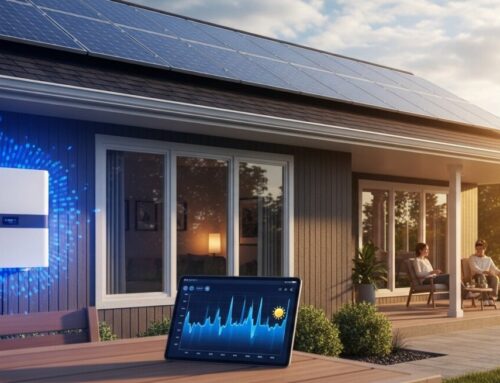
Energy independence is perhaps the most empowering benefit. With solar panels, you generate your own electricity and are less affected by grid outages or rate hikes. If you add battery storage, you can keep your lights on even during blackouts. For deeper insight into how AI forecasts energy production, read our article on AI solar forecasting explained.
Frequently Asked Questions
How much can I save with solar AI software tools?
Savings vary based on your location, energy usage, and system size. However, homeowners using AI-optimized designs typically save 10,20% more than those using traditional estimates. Over 25 years, this can mean thousands of dollars in additional savings.
Do I need special computer skills to use solar AI tools?
No. Most solar AI software tools are designed for homeowners and installers alike. You simply enter your address and utility bill information, and the tool generates a detailed report. Installers handle the technical setup for you.
How accurate are AI solar predictions?
Modern AI models are highly accurate, often within 5,10% of actual energy production. They account for historical weather patterns, panel degradation, and local shading. This accuracy helps you choose the right system size and avoid overpaying.
Can I use solar AI tools if my roof is shaded?
Yes. AI tools can model partial shading and recommend panel placement that minimizes its impact. In some cases, microinverters or power optimizers can improve performance on shaded roofs. The tool will tell you if your roof is a good candidate.
What is the best time of year to install solar panels?
Spring and fall are ideal because weather is mild, and installation crews are less busy. However, solar can be installed year-round in most climates. The key is to start the process early, as permits and approvals can take several weeks.
How long does it take to see a return on investment?
Most homeowners recoup their investment within 6 to 10 years, thanks to federal tax credits and lower electricity bills. After that, you enjoy free electricity for the remaining 15,20 years of the system’s life. AI tools can give you a personalized payback estimate.
Will solar panels work during a power outage?
Standard grid-tied solar systems shut down during outages for safety reasons. If you want backup power, you need a battery storage system. AI software can help you size the battery correctly based on your critical loads.
Are there government incentives for solar in 2025?
Yes. The federal Investment Tax Credit (ITC) offers a 30% tax credit on solar installations through 2032. Many states and utilities also offer additional rebates, net metering programs, or performance-based incentives. An AI tool can factor these into your savings estimate.
Exploring solar energy is a smart step toward lower bills, energy independence, and a cleaner future. By using top solar AI software tools and comparing quotes from multiple installers, you can find a system that fits your home and budget perfectly. Start by requesting free quotes today and see how much you can save.