AI Solar vs Traditional Solar Systems: Which Saves You More?
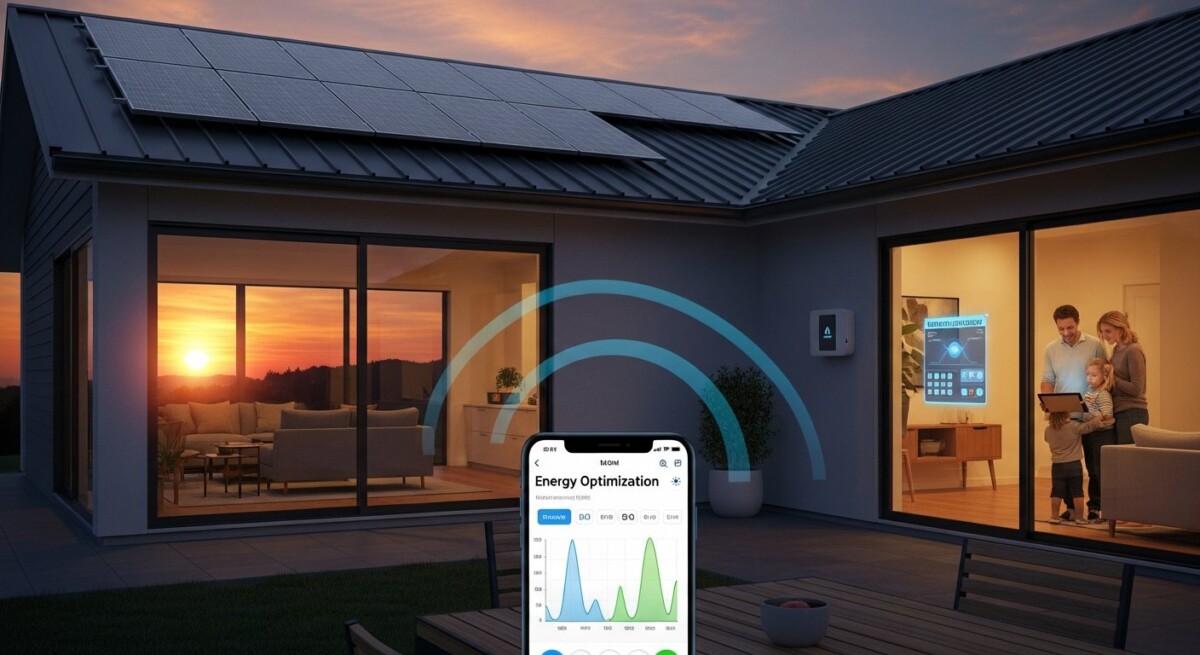
You open your monthly electricity bill and feel a familiar sting. Rising energy costs are pushing more homeowners to search for ai solar vs traditional solar systems as a way to reduce monthly expenses and gain energy independence. The promise of lower bills and a smaller carbon footprint is hard to ignore. But with new technology entering the market, you may wonder which option truly fits your home and budget.
Understanding ai solar vs traditional solar systems
Traditional solar systems use standard panels and a basic inverter to convert sunlight into electricity. They follow a fixed schedule and cannot adapt to changing weather or energy usage patterns. While effective, they often waste energy when conditions shift.
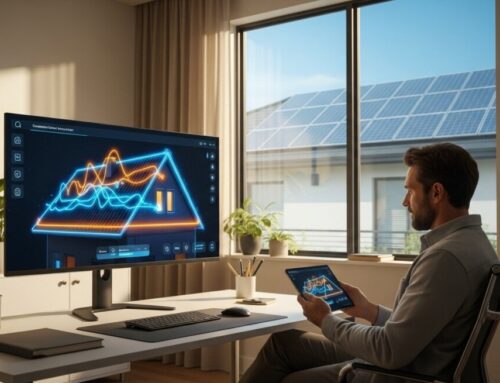
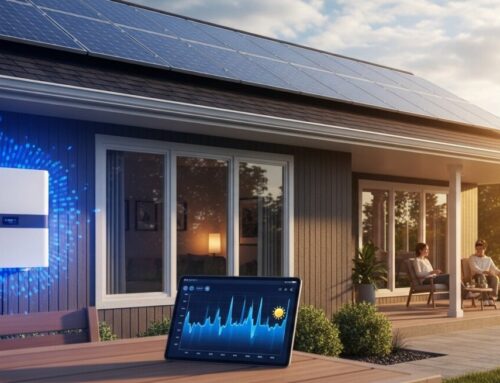
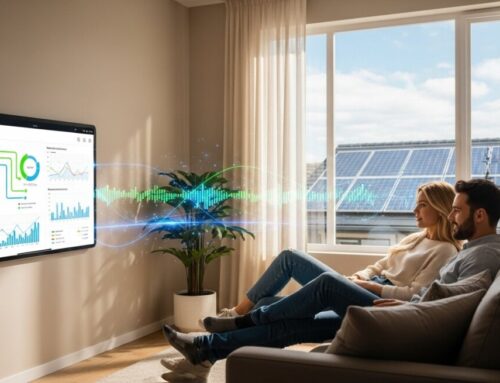
AI solar systems, on the other hand, use smart software and sensors to optimize energy production in real time. The system learns your home’s energy habits and adjusts panel angles, battery storage, and power distribution automatically. This means you capture more sunlight and use less grid electricity, even on cloudy days.
How AI Improves Solar Performance
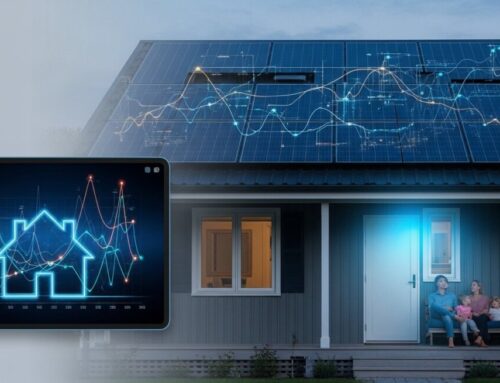
Artificial intelligence analyzes data from weather forecasts, sunlight intensity, and your household consumption. It then predicts the best times to store energy or send it to your home. Over a year, these micro-adjustments can boost efficiency by 10,20 percent compared to a traditional setup.
Why Solar Energy Is Becoming More Popular
Electricity rates have risen steadily over the past decade, and many homeowners feel the pinch. Solar panels offer a way to lock in lower energy costs and protect against future price hikes. The financial savings alone make the switch attractive.
Environmental concerns also play a big role. Solar power produces clean energy without emitting greenhouse gases. By installing panels, you reduce your household’s carbon footprint and contribute to a healthier planet.
Long-term savings are another major draw. Most solar systems pay for themselves within 6 to 10 years through reduced utility bills. After that, the electricity you generate is essentially free, adding thousands of dollars to your household savings over the life of the system.
If you are considering solar power for your home, comparing installation quotes can help you understand your options. Request a free solar quote or call to learn more.
Common Questions Homeowners Have About Solar
Many homeowners worry about the upfront cost of solar panels. The good news is that prices have dropped significantly over the past decade, and federal tax credits can cover 30 percent of the installation cost. With financing options, you can often start saving from day one.
Roof suitability is another frequent concern. Most roofs with at least 20 years of life remaining and good sun exposure work well for solar. A professional installer will assess your roof’s condition and orientation before recommending a system.
System performance also raises questions. Solar panels are durable and require minimal maintenance. They typically come with 25-year warranties and continue producing electricity even after that period, though at a slightly reduced rate.
- Will solar work during a power outage? Only with battery storage.
- Do panels need cleaning? Usually rain does the job, but occasional rinsing helps.
- How long does installation take? Most residential systems are installed in 1 to 3 days.
- Can I monitor my system’s performance? Yes, most systems include an app.
- Will solar increase my property taxes? Many states offer exemptions.
- What happens if I move? Solar can increase home resale value.
How Solar Panel Installation Works
Installation begins with a home energy assessment. An installer reviews your electricity bills, examines your roof, and discusses your energy goals. This step ensures the system is sized correctly for your needs.
Next comes system design and permit approval. The installer creates a custom layout, then submits the necessary paperwork to your local government and utility company. This process usually takes a few weeks but is handled entirely by the installer.
Once permits are approved, the physical installation begins. Panels are mounted, wiring is connected, and the inverter is installed. After a final inspection, the system is activated, and you start generating your own electricity.
- Home energy assessment and bill analysis
- Custom system design
- Permits and approvals from local authorities
- Panel and inverter installation
- Utility inspection and system activation
Speaking with experienced installers can help you determine the best solar solution for your home. Compare solar quotes here or call to explore available options.
Signs Your Home May Be Ideal for Solar
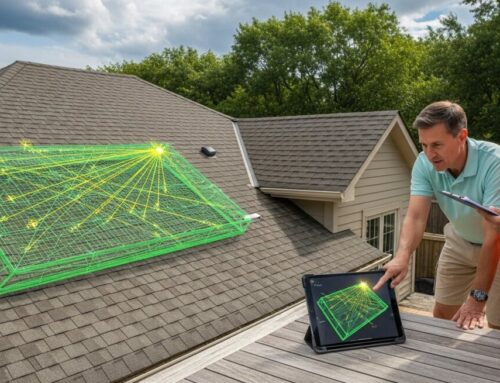
Homes with strong, unobstructed sunlight exposure are prime candidates for solar. South-facing roofs with little shade produce the most energy, but east and west orientations can also work well. A quick shade analysis can confirm your home’s potential.
High electricity bills are another clear indicator. If you pay more than $100 per month on average, solar can likely reduce your costs. Combined with net metering programs, you may even earn credits for excess power sent back to the grid.
- Your roof receives direct sunlight for most of the day
- Your monthly electricity bills are consistently high
- You have at least 300 square feet of usable roof space
- Your roof is in good condition and less than 15 years old
- You plan to stay in your home for at least 5 more years
- Your local utility offers net metering or similar incentives
What Affects Solar Installation Costs
System size is the biggest cost driver. A larger system with more panels generates more electricity but costs more upfront. Your installer will help you find the right balance between your energy needs and budget.
Equipment quality and installation complexity also matter. Premium panels and advanced inverters cost more but often deliver better performance and longer warranties. Roof type, pitch, and accessibility can add to labor costs, especially on complex or multi-story homes.
Local incentives can significantly reduce your out-of-pocket expense. Federal tax credits, state rebates, and utility programs vary by location. A professional installer will help you identify and apply for all available incentives to maximize your savings. In our AI Solar System Comparison guide, we explain how to evaluate different technologies and choose the right fit for your home.
The cost of solar installation varies depending on your home and energy needs. Request personalized solar quotes or call to see what options are available.
Tips for Choosing a Reliable Solar Installer
Not all solar companies are created equal. A trustworthy installer has verifiable experience, proper licensing, and strong customer reviews. Taking the time to research can save you from costly mistakes and poor workmanship.
Start by asking for multiple quotes. Comparing proposals side by side helps you understand pricing, equipment choices, and warranty terms. This process also gives you leverage to negotiate better terms.
- Look for installers with at least 5 years of experience and positive reviews
- Check that they offer comprehensive warranties on panels, inverters, and workmanship
- Read customer testimonials on independent sites like Google or the Better Business Bureau
- Get at least three detailed quotes before making a decision
- Ask about financing options and whether they handle permits and incentives
Long-Term Benefits of Installing Solar Panels
Lower electricity bills are the most immediate reward. Once your system is paid off, the energy it produces costs you nothing. Over 25 years, that can add up to tens of thousands of dollars in savings.
Solar panels also increase your home’s resale value. Studies show that homes with solar sell for a premium compared to similar homes without it. Buyers recognize the long-term savings and are willing to pay more.
Energy independence is another powerful benefit. With solar panels,and especially with battery storage,you become less reliant on the grid. You are protected from utility rate hikes and have backup power during outages. For homeowners interested in monitoring and maintaining peak performance, our article on AI Solar System Diagnostics shows how smart tools can help you catch issues early and maximize savings.
Frequently Asked Questions
What is the difference between AI solar and traditional solar systems?
Traditional solar systems use fixed panels and basic inverters that cannot adapt to changing conditions. AI solar systems use software and sensors to optimize energy production in real time, adjusting to weather, usage, and sun position. This results in higher efficiency and greater savings over time.
Is AI solar worth the extra cost?
AI solar systems cost more upfront but can increase energy production by 10 to 20 percent. For many homeowners, the additional savings on electricity bills make up for the higher initial investment within a few years. Comparing quotes will help you decide if the upgrade fits your budget.
How long do solar panels last?
Most solar panels come with a 25-year performance warranty and continue producing electricity for 30 years or longer. They gradually lose efficiency at about 0.5 percent per year, so after 25 years, they still generate roughly 87 percent of their original output.
Can I install solar panels myself to save money?
DIY solar installation is possible but risky. Professional installers handle permits, electrical work, and roof sealing, which reduces the chance of mistakes or accidents. Improper installation can void warranties, cause leaks, or create safety hazards, so professional help is strongly recommended.
What government incentives are available for solar?
The federal solar investment tax credit currently allows you to deduct 30 percent of your installation costs from your federal taxes. Many states and local utilities offer additional rebates, performance payments, or net metering programs. Your installer can help you find all applicable incentives.
Will solar panels work during a power outage?
Standard grid-tied solar systems shut down during outages to protect utility workers. If you want backup power, you need a battery storage system. Batteries store excess solar energy and provide electricity when the grid goes down.
How much can I save on my electricity bill with solar?
Savings depend on your local electricity rates, system size, and sun exposure. Many homeowners reduce their bills by 50 to 90 percent. With net metering, some even eliminate their electric bills entirely or earn credits from the utility.
Do solar panels increase home value?
Yes, studies show that solar panels can increase a home’s resale value by 3 to 4 percent on average. Buyers see solar as a valuable upgrade that reduces future utility costs. Homes with owned solar systems tend to sell faster than those without.
Choosing between AI solar and traditional solar systems comes down to your budget, energy goals, and home’s characteristics. Both options can lower your electricity bills and reduce your environmental footprint. The best way to find the right solution is to compare quotes from multiple professional installers, who can guide you through the process and help you maximize savings for years to come.