Solar AI Technology Explained: Boost Your Home’s Energy Savings
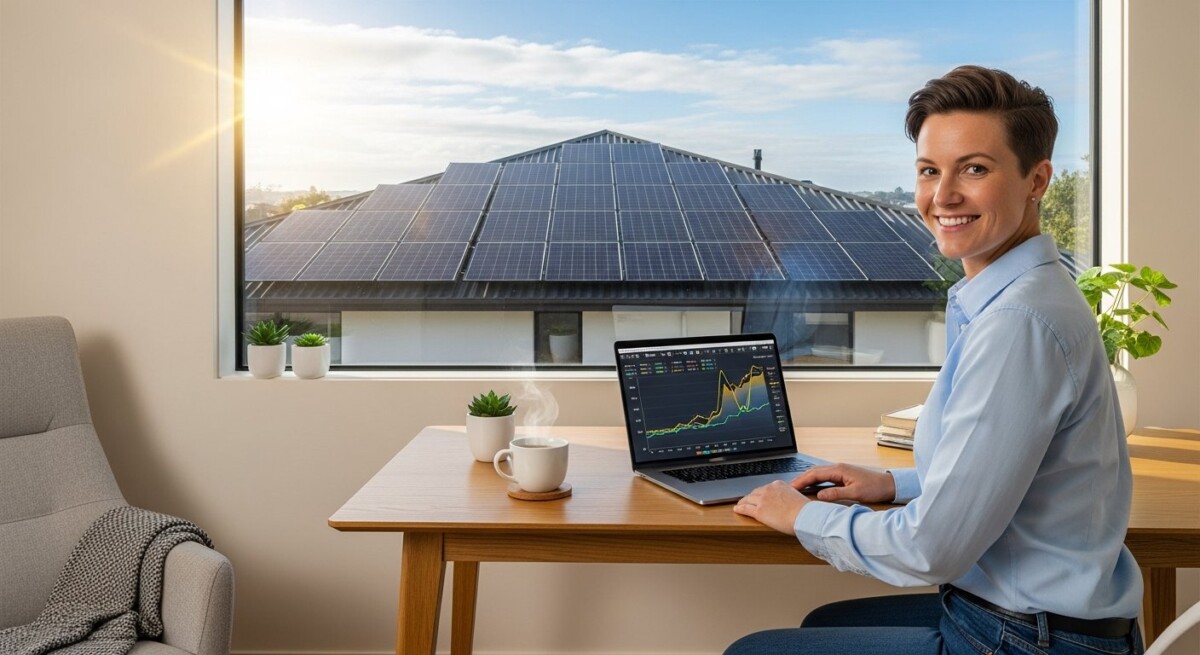
Have you watched your electricity bill climb higher each month? You’re not alone. Many homeowners are searching for a way to take control of their energy costs and reduce their reliance on the unpredictable power grid. The answer they’re finding is smarter, more efficient solar power, often referred to as solar AI technology. Let’s demystify this innovation and see how it can lead to significant savings and energy independence for your home.
Understanding Solar AI Technology Explained
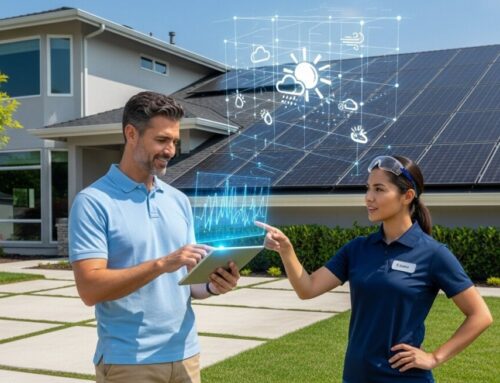
At its core, solar AI technology is about making your solar panel system smarter. It’s not a single gadget, but a combination of intelligent software and hardware that optimizes how your system produces, stores, and uses energy. Think of it as a smart, automated manager for your home’s power.
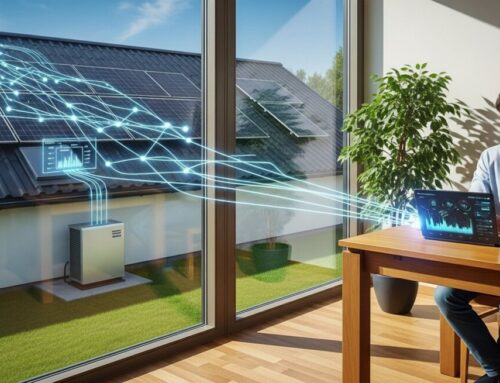
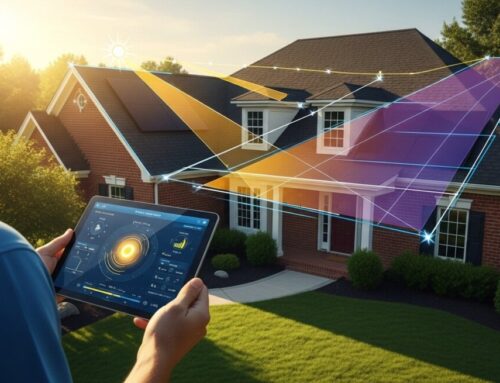
This technology uses artificial intelligence and machine learning to analyze vast amounts of data. It looks at weather forecasts, your historical energy usage patterns, real-time electricity rates from your utility, and the current output of your solar panels. Based on this analysis, it makes intelligent decisions to maximize your savings and efficiency.
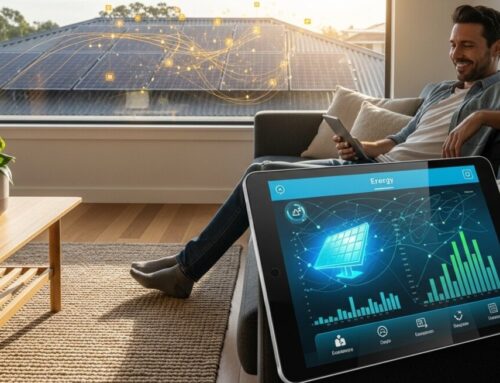
For example, on a sunny afternoon, a smart system might decide to store excess solar energy in a battery instead of sending it back to the grid, saving it for your expensive evening usage. This intelligent management is why more homeowners are considering modern solar installations,they work harder for you.
Why Solar Energy Is Becoming More Popular
The shift to solar power is driven by a powerful combination of financial and environmental factors. First and foremost, electricity prices continue to rise, making a fixed-cost solar system an attractive shield against unpredictable utility hikes. Homeowners are seeking long-term stability for their household budgets.
Alongside cost concerns, there’s a growing desire to reduce our environmental footprint. Generating clean energy from the sun significantly lowers a home’s carbon emissions. This allows families to contribute to a healthier planet while also achieving greater energy independence and security for themselves.
Finally, strong government incentives, like the federal solar tax credit, make the initial investment much more accessible. These financial benefits, combined with proven long-term savings, have moved solar energy from a niche alternative to a mainstream home improvement decision.
If you are considering solar power for your home, comparing installation quotes can help you understand your options. Request a free solar quote or call to learn more.
Common Questions Homeowners Have About Solar
It’s normal to have questions when considering a significant home upgrade like solar. Many people wonder about the upfront cost and how long it will take to see a return on their investment through lower electric bills. Others are concerned about whether their roof is suitable or if they have enough sunlight.
Professional solar installers are experts at answering these questions. They can provide detailed assessments of your home’s solar potential and explain financing options, including loans and leases, that can make solar affordable with little to no money down. Their goal is to ensure the system meets your specific energy and financial needs.
- How much does a solar panel system actually cost?
- Is my roof strong enough and does it get enough sun?
- What happens on cloudy days or at night?
- How long will the installation process take?
- Will I still have an electricity bill?
- What maintenance is required?
How Solar Panel Installation Works
The installation process is designed to be straightforward and managed by professionals from start to finish. It begins with a detailed consultation and energy assessment of your home. An installer will evaluate your roof, your past electricity bills, and your goals to design a system tailored for you.
Once you approve the design, the company handles all the necessary permits and paperwork with your local authorities and utility company. This is a critical step where an experienced installer’s knowledge is invaluable, ensuring everything is up to code and approved for connection to the grid.
- Home Energy Assessment & Design: A consultant reviews your needs and designs your custom system.
- Permits & Approvals: The installer secures all required local permits and utility interconnection agreements.
- Equipment Installation: The racking, panels, and inverter are securely mounted and wired by a certified crew.
- Inspections & Activation: The system passes final inspections, and your utility grants permission to operate (PTO).
Speaking with experienced installers can help you determine the best solar solution for your home. Compare solar quotes here or call to explore available options.
Signs Your Home May Be Ideal for Solar
While most homes can benefit from solar, some characteristics make the investment particularly advantageous. The most obvious factor is your roof’s exposure to direct, unobstructed sunlight for the majority of the day. South-facing roofs in the Northern Hemisphere are typically ideal, but east and west can also work well.
Your current energy consumption and costs are also key indicators. If you have consistently high electricity bills, solar can provide substantial and immediate savings. The system size can be scaled to match your usage, making it a flexible solution for both large and modest energy needs.
- You have a roof with good southern, eastern, or western exposure.
- Your roof is in good condition and is not heavily shaded by trees or other structures.
- You pay high monthly electricity bills.
- You plan to stay in your home for the next 5-10 years to maximize the investment.
- You live in an area with strong sunlight and/or high electricity rates.
- You are interested in increasing your home’s value and appeal.
What Affects Solar Installation Costs
The total cost of a solar panel system depends on several key factors. The primary driver is the system’s size, measured in kilowatts (kW), which is chosen based on your home’s energy consumption. A larger system to power a big home with high usage will cost more than a smaller one for a more efficient household.
Equipment quality and installation complexity also play major roles. Premium, high-efficiency panels and advanced components like smart inverters or battery storage will increase the price but can offer better performance and longevity. The design of your roof, including its pitch and material, can affect labor costs. Crucially, available government incentives and rebates can dramatically reduce your net cost, making it essential to get a detailed quote that includes all potential savings.
The cost of solar installation varies depending on your home and energy needs. Request personalized solar quotes or call to see what options are available.
Tips for Choosing a Reliable Solar Installer
Selecting the right installer is as important as choosing the right equipment. A reputable company will ensure a smooth process, a quality installation, and reliable long-term service. Start by looking for installers with strong certifications, like NABCEP (North American Board of Certified Energy Practitioners), which signifies a high level of training and expertise.
Always ask for references and read online reviews from past customers. A trustworthy installer will be transparent about their pricing, the equipment brands they use, and the warranties they offer. They should provide a clear contract outlining the project timeline, costs, and expected energy production.
- Verify licenses, insurance, and industry certifications (e.g., NABCEP).
- Choose an installer with several years of experience in your local area.
- Read customer reviews and ask for references from recent projects.
- Review the warranty coverage for both equipment and workmanship.
- Get detailed, written quotes from at least three different companies.
- Ensure they handle the entire process, including permits and utility paperwork.
Long-Term Benefits of Installing Solar Panels
The most immediate and compelling benefit is the drastic reduction, or even elimination, of your monthly electricity bill. Once your system is paid off, the energy it produces is essentially free for the remainder of its 25+ year lifespan, protecting you from future rate increases and providing predictable energy costs.
Beyond savings, solar panels increase your property value and market appeal. Studies consistently show homes with solar sell faster and for more money. You also gain a greater degree of energy independence and security, knowing you’re producing your own clean power. For example, pairing solar with a battery can provide backup power during grid outages. This is especially effective when paired with the right equipment; for maximum efficiency, choosing the best inverter for solar panels is a key decision that impacts overall system performance.
Finally, the environmental impact is profound. By switching to solar, you significantly reduce your household’s carbon footprint, contributing to cleaner air and a more sustainable future. It’s a personal investment that pays you back while benefiting the community and planet.
How much can I really save with solar panels?
Savings depend on your local electricity rates, system size, and sunlight. Most homeowners save tens of thousands of dollars over the system’s lifetime. The average payback period,the time it takes for savings to equal the cost,is often between 6 to 10 years, after which you enjoy essentially free electricity.
Do solar panels work in cloudy or cold climates?
Yes, solar panels generate electricity even on cloudy days, though at a reduced output. They actually operate more efficiently in cooler temperatures. Modern panels are designed to capture a broad spectrum of light, making them effective in a wide variety of climates, not just desert regions.
What is net metering and how does it work?
Net metering is a billing arrangement with your utility company. When your solar panels produce more electricity than you use, the excess is sent to the grid, and your meter runs backward, giving you credit. At night or on cloudy days, you draw power from the grid and use those credits, significantly lowering your net cost.
How long do solar panels last?
Most solar panels come with a 25-year performance warranty guaranteeing they will still produce at least 80-85% of their original output at that age. The panels themselves can continue to produce electricity well beyond that timeframe. Inverters, which convert the power, typically have a 10-15 year warranty and may need replacement once during the system’s life.
Can I add a battery to my solar system?
Absolutely. Adding battery storage allows you to save your excess solar energy for use at night or during a power outage, increasing your energy independence. While it adds to the initial cost, batteries are becoming more affordable and can be a wise investment for backup power and maximizing self-consumption of your solar energy.
What maintenance do solar panels require?
Solar panels require very little maintenance. Occasional cleaning with water to remove dust, pollen, or bird droppings is usually sufficient, and rain often handles this. You should have the system professionally inspected every few years to ensure all electrical connections are secure and the system is performing optimally. For systems designed to maximize production, some homeowners opt for a solar panel tracking mount, which follows the sun and requires slightly different maintenance considerations.
Exploring solar energy for your home is a smart step toward controlling costs and investing in a sustainable future. By understanding how modern solar AI technology maximizes efficiency and comparing detailed quotes from trusted local installers, you can make a confident, informed decision. Start your journey today by speaking with professionals who can tailor a solution to your home’s unique needs and your financial goals.