How to Use AI for Solar Energy to Slash Your Electric Bill
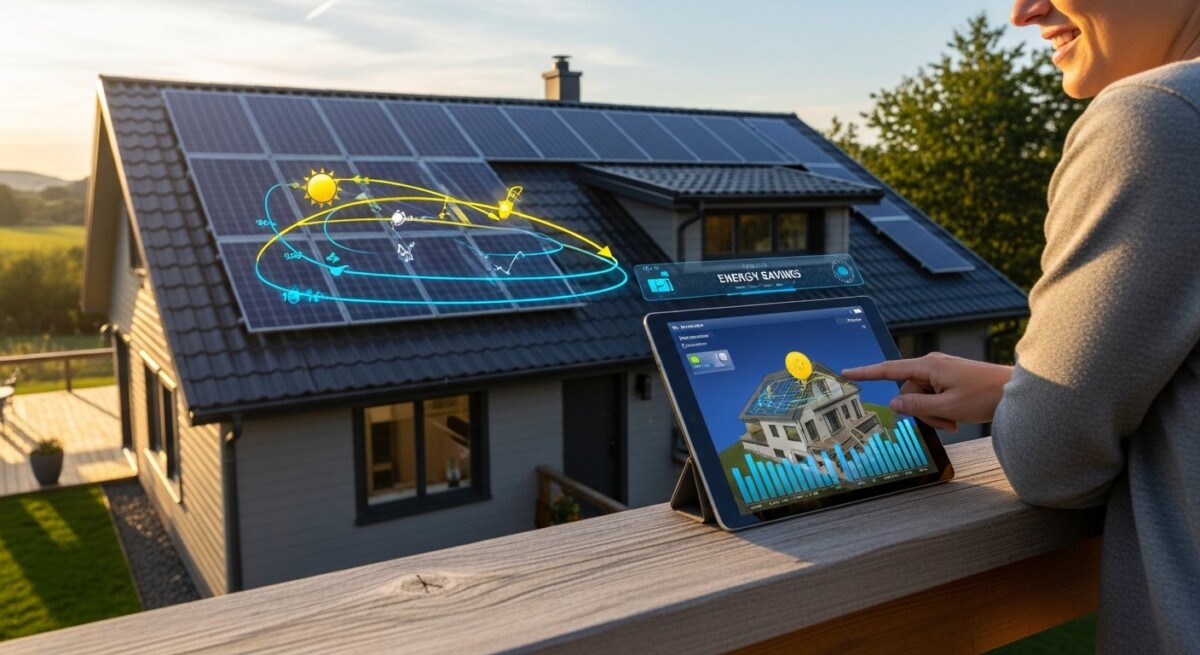
Every month, you open your electricity bill and feel a familiar pinch. Rates keep climbing, and it feels like there is no end in sight. Many homeowners are now searching for how to use ai for solar energy to take control of their power costs and reduce their dependence on the grid. The good news is that modern technology, combined with professional installation, makes solar more accessible and affordable than ever.
Understanding how to use ai for solar energy
Artificial intelligence is transforming the way solar energy systems are designed and optimized. In simple terms, AI analyzes vast amounts of data about your home, local weather patterns, and energy usage to recommend the perfect solar setup for you. Instead of guessing how many panels you need, AI algorithms calculate the ideal system size and panel placement for maximum efficiency.
More homeowners are turning to AI-powered tools because they remove the guesswork from solar planning. These tools can predict how much energy your home will generate throughout the year, accounting for seasonal changes and cloud cover. This means you get a system that is tailored to your actual needs, not a one-size-fits-all solution.
How AI optimizes your solar investment
When you work with a professional installer who uses AI-driven software, they can simulate your home’s solar potential with remarkable accuracy. The software considers your roof angle, shading from trees or nearby buildings, and even local utility rate structures. The result is a system design that maximizes your savings and minimizes upfront costs.
Why Solar Energy Is Becoming More Popular
Rising electricity prices are the number one reason homeowners are switching to solar. Over the past decade, the average cost of electricity has increased steadily, and there is no sign of a slowdown. Solar panels allow you to lock in a lower, more predictable energy cost for decades.
Environmental concerns also play a big role. Many homeowners want to reduce their carbon footprint and contribute to a cleaner planet. Solar energy is a clean, renewable resource that produces no greenhouse gases once installed. Plus, the long-term financial savings make it a smart investment for your home and your future.
If you are considering solar power for your home, comparing installation quotes can help you understand your options. Request a free solar quote or call to learn more.
Common Questions Homeowners Have About Solar
Solar energy is a big decision, and it is normal to have questions. Many homeowners worry about the upfront cost, whether their roof is suitable, and how well the system will perform over time. These are all valid concerns that a qualified installer can address with data and experience.
Professional installers use advanced tools, including AI-based assessments, to answer these questions before you commit. They can show you exactly what your system will produce and how long it will take to pay off. This transparency builds trust and helps you make an informed choice.
- How much does a solar system cost for an average home?
- Is my roof strong enough and facing the right direction?
- How much will I actually save on my monthly electric bill?
- What happens on cloudy days or at night?
- How long do solar panels last, and what maintenance do they need?
- Are there government incentives or rebates available in my area?
How Solar Panel Installation Works
Installing solar panels is a straightforward process when you work with an experienced professional. It starts with a thorough assessment of your home’s energy needs and roof conditions. The installer uses this information to design a system that fits your property and your budget.
Once the design is finalized, the installer handles all the permits and approvals required by your local government and utility company. The actual installation typically takes one to three days, depending on the size of the system. After installation, the system is inspected and connected to the grid, and you start generating your own clean energy.
- Home energy assessment to measure your current usage and roof suitability.
- System design using AI tools to optimize panel placement and size.
- Permits and approvals from local authorities and your utility company.
- Panel installation by certified technicians.
- System activation and final inspection.
Speaking with experienced installers can help you determine the best solar solution for your home. Compare solar quotes here or call to explore available options.
Signs Your Home May Be Ideal for Solar
Not every home is perfectly suited for solar panels, but many are. The best candidates have roofs that receive strong, direct sunlight for most of the day. South-facing roofs with little to no shading are ideal, but modern panels can still perform well on east or west-facing roofs.
Your current electricity bills are another strong indicator. If you pay a high rate per kilowatt-hour or use a lot of energy, solar can provide significant savings. Homeowners who plan to stay in their homes for several years also benefit the most, as the system pays for itself over time.
- Your roof gets at least 4,5 hours of direct sunlight per day.
- Your monthly electricity bills are consistently high.
- You have enough unobstructed roof space for panels.
- You plan to stay in your home for at least 5,7 more years.
- Your local utility offers net metering or other solar incentives.
- Your roof is in good condition and less than 10 years old.
What Affects Solar Installation Costs
The cost of a solar system depends on several key factors, starting with the size of the system. Larger homes with higher energy needs require more panels, which increases the upfront cost. However, larger systems also generate more savings over time, so the investment often pays off faster.
Equipment quality also plays a role. Higher-efficiency panels and premium inverters cost more but produce more energy and last longer. Installation complexity, such as roof type or electrical panel upgrades, can add to the price. Fortunately, federal tax credits and local rebates can reduce your out-of-pocket costs by 30% or more.
The cost of solar installation varies depending on your home and energy needs. Request personalized solar quotes or call to see what options are available.
Tips for Choosing a Reliable Solar Installer
Choosing the right installer is just as important as choosing the right equipment. A reliable installer will conduct a thorough site assessment, use AI-powered tools to design your system, and provide clear, transparent pricing. They should also handle all permits and paperwork on your behalf.
Do not rush into a decision. Take the time to research potential installers, read reviews, and compare multiple quotes. A trustworthy installer will answer all your questions and never pressure you into signing a contract. Remember, the cheapest quote is not always the best value.
- Look for installers with at least 3,5 years of experience and positive reviews.
- Ask about warranties on panels, inverters, and workmanship.
- Read customer reviews on trusted platforms like Google or the Better Business Bureau.
- Get at least three detailed quotes to compare pricing and equipment.
- Verify that the installer is licensed, insured, and certified by the North American Board of Certified Energy Practitioners (NABCEP).
Long-Term Benefits of Installing Solar Panels
Once your solar system is up and running, you will immediately notice lower electricity bills. Over the lifetime of your system, which is typically 25,30 years, the savings can add up to tens of thousands of dollars. This is money that stays in your pocket instead of going to the utility company.
Solar panels also increase your home’s resale value. Studies show that homes with solar systems sell for a premium compared to similar homes without solar. Beyond the financial benefits, you gain energy independence and the satisfaction of reducing your environmental impact. Solar power is a practical step toward a cleaner, more self-sufficient future.
In our guide on how we use solar energy daily, we explain how solar technology powers everything from lights to appliances. And for a deeper look at how technology can help, check out our article on AI tools for solar energy to see how you can save even more on your electric bill.
How much can I save by switching to solar?
Most homeowners save between $10,000 and $30,000 over the lifespan of their solar system. The exact amount depends on your location, energy usage, and the cost of electricity in your area. A professional installer can provide a personalized savings estimate based on your home.
What government incentives are available for solar?
The federal solar investment tax credit (ITC) allows you to deduct 30% of your installation costs from your federal taxes. Many states and local utilities also offer additional rebates, tax credits, or performance-based incentives. Your installer can help you identify and apply for all available incentives.
Do solar panels work during a power outage?
Standard grid-tied solar systems shut down during a power outage to protect utility workers. If you want backup power, you can add a battery storage system. Batteries store excess energy generated during the day so you can use it at night or during an outage.
How long does it take to install solar panels?
The installation itself typically takes one to three days. The entire process, from initial consultation to system activation, usually takes four to eight weeks. This includes time for permits, approvals, and scheduling.
Will solar panels damage my roof?
When installed correctly by a professional, solar panels actually protect the portion of your roof they cover. Installers use mounting systems that seal around the roof penetrations to prevent leaks. Most reputable installers also offer a workmanship warranty that covers any roof issues related to the installation.
How much maintenance do solar panels need?
Solar panels require very little maintenance. Rain typically washes away dust and dirt. You may need to have them cleaned once a year in dry or dusty climates. Most systems come with monitoring software that alerts you to any performance issues.
Can I install solar panels myself to save money?
DIY solar installation is possible but not recommended for most homeowners. Mistakes can lead to safety hazards, poor performance, and voided warranties. Professional installers have the training, tools, and insurance to do the job correctly and safely.
What happens if I sell my home with solar panels?
If you own your solar system outright, it can increase your home’s resale value. If you have a solar lease or power purchase agreement, the new buyer may need to take over the contract. Many buyers see solar as a desirable feature because of the lower utility bills.
Solar energy is a proven way to reduce your electricity bills, increase your home’s value, and help the environment. The key to a successful solar installation is working with a trusted professional who can design a system tailored to your needs. Start by comparing quotes from multiple installers to find the best solution for your home and budget.