AI Solar Energy Investment Analysis: Maximize Your Savings
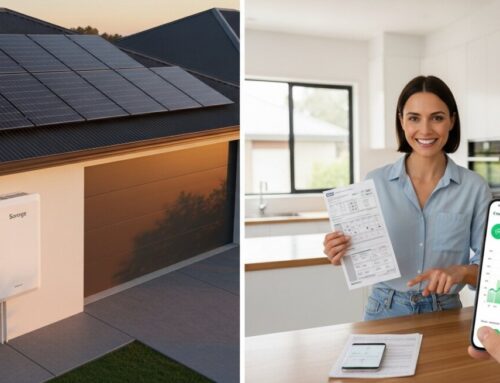
You open your monthly electricity bill and feel a familiar sting. Rates keep climbing, and it feels like the power company holds all the cards. That is why many homeowners are searching for an ai solar energy investment analysis to understand if solar panels make financial sense for their home.
The idea of reducing your monthly energy bill and gaining some energy independence is appealing. Solar energy promises lower costs and a smaller carbon footprint. But the decision involves numbers, equipment, and installation choices that can feel overwhelming.
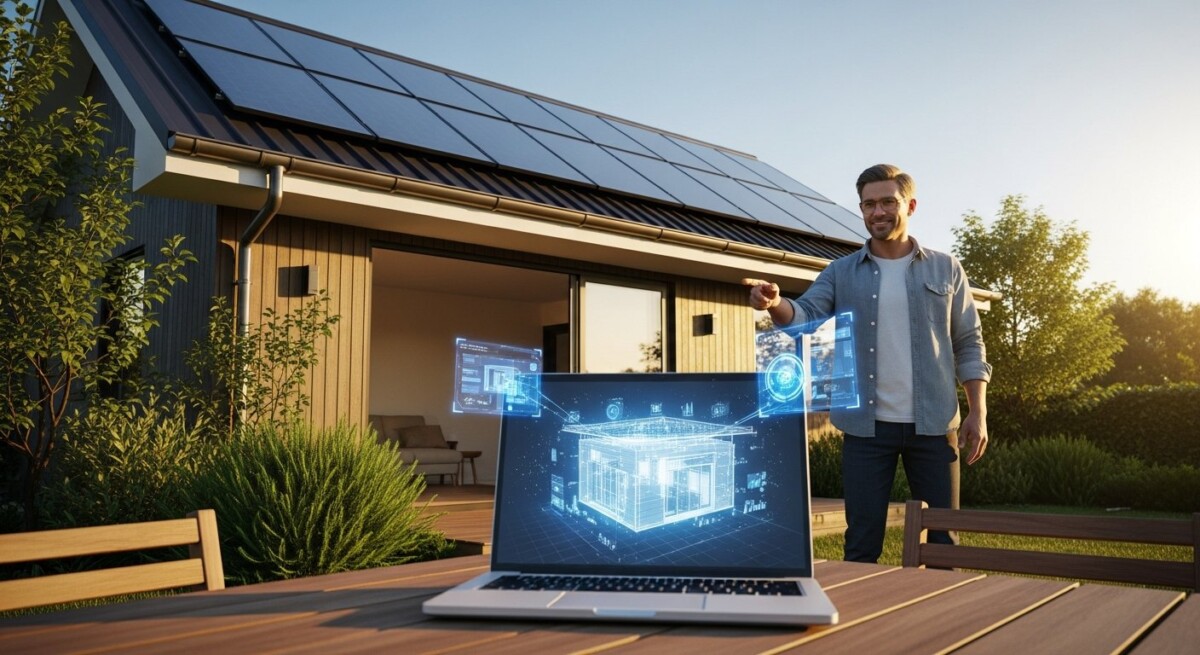
That is where a clear, data-driven approach comes in. An ai solar energy investment analysis uses smart algorithms to evaluate your home’s sun exposure, local electricity rates, roof condition, and available incentives to estimate your potential savings and payback period.
Understanding ai solar energy investment analysis
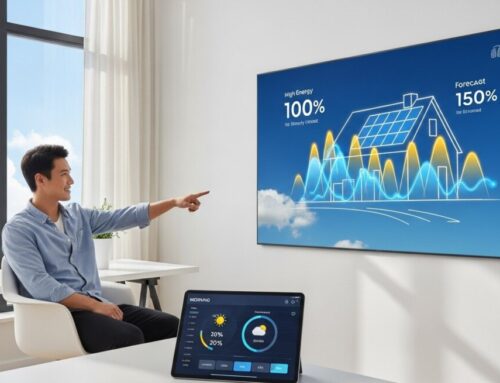
An ai solar energy investment analysis is simply a tool that uses artificial intelligence to predict how much money a solar panel system could save you over time. Instead of guessing, the AI processes real-world data about your home and local energy market.
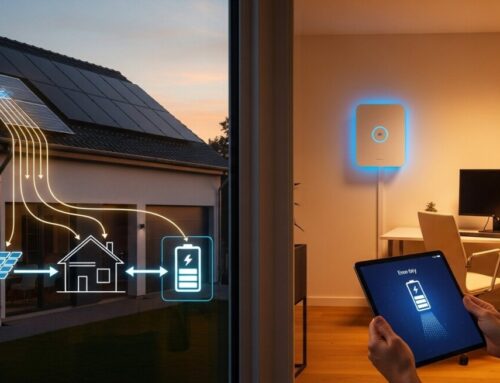
The AI looks at satellite images of your roof, historical weather patterns, your past electricity usage, and current utility rates. It then runs thousands of simulations to recommend the best system size, panel type, and financing option for your specific situation. This removes the guesswork and gives you a reliable forecast of your long-term savings.
Why homeowners are turning to AI analysis
Traditional quotes from installers can vary widely, and it is hard to know which one is accurate. An AI analysis provides an unbiased third-party perspective. It helps you compare apples to apples when reviewing proposals from different solar companies.
More homeowners are using these tools because they want confidence before making a large investment. Knowing the estimated payback period and monthly savings helps you decide if solar is right for your family. In our guide on Solar Energy Explained: Save on Bills and Gain Energy Independence, we break down how these calculations work in more detail.
Why Solar Energy Is Becoming More Popular
Electricity rates have risen steadily over the past decade, and many homeowners see no end in sight. Solar panels offer a way to lock in a lower, more predictable energy cost for decades.
Environmental concerns also play a big role. People want to reduce their reliance on fossil fuels and lower their household carbon emissions. Solar power is clean, renewable, and available right on your roof.
Long-term savings are the biggest driver. After the initial installation cost is recovered through lower bills, the electricity your panels produce is essentially free. This financial freedom is why solar adoption continues to grow across the country.
If you are considering solar power for your home, comparing installation quotes can help you understand your options. Request a free solar quote or call to learn more.
Common Questions Homeowners Have About Solar
Most homeowners start with the same basic concerns. How much will this cost? Will my roof work? What happens on cloudy days or at night? These are all fair questions that a good installer should answer clearly.
Installation cost is the biggest hurdle for many people. However, federal tax credits, state rebates, and net metering programs can reduce the upfront price significantly. Financing options also make it possible to start saving with little or no money down.
- How much does a typical solar system cost?
- Will solar panels work on my roof type?
- What happens if I move after installing panels?
- How long do solar panels last?
- Do I need a battery with my solar system?
- How much maintenance do solar panels require?
How Solar Panel Installation Works
The installation process is more straightforward than most people expect. It typically takes a few days from start to finish once the design and permits are approved.
A professional installer handles everything from the initial assessment to connecting your system to the grid. This removes the stress of dealing with paperwork, electrical work, and roof mounting on your own.
- Home energy assessment , The installer reviews your electricity bills and examines your roof’s condition and sun exposure.
- System design , Using AI analysis and site measurements, the team designs a custom solar array for your home.
- Permits and approvals , The installer applies for necessary building permits and utility interconnection approval.
- Panel installation , Crews mount the racking system, place the panels, and wire everything to your electrical panel.
- System activation , After inspection and utility approval, your system is turned on and starts generating power.
Speaking with experienced installers can help you determine the best solar solution for your home. Compare solar quotes here or call to explore available options.
Signs Your Home May Be Ideal for Solar
Not every home is a perfect candidate, but many are. If your roof gets good sunlight for most of the day, you are already a strong candidate for solar panels.
High electricity bills are another clear sign. The more you pay the utility company each month, the more you stand to save by generating your own power. Homes in sunny states like Arizona, California, and Texas often see the fastest payback periods.
- Your roof faces south or west with minimal shade from trees or buildings.
- You pay high electricity rates or your bills have increased recently.
- Your roof is in good condition and has at least 15,20 years of life left.
- You plan to stay in your home for at least 5,7 more years.
- Your local utility offers net metering or other solar incentives.
- You live in a state with strong renewable energy policies or tax credits.
What Affects Solar Installation Costs
The price of a solar system depends on several factors, and understanding them helps you evaluate quotes. System size is the biggest variable,larger homes with higher energy needs require more panels.
Equipment quality also matters. Premium panels and inverters cost more upfront but often deliver better performance and longer warranties. Installation complexity, such as a steep roof or older electrical panel, can add to labor costs.
Local incentives and tax credits directly reduce your out-of-pocket expense. The federal Investment Tax Credit (ITC) currently allows you to deduct 30% of the system cost from your federal taxes. State and local rebates can lower the price even further.
The cost of solar installation varies depending on your home and energy needs. Request personalized solar quotes or call to see what options are available.
Tips for Choosing a Reliable Solar Installer
Choosing the right installer is just as important as choosing the right equipment. A reputable company will guide you through the process and stand behind their work for years to come.
Start by checking the installer’s experience, licensing, and insurance. Look for companies that have been in business for several years and have positive reviews from local homeowners. Avoid high-pressure sales tactics or promises that sound too good to be true.
- Review the installer’s experience and ask for references from recent customers.
- Check what warranties are offered on panels, inverters, and workmanship.
- Read online reviews on platforms like Google, Yelp, and the Better Business Bureau.
- Compare at least three quotes to see pricing, equipment, and financing options side by side.
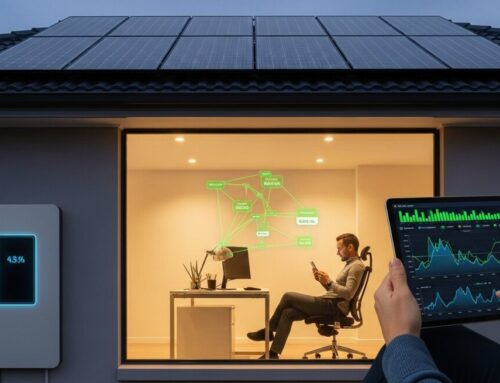
- Ask about monitoring apps and how you can track your system’s performance.
Long-Term Benefits of Installing Solar Panels
Once your solar system is installed, you start saving immediately. Your electricity bill drops because you are generating your own power instead of buying it from the grid.
Over 20 to 25 years, those savings can add up to tens of thousands of dollars. Solar panels also increase your home’s resale value. Studies show that homes with solar sell for more and faster than comparable homes without it.
Beyond finances, solar gives you a sense of energy independence. You are less affected by rising utility rates and power outages, especially if you add a battery. And every kilowatt-hour you generate from the sun reduces your household’s environmental impact. For more insight on how solar adoption is growing, read our article on How AI Solar Energy Adoption Trends Can Lower Your Bills.
Frequently Asked Questions
What is an ai solar energy investment analysis?
It is a data-driven evaluation that uses artificial intelligence to estimate your potential savings, payback period, and ideal system size based on your home’s specific characteristics and local energy rates.
How much can I save with solar panels?
Most homeowners save between $10,000 and $30,000 over 20 years, depending on their location, energy usage, and available incentives. An AI analysis can give you a personalized estimate.
Is my roof suitable for solar panels?
Roofs that face south or west with little shade and 15+ years of life remaining are generally good candidates. An installer will inspect your roof during the free assessment.
What government incentives are available for solar?
The federal tax credit offers 30% off the system cost. Many states and utilities also offer rebates, performance payments, or net metering programs that further reduce costs.
How long does it take to install solar panels?
The physical installation usually takes one to three days. The entire process from quote to activation typically takes four to eight weeks due to permitting and utility approvals.
Do solar panels work during a power outage?
Standard grid-tied systems shut off during an outage for safety. If you want backup power, you need a solar battery like the Tesla Powerwall or similar storage solution.
What happens if I sell my home with solar panels?
Solar panels typically increase home value and can make your property more attractive to buyers. You can either include the system in the sale or transfer the lease if applicable.
How do I choose the best solar installer?
Compare multiple quotes, check reviews and warranties, and ask about their experience with similar homes. A trustworthy installer will answer your questions clearly without pressure.
Solar energy is a practical investment that can lower your electricity bills, increase your home’s value, and reduce your environmental impact. The key to making a smart decision is getting accurate information and comparing your options. Start by requesting quotes from several professional installers and using an ai solar energy investment analysis to evaluate your savings. Take the first step today and see how solar can work for your home.