AI Solar Prediction Systems: Maximize Your Energy Savings
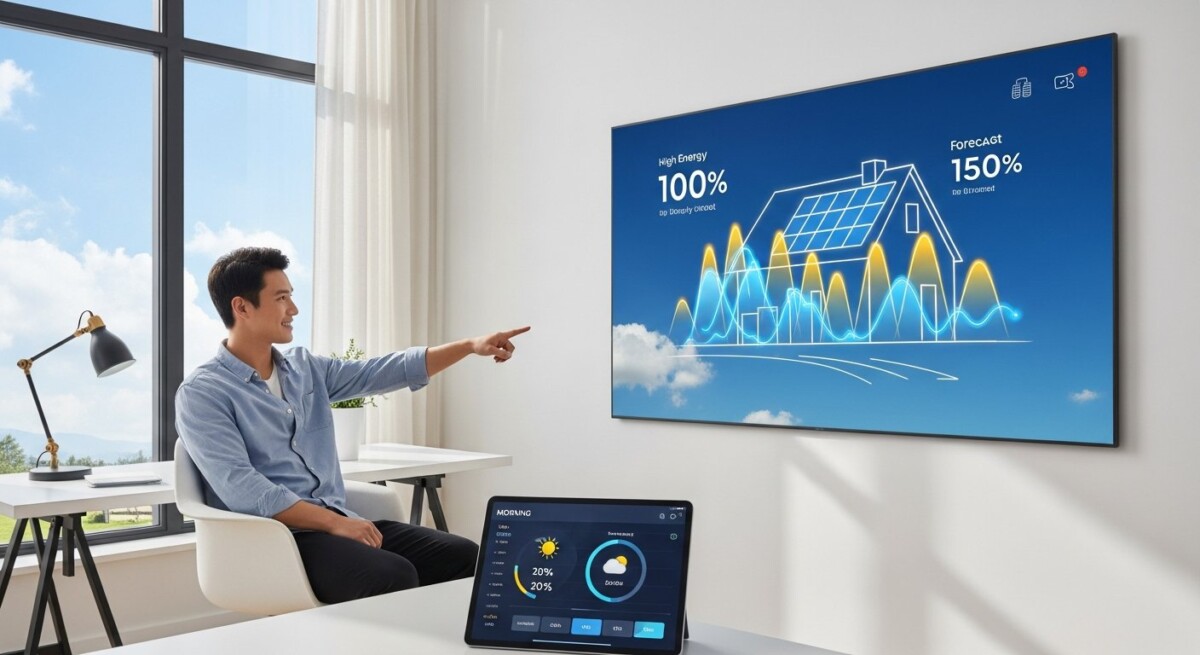
If you’ve opened your electricity bill recently and felt a jolt of surprise, you’re not alone. With energy costs steadily climbing, more homeowners are searching for a reliable way to take control. The dream of slashing those monthly bills and becoming less dependent on the unpredictable grid is leading many to explore solar power, and a key tool in this modern energy shift is the AI solar prediction system.
Understanding AI Solar Prediction Systems
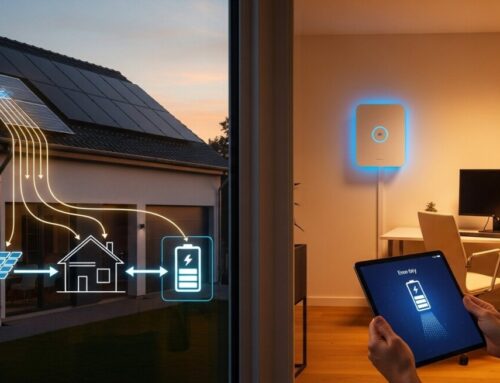
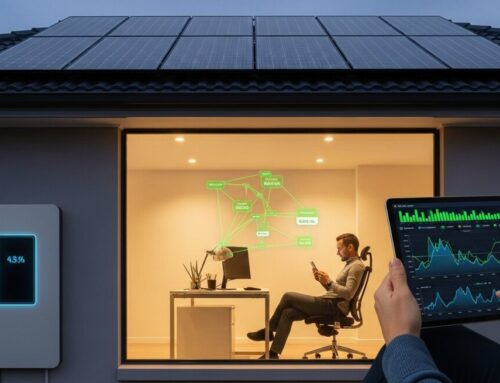
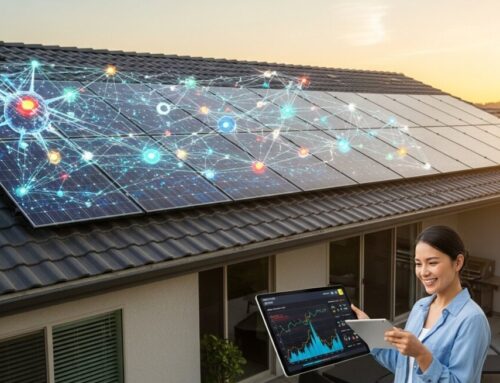
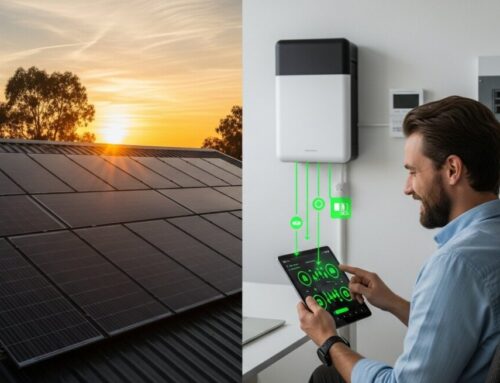
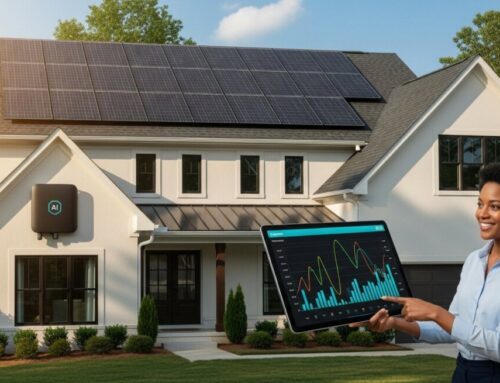
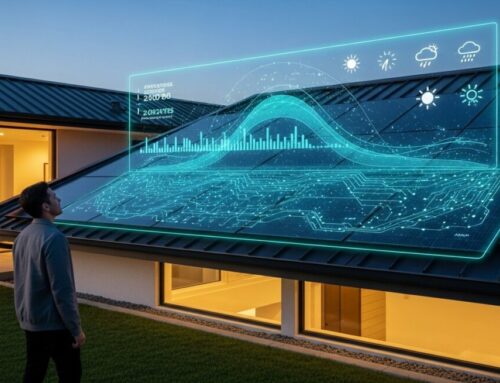
At its core, an AI solar prediction system is a smart technology that forecasts how much energy your solar panels will produce. It uses artificial intelligence and machine learning to analyze vast amounts of data. This helps you plan your energy usage and maximize your savings.
These systems work by crunching numbers from weather forecasts, historical sunlight data for your location, and even the specific tilt and orientation of your roof. The AI learns patterns over time, making its predictions for your solar energy output increasingly accurate. This intelligence allows you to see your potential solar production before the panels are even installed.
Why are more homeowners considering this? It turns the promise of solar from an estimate into a data-driven plan. You can confidently understand your long-term return on investment and make smarter decisions about your home’s energy future.
Why Solar Energy Is Becoming More Popular
The shift toward solar power is driven by a powerful combination of financial and environmental factors. For many, the primary motivator is the direct impact on their household budget. Installing solar panels is a proven strategy to lock in lower energy costs for decades, providing a shield against rising utility rates.
Alongside the desire for savings is a growing concern for the planet. Homeowners are increasingly aware of their carbon footprint and want to contribute to a cleaner future. Solar energy offers a practical way to reduce reliance on fossil fuels and generate clean, renewable power right from your rooftop.
Finally, long-term financial planning plays a huge role. Solar is seen as a stable, valuable home improvement. It not only cuts monthly bills but can also increase your property’s value, making it a sound investment for the years ahead.
If you are considering solar power for your home, comparing installation quotes can help you understand your options. Request a free solar quote or call to learn more.
Common Questions Homeowners Have About Solar
It’s completely normal to have questions when considering a significant investment like solar panels. The upfront cost is often the first hurdle, but it’s important to view it through the lens of long-term savings and available financial incentives. Many are pleasantly surprised by the combination of federal tax credits, local rebates, and flexible financing that can make solar affordable.
Another major concern is whether a home is suitable. People worry about their roof’s age, direction, and shading from trees. A professional installer will conduct a detailed assessment to answer these questions precisely, ensuring your system is designed for optimal performance. For a deeper look at how technology ensures your system performs, our guide on AI solar monitoring systems explains the ongoing benefits.
Understanding these common concerns is the first step toward feeling confident in your decision. Here are a few questions installers hear every day:
- How much will a solar panel system really cost after incentives?
- Is my roof strong enough and does it get enough sun?
- What happens on cloudy days or at night?
- How long will the installation process take?
- Do solar panels require a lot of maintenance?
- Will solar panels increase my property taxes or home insurance?
How Solar Panel Installation Works
The journey to solar power is a structured process handled largely by your chosen installer. It begins with a detailed evaluation of your home’s energy needs and physical characteristics. This initial consultation sets the stage for a smooth and successful project.
From there, the installer manages the design, permits, and logistics. Their expertise ensures your system meets local building codes and utility requirements. The actual panel installation is typically quicker than most homeowners expect, with minimal disruption to your daily life.
The main steps in a typical solar installation are:
- Home Energy Assessment: Reviewing your electricity bills and evaluating your roof.
- System Design & Proposal: Creating a custom plan and detailed quote for your approval.
- Permits & Approvals: Securing necessary permits from your city and interconnection agreement from your utility.
- Panel Installation: Installing racking, panels, inverters, and wiring, usually in 1-3 days.
- Inspections & Activation: Passing final inspections and getting permission to turn your system on.
Speaking with experienced installers can help you determine the best solar solution for your home. Compare solar quotes here or call to explore available options.
Signs Your Home May Be Ideal for Solar
While solar can work in many situations, some homes are naturally positioned to reap greater benefits. The most obvious factor is access to strong, unobstructed sunlight. A roof that faces south, east, or west with minimal shading from trees or chimneys is a great candidate.
Your current energy consumption is another key indicator. If you have consistently high electricity bills, solar panels offer a more direct and impactful path to savings. The more you currently pay for power, the faster your solar investment can pay for itself.
Consider these indicators that your home might be well-suited for solar:
- Your roof receives direct sunlight for most of the day.
- You pay high monthly electricity bills.
- You have a suitable amount of unshaded roof space.
- You plan to own your home for the next 5-10 years or more.
- Your roof is in good condition or will soon need replacement.
- You live in an area with strong net metering policies or solar incentives.
What Affects Solar Installation Costs
The total cost of a solar energy system isn’t a one-size-fits-all number. The primary factor is the size of the system, measured in kilowatts (kW), which is directly tied to your home’s energy usage. A larger home with higher consumption will require a larger, more powerful system.
Equipment quality and installation complexity also play significant roles. Premium, high-efficiency panels and inverters may cost more upfront but can produce more energy over time. Factors like roof pitch, material, and the need for electrical upgrades can influence the final labor costs.
Critically, local incentives dramatically affect the net price. The federal solar investment tax credit (ITC) can reduce your cost by a significant percentage. Many states and utilities offer additional rebates or performance payments, which a qualified installer will help you navigate. To understand how AI can optimize this investment, explore our article on AI solar systems for maximizing savings.
The cost of solar installation varies depending on your home and energy needs. Request personalized solar quotes or call to see what options are available.
Tips for Choosing a Reliable Solar Installer
Selecting the right installer is just as important as choosing the right equipment. A reputable company will be your guide and partner for the life of your system. They should be transparent, knowledgeable, and focused on your long-term satisfaction.
Always verify their credentials and experience. Look for installers who are licensed, insured, and certified by leading industry organizations. Don’t hesitate to ask for references and examples of recent projects similar to yours.
Follow these practical tips to find a trustworthy partner:
- Check for proper licensing, insurance, and manufacturer certifications.
- Review their experience and ask for local customer references.
- Understand the warranties offered on both equipment and workmanship.
- Read online reviews and check their rating with the Better Business Bureau.
- Get detailed, written proposals from at least three different companies.
- Ensure they handle the entire process, including permits and utility paperwork.
Long-Term Benefits of Installing Solar Panels
The most immediate and compelling benefit of solar power is the reduction in your monthly electricity bills. Once your system is paid off, the energy it produces is essentially free, protecting you from future rate hikes for 25 years or more. This predictable energy cost is a powerful form of financial security.
Beyond savings, solar panels are an investment that increases your home’s market value. Studies consistently show that homes with solar panels sell faster and for more money than comparable homes without them. You’re also contributing to a cleaner environment by reducing your household’s carbon emissions.
Perhaps the most satisfying benefit is energy independence. Generating your own power makes you less vulnerable to grid outages and price fluctuations. It’s a step toward taking full control of your home’s energy needs and building a more resilient future.
How much can I really save with solar panels?
Savings depend on your local electricity rates, system size, and sunlight. Most homeowners see a significant reduction in their bill, often cutting it by 50% to 100%. Over 20+ years, total savings can amount to tens of thousands of dollars, far outweighing the initial investment.
What is the federal solar tax credit?
The federal solar investment tax credit (ITC) allows you to deduct a significant percentage of your solar system cost from your federal taxes. This incentive directly reduces the amount you owe, making solar more affordable. It’s crucial to consult a tax professional to understand how it applies to your specific situation.
Do solar panels work in cloudy or cold climates?
Yes, solar panels generate electricity anytime there is daylight, even on cloudy days, though at a reduced output. Interestingly, cooler temperatures can actually improve panel efficiency. Solar is successfully used in all 50 states and in many countries with less-than-sunny reputations.
How long do solar panels last?
Most high-quality solar panels come with a 25-year performance warranty, guaranteeing they will still produce a high percentage of their original output after that time. The panels themselves can continue to generate electricity well beyond the warranty period, often for 30 years or more.
What is net metering?
Net metering is a billing arrangement with your utility company. When your solar panels produce more electricity than you use, the excess is sent to the grid, and your meter runs backward, giving you credit. You then use these credits to draw power from the grid at night or on cloudy days.
Can I install solar panels myself?
While DIY solar kits exist, professional installation is strongly recommended. The process involves complex electrical work, securing permits, passing inspections, and ensuring system safety and performance. A professional installer guarantees the work and manages the entire complicated process for you.
Exploring solar energy for your home is a smart step toward financial savings and energy independence. By understanding how AI solar prediction systems and modern technology maximize your investment, you can make an informed decision. The best way to start is by gathering personalized information,comparing quotes from reputable local installers will give you a clear picture of your potential savings and the right path forward for your home.