How AI Improves Solar Battery Storage for Homeowners
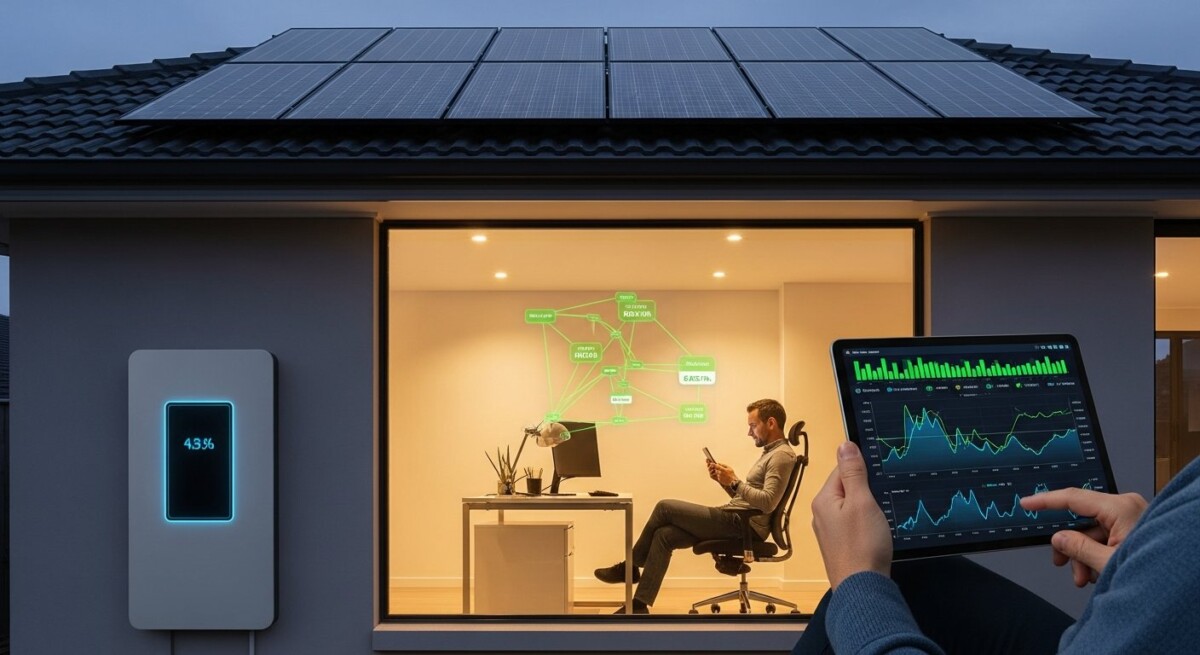
Have you watched your electricity bill climb higher each month? You’re not alone. Many homeowners are searching for ways to reduce their energy costs and become less dependent on the unpredictable power grid. This search often leads to a powerful solution: combining solar panels with advanced battery storage, now made smarter than ever with Artificial Intelligence (AI). Understanding how AI improves solar battery storage is key to unlocking maximum savings and energy independence for your home.
Understanding How AI Improves Solar Battery Storage
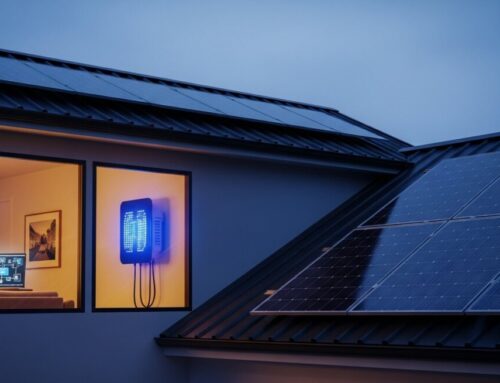
At its core, AI for solar battery storage is like having a brilliant, 24/7 energy manager for your home. It’s software that learns your habits, predicts the weather, and makes intelligent decisions about your stored solar power. This technology takes the guesswork out of energy management, ensuring your system works as efficiently as possible.
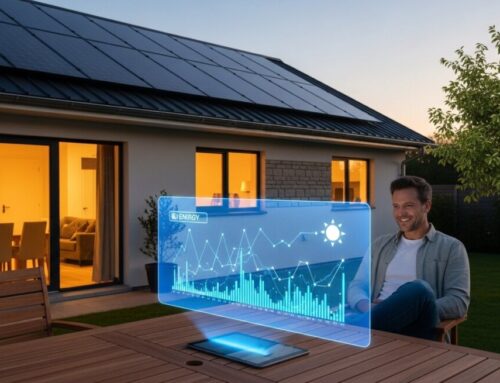
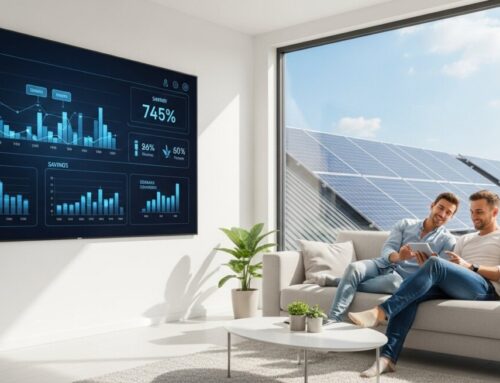
So, how does it work? The AI constantly analyzes a flood of data. It looks at your historical energy usage, real-time electricity rates from your utility, and hyper-local weather forecasts. Using this information, it decides the optimal times to charge your batteries from your solar panels, when to power your home from the battery, and even when to sell excess energy back to the grid for the highest profit.
This smart management is why more homeowners are considering AI-enhanced systems. It transforms a simple battery into a dynamic financial and energy asset. You’re not just storing power; you’re strategically deploying it to shield yourself from blackouts and peak-rate charges automatically.
Why Solar Energy Is Becoming More Popular
Homeowners are turning to solar power for several compelling reasons. First and foremost are rising electricity prices, which show no signs of stopping. Solar panels provide a predictable, fixed cost for a significant portion of your energy, protecting you from future rate hikes.
Environmental concerns are another major driver. By generating clean energy from the sun, you directly reduce your household’s carbon footprint. It’s a tangible step towards a more sustainable lifestyle that also offers long-term financial savings, creating a powerful win-win scenario.
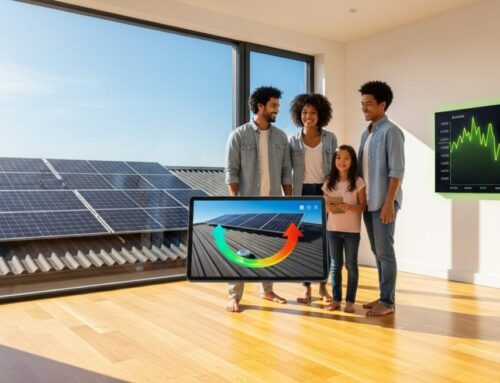
The desire for energy independence is also growing. Power outages from storms or grid failures are becoming more common. A solar-plus-battery system, especially one managed by AI, allows you to keep your lights on and your refrigerator running, providing invaluable peace of mind and security for your family.
If you are considering solar power for your home, comparing installation quotes can help you understand your options. Request a free solar quote or call to learn more.
Common Questions Homeowners Have About Solar
It’s normal to have questions before making a significant home upgrade like solar. The initial installation cost is often the biggest concern, but it’s crucial to view it as a long-term investment with substantial returns through bill savings and increased home value.
Many wonder if their roof is suitable. Professional installers conduct thorough assessments to evaluate sunlight exposure, roof angle, structural integrity, and potential shading. There are solutions for various roof types and orientations, making solar viable for most homes.
Questions about system performance are also common. Homeowners want to know if solar will generate enough power for their needs, especially on cloudy days. This is where pairing panels with a smart battery system becomes so valuable, as it stores excess sunny-day energy for later use. For a deeper look at the storage component, our article on solar battery banks explains their role as the future of home energy.
- How much will a solar system really cost after incentives?
- Is my roof strong enough and does it get enough sun?
- What happens during a power outage?
- How long will the system last, and what about maintenance?
- Will solar panels increase my property taxes or home insurance?
- How do I choose the right size system for my energy usage?
How Solar Panel Installation Works
The solar installation process is designed to be straightforward and managed by professionals from start to finish. It begins with a detailed consultation and energy assessment to understand your home’s specific needs and potential. This ensures the system design is perfectly tailored to you.
Once you approve the design, your installer handles all the necessary permits and approvals from your local government and utility company. This administrative step is critical for safety, compliance, and securing permission to connect your system to the grid.
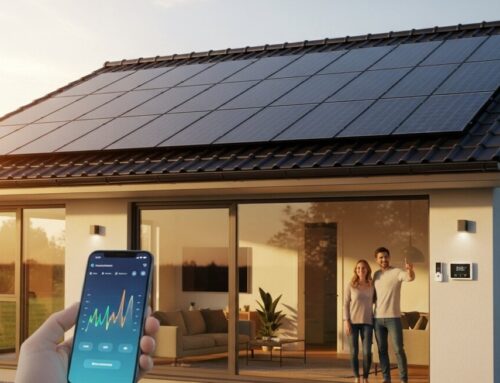
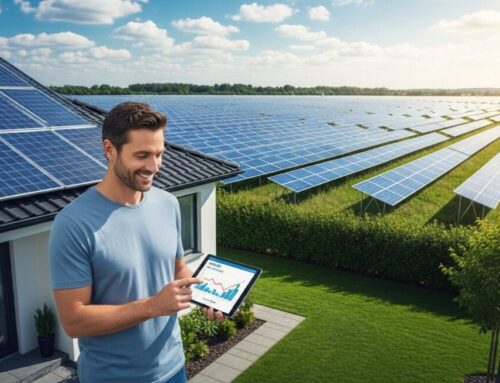
The final stages involve the physical installation of the panels and equipment, followed by inspections and system activation. Your installer will walk you through how to monitor your system’s performance, often through a simple smartphone app that shows your energy production and savings in real-time.
- Home Energy Assessment & Consultation
- Custom System Design & Proposal
- Permits & Utility Approvals
- Physical Installation of Panels & Equipment
- Final Inspections & System Activation
Speaking with experienced installers can help you determine the best solar solution for your home. Compare solar quotes here or call to explore available options.
Signs Your Home May Be Ideal for Solar
Certain home characteristics make solar panel installation particularly effective and financially rewarding. The most obvious is strong, unobstructed sunlight exposure on your roof for a significant part of the day. South-facing roofs are often ideal, but east and west-facing roofs can also work very well.
If you have high monthly electricity bills, solar can offer dramatic savings. The more you currently pay for power, the faster your solar investment typically pays for itself. Owning your home and planning to stay for several years allows you to fully realize the long-term financial benefits of the system.
- Your roof receives direct sunlight for most of the day, with minimal shading from trees or other structures.
- You have high or steadily increasing monthly electricity bills.
- You have a suitable roof area (typically 200+ square feet) that is in good condition.
- You own your home and plan to stay for 5-7 years or more to see the return on investment.
- You live in an area with good net metering policies or time-of-use electricity rates.
- You are motivated by energy independence, sustainability, or protecting against future rate hikes.
What Affects Solar Installation Costs
The total cost of a solar energy system depends on several key factors. The system’s size, measured in kilowatts (kW), is the primary driver,a larger system to power a bigger home with higher energy needs will cost more upfront but also delivers greater long-term savings.
Equipment quality and brand also influence price. Premium, high-efficiency solar panels and advanced batteries with AI software may have a higher initial cost but often come with better warranties, longer lifespans, and superior performance. The complexity of your roof (steep pitch, multiple levels) can affect labor costs.
Critically, you must factor in available government incentives and rebates. The federal solar tax credit can reduce your system cost by 30%, and many states and local utilities offer additional rebates or performance payments. A reputable installer will provide a clear cost breakdown that includes all these incentives.
The cost of solar installation varies depending on your home and energy needs. Request personalized solar quotes or call to see what options are available.
Tips for Choosing a Reliable Solar Installer
Selecting the right installer is as important as choosing the right equipment. Look for a company with extensive experience and a proven track record of successful installations in your local area. They will understand regional regulations, weather patterns, and incentive programs best.
Always check the warranties offered. A strong installer will back their workmanship with a warranty in addition to the manufacturer’s warranties on the panels and batteries. This protects your investment for decades to come. Reading verified customer reviews and asking for references can provide real-world insight into their reliability and customer service.
- Choose an installer with several years of experience and proper licensing/insurance.
- Review the details of their workmanship warranty alongside equipment warranties.
- Read customer reviews on independent third-party sites and ask for local references.
- Ensure they handle the entire process: permitting, installation, inspection, and interconnection.
- Get detailed, written quotes from at least three different companies to compare.
- Ask how they optimize system design, including the potential for AI-driven battery storage.
Long-Term Benefits of Installing Solar Panels
The long-term advantages of going solar extend far beyond the first month’s lower electric bill. Financially, you lock in a significant portion of your energy costs for 25 years or more, providing a powerful hedge against rising utility rates. This predictable energy expense translates into substantial savings over the life of the system.
Solar panels are also a proven home improvement that increases property value. Studies consistently show homes with solar panels sell faster and for more money than comparable homes without them. You also gain remarkable energy independence and resilience, especially when paired with a battery, allowing you to weather grid outages with confidence.
Perhaps most importantly, you contribute to a cleaner environment by reducing reliance on fossil fuels. This reduction in your household’s carbon footprint is a lasting benefit for your community and the planet. Combining solar with smart AI management, as detailed in our guide on how AI improves solar panel efficiency, maximizes all these benefits by ensuring every kilowatt-hour is used optimally.
How much can I really save with solar panels?
Savings depend on your local electricity rates, system size, and sunlight. Most homeowners see a reduction of 50-100% on their electric bill. Over 20-30 years, total savings often reach tens of thousands of dollars, far exceeding the system’s initial cost, especially with incentives.
Do I need a battery if I have solar panels?
You don’t absolutely need one, but a battery unlocks greater benefits. It provides backup power during outages and, when managed by AI, allows you to avoid buying expensive power from the grid during peak hours, maximizing your financial savings and energy independence.
What is the federal solar tax credit?
It’s a credit that allows you to deduct 30% of the cost of installing a solar energy system from your federal taxes. This applies to both solar panels and battery storage installed through 2032, significantly reducing the net cost of your investment.
How long do solar panels last?
High-quality solar panels are very durable and typically come with a 25-year performance warranty. They will continue to produce electricity well beyond that, though at a gradually decreasing efficiency. The inverters and batteries may need replacement once during the system’s lifespan.
What happens on cloudy days or at night?
Your system will produce less energy on cloudy days. At night, production stops. This is why being connected to the grid (net metering) or having a battery is essential. You draw power from the grid or your battery when your panels aren’t producing enough.
Can I install solar panels myself?
While DIY kits exist, professional installation is strongly recommended. Installers ensure the system is safe, meets all electrical and building codes, is properly permitted, and is eligible for warranties and incentives. Mistakes can be costly and dangerous.
Will solar panels damage my roof?
Professional installers actually protect your roof. They mount the panels using a system that seals penetration points. A reputable installer will inspect your roof first and recommend repairs if needed, and the panels can shield the covered portion of your roof from weather.
How do I maintain my solar panel system?
Solar systems require very little maintenance. Occasional cleaning with water to remove dust or debris is usually sufficient. Your installer and monitoring app will alert you to any performance issues. It’s wise to have a professional inspection every few years.
Investing in solar energy, especially when enhanced with intelligent battery storage, is one of the most impactful decisions a homeowner can make. It offers a clear path to reducing monthly bills, achieving long-term savings, and gaining energy security. By taking the time to research and compare detailed quotes from trusted local installers, you can find the perfect system to meet your home’s needs and start harnessing the power of the sun.