AI Solar Systems: Maximize Savings and Energy Independence
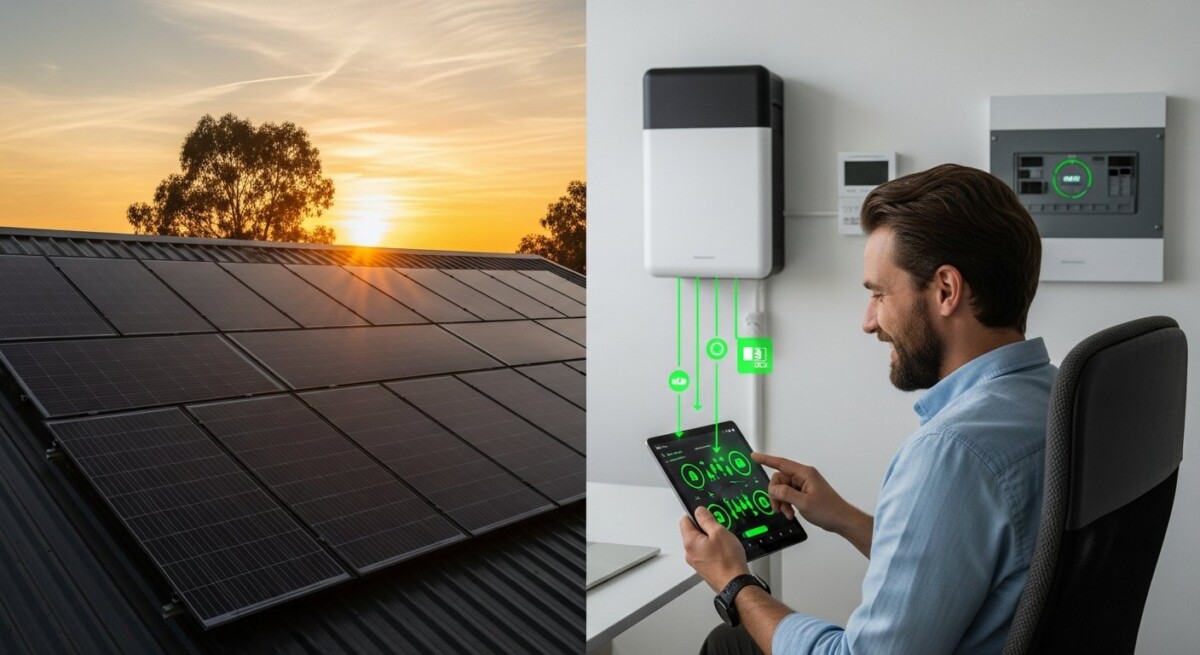
Have you watched your electricity bill climb higher each month? You’re not alone. Many homeowners are searching for a reliable way to reduce their energy costs and gain more control. AI-driven solar energy systems are emerging as a powerful solution, combining smart technology with clean power to slash bills and reduce grid dependence.
Understanding AI-Driven Solar Energy Systems
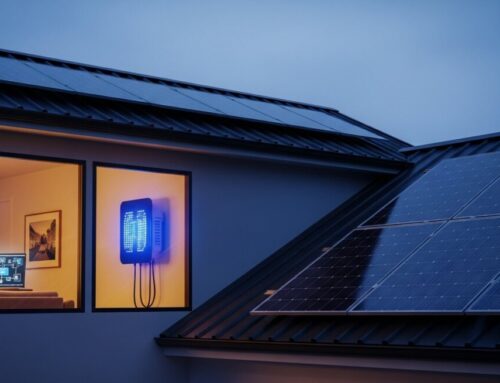
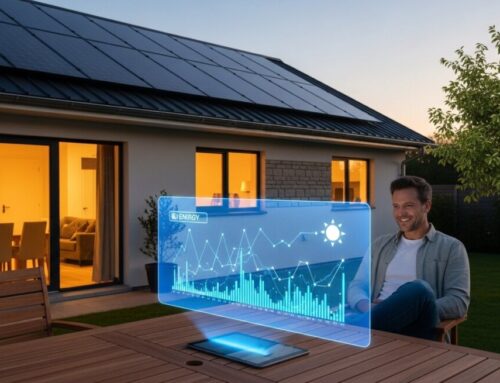
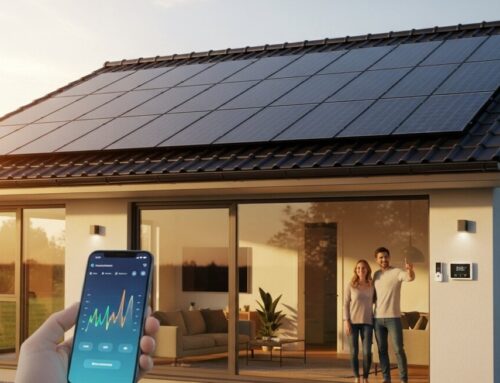
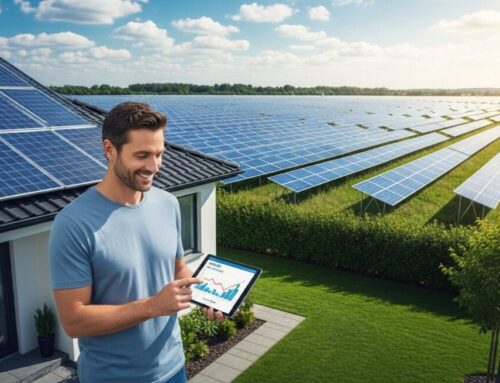
An AI-driven solar energy system is more than just panels on your roof. It’s an intelligent ecosystem designed to maximize your energy production and savings. At its core, it uses artificial intelligence software to analyze data from your solar panels, your home’s energy use, and even local weather forecasts.
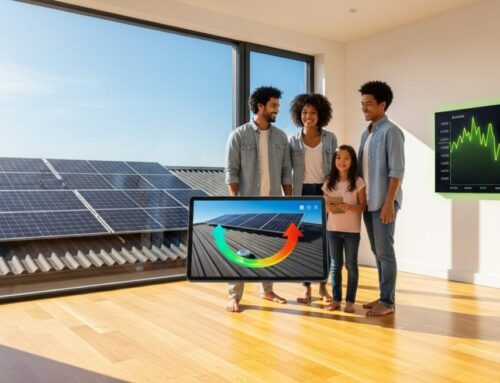
This smart technology makes real-time decisions to optimize your power. For instance, it can direct excess solar energy to charge a home battery for use at night, or sell it back to the grid when rates are highest. The goal is simple: get the most value from every bit of sunlight that hits your roof, automatically.
How Does the AI Component Work?
The AI acts as the brain of your solar system. It continuously learns your household’s unique energy patterns,when you wake up, run appliances, or are away from home. By predicting these habits and pairing them with solar production forecasts, it manages your energy flow with incredible precision, ensuring you use your own solar power before buying from the utility.
Why Solar Energy Is Becoming More Popular
Homeowners are turning to solar power for several compelling reasons. First and foremost are rising electricity prices, which make a fixed-cost solar system an attractive financial shield. Once your system is installed, a significant portion of your energy comes at a predictable, low cost for decades.
Beyond the wallet, environmental concerns are a major driver. Generating clean power from the sun reduces your household’s carbon footprint. Coupled with strong long-term savings and increasing system affordability, it’s a practical step toward a sustainable future.
If you are considering solar power for your home, comparing installation quotes can help you understand your options. Request a free solar quote or call to learn more.
Common Questions Homeowners Have About Solar
It’s normal to have questions before making such a significant home upgrade. Many wonder about the upfront investment and how long it will take to see a return. Others are concerned about whether their roof is suitable or what happens on cloudy days.
Professional installers are experts at addressing these concerns. They can provide clear explanations about system performance, financing options, and the real-world benefits you can expect. Getting detailed answers is a key part of making a confident decision.
- How much do solar panels cost, and are there financing options?
- Is my roof strong enough and does it get enough sun?
- Will the system work during power outages or bad weather?
- How much will I really save on my electric bill?
- What maintenance is required?
- Are there government tax credits or local rebates available?
How Solar Panel Installation Works
The installation process is handled by professionals from start to finish, making it straightforward for you. It begins with a detailed consultation and assessment of your home’s energy needs and physical characteristics. This ensures the system design is perfectly tailored for you.
From there, your installer manages the necessary permits and paperwork. The physical installation is typically completed in a few days, with minimal disruption to your household. Finally, the system is connected and activated, often with a simple inspection from your local utility company.
- Home Energy Assessment and Consultation
- Custom System Design and Proposal
- Permitting and Utility Approvals
- Physical Installation of Panels and Inverter
- Final Inspection and System Activation
Speaking with experienced installers can help you determine the best solar solution for your home. Compare solar quotes here or call to explore available options.
Signs Your Home May Be Ideal for Solar
Certain home characteristics make solar panels particularly effective. The most obvious is having a roof with strong, unobstructed sunlight exposure for most of the day. South-facing roofs in the Northern Hemisphere are often ideal, but east and west-facing roofs can also work very well.
Your current energy consumption is another major indicator. If you have high electricity bills, you have more potential savings to capture, which can improve the return on your investment. Homeowners planning to stay in their homes long-term can maximize the financial and environmental benefits.
- A roof with good southern, eastern, or western exposure.
- Minimal shading from trees or other structures.
- Consistently high monthly electricity bills.
- A roof in good condition with adequate space.
- Plans to own your home for 5+ years.
- A personal interest in energy independence and sustainability.
What Affects Solar Installation Costs
The final cost of your solar energy system depends on several factors. The size of the system, measured in kilowatts (kW), is the primary driver,larger systems for bigger homes cost more but also generate more savings. The quality and efficiency of the equipment you choose, like premium panels or a battery backup, also influence the price.
Installation complexity, such as a multi-story home or a tricky roof layout, can affect labor costs. Crucially, available government incentives, like the federal solar tax credit, and local utility rebates can significantly reduce your net cost. A trustworthy installer will provide a transparent breakdown of all these elements.
The cost of solar installation varies depending on your home and energy needs. Request personalized solar quotes or call to see what options are available.
Tips for Choosing a Reliable Solar Installer
Selecting the right installer is as important as choosing the right equipment. Look for a company with strong local experience, proper licensing, and certifications from organizations like NABCEP. They should offer robust warranties on both the equipment and their workmanship.
Always read customer reviews and ask for references. Most importantly, get detailed proposals from multiple installers. Comparing these quotes side-by-side is the best way to ensure you get a fair price and a system designed for your specific goals, not a one-size-fits-all package.
- Verify licenses, insurance, and industry certifications.
- Review the company’s local experience and project portfolio.
- Understand the full warranty coverage for parts and labor.
- Check independent customer reviews and ask for references.
- Get and compare detailed written quotes from 3-4 companies.
Long-Term Benefits of Installing Solar Panels
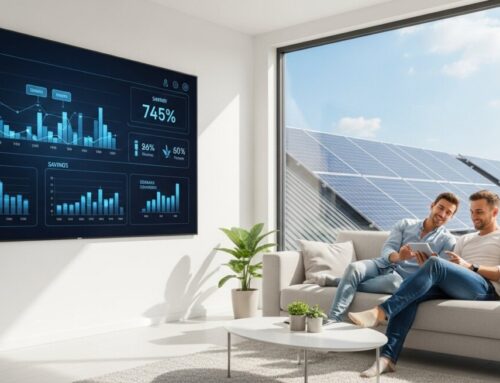
The long-term advantages of going solar extend far beyond the initial installation. The most immediate benefit is dramatically lower electricity bills, often reducing them by 50% to 100%. Over 25+ years, this adds up to tens of thousands of dollars in savings, protecting you from future rate hikes.
Solar panels also increase your property value and make your home more attractive to buyers. You’ll gain greater energy independence and security, and make a substantial positive impact on the environment by reducing fossil fuel reliance. It’s an investment that pays back in multiple ways for decades. For a deeper look at the daily impact, our article on how we use solar energy daily illustrates its seamless integration into home life.
How long do solar panels last?
Most high-quality solar panels come with a 25-year performance warranty, guaranteeing they will still produce a high percentage of their original power output at that age. The system itself can often continue generating electricity well beyond that timeframe, making it a truly long-term asset for your home.
What happens to solar power when the grid goes down?
Standard grid-tied systems shut off for safety during a blackout. However, if you pair your solar panels with a battery storage system, you can keep essential circuits in your home powered using the stored solar energy. This provides valuable backup power and enhances your energy independence.
Do I need to clean my solar panels?
In most climates, rainfall is sufficient to keep panels clean enough for efficient operation. In very dusty areas or places with little rain, occasional cleaning may be beneficial. Your installer can advise you based on your local conditions, but maintenance is generally minimal.
Can I install solar panels myself?
While DIY solar kits exist, professional installation is highly recommended. Installers ensure the system is correctly sized, safely installed, compliant with all electrical codes, and eligible for utility interconnection and government incentives. A mistake can be costly and even dangerous.
How do government incentives work?
The federal government offers a tax credit that allows you to deduct a significant percentage of your solar system cost from your federal taxes. Many states and local utilities offer additional rebates or performance incentives. Your solar installer should provide a full summary of all incentives you qualify for.
Will solar panels damage my roof?
Professional installers mount panels using a secure, non-penetrating racking system designed to protect your roof. In fact, the panels can shield the covered portion of your roof from weather elements. A reputable installer will also inspect your roof beforehand and recommend any needed repairs.
Exploring AI-driven solar energy is a smart step toward taking control of your energy costs and contributing to a cleaner planet. By understanding the technology, the benefits, and the process, you can make an informed decision. The best next step is to speak with qualified local installers and compare personalized quotes to find the right system for your home and budget.