Smart Solar Energy Systems: Save Money and Gain Energy Independence
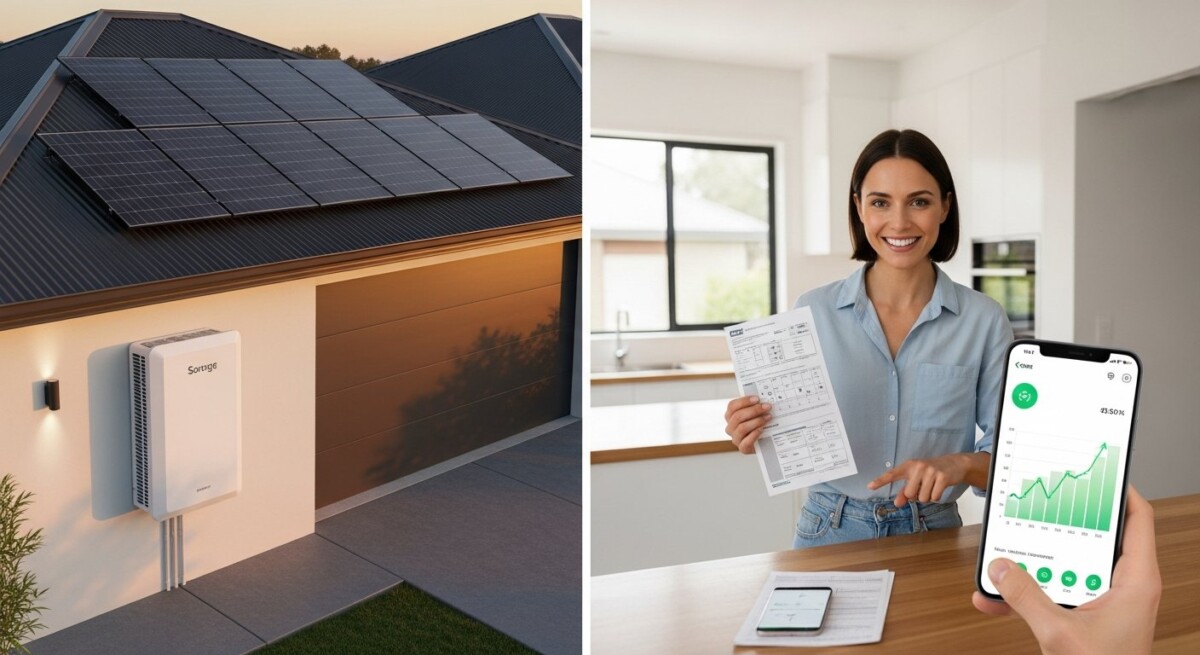
Imagine opening your monthly electricity bill and seeing a number far lower than what you are used to. For many homeowners, rising energy costs have turned a routine expense into a growing source of frustration. This is why more people are searching for smart solar energy systems , not just to cut costs, but to take control of their home’s power supply. A smart solar system can reduce your dependence on the grid and put money back in your pocket every month.
Understanding Smart Solar Energy Systems
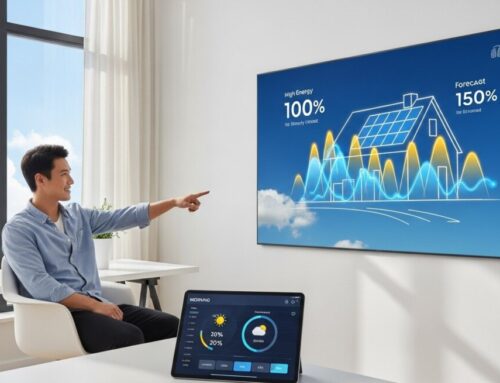
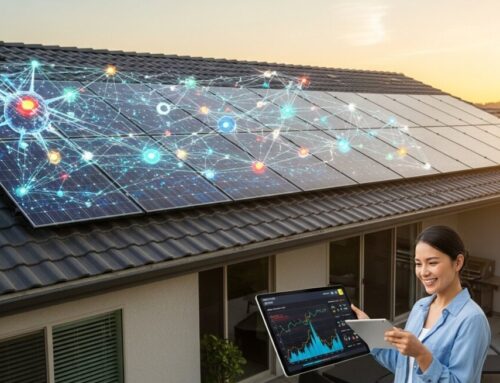
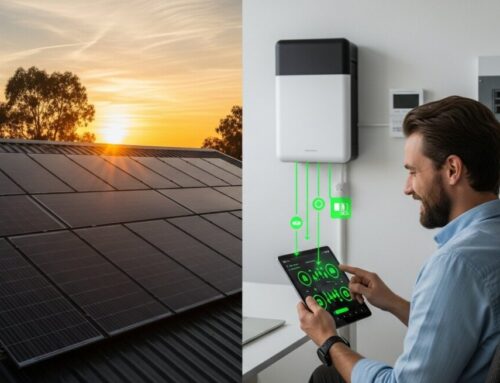
A smart solar energy system is more than just solar panels on your roof. It combines high-efficiency photovoltaic panels with intelligent monitoring software and often includes battery storage. This technology allows you to track your energy production in real time, optimize when you use electricity, and even store excess power for later use.
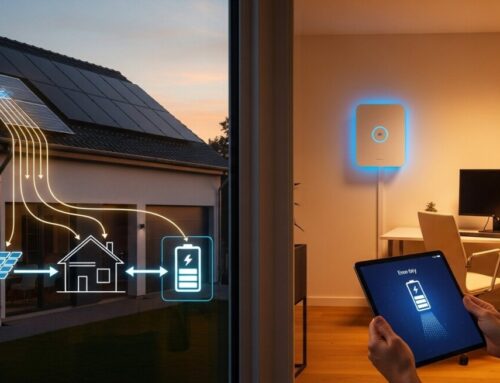
How does it work? During the day, your panels convert sunlight into direct current electricity. An inverter changes that into alternating current your home can use. Any extra power can be sent to the grid for credits or stored in a battery for nighttime use. More homeowners are choosing these systems because they offer transparency , you can see exactly how much energy you are saving.
What Makes a Solar System “Smart”?
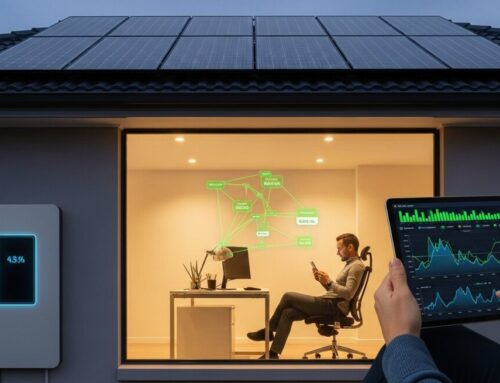
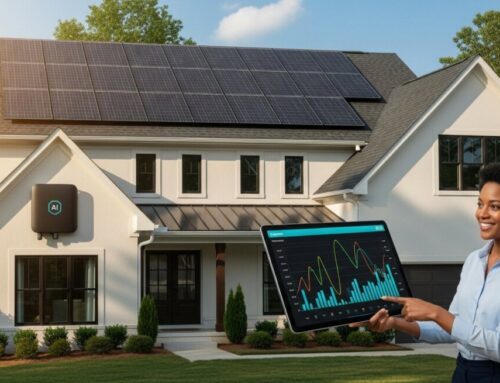
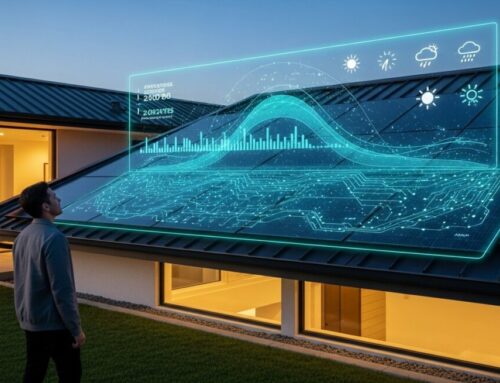
The “smart” part comes from the software and sensors that monitor your system’s performance. You can check your phone to see how much energy your panels generated today, how much your home used, and how much you saved. Some systems even learn your household’s patterns and adjust battery usage automatically to maximize savings.
Why Solar Energy Is Becoming More Popular
Electricity prices have risen steadily over the past decade, and many homeowners feel trapped by ever-increasing utility bills. Solar energy offers a way to lock in lower energy costs for decades. Once your system is paid off, your electricity is essentially free.
Environmental concerns are also driving interest. Solar power produces no greenhouse gas emissions during operation, making it one of the cleanest energy sources available. For families who want to reduce their carbon footprint, installing solar panels is a practical, visible step. And because solar systems can last 25 to 30 years, the long-term savings are substantial.
If you are considering solar power for your home, comparing installation quotes can help you understand your options. Request a free solar quote or call to learn more.
Common Questions Homeowners Have About Solar
Many homeowners hesitate to go solar because they are unsure about the upfront cost, whether their roof is suitable, or how the system will perform in cloudy weather. These are fair concerns, and the answers often depend on your specific home and local climate.
The good news is that professional installers can answer these questions during a free assessment. They will evaluate your roof’s age, angle, and shading to determine if solar is a good fit. Most modern systems are designed to perform well even on partly cloudy days.
- How much does a solar system cost for an average home?
- Will solar panels work on a shaded roof?
- What happens if my panels produce more electricity than I use?
- How long do solar panels last, and what maintenance do they need?
- Do I need to replace my roof before installing panels?
- Can I still use solar if I live in a rainy or snowy climate?
How Solar Panel Installation Works
Solar installation is a straightforward process when handled by experienced professionals. First, an installer visits your home to assess your energy needs and roof condition. Then they design a system tailored to your electricity usage and budget.
After you approve the design, the installer handles all permits and approvals. The actual installation usually takes one to three days, depending on the system size. Once the panels are mounted and connected, your utility company gives final approval, and you start generating your own power.
- Home energy assessment , Review your past bills and inspect your roof.
- System design , Create a custom layout and select equipment.
- Permits and approvals , Secure necessary permissions from your town and utility.
- Panel installation , Mount panels, run wiring, and set up the inverter.
- System activation , Final inspection and connection to the grid.
Speaking with experienced installers can help you determine the best solar solution for your home. Compare solar quotes here or call to explore available options.
Signs Your Home May Be Ideal for Solar
Not every home is equally suited for solar, but many are. The most important factor is sunlight exposure , roofs that face south or west with minimal shading tend to produce the most energy. Your location also matters, but solar works in most parts of the country.
Another strong indicator is high electricity bills. If you pay more than $100 per month on average, solar can likely save you money. In our guide on understanding solar energy quotes for homeowners, we explain how to compare offers and find the best fit for your budget.
- Your roof gets strong sunlight for most of the day.
- Your electricity bills are consistently high.
- You have adequate, unshaded roof space facing south or west.
- You plan to stay in your home for at least five to seven years.
- Your roof is in good condition and less than 15 years old.
- Your state or utility offers solar incentives or net metering.
What Affects Solar Installation Costs
Solar costs vary widely depending on the size of the system, the quality of the panels and inverters, and the complexity of your roof. A larger system that covers most of your electricity needs will cost more upfront but save more over time. High-efficiency panels also cost more but produce more power in limited roof space.
Installation complexity matters too. A simple, single-story roof is cheaper to work on than a steep, multi-story roof with multiple angles. Local incentives also play a big role , the federal solar tax credit currently covers 30% of your system cost, and many states offer additional rebates.
The cost of solar installation varies depending on your home and energy needs. Request personalized solar quotes or call to see what options are available.
Tips for Choosing a Reliable Solar Installer
Choosing the right installer is just as important as choosing the right equipment. A reputable company will take the time to understand your needs and explain your options clearly. They should also have proper licensing, insurance, and a track record of satisfied customers.
Always get multiple quotes before making a decision. This helps you compare prices, equipment choices, and warranties. If you want to learn more about how solar fits into daily life, check out our article on how do we use solar energy daily.
- Review the installer’s experience and years in business.
- Check what warranties are offered on panels, inverters, and workmanship.
- Read customer reviews on independent sites like Google or the Better Business Bureau.
- Compare at least three quotes to see pricing and equipment differences.
- Ask about financing options, including loans, leases, and power purchase agreements.
Long-Term Benefits of Installing Solar Panels
The most obvious benefit is lower electricity bills. Most homeowners see a 50% to 90% reduction in their monthly energy costs after going solar. Over 25 years, that adds up to tens of thousands of dollars in savings , money you can use for other priorities.
Solar panels also increase your home’s resale value. Studies show that homes with solar systems sell for more and faster than comparable homes without them. And because you are generating clean energy, you reduce your household’s carbon footprint by several tons each year. Energy independence means you are less affected by future rate hikes and grid outages.
How much does a typical home solar system cost?
After the federal tax credit, the average cost ranges from $10,000 to $20,000 for a standard 6- to 10-kilowatt system. Prices vary by location, equipment, and installer.
Will solar panels work during a power outage?
Standard grid-tied systems shut down for safety during an outage. If you add battery storage, you can keep essential appliances running when the grid goes down.
How long do solar panels last?
Most panels come with a 25-year performance warranty and continue producing power beyond that, though at a slightly reduced efficiency. Inverters may need replacement after 10 to 15 years.
Do I need to clean my solar panels?
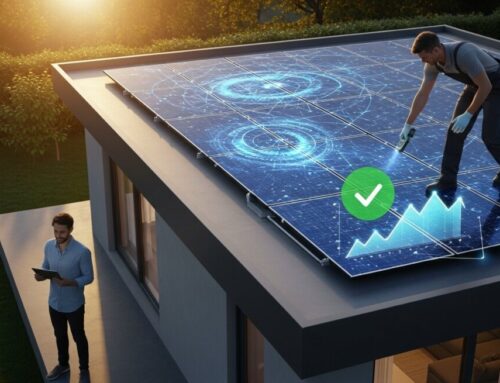
In most areas, rain is enough to keep panels clean. In dry or dusty climates, occasional rinsing with a hose can help maintain peak performance.
Can I install solar panels myself to save money?
DIY solar is possible but risky. Improper installation can void warranties, create safety hazards, and fail inspection. Professional installers ensure the system is safe, efficient, and eligible for incentives.
What is net metering?
Net metering is a billing arrangement where your utility credits you for excess electricity your panels send to the grid. It effectively allows you to use the grid as a free battery.
How much maintenance do solar panels require?
Solar panels have no moving parts and require very little maintenance. Most homeowners simply monitor their system through an app and schedule an occasional professional inspection.
Will solar increase my property taxes?
In most states, solar installations are exempt from property tax assessments, meaning your home value increases without a tax hike. Check your local rules to be sure.
Smart solar energy systems offer a reliable path to lower bills, greater energy independence, and a cleaner planet. The first step is simple: compare quotes from trusted installers to find the system that fits your home and budget. Take that step today and see what solar can do for you.