AI Solar vs Traditional Solar: Which Saves You More?
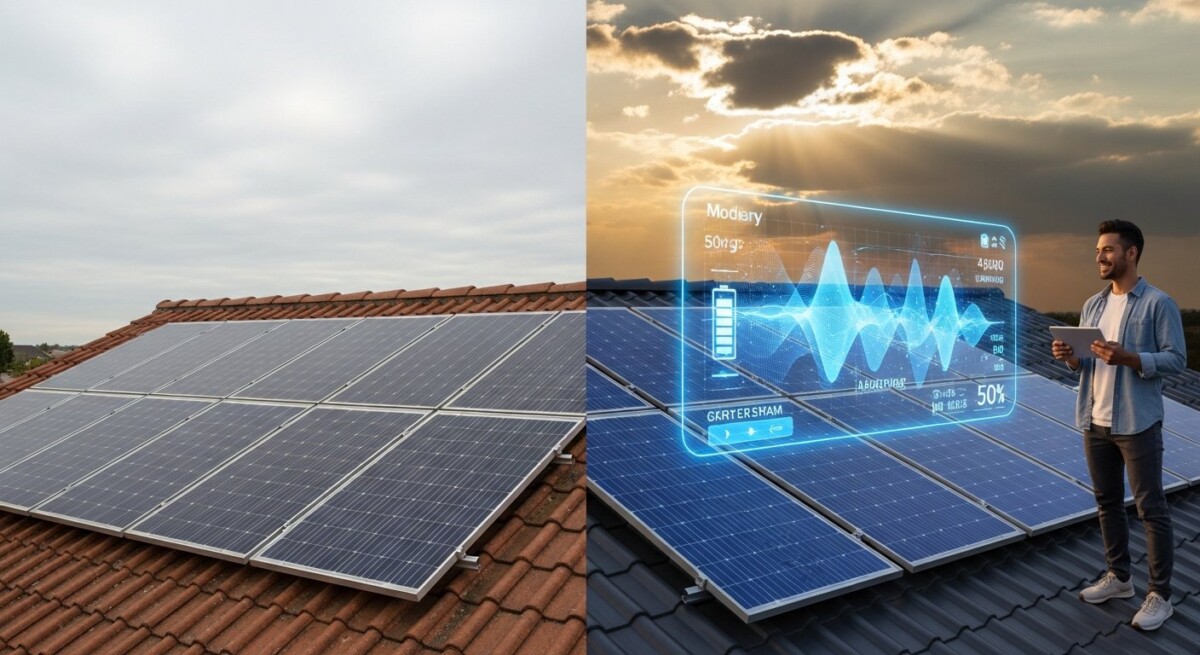
Your monthly electricity bill keeps climbing, and you have started wondering if there is a better way to power your home. Many homeowners now search for ai solar vs traditional solar systems because they want to reduce energy bills and gain more control over their electricity costs. Understanding the difference between these two options can help you decide which system makes the most sense for your household and your long-term savings goals.
Understanding ai solar vs traditional solar systems
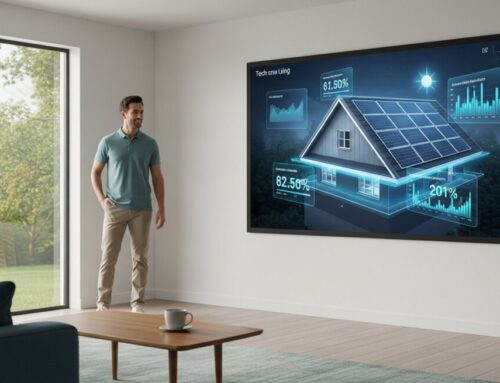
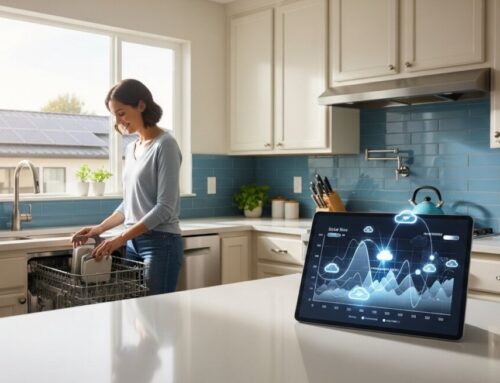
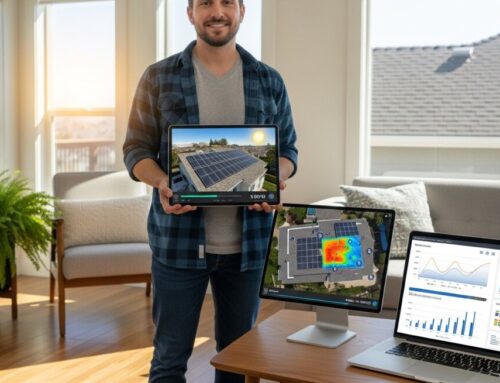
Traditional solar systems use panels and an inverter to convert sunlight into electricity for your home. They operate on a fixed schedule and produce power based on the weather and time of day, without any smart adjustments. An AI solar system adds intelligent software that monitors energy production, weather forecasts, and your home’s usage patterns in real time.
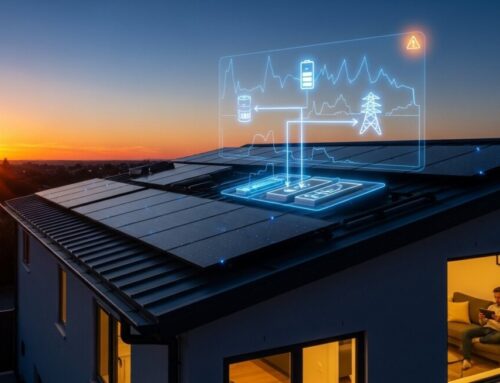
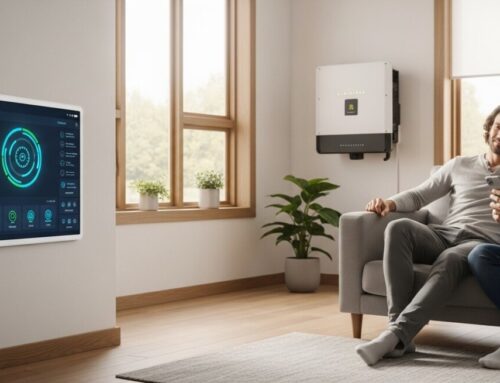
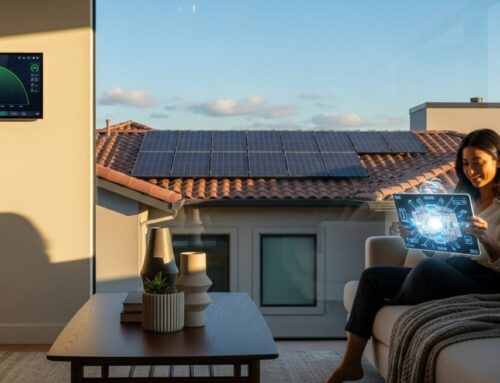
With ai solar vs traditional solar systems, the main difference is adaptability. AI-powered systems can predict when clouds will roll in and shift energy storage accordingly. They also learn when you use the most electricity and optimize battery charging and discharging to maximize savings. In our guide on how AI monitors solar systems in real time for savings, we explain how this technology automatically adjusts your system to reduce waste and lower bills.
More homeowners are considering AI solar because it offers greater efficiency without requiring manual effort. Instead of guessing when to run appliances or charge a battery, the system handles those decisions for you. This hands-off approach appeals to families who want solar power without the complexity of managing it themselves.
Why Solar Energy Is Becoming More Popular
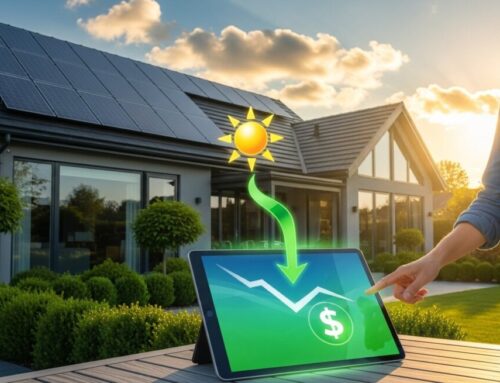
Electricity rates have risen steadily over the past decade, and many households now pay hundreds of dollars more each year than they did five years ago. Solar energy offers a way to lock in lower rates and protect your budget from future price increases. At the same time, growing awareness about climate change has pushed more homeowners to seek clean energy sources that reduce their carbon footprint.
Long-term savings remain the biggest motivator for most families. Solar panels typically pay for themselves within six to ten years, then continue producing free electricity for decades after that. Federal tax credits and local rebates can cut the upfront cost by 30 percent or more, making solar more affordable than ever. If you are considering solar power for your home, comparing installation quotes can help you understand your options. Request a free solar quote or call to learn more.
Common Questions Homeowners Have About Solar
Many people worry that solar panels cost too much or require a perfectly sunny roof. In reality, financing options like solar loans and leases make installation accessible for most budgets. Even roofs with partial shade can still generate significant savings, especially with modern panel technology and microinverters.
Another frequent question is whether solar works during cloudy days or winter months. Solar panels do produce less power in low light, but they still generate electricity on overcast days. Net metering programs allow you to earn credits for extra power your system sends to the grid, which you can use when production is lower.
- How much does a typical home solar system cost?
- Will solar panels work on my roof type and age?
- How long do solar panels last before needing replacement?
- Do I need a battery with my solar system?
- What happens if my panels produce more power than I use?
- Are there government incentives available for my state?
How Solar Panel Installation Works
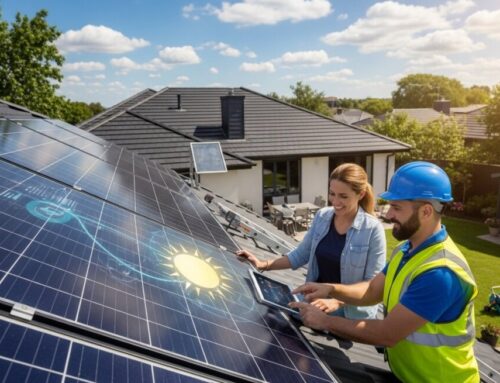
The installation process begins with a professional home energy assessment. An installer reviews your electricity bills, measures your roof, and checks for shading or structural issues. They use this information to design a system that matches your energy goals and fits your property.
After you approve the design, the installer handles all permits and approvals with your local utility and city government. This step ensures your system meets safety codes and qualifies for net metering. The actual panel installation usually takes one to three days, depending on system size and roof complexity.
- Home energy assessment and bill review
- Custom system design and equipment selection
- Permit applications and utility approvals
- Panel mounting and electrical wiring
- System testing and final activation
Speaking with experienced installers can help you determine the best solar solution for your home. Compare solar quotes here or call to explore available options.
Signs Your Home May Be Ideal for Solar
Not every home is perfectly suited for solar panels, but many are. The most important factor is strong sunlight exposure, usually on a south-facing roof with little to no shade from trees or nearby buildings. Homes in sunny states like Arizona, California, and Texas often see the fastest payback periods.
High electricity bills are another strong indicator that solar would benefit you. If your monthly bill exceeds $100, solar can likely reduce that amount significantly. Additionally, if you plan to stay in your home for at least five more years, you will have time to fully recoup your investment through energy savings.
- Your roof receives direct sunlight for most of the day
- Your monthly electric bill is consistently high
- You have adequate roof space without obstructions
- You plan to live in your home for several more years
- Your local utility offers net metering or time-of-use rates
- Your state provides additional rebates or tax incentives
What Affects Solar Installation Costs
The size of your solar system is the biggest cost factor. A larger system with more panels will produce more electricity but also costs more upfront. Equipment quality also matters,premium panels and inverters last longer and perform better, though they come at a higher price.
Installation complexity can drive costs up as well. Roofs with multiple angles, skylights, or unusual materials require more labor and specialized mounting hardware. Local incentives and tax credits can offset a significant portion of these expenses, so it pays to research what is available in your area.
The cost of solar installation varies depending on your home and energy needs. Request personalized solar quotes or call to see what options are available.
Tips for Choosing a Reliable Solar Installer
Finding a trustworthy installer is just as important as choosing the right equipment. Experienced companies have a track record of completing projects on time and standing behind their work. They also handle permits and paperwork correctly, which prevents delays and ensures you receive all eligible incentives.
When you compare quotes, look at more than just the total price. Review the warranty terms, panel brand, and inverter type included in each proposal. A slightly more expensive quote with better warranties and higher-efficiency panels often delivers greater long-term value.
- Look for installers with at least five years of experience
- Check that they offer both equipment and workmanship warranties
- Read customer reviews on independent platforms like Google or Yelp
- Request at least three quotes to compare pricing and equipment
- Ask about their process for handling permits and utility approvals
- Verify they are licensed, bonded, and insured in your state
Long-Term Benefits of Installing Solar Panels
Lower electricity bills are the most immediate benefit you will notice after installing solar panels. Over twenty years, the average homeowner saves between $20,000 and $40,000, depending on local electricity rates and system size. Those savings can fund other home improvements or retirement goals.
Solar panels also increase your home’s resale value. Studies show that homes with solar sell for about 4 percent more than comparable homes without it. Beyond financial gains, you gain energy independence and reduce your household’s reliance on fossil fuels. For a closer look at how these systems compare, see our AI solar system comparison to maximize your savings.
FAQs
What is the difference between AI solar and traditional solar?
Traditional solar systems produce power based on fixed settings and weather conditions. AI solar systems use smart software to analyze energy usage, weather forecasts, and grid pricing in real time. This allows AI solar to automatically adjust battery charging, storage, and consumption timing for maximum savings.
How much can I save with an AI solar system compared to traditional solar?
AI solar systems typically save homeowners 10 to 30 percent more than traditional systems by optimizing when power is used and stored. Exact savings depend on your utility rate plan, home energy habits, and local weather patterns. Comparing quotes from multiple installers will give you a clearer picture of potential savings.
Do AI solar systems require special maintenance?
No, AI solar systems require the same basic maintenance as traditional solar panels. You should keep panels clean and schedule an annual inspection to check wiring and connections. The AI software updates automatically and does not need any special attention from homeowners.
Can I add AI technology to my existing solar system?
In many cases, yes. Some manufacturers offer AI-enabled inverters or energy management devices that can be retrofitted to older systems. However, compatibility depends on your current equipment and wiring. An experienced installer can evaluate your setup and recommend the best upgrade path.
How long do AI solar panels last?
The panels themselves last 25 to 30 years, just like traditional solar panels. The AI components, such as smart inverters and monitoring software, typically come with 10- to 20-year warranties. The software platform is supported and updated for the lifespan of the hardware.
Are there government incentives for AI solar systems?
Yes, AI solar systems qualify for the same federal solar tax credit as traditional systems, which currently covers 30 percent of installation costs. Some states and utilities also offer additional rebates for smart energy management equipment. Check with local installers for specific incentives in your area.
Will AI solar work during a power outage?
If your AI solar system includes a battery, it can power essential appliances during an outage. Without a battery, most grid-tied solar systems shut off automatically for safety. AI systems with batteries can prioritize which circuits to keep running based on your preset preferences.
How do I know if AI solar is worth the extra cost?
AI solar systems cost 10 to 20 percent more upfront than traditional systems. If you have time-of-use electricity rates, a battery, or high energy consumption, the extra efficiency often pays for itself within three to five years. Requesting quotes for both options will help you calculate the payback period for your home.
Choosing between ai solar vs traditional solar systems comes down to your budget, energy needs, and how much automation you want. Both options can lower your electricity bills and reduce your carbon footprint. The best way to make an informed decision is to compare quotes from multiple professional installers who can assess your home and recommend the right setup for your situation.