Solar Energy For Large Scale Solar Farms: Cut Bills Now
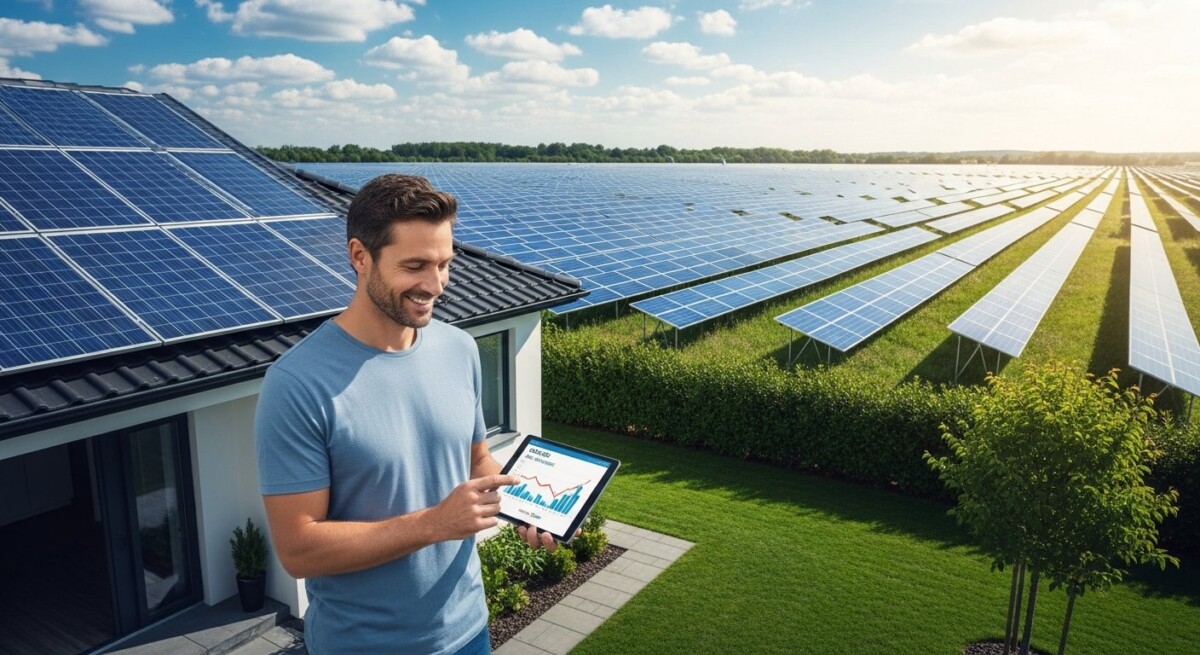
Your monthly electricity bill keeps climbing, and you wonder if there is a way to stop the trend. Many homeowners are now looking at solar energy for large scale solar farms as a model for home savings. The idea of reducing energy bills and becoming less dependent on the power grid is more appealing than ever. Understanding how this technology works can help you make a confident decision about solar panel installation for your own home.
Understanding Solar Energy For Large Scale Solar Farms
Large scale solar farms are vast fields of solar panels that generate electricity for the grid. They use the same photovoltaic (PV) technology found on residential rooftops, just on a much bigger scale. When sunlight hits the panels, it creates direct current (DC) electricity, which is then converted to alternating current (AC) by inverters. This AC power flows into the local utility network, supplying clean energy to thousands of homes.
Homeowners are increasingly interested in this technology because it proves that solar energy is reliable and cost-effective. If a massive solar farm can deliver affordable power to an entire community, a smaller home system can certainly offset your personal electricity use. The same principles of net metering and energy storage apply, making residential solar a practical extension of what works on an industrial scale.
How Residential Solar Mirrors Utility-Scale Systems
Your home solar system uses the same core components as a large solar farm: panels, inverters, and monitoring equipment. The main difference is size and complexity. While a utility farm might cover hundreds of acres, your rooftop system is sized precisely to match your household consumption. Professional installers design your array to maximize sun exposure, just as engineers optimize panel placement for a solar farm. This design precision ensures you get the highest possible return on your investment.
Why Solar Energy Is Becoming More Popular
Rising electricity prices are the number one reason homeowners switch to solar. Every year, utility rates increase, but a solar system locks in a predictable energy cost for decades. Environmental concerns also drive adoption, as solar power produces no greenhouse gases during operation. Homeowners want to reduce their carbon footprint without sacrificing comfort or convenience.
Long-term savings are the most compelling argument. A well-designed solar system can pay for itself within six to ten years, then deliver free electricity for another fifteen to twenty years. Government incentives and rebates further sweeten the deal, lowering the upfront cost significantly. The combination of financial and environmental benefits makes solar an attractive choice for budget-conscious families.
If you are considering solar power for your home, comparing installation quotes can help you understand your options. Request a free solar quote or call to learn more.
Common Questions Homeowners Have About Solar
Cost is usually the first concern. Many people assume solar panels are too expensive, but prices have dropped dramatically over the past decade. Federal tax credits and state rebates can reduce the total cost by thirty percent or more. Financing options like solar loans and leases make installation affordable with little or no money down.
Roof suitability is another frequent question. South-facing roofs with minimal shade are ideal, but east and west exposures also work well. A professional installer will evaluate your roof’s age, material, and structural integrity before recommending a system. If your roof needs replacement, you can combine that project with solar installation for efficiency.
System performance depends on weather, panel orientation, and local sunlight. Modern panels are highly efficient and produce power even on cloudy days. Monitoring software lets you track your production and consumption in real time, so you always know how your system is performing.
- Will solar work during a power outage? Only with battery storage.
- How long do panels last? Typically 25 to 30 years.
- Do panels require maintenance? Minimal cleaning and periodic inspections.
- Will solar increase my property taxes? In many states, solar exemptions apply.
- Can I add more panels later? Yes, if your inverter and roof space allow.
- What happens if I move? Solar can increase home resale value.
How Solar Panel Installation Works
The process begins with a free home energy assessment. An installer reviews your past electricity bills, measures your roof, and discusses your energy goals. They then design a system tailored to your consumption and budget. This design includes panel placement, inverter selection, and any needed electrical upgrades.
Once you approve the design, the installer handles all permits and approvals from your local utility and building department. This step can take a few weeks, but it ensures your system meets safety and interconnection standards. After permits are secured, the installation team mounts the panels, connects the wiring, and sets up the monitoring system. The final step is system activation and a final inspection by the utility.
- Home energy assessment and bill analysis.
- Custom system design and equipment selection.
- Permit applications and utility approvals.
- Panel mounting and electrical installation.
- System testing, inspection, and activation.
Speaking with experienced installers can help you determine the best solar solution for your home. Compare solar quotes here or call to explore available options.
Signs Your Home May Be Ideal for Solar
Homes with strong, unobstructed sunlight exposure are the best candidates. If your roof gets direct sun from mid-morning to late afternoon, you have excellent solar potential. High electricity bills are another strong indicator,if you pay more than $100 per month, solar can likely save you money.
Suitable roof space is essential. A typical home needs about 300 to 500 square feet of usable roof area for a standard system. If you plan to stay in your home for at least five more years, the long-term savings will outweigh the upfront cost. Local incentives in your area can also make a good candidate even better.
- South-facing roof with minimal shade.
- Monthly electricity bills above $100.
- At least 300 square feet of usable roof space.
- Plans to stay in your home for five years or more.
- Good roof condition with at least ten years of life remaining.
- Access to net metering or other utility incentives.
What Affects Solar Installation Costs
System size is the primary cost driver. Larger systems that cover more of your electricity use will cost more upfront but deliver greater long-term savings. Equipment quality also matters,premium panels and inverters cost more but offer higher efficiency and longer warranties.
Installation complexity can increase labor costs. Complex roof angles, multiple stories, or old electrical panels may require extra work. Local incentives and rebates can offset these costs significantly. In our guide on AI Tools for Solar Energy: Save More on Your Electric Bill, we explain how smart technology can help you maximize savings and system performance.
The cost of solar installation varies depending on your home and energy needs. Request personalized solar quotes or call to see what options are available.
Tips for Choosing a Reliable Solar Installer
Experience matters. Look for an installer who has been in business for several years and has completed many residential projects. Check their certifications, such as NABCEP (North American Board of Certified Energy Practitioners). A reputable installer will stand behind their work with solid warranties on both equipment and labor.
Customer reviews and references give you insight into the installer’s reliability and customer service. Read online reviews on sites like Google, Yelp, and the Better Business Bureau. Always compare multiple quotes from different companies to ensure you are getting fair pricing and the best system design for your home.
- Review installer experience and certifications.
- Check warranty terms for panels, inverters, and workmanship.
- Read customer reviews and ask for references.
- Compare at least three detailed quotes before deciding.
- Ask about financing options and incentive handling.
Long-Term Benefits of Installing Solar Panels
Lower electricity bills are the most immediate benefit. Once your system is paid off, your monthly energy cost drops to near zero, depending on your usage and net metering policy. Over twenty-five years, the savings can total tens of thousands of dollars. Increased home value is another major advantage,studies show that homes with solar panels sell for more than comparable non-solar homes.
Reduced environmental impact gives you peace of mind. Every kilowatt-hour of solar power avoids carbon emissions that would come from fossil fuels. Energy independence means you are less affected by utility rate hikes and grid outages, especially when paired with battery storage. For homeowners who want to take control of their energy future, solar is a proven solution. Learn more about smart solar technology in our article on Ai Solar Energy: Slash Bills With Smart Solar Tech.
Frequently Asked Questions
How much can I save with solar panels?
Savings vary based on your location, electricity rates, and system size. On average, homeowners save between $10,000 and $30,000 over the lifetime of their solar system. Federal and local incentives can increase these savings significantly.
Do solar panels work in cloudy or cold climates?
Yes, solar panels still produce electricity on cloudy days, though at reduced efficiency. Cold temperatures can actually improve panel performance. Modern panels are designed to capture diffuse light, so they work in most climates.
How long does solar panel installation take?
The physical installation typically takes one to three days. The entire process from assessment to activation usually takes four to eight weeks, depending on permit processing and utility approvals. Delays are often due to paperwork, not installation.
What maintenance do solar panels require?
Solar panels require very little maintenance. Rain usually keeps them clean, but in dry areas, occasional rinsing with a hose can remove dust and debris. Inspect the system annually and after major storms to ensure all components are working.
Will solar panels damage my roof?
Properly installed solar panels do not damage your roof. Installers use mounting systems that attach to the roof structure and seal all penetrations. In fact, panels can protect the roof area they cover from sun and rain, extending its lifespan.
Can I go off-grid with solar panels?
Going completely off-grid is possible but requires a large battery bank and a system sized for year-round consumption. Most homeowners choose grid-tied systems with net metering, which allows you to sell excess power and buy from the grid when needed.
What happens when my solar panels produce more power than I use?
Excess power is sent back to the grid under net metering agreements. Your utility credits you for this power, which you can use when your system is not producing, such as at night. This arrangement maximizes your savings.
How do I choose between different solar panel brands?
Focus on efficiency, warranty, and cost. Top brands offer 25-year performance warranties and high efficiency ratings. Your installer can recommend brands that perform well in your specific climate and meet your budget.
Solar energy for large scale solar farms proves that this technology is reliable and cost-effective, and the same principles apply to your home. By comparing solar installation quotes, you can find a system that lowers your bills, increases your home value, and reduces your environmental impact. Take the first step today,request free quotes from trusted installers and see how much you can save.