Can AI Reduce Solar Costs for Homeowners?
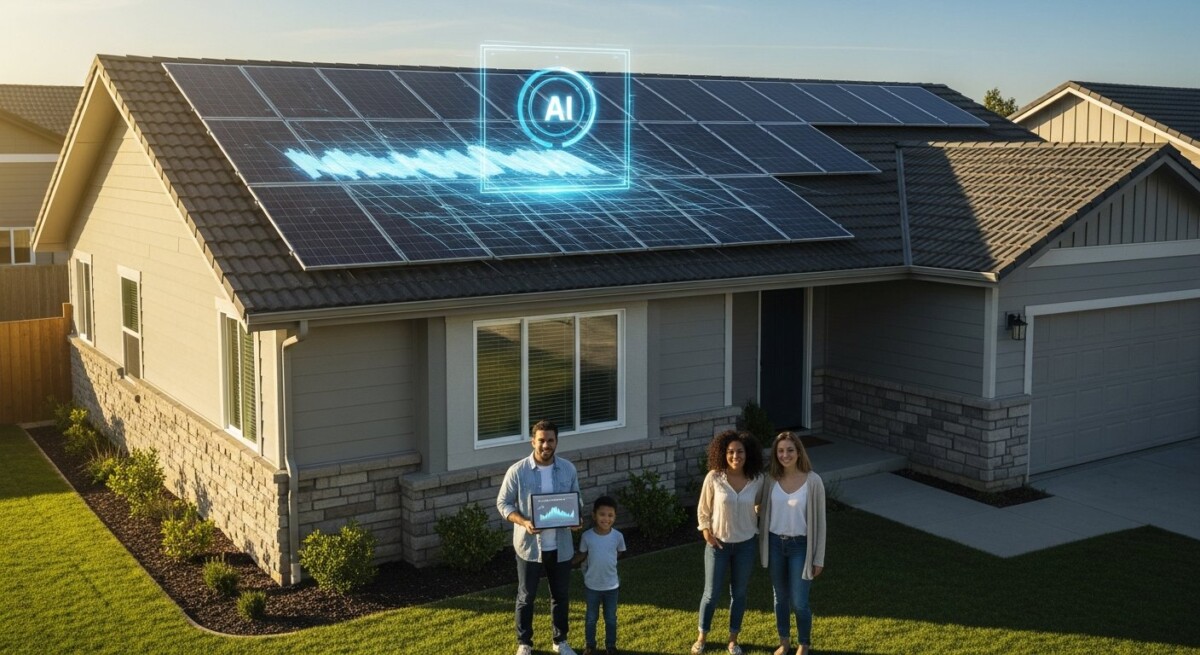
You open your monthly electricity bill and feel that familiar pinch. Rates keep climbing, and it seems like there is no end in sight. This is why so many homeowners are now searching for answers to the question: can AI reduce solar costs? The idea of slashing your energy bills and gaining independence from the power grid is incredibly appealing. Advances in technology, especially artificial intelligence, are making that dream more affordable than ever before.
Understanding Can AI Reduce Solar Costs
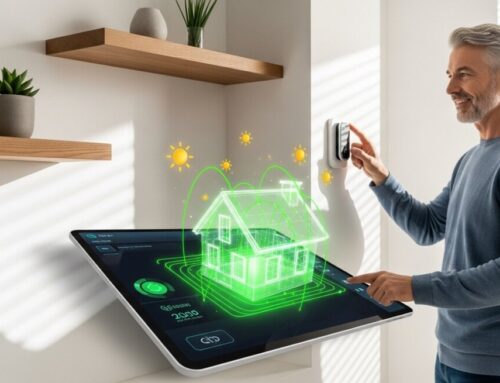
Artificial intelligence is simply a computer system that can learn and make decisions. In the solar world, AI helps design systems that generate the most electricity for your specific home. It also predicts weather patterns and optimizes how your panels work in real time.
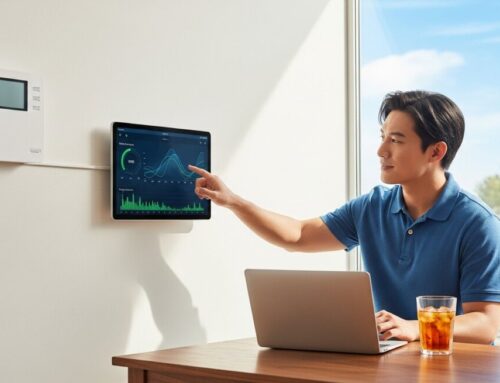
These smart systems reduce waste and improve efficiency. When your solar setup runs at peak performance, you get more energy from fewer panels. That directly lowers your upfront installation costs and your long-term electricity bills. More homeowners are turning to AI-powered tools because they remove guesswork and deliver reliable savings.
How AI Actually Works in Solar Design
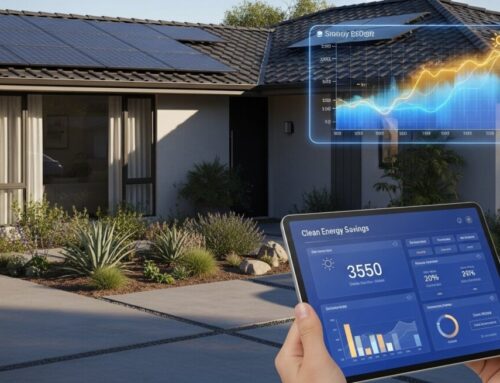
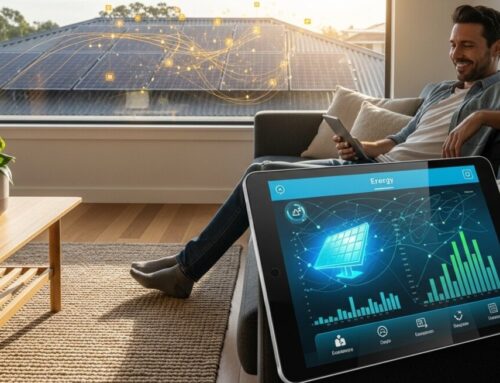
AI analyzes satellite images of your roof, local weather data, and your past energy usage. It then creates a custom solar plan that maximizes sunlight capture throughout the year. This means you avoid paying for panels that produce less power than expected.
Why Solar Energy Is Becoming More Popular
Electricity prices have risen steadily over the past decade, and there is no sign of them dropping. At the same time, more people want to reduce their carbon footprint and live sustainably. Solar power offers a practical way to address both concerns at once.
Installing solar panels also locks in your energy costs for decades. Instead of paying a utility company that raises rates every year, you generate your own power. Over time, that switch can save you tens of thousands of dollars. For many homeowners, the combination of financial and environmental benefits makes solar an easy choice.
If you are considering solar power for your home, comparing installation quotes can help you understand your options. Request a free solar quote or call to learn more.
Common Questions Homeowners Have About Solar
Most people have heard that solar panels can save money, but they worry about the upfront cost. The truth is that federal tax credits, state rebates, and net metering programs can cut your initial expense by 30% or more. Many homeowners also qualify for zero-down financing options.
Another common concern is whether a roof can support panels. A professional installer will inspect your roof’s age, material, and angle during a free assessment. They can also recommend upgrades if needed, ensuring your system performs well for decades.
- How much does a typical solar system cost after incentives?
- Will solar panels work during cloudy days or winter months?
- How long do solar panels last, and what maintenance do they need?
- What happens to my electricity bill if I generate more power than I use?
- Do solar panels increase my property taxes or home insurance?
- How do I choose between buying and leasing solar panels?
How Solar Panel Installation Works
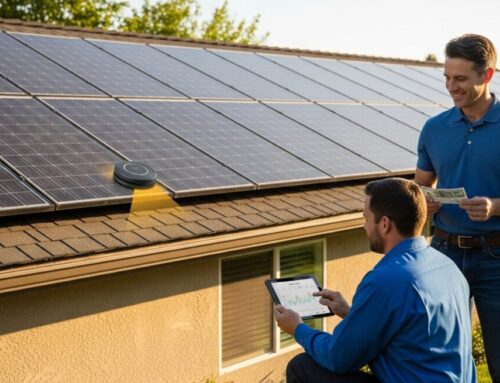
The installation process is simpler than most homeowners expect. It starts with a home energy assessment, where an installer reviews your roof and electricity usage. Then they design a system that meets your specific needs and budget.
After you approve the design, the installer handles all permits and approvals with your local government and utility company. The actual panel installation usually takes one to three days. Once everything is connected and inspected, your system is activated and starts generating power immediately.
- A professional conducts a thorough home energy assessment.
- The installer designs a custom solar system using AI tools.
- Permits and approvals are secured on your behalf.
- Panels and inverters are installed on your roof.
- The system is connected to the grid and activated.
Speaking with experienced installers can help you determine the best solar solution for your home. Compare solar quotes here or call to explore available options.
Signs Your Home May Be Ideal for Solar
Not every home is perfectly suited for solar, but many are. If your roof gets strong sunlight for most of the day, you are already in a great position. Homes with south-facing roofs and minimal shading from trees or buildings tend to perform best.
Your current electricity bill is another strong indicator. If you pay more than $100 per month, solar can likely save you money. Also, if you plan to stay in your home for at least five more years, the investment almost always pays off.
- Your roof receives at least five hours of direct sunlight daily.
- Your monthly electricity bills are consistently high.
- You have enough usable roof space with good structural condition.
- You intend to live in your home for several more years.
- Your local utility offers net metering or other solar incentives.
- Your roof is less than 10 years old or in good shape.
What Affects Solar Installation Costs
The size of your solar system is the biggest factor in cost. A larger system that covers 100% of your electricity needs will cost more upfront, but it also delivers greater long-term savings. Equipment quality also matters,premium panels are more efficient but cost more than standard ones.
Installation complexity can drive up prices too. A simple roof with easy access costs less to work on than a steep or multi-story roof. The good news is that federal and state incentives can reduce your final price by thousands of dollars, making high-quality systems more accessible.
The cost of solar installation varies depending on your home and energy needs. Request personalized solar quotes or call to see what options are available.
Tips for Choosing a Reliable Solar Installer
Not all solar companies are created equal. A trustworthy installer will be licensed, insured, and have a proven track record. They should also offer clear warranties on both the equipment and their workmanship.
Reading customer reviews on sites like Google and the Better Business Bureau gives you real insight into an installer’s reliability. Comparing multiple quotes is the best way to find fair pricing and quality service. In our guide on can AI reduce solar costs for your home, we explain how AI tools help you compare options.
- Verify the installer’s licenses and insurance coverage.
- Ask about product and workmanship warranties in writing.
- Read recent online reviews from local homeowners.
- Request at least three detailed quotes for comparison.
- Confirm the installer uses high-quality, certified equipment.
Long-Term Benefits of Installing Solar Panels
Lower electricity bills are the most immediate benefit of going solar. Most homeowners see a 50% to 90% reduction in their monthly energy costs starting from day one. Over 20 or 25 years, those savings can amount to $20,000 or more.
Solar panels also increase your home’s resale value. Studies show that homes with solar systems sell faster and for higher prices than comparable homes without them. You also gain energy independence, protect yourself from rising utility rates, and reduce your environmental impact by using clean, renewable power.
Frequently Asked Questions
How does AI help lower the cost of solar panels?
AI optimizes system design by analyzing your roof, local weather, and energy usage. This ensures you install the right number of panels for maximum efficiency. Less waste means lower upfront costs and higher long-term savings.
Can I really save money with solar panels?
Yes, most homeowners save between $10,000 and $30,000 over the life of their solar system. Federal tax credits and state incentives further reduce the initial investment. Many people also eliminate or significantly reduce their monthly electricity bills.
What is the average cost of solar installation in 2025?
The average cost ranges from $15,000 to $25,000 before incentives. After the 30% federal tax credit, that drops to roughly $10,500 to $17,500. Prices vary based on system size, equipment, and your location.
Do solar panels work on cloudy days?
Yes, solar panels still generate electricity on cloudy days, though at a reduced rate. Modern panels are designed to capture diffuse sunlight. Net metering also lets you earn credits for excess power generated on sunny days.
How long do solar panels last?
Most solar panels come with a 25-year performance warranty, but they often last 30 years or more. Their output slowly declines over time, typically by about 0.5% per year. Even after 25 years, panels usually produce at 85-90% of their original capacity.
Will solar increase my home value?
Yes, studies show that solar panels can increase home value by 4% to 6% on average. Homes with solar also tend to sell faster. Buyers see the benefit of lower energy bills and a smaller carbon footprint.
What government incentives are available for solar?
The federal solar investment tax credit (ITC) allows you to deduct 30% of your system cost from your taxes. Many states also offer rebates, performance payments, or property tax exemptions. Some utilities provide additional incentives for connecting to the grid.
Is it better to buy or lease solar panels?
Buying panels gives you the best long-term savings and full ownership of the system. Leasing requires no upfront cost but offers lower monthly savings. If you plan to stay in your home for many years, buying is usually the better financial choice.
Artificial intelligence is making solar energy more efficient and affordable than ever before. By combining smart design tools with professional installation, you can reduce your electricity bills and gain energy independence. The best way to start is to compare quotes from multiple installers. Learn how AI can reduce solar costs for your home and take the first step toward cleaner, cheaper energy today.