Solar Ready Electrical Upgrades for Future Energy Needs
Solar ready electrical upgrades for future energy needs help you avoid costly retrofits and maximize savings. Call 8334344023 for expert guidance.

By Victor Walsh
Learn more about Circuit Breaker Panel or Fuse Box Installation for guides, costs, and what to expect.
Compare Circuit Breaker Panel or Fuse Box Installation Pros Near You

Enter your ZIP code to compare top-rated local professionals and request free quotes.
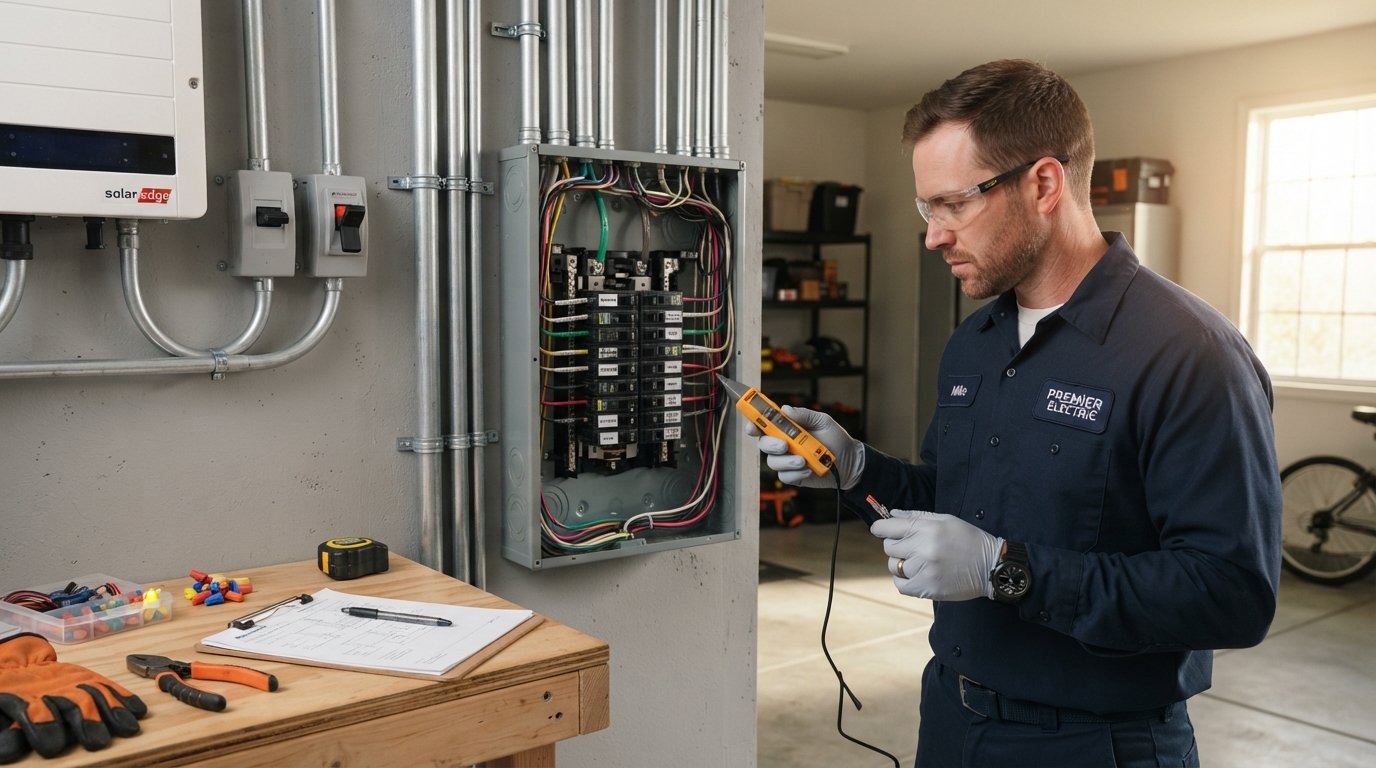
Planning to add solar panels in the next few years, or wondering whether your current electrical panel can handle a rooftop array plus a battery and an electric vehicle charger? The decisions you make today about your home's electrical infrastructure will determine how smoothly that transition goes. Solar ready electrical upgrades for future energy needs are not just about adding panels later. They are about preparing your entire electrical system, from the main service panel to the wiring and monitoring equipment, so that clean energy technologies can be added without costly rework. Homeowners who invest in these upgrades early often avoid thousands of dollars in retrofitting costs and position themselves to capture maximum savings from solar, storage, and smart energy management.
This guide explains what solar readiness actually means, which electrical components matter most, how to plan for batteries and EV charging, and why working with experienced solar professionals can save you time and money. Whether you are building a new home, remodeling, or simply upgrading an older property, understanding these concepts helps you make informed decisions that pay off for decades.
What Solar Ready Really Means for Your Electrical System
A solar ready home is one where the electrical infrastructure can accommodate a future solar photovoltaic system without major modifications. That sounds simple, but it involves several interconnected parts of your electrical system. The main service panel must have enough capacity and physical space for a dedicated solar circuit breaker. The wiring between the panel and the proposed inverter location must be adequate. There must be a clear path for conduit from the roof or ground mount to the electrical panel. And the utility meter and disconnect setup must comply with local codes and utility requirements.
Many homes built before the year 2000 have electrical panels rated at 100 amps or less. A typical modern solar installation with a 7 to 10 kilowatt array plus a battery backup system may require a 200 amp panel or a line-side tap to avoid overloading the existing service. Upgrading the panel during a remodel or before solar installation is almost always cheaper than doing it as a standalone emergency project later. Beyond the panel itself, solar readiness includes ensuring that your grounding and bonding systems meet current National Electrical Code (NEC) standards, that there is space for additional disconnects, and that the overall system can support future load growth from electrification.
Think of solar readiness as an insurance policy against future disruption. When you decide to add solar, you want the installation to be straightforward: no waiting for a panel upgrade, no surprise electrical work, and no delays caused by outdated wiring. For homeowners in the United States, federal, state, and local incentives often favor projects that include storage and smart energy management, so preparing your electrical system now positions you to take full advantage of those programs when you are ready to buy.
Key Electrical Upgrades That Make a Home Solar Ready
Not every electrical upgrade is necessary for every home, but certain improvements consistently appear in solar ready projects. The most common and impactful upgrades fall into a few categories: service panel capacity, dedicated solar circuits, battery interconnection provisions, and smart monitoring infrastructure. Each plays a specific role in ensuring that future solar, storage, and electric vehicle charging can be integrated safely and efficiently.
Here are the core electrical upgrades to consider:
- Service panel upgrade to 200 amps or higher: Provides capacity for solar backfeed, battery storage, and large electric loads like heat pumps or EV chargers.
- Dedicated solar disconnect and breaker space: Reserves physical space and electrical capacity for a future solar inverter and rapid shutdown equipment.
- Battery-ready wiring and conduit runs: Pre-installs conduit from the panel to a planned battery location, reducing installation labor later.
- Energy monitoring and smart panel provisions: Allows for circuit-level monitoring and remote control, which is essential for AI-driven optimization.
- Grounding and surge protection upgrades: Ensures compliance with current codes and protects sensitive electronics in a solar plus storage system.
Each of these upgrades has a different cost and urgency. A service panel upgrade is often the most expensive but also the most critical. If your panel is already 200 amps and has available breaker slots, you may only need to reserve space and run conduit. If your panel is older or full, a panel replacement may be required. In many jurisdictions, upgrading to a 200 amp panel also triggers requirements for AFCI and GFCI protection, which can add cost but improve safety. The key is to consult a licensed electrician or solar professional who understands local codes and utility interconnection rules.
It is also worth noting that some utilities require a visible, lockable AC disconnect near the meter for solar installations. Installing that disconnect during a panel upgrade is far cheaper than adding it later. Similarly, if you plan to add a battery system, you will need space for a critical load subpanel and transfer equipment. Thinking through these details during the electrical upgrade phase prevents expensive change orders down the road.
Planning for Battery Storage and EV Charging
Battery storage and electric vehicle charging are two of the biggest reasons homeowners pursue solar ready electrical upgrades. A battery system allows you to store excess solar energy for use at night or during outages. An EV charger adds a large new electrical load, often 40 to 60 amps, which can strain an older panel. If you plan to add either of these technologies, your electrical system needs to be sized accordingly from the start.
For battery storage, the critical electrical considerations include the location of the battery (garage, utility room, or exterior wall), the distance to the main panel, and whether you want whole-home backup or only critical loads. Whole-home backup typically requires a larger battery and a service panel that can accommodate a transfer switch or main panel upgrade. Critical load backup is less expensive and simpler, but it requires a separate subpanel for the circuits you want to power during an outage. Pre-installing that subpanel during a remodel or panel upgrade is a smart move.
For EV charging, the main question is whether your panel has enough capacity for a dedicated 240-volt circuit. Many homes with 100 amp service cannot add a 48 amp EV charger without a panel upgrade or a load management device. A load management device can monitor total household consumption and reduce EV charging speed when other large appliances are running, avoiding the need for a service upgrade. However, if you plan to add both solar and an EV charger, a 200 amp panel is usually the most straightforward solution.
Integrating these technologies with smart energy management systems is the next step. AI-driven platforms can optimize when batteries charge and discharge, when EV charging occurs, and how solar energy is used based on utility rates and weather forecasts. For a deeper look at how artificial intelligence can maximize solar savings, see this guide on AI solar optimization to slash your electric bill. The electrical infrastructure you install today determines whether you can take advantage of these advanced capabilities tomorrow.
Steps to Make Your Home Solar Ready
Making your home solar ready is a process, not a single purchase. The steps below outline a practical sequence that minimizes cost and disruption. While every home is different, following this framework helps you prioritize the most important upgrades and avoid common mistakes.
- Assess your current electrical service. Check the amperage rating on your main panel, the number of available breaker slots, and the condition of the wiring. An electrician can perform a load calculation to determine how much capacity you have for future additions.
- Determine your future energy goals. Decide whether you want solar only, solar plus battery, EV charging, or all three. This will influence the size of the panel upgrade and the number of dedicated circuits you need.
- Upgrade the service panel if needed. If your panel is under 200 amps or full, plan a panel upgrade. This is the foundation for all other solar ready work.
- Install conduit and wiring for future solar and battery. Run conduit from the roof or planned solar array location to the electrical panel, and from the panel to the planned battery location. Label everything clearly for future electricians.
- Add monitoring and smart panel provisions. Install a whole-home energy monitoring system or a smart electrical panel that can support AI optimization and remote control.
- Verify code compliance and utility requirements. Work with a licensed electrician to ensure your upgrades meet NEC and local utility interconnection standards.
Following these steps in order prevents the most common problem in solar retrofits: discovering that the electrical panel cannot support the planned system after the solar contract is signed. That discovery leads to delays, additional costs, and sometimes the need to reduce the size of the solar array. By planning ahead, you keep your options open and ensure that your home is ready for whatever clean energy technology you choose.
It is also wise to document all electrical upgrades with photos and permits. When you sell your home, proof of a solar ready electrical system can be a selling point. Buyers increasingly value homes that are prepared for solar, battery storage, and EV charging, and documented upgrades can justify a higher asking price.
Working With Qualified Solar and Electrical Professionals
Solar ready electrical upgrades involve complex, interconnected systems that must comply with electrical codes, utility rules, and safety standards. While some homeowners are tempted to DIY parts of the project, the risks are significant. Improper wiring can cause fires, void insurance claims, and fail inspection. Utilities will not approve interconnection without a licensed electrician's sign-off, and mistakes can delay your solar project by months.
The best approach is to work with a qualified solar installer or electrical contractor who has experience with solar ready upgrades. These professionals can perform a load calculation, recommend the right panel size, install dedicated circuits, and ensure that all work meets current codes. They can also coordinate with your utility to streamline the interconnection process. For homeowners in the United States, finding a trusted local solar pro is easier than ever. Platforms like NewSolarQuotes connect homeowners with vetted solar installers and provide educational resources on costs, incentives, and savings. These services can help you compare quotes and choose a contractor who understands solar ready electrical work.
When interviewing contractors, ask about their experience with panel upgrades, battery storage, and EV charging. A contractor who only installs solar panels may not have the electrical expertise to handle a full solar ready upgrade. Look for licensed electricians on staff or strong partnerships with electrical contractors. Also ask about permits, inspections, and warranty coverage. A reputable contractor will be transparent about all of these details and will provide a detailed scope of work before you sign a contract.
Finally, consider the timing of your upgrades. If you are already planning a remodel, adding solar ready electrical work to the project can be more cost-effective than doing it separately. The same is true if you are replacing a roof or upgrading your HVAC system. Combining projects reduces labor costs and minimizes disruption. Even if you are not ready to install solar today, making your home solar ready now ensures that you can add clean energy technologies on your schedule, not the electrician's.
Maximizing Long Term Savings and Energy Independence
Solar ready electrical upgrades are an investment in your home's energy future. The upfront cost can range from a few hundred dollars for conduit and breaker space to several thousand dollars for a full service panel upgrade. However, these costs are often offset by avoided future expenses. A panel upgrade done proactively can cost 20 to 30 percent less than an emergency replacement. Pre-installed conduit can save hundreds of dollars in labor when you add solar. And a battery-ready electrical system can increase the value of your home and reduce your reliance on the grid.
Beyond direct cost savings, solar readiness enables you to participate in utility programs that reward flexible energy use. Many utilities offer time-of-use rates that charge less for electricity used during off-peak hours. With a battery and smart energy management, you can charge your battery when rates are low and use stored energy when rates are high. This arbitrage can significantly reduce your annual electricity costs. Similarly, some utilities offer demand response programs that pay homeowners to reduce consumption during peak periods. A solar ready electrical system with monitoring and control capabilities makes participation easy.
Energy independence is another major benefit. With solar plus storage, you can keep essential loads powered during grid outages. You can also reduce your carbon footprint and contribute to a cleaner energy grid. As more homeowners adopt solar and storage, the collective impact on emissions and grid resilience grows. Solar ready electrical upgrades for future energy needs are a practical way to be part of that transition without committing to a full solar installation today.
If you are considering solar in the near future, start by evaluating your electrical panel and planning for the upgrades that make the most sense for your goals. Whether you choose a simple conduit run or a full panel replacement, every step toward solar readiness brings you closer to lower bills, greater comfort, and a more sustainable home. With the right planning and the right professionals, your home can be ready for whatever the future of energy brings.