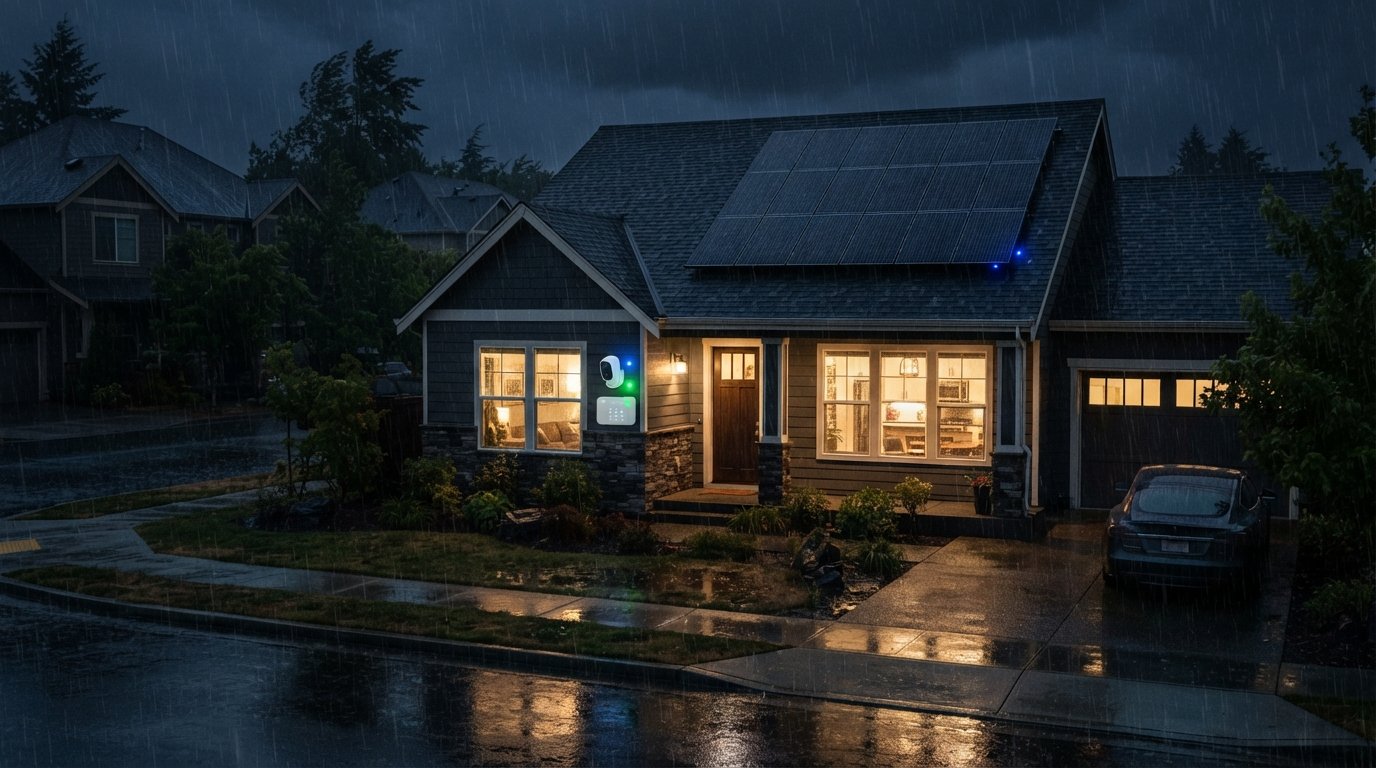
Solar Powered Electrical Security Systems: Uninterrupted Protection
Solar powered electrical security systems deliver uninterrupted protection during outages. Call 8334344023 to explore your options.

By Owen Phillips
Learn more about Solar Panel Installation and Repair for guides, costs, and what to expect.
Compare Solar Panel Installation and Repair Pros Near You

Enter your ZIP code to compare top-rated local professionals and request free quotes.
When the grid goes down, most security systems go dark with it. Cameras stop recording, alarms lose their connection, and motion sensors become useless. For homeowners and business owners who rely on these systems to protect property and people, that gap in coverage is unacceptable. Solar powered electrical security systems solve this problem by generating their own electricity, storing it in batteries, and operating continuously regardless of what happens to the utility grid. The result is uninterrupted protection that works during blackouts, storms, and peak demand periods when traditional systems fail.
Why Grid-Tied Security Systems Fail When You Need Them Most
Traditional electrical security systems depend entirely on the power grid. When electricity flows, they function as designed. When it stops, they either shut down completely or switch to limited battery backup that lasts only a few hours. This creates a dangerous vulnerability: the moments when security is most critical, such as during severe weather, rolling blackouts, or emergency situations, are exactly when grid power is most likely to fail.
Consider the typical scenario. A storm knocks out power to a neighborhood at night. The home security system has a backup battery rated for four hours. By morning, the battery is depleted. Cameras are offline, door sensors are inactive, and the alarm panel is dark. Meanwhile, the risk of theft, vandalism, or intrusion has not decreased; if anything, it has increased because the neighborhood is dark and emergency services are stretched thin.
Business owners face similar risks. A retail location or warehouse with grid-tied security loses coverage during extended outages. Inventory, equipment, and sensitive data become vulnerable. Insurance policies may not cover losses that occur when security systems were non-functional, creating financial exposure on top of the physical risk.
Solar powered electrical security systems eliminate this vulnerability. By generating electricity from sunlight and storing it in batteries, these systems maintain full operation indefinitely as long as the sun continues to rise. They are not dependent on utility infrastructure, which means they continue working when everything else stops.
How Solar Powered Security Systems Deliver Uninterrupted Protection
The core principle behind solar powered security is energy independence. A solar panel array captures sunlight and converts it into electricity. That electricity powers the security system directly during daylight hours while also charging a battery bank. When the sun sets or when clouds reduce output, the system draws from the stored battery energy. If the grid fails, nothing changes for the security system because it was never relying on the grid in the first place.
This architecture provides several layers of reliability. The solar panels have no moving parts and require minimal maintenance. Modern lithium iron phosphate batteries offer thousands of charge cycles and can operate for a decade or more. The system can be sized to provide backup power for days or even weeks, depending on battery capacity and the energy demands of the security equipment.
For property owners considering this approach, the key components typically include:
- Solar panels sized to match the energy consumption of the security system and the local solar resource
- Battery storage with enough capacity to power the system through multiple days of low sunlight
- A charge controller to regulate power flow and protect the battery from overcharging or deep discharge
- An inverter if the security equipment requires AC power, or DC-powered equipment to avoid conversion losses
- A monitoring system that alerts the owner to any performance issues before they become failures
When these components are properly integrated, the security system operates as an independent microgrid. It does not matter whether the utility grid is up or down, whether it is day or night, or whether the weather is clear or stormy. The system continues to protect the property without interruption.
Key Benefits Beyond Blackout Protection
Uninterrupted operation during grid failures is the most obvious benefit, but solar powered electrical security systems offer additional advantages that make them attractive for both residential and commercial applications.
First, they reduce or eliminate electricity costs associated with security equipment. Security cameras, alarm panels, motion sensors, and lighting can consume a surprising amount of electricity when running 24 hours a day. By generating their own power, solar security systems remove that load from the utility bill. Over time, the savings can offset a significant portion of the initial investment.
Second, solar powered systems are immune to utility rate increases. As electricity prices rise, grid-tied security systems become more expensive to operate. Solar powered systems continue to generate free electricity from the sun, providing predictable operating costs for decades.
Third, these systems can be installed in locations where running electrical conduit is impractical or expensive. Remote gates, detached garages, barns, construction sites, and temporary installations all benefit from the flexibility of solar power. There is no need to trench for wires or negotiate easements with utility companies.
Fourth, solar powered security systems support sustainability goals. For businesses and homeowners committed to reducing their carbon footprint, powering security equipment with renewable energy is a tangible step toward environmental responsibility. It also aligns with broader energy independence objectives, reducing reliance on centralized power infrastructure.
Designing a System That Meets Your Specific Needs
Not all solar powered security systems are the same. The right design depends on the specific security requirements, the local climate, and the available solar resource. A small residential system protecting a few cameras and door sensors has different needs than a commercial installation monitoring a large warehouse with dozens of cameras and access control points.
The first step in designing an effective system is conducting a thorough energy audit. This involves identifying every device that will be powered, determining its power consumption in watts, and estimating how many hours per day it operates. The total daily energy consumption, measured in watt-hours, becomes the baseline for sizing the solar array and battery bank.
Next, consider the solar resource at the installation site. Areas with abundant sunlight require smaller solar arrays to generate the same amount of energy. Regions with frequent cloud cover or long winter nights need larger arrays and more battery capacity to ensure continuous operation. A professional energy survey can provide accurate data on solar potential and help optimize the system design.
Battery capacity is another critical factor. The battery bank must be large enough to power the security system through periods of low solar generation. For most locations, a battery bank sized for three to five days of autonomy provides a good balance between reliability and cost. In areas with frequent extended outages or extreme weather, larger battery banks may be justified.
Finally, consider future expansion. Security needs can change over time. A system that is easy to expand, whether by adding more solar panels, additional batteries, or new security devices, provides better long-term value than a system that is locked into its initial configuration.
Integration With Smart Home and Business Systems
Modern solar powered security systems do not operate in isolation. They integrate with smart home platforms, allowing homeowners to monitor cameras, receive alerts, and control access from their smartphones. This integration extends to energy management as well. For example, understanding solar output prediction and energy savings can help optimize when security systems draw from the battery versus when they rely on direct solar power, extending battery life and improving overall efficiency.
For businesses, integration with building management systems allows security to coordinate with lighting, HVAC, and other building functions. During a grid outage, the solar powered security system can continue operating while other systems shut down, ensuring that critical security functions remain online.
AI-driven energy management takes this a step further. Machine learning algorithms can analyze patterns in energy production and consumption, predicting when the battery will need to be conserved and adjusting security system operation accordingly. For example, during a period of extended cloud cover, the system might reduce non-critical functions like continuous video recording while maintaining motion-triggered recording and alarm functions. This intelligent prioritization ensures that the most important security features remain operational even when energy is limited.
Installation Considerations and Professional Support
While the concept of solar powered security is straightforward, proper installation requires expertise. Solar panels must be positioned for maximum sun exposure, wiring must be sized correctly to minimize losses, and batteries must be installed in a location that is temperature-controlled and well-ventilated. Poor installation can lead to reduced performance, shortened equipment life, and safety hazards.
Working with experienced professionals ensures that the system is designed and installed to meet the specific needs of the property. This includes conducting an energy survey to accurately assess power requirements, selecting the right components for the climate and application, and configuring the system for optimal performance and reliability.
For homeowners and businesses in the United States exploring renewable energy options, resources like NewSolarQuotes provide independent educational information on solar power, hydropower, and wind energy. These resources can help property owners understand the broader landscape of clean energy solutions and make informed decisions about their energy investments.
Professional installation also ensures that the system complies with local building codes and electrical standards. Permits may be required for solar panel installation and battery storage, and working with a qualified installer helps navigate these requirements. Additionally, professional installation often comes with warranties that protect the investment and ensure ongoing support if issues arise.
Maintenance and Long-Term Reliability
Solar powered electrical security systems are designed for long-term reliability, but they do require some maintenance to perform at their best. Solar panels should be kept clean and free of debris that could shade them and reduce output. Batteries should be inspected periodically to ensure they are holding a charge and operating within their specified temperature range. Connections should be checked for corrosion or looseness.
Most maintenance tasks are simple and can be performed by the property owner, but professional service is recommended for more complex issues. Many solar installation companies offer maintenance plans that include regular inspections, cleaning, and performance monitoring. These plans provide peace of mind and help ensure that the security system remains operational when it is needed most.
Monitoring is a critical component of maintenance. Modern solar security systems include monitoring capabilities that track energy production, battery state of charge, and system health. Alerts can be configured to notify the owner or service provider if performance drops below expected levels, allowing issues to be addressed before they cause system failure. This proactive approach to maintenance maximizes uptime and extends the life of the equipment.
Cost Considerations and Return on Investment
The upfront cost of a solar powered electrical security system is typically higher than a grid-tied system. Solar panels, batteries, and the associated electronics add to the initial investment. However, this cost must be evaluated against the benefits: uninterrupted protection, reduced electricity costs, and independence from utility infrastructure.
For many property owners, the value of continuous security coverage justifies the investment. The cost of a single security breach, whether from theft, vandalism, or liability, can far exceed the cost of a solar powered system. Insurance companies may also offer discounts for properties with reliable, independent security systems, further improving the financial case.
Over time, the savings on electricity and the avoided costs of grid-tied system failures contribute to a strong return on investment. Solar panels have a lifespan of 25 years or more, and batteries can last 10 to 15 years with proper maintenance. When spread over the life of the system, the cost of uninterrupted protection becomes very reasonable.
Government incentives for solar energy, including the federal investment tax credit, can reduce the upfront cost of solar powered security systems. Property owners should consult with tax professionals and review current incentive programs to understand what savings may be available. These incentives are subject to change, so verifying current details with official sources is recommended.
Making the Decision: Is Solar Powered Security Right for You?
Solar powered electrical security systems are not the right choice for every situation. Properties with reliable grid power and short outages may find that traditional systems with battery backup are sufficient. However, for properties in areas with frequent or extended power outages, remote locations without easy access to grid power, or anyone who values uninterrupted security coverage, solar powered systems offer compelling advantages.
The decision ultimately comes down to priorities. If security is a critical concern and downtime is not acceptable, solar powered systems provide the reliability that grid-tied systems cannot match. If reducing electricity costs and environmental impact are also important, the benefits multiply. And if the property is in a location where running electrical wires is impractical or expensive, solar power may be the only viable option.
For those considering solar powered security, the first step is to assess the specific needs of the property and the local solar resource. A professional energy survey can provide the data needed to make an informed decision. From there, working with experienced installers ensures that the system is designed and installed to deliver the uninterrupted protection that solar power makes possible.
Solar powered electrical security systems represent a practical, reliable solution for protecting what matters most. By generating their own electricity and storing it for use when the sun is not shining, they provide continuous operation that grid-tied systems simply cannot guarantee. For homeowners and business owners who take security seriously, that uninterrupted protection is worth the investment.