Solar Energy Data Analytics: Save on Your Electricity Bills
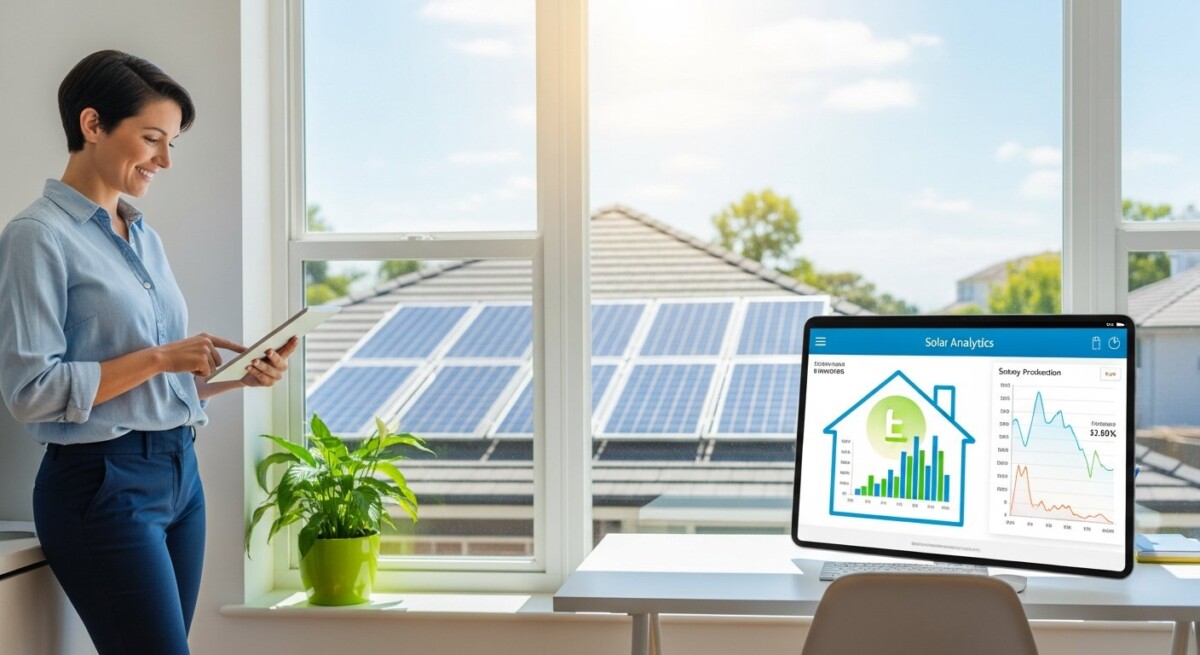
If you’ve watched your electricity bill climb year after year, you’re not alone. Many homeowners are now looking for a reliable way to take control of their energy costs and reduce their dependence on the utility company. This search often leads them to solar panels and a powerful, behind-the-scenes tool: solar energy data analytics. Understanding this data is key to maximizing your savings and making a confident investment in your home’s future.
Understanding Solar Energy Data Analytics
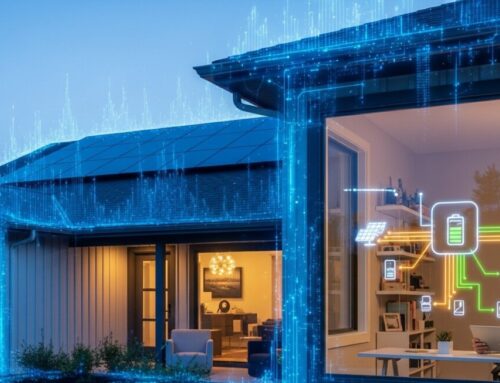
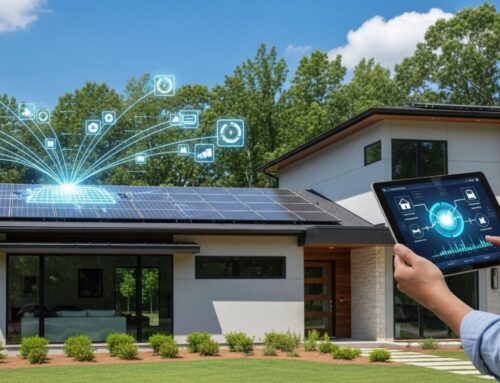
Solar energy data analytics is simply the process of collecting and analyzing information about sunlight and electricity. For a homeowner, it means using smart technology to understand exactly how much power your solar panels produce and how much your home consumes. This data helps you see your true energy picture and ensures your system is working at its best.
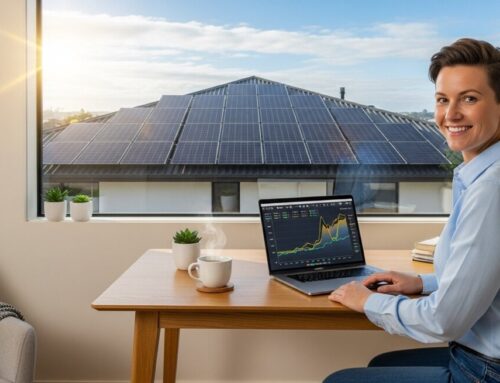
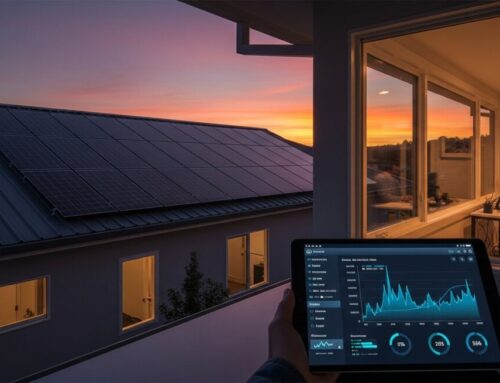
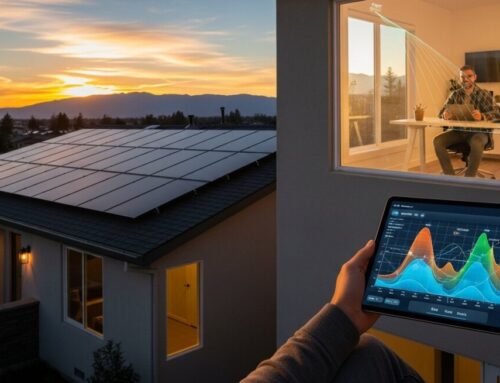
Specialized software and monitoring devices track your solar production in real-time, often through a simple app on your phone. It compares this to your home’s energy use, showing you when you’re generating surplus power and when you’re pulling from the grid. This insight is what turns solar panels from a simple roof addition into a smart, money-saving asset for your household.
Why Solar Energy Is Becoming More Popular
Homeowners are turning to solar power for several compelling, practical reasons. First and foremost are the significant long-term savings on electricity bills. Once your system is installed, a large portion of your power comes free from the sun, protecting you from unpredictable rate hikes from your utility provider.
Beyond the finances, there’s a strong desire for energy independence and environmental responsibility. Generating your own clean power means you’re less vulnerable to grid outages and contributing to a reduction in fossil fuel use. Combined with available government incentives, which can drastically lower the upfront cost, solar power has become an accessible and wise home upgrade for many.
If you are considering solar power for your home, comparing installation quotes can help you understand your options. Request a free solar quote or call to learn more.
Common Questions Homeowners Have About Solar
It’s normal to have questions before making a significant home improvement. The most common concern is the initial investment and how long it will take to see a return. Others worry about whether their roof is suitable or if their system will produce enough power on cloudy days.
Professional installers are experts at answering these questions with clear, data-backed explanations. They use local weather data, your historical energy bills, and roof measurements to provide accurate projections. This removes the guesswork and helps you make a decision based on facts, not fears.
- How much will a solar panel system really cost after incentives?
- Is my roof strong enough and does it get enough sun?
- What happens to my power at night or during a storm?
- How long will the panels last, and what maintenance is required?
- Will solar panels increase my property value?
- How do I choose a trustworthy installer?
How Solar Panel Installation Works
The installation process is designed to be straightforward and managed by your chosen professional team. It begins with a detailed assessment of your home’s energy needs and physical structure. This initial step is crucial for designing a system that’s perfectly tailored to you.
From there, the installer handles the necessary permits and paperwork before scheduling the physical installation. The final step is connecting your system to the grid and activating your monitoring software, handing you the keys to your own personal power plant.
- Home Energy Assessment & Design: Review of your bills, roof evaluation, and system design.
- Permits & Approvals: Your installer secures all local permits and utility interconnection agreements.
- Installation Day: Mounting, electrical work, and inverter setup are completed by the crew.
- Inspections & Activation: A final inspection is followed by the utility granting permission to operate.
Speaking with experienced installers can help you determine the best solar solution for your home. Compare solar quotes here or call to explore available options.
Signs Your Home May Be Ideal for Solar
While many homes are good candidates, some characteristics make solar an especially smart choice. The most obvious is a roof that gets plenty of direct sunlight throughout the day, with minimal shading from trees or other structures. South-facing roofs in the northern hemisphere are typically ideal.
Your current energy habits also play a big role. If you have consistently high electricity bills, solar can provide substantial and immediate relief. Homeowners who plan to stay in their house for many years are perfectly positioned to reap the full financial benefits of their investment.
- You have an unshaded, south-facing roof in good condition.
- Your monthly electricity bills are a significant household expense.
- You have a strong interest in locking in long-term energy costs.
- You plan to own your home for the next 5-10 years or more.
- Your local utility has high rates or offers favorable net metering.
- You want to increase your home’s value and market appeal.
What Affects Solar Installation Costs
The total cost of your solar system depends on a few key factors. The size of the system, measured in kilowatts, is the primary driver,it’s directly tied to how much electricity you need to offset. The quality and efficiency of the panels and inverters you choose also influence the price.
Installation complexity, like a steep or multi-level roof, can affect labor costs. Most importantly, you must factor in available federal, state, and local incentives, which can reduce your net cost by 30% or more. A great way to understand your specific cost is to use a solar production calculator for a personalized estimate.
The cost of solar installation varies depending on your home and energy needs. Request personalized solar quotes or call to see what options are available.
Tips for Choosing a Reliable Solar Installer
Selecting the right installer is as important as choosing the right system. Look for a company with a strong track record, proper licensing, and positive customer reviews. They should be willing to conduct a thorough site assessment and explain every part of their proposal in clear language.
Always compare detailed quotes from multiple installers. This allows you to compare equipment, warranties, projected production, and total costs side-by-side. A trustworthy installer will encourage this comparison and be transparent about all aspects of the project.
- Verify licenses, insurance, and certifications (like NABCEP).
- Read customer reviews and ask for local references.
- Compare the equipment warranties and the installer’s workmanship guarantee.
- Ensure they handle the entire permit and interconnection process.
- Get everything in writing, including production guarantees and total cost.
Long-Term Benefits of Installing Solar Panels
The most immediate and ongoing benefit is a drastic reduction in your monthly electricity bill. For many homeowners, this savings adds up to tens of thousands of dollars over the system’s 25+ year lifespan. You are essentially locking in a low, predictable rate for your power for decades to come.
Solar panels also increase your home’s market value and appeal to future buyers. Beyond the financials, you gain peace of mind through greater energy independence and the knowledge that you are reducing your household’s carbon footprint. It’s an investment that pays you back financially while aligning with a sustainable lifestyle.
How much can I really save with solar panels?
Savings depend on your local electricity rates, system size, and sunlight. Most homeowners see a 50-90% reduction in their utility bill. Over 20 years, total savings often exceed the system’s initial cost, making it a net-positive investment.
What is net metering?
Net metering is a billing arrangement with your utility company. When your panels produce more power than you use, the excess is sent to the grid, and you earn credits. At night or on cloudy days, you use those credits instead of paying the full retail rate, maximizing your savings.
Do solar panels work in cloudy or cold climates?
Yes. Solar panels generate electricity from daylight, not just direct, hot sunshine. They are actually more efficient in cooler temperatures. While production is highest on sunny days, modern panels still produce significant power in cloudy weather.
How long does a solar panel system last?
High-quality solar panels typically come with a 25-year performance warranty guaranteeing they will still produce at a high capacity. The system itself requires very little maintenance and can continue producing electricity well beyond that warranty period.
What are the current federal incentives for solar?
The federal solar Investment Tax Credit (ITC) allows you to deduct a significant percentage of your system’s cost from your federal taxes. This incentive makes solar far more affordable, but it’s important to act while it’s fully available.
Can I install solar if my roof is old?
It’s generally recommended to replace an aging roof before installing solar. Since panels last 25+ years, you want your roof to last just as long. A reputable installer will assess your roof’s condition and advise you honestly during the consultation.
Switching to solar energy is a powerful step toward financial predictability and energy independence for your home. By understanding the data, the process, and the long-term benefits, you can make an informed decision that pays off for years to come. The best next step is to gather information tailored to your specific home,starting by comparing quotes from qualified, local installers.