Solar Energy Automation: Save More on Your Electric Bills
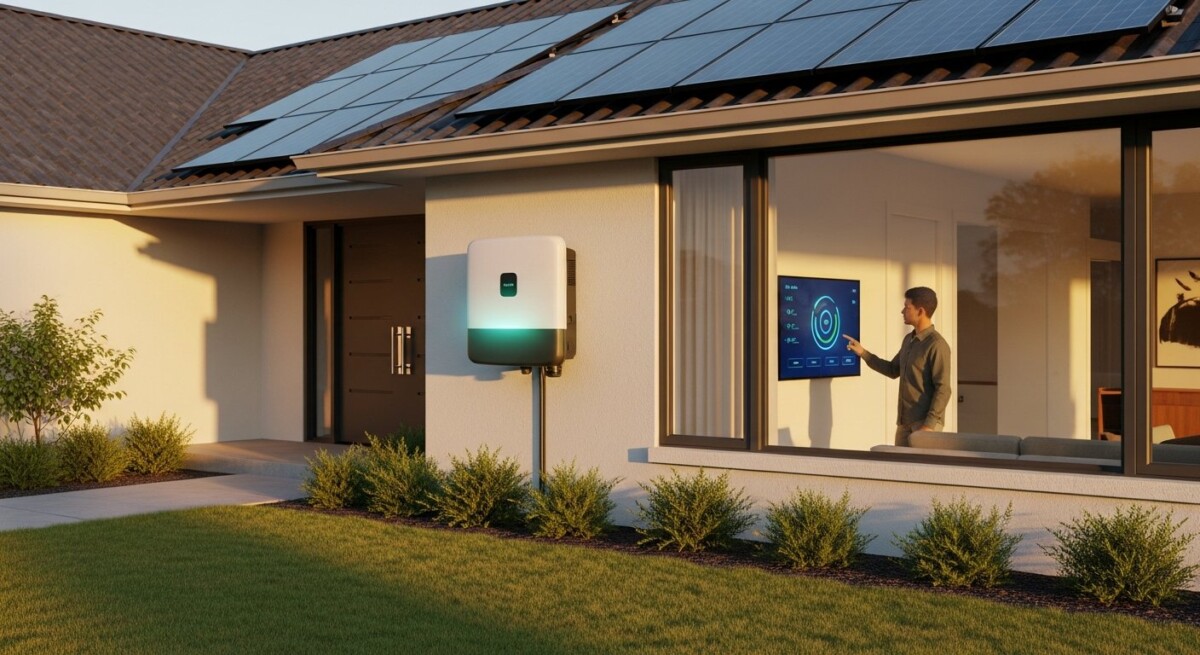
Rising electricity costs are pushing more homeowners to explore solar energy automation as a way to take control of their monthly expenses. You may have noticed your power bills creeping up year after year, making you wonder if there is a smarter way to power your home. Solar energy automation combines solar panels with smart technology to reduce your reliance on the grid and lower your electricity bills. It is a practical solution that helps you save money while using clean energy.
Understanding solar energy automation
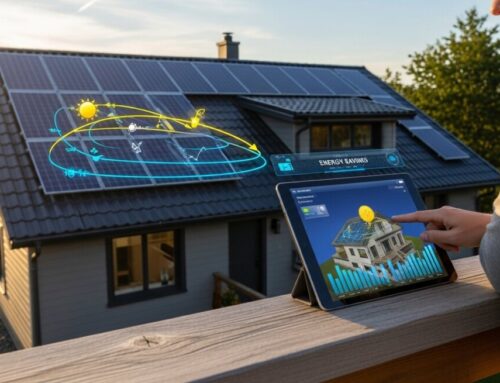
Solar energy automation refers to systems that monitor, manage, and optimize your solar panel performance automatically. These systems use sensors, inverters, and software to adjust energy production and consumption based on your household needs. For example, a smart inverter can shift when your home uses solar power to match peak sunlight hours, maximizing savings.
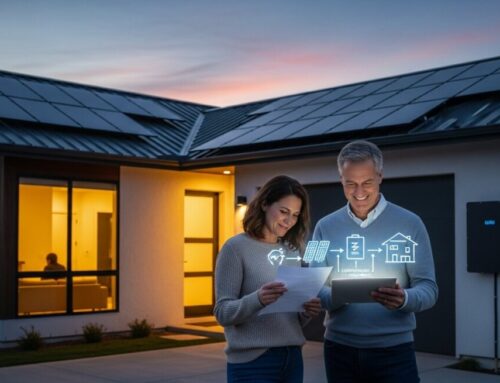
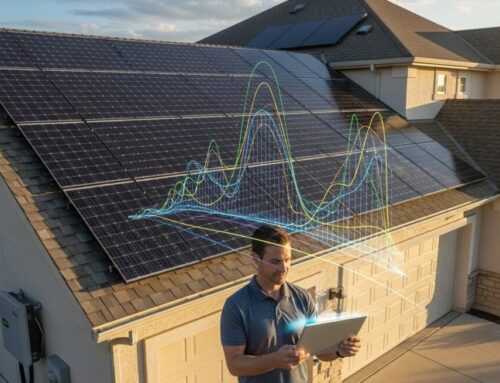
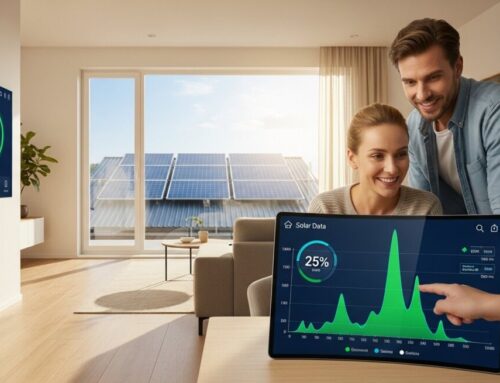
Many homeowners are turning to solar energy automation because it simplifies the process of going solar. Instead of manually adjusting settings, the system learns your habits and makes changes for you. This technology also provides real-time data on your energy production and usage through a mobile app, so you always know how much you are saving. In our guide on AI tools for solar energy, we explain how these smart features help you save more on your electric bill with minimal effort.
How automation works in practice
At the core of solar energy automation is the ability to store excess energy in batteries and release it when grid prices are high. This process, often called time-of-use optimization, can cut your electricity costs by up to 30 percent. Automated systems also detect shading or panel issues and alert you immediately, preventing small problems from becoming expensive repairs.
Why solar energy is becoming more popular
Electricity rates have risen by more than 15 percent over the past five years in many parts of the United States. Homeowners are tired of unpredictable bills and are looking for stable, long-term solutions. Solar energy offers a way to lock in lower energy costs for decades, shielding you from future rate hikes.
Environmental concerns also drive interest in solar power. Reducing your carbon footprint by switching to renewable energy feels good, and it adds to your home’s value. Long-term savings are significant: most homeowners recover their initial investment within six to ten years through lower electric bills.
If you are considering solar power for your home, comparing installation quotes can help you understand your options. Request a free solar quote or call to learn more.
Common questions homeowners have about solar
Homeowners often worry about the upfront cost of solar panels, but prices have dropped by over 70 percent in the last decade. Federal tax credits and local rebates can reduce your out-of-pocket expense by 26 to 30 percent. Roof suitability is another concern: panels work best on south-facing roofs with little shade, but modern mounting systems can handle many roof types.
System performance depends on your location, panel quality, and installation. Most modern panels come with 25-year warranties and maintain over 80 percent efficiency after two decades. Here are common questions homeowners ask:
- Will solar panels work during cloudy days?
- How long does the installation take?
- Do I need a battery backup?
- What happens if I move out?
- Can I add more panels later?
- Are there financing options available?
How solar panel installation works
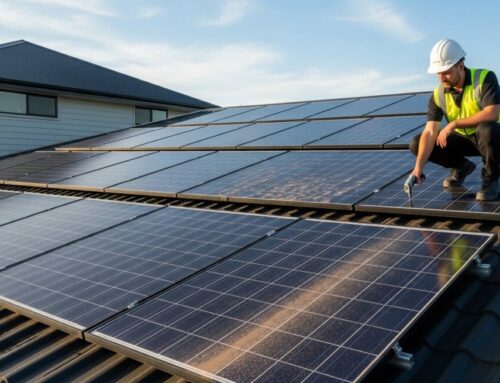
The installation process starts with a home energy assessment, where a professional evaluates your roof, electricity usage, and sunlight exposure. Based on that data, the installer designs a system tailored to your home’s needs. Permits and approvals from your local utility and municipality are handled by the installer, saving you time and hassle.
Once permits are approved, the actual panel installation usually takes one to three days. After installation, the system is inspected and connected to the grid, then activated. Here are the main steps:
- Home energy assessment
- System design and equipment selection
- Permits and approvals
- Panel installation and wiring
- System activation and monitoring setup
Speaking with experienced installers can help you determine the best solar solution for your home. Compare solar quotes here or call to explore available options.
Signs your home may be ideal for solar
Not every home is equally suited for solar panels, but many are. If your roof gets strong sunlight for most of the day, you are in a good position to benefit. Homes with high electricity bills see the fastest return on investment, especially when paired with automation features.
Adequate roof space is important: a typical system needs about 300 to 500 square feet of unobstructed area. If you plan to stay in your home for five years or more, solar panels will almost certainly pay off. Here are signs your home is ready:
- Strong sunlight exposure with little shading
- High monthly electricity bills
- Suitable roof space facing south, east, or west
- Roof in good condition (less than 10,15 years old)
- Long-term home ownership plans
- Local incentives or net metering available
What affects solar installation costs
System size is the biggest factor: a larger system with more panels costs more upfront but generates more savings over time. Equipment quality also matters,premium panels and inverters cost more but often last longer and perform better. Installation complexity, such as roof pitch, wiring distance, and the need for structural upgrades, can add to the price.
Local incentives and rebates can significantly lower your net cost. For example, the federal solar tax credit allows you to deduct 30 percent of the installation cost from your federal taxes. Some states and utilities offer additional cash rebates or performance-based incentives.
The cost of solar installation varies depending on your home and energy needs. Request personalized solar quotes or call to see what options are available.
Tips for choosing a reliable solar installer
Choosing the right installer is just as important as choosing the right equipment. Look for companies with at least five years of experience and strong local reviews. Check that they offer comprehensive warranties on both equipment and workmanship.
Always compare multiple quotes before making a decision. Prices and system designs can vary by thousands of dollars between installers. A trustworthy installer will walk you through the numbers honestly without high-pressure sales tactics. Here are practical tips:
- Review installer experience and certifications
- Check warranties (panel, inverter, and workmanship)
- Read customer reviews on third-party sites
- Compare multiple quotes to find the best value
- Ask about financing and leasing options
Long-term benefits of installing solar panels
Lower electricity bills are the most immediate benefit, but the savings compound over time. After your system is paid off, your electricity is essentially free for the remaining life of the panels. This can add up to tens of thousands of dollars in savings over 25 years.
Solar panels also increase your home’s resale value. Studies show that homes with solar sell for 4 to 6 percent more than comparable homes without it. By reducing your reliance on fossil fuels, you lower your carbon footprint and contribute to cleaner air in your community. Energy independence means you are less affected by grid outages and rising utility rates. For a deeper look at what the future holds, read our article on AI solar energy future trends.
Frequently asked questions
How much can I save with solar energy automation?
Most homeowners save between 20 and 40 percent on their electricity bills after installing solar panels with automation. Exact savings depend on your location, energy usage, and system size. Over 25 years, typical savings range from $20,000 to $50,000.
Do solar panels work during a power outage?
Standard grid-tied solar systems shut down during outages for safety reasons. However, if you have a battery backup and an automated system, you can keep essential appliances running. Solar energy automation can switch to battery power seamlessly during blackouts.
How long do solar panels last?
Most solar panels have a lifespan of 25 to 30 years. They continue producing electricity after that, but at a slightly lower efficiency. Automation systems can monitor performance and alert you when panels need cleaning or repair.
Will solar increase my property taxes?
In most states, solar installations are exempt from property tax assessments. That means your home value goes up without a corresponding tax increase. Check your local rules, but the majority of states offer this exemption.
Can I install solar panels myself to save money?
DIY solar installation is possible but not recommended for most homeowners. Mistakes in wiring, mounting, or permitting can lead to safety hazards and void warranties. Professional installers also handle automation setup, ensuring everything works efficiently.
How do I know if my roof is suitable for solar?
A professional installer will assess your roof’s age, material, angle, and shading during a free consultation. South-facing roofs with a slope between 15 and 40 degrees are ideal. If your roof needs replacement soon, it is best to do that before installing panels.
What is net metering and how does it work with automation?
Net metering lets you send excess solar power back to the grid in exchange for credits on your bill. Automation systems can optimize when you use grid power versus solar power to maximize those credits. This combination can reduce your bill to near zero.
How do I get started with solar energy automation?
Start by researching local installers and requesting quotes from at least three companies. Look for installers who offer automation features like smart inverters and monitoring apps. Comparing quotes helps you find the best system at the right price.
Solar energy automation offers a practical way to lower your electricity bills, increase your home’s value, and reduce your environmental impact. The technology is reliable, the financial incentives are strong, and professional installers can guide you every step of the way. Your next smart move is to compare installation quotes from trusted professionals to find the system that fits your home and budget.