AI vs Manual Solar Monitoring: Which Saves You More?
You open your monthly electricity bill and feel a familiar sting. Rates keep climbing, and you wonder if there is a way to take control. That is why so many homeowners are searching for ai vs manual solar monitoring , they want to know which approach helps them save the most money on energy. The good news is that solar technology has never been more accessible, and understanding how to monitor your system can make a real difference in your long-term savings.
Understanding AI vs Manual Solar Monitoring
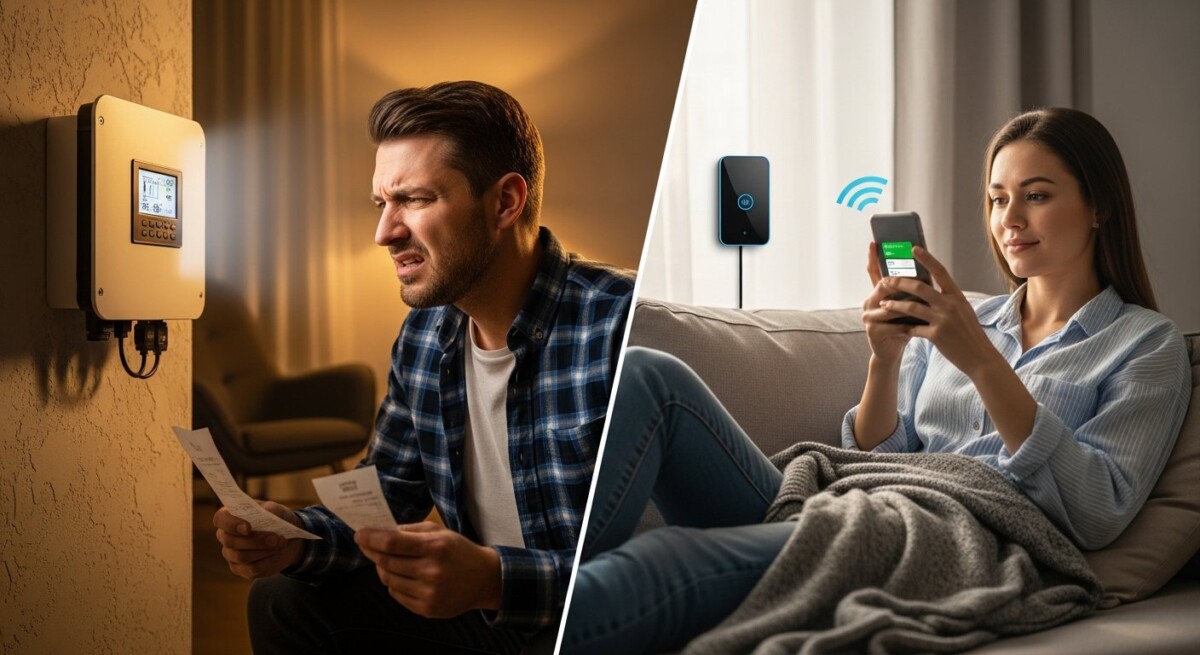
Solar monitoring simply means tracking how much energy your solar panels produce and how much your home uses. Manual monitoring involves checking your system yourself , perhaps by reading your inverter display or logging into a basic online portal once a week. With manual monitoring, you are responsible for spotting dips in performance or equipment issues.
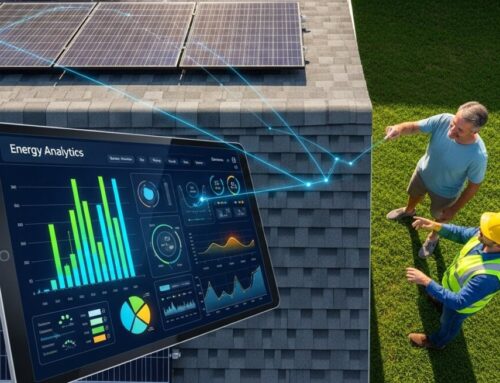
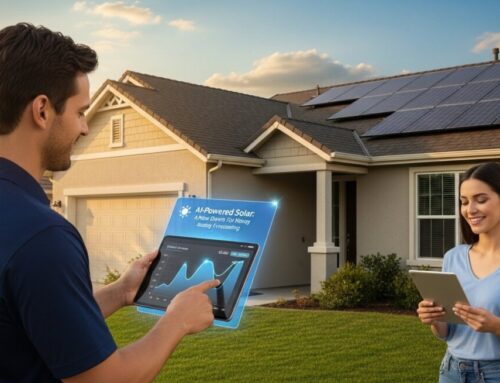
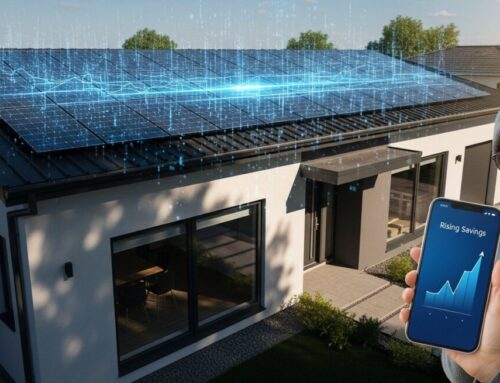
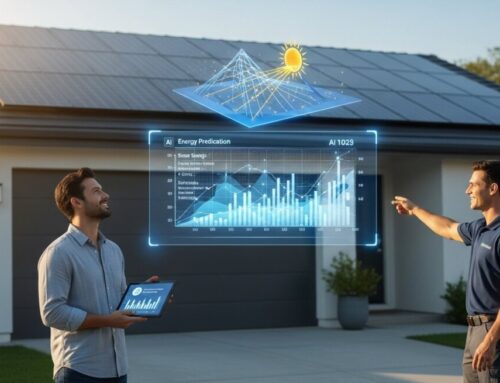
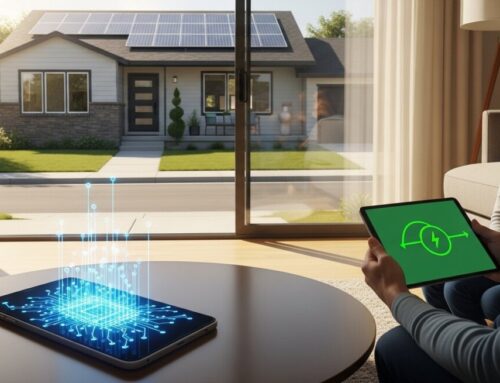
AI-powered solar monitoring, on the other hand, uses smart software to watch your system 24/7. It learns your home’s energy patterns, detects problems early, and often sends alerts directly to your phone. This technology can even predict when a panel might underperform due to shading or dirt buildup. For homeowners focused on reducing electricity bills, AI monitoring offers a hands-off way to maximize every kilowatt-hour your panels generate.
In our guide on AI Solar Monitoring vs Manual: Maximize Your Home’s Savings, we explain how these two approaches compare in real-world situations. Many homeowners find that AI monitoring pays for itself through improved efficiency and fewer repair costs over time.
Why Solar Energy Is Becoming More Popular
Electricity prices have risen steadily over the past decade, and most experts expect that trend to continue. Homeowners are looking for ways to lock in lower energy costs, and solar panels offer exactly that. By generating your own power, you shield yourself from future rate hikes.
Environmental concerns also play a big role. People want to reduce their carbon footprint without sacrificing comfort or convenience. Solar energy is clean, renewable, and increasingly affordable thanks to government incentives and rebates.
Perhaps the strongest motivator is long-term savings. While a solar installation requires an upfront investment, most homeowners recover that cost within 6 to 10 years , and then enjoy free electricity for decades. When you combine federal tax credits, net metering programs, and state-level incentives, the financial case for going solar becomes very compelling.
If you are considering solar power for your home, comparing installation quotes can help you understand your options. Request a free solar quote or call to learn more.
Common Questions Homeowners Have About Solar
It is normal to have questions before making a big investment like solar panels. Many homeowners worry about the upfront cost and whether the system will actually perform as promised. Others are unsure if their roof is suitable or how long the equipment will last.
The truth is that solar technology has matured significantly. Modern panels come with 25-year warranties, and professional installers handle all the permitting and paperwork. You do not need to be a technical expert , a good installer will guide you through every step.
- How much does a solar system cost for an average home?
- Will solar panels work on my roof if it is shaded or old?
- What happens to my energy use at night or during cloudy weather?
- How long does installation take from start to finish?
- Are there financing options or zero-down plans available?
- Do I need to clean my panels regularly?
How Solar Panel Installation Works
The installation process is more straightforward than most people expect. It starts with a home energy assessment where an installer reviews your electricity bills and inspects your roof. This step determines the right system size for your household.
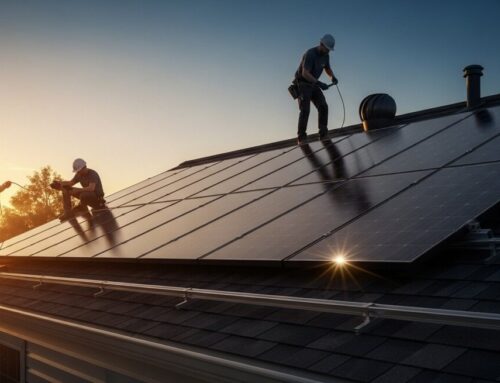
Once you agree to a design, the installer handles permits and approvals with your local utility and city government. Then comes the physical installation, which usually takes one to three days. Finally, the system is inspected and connected to the grid so you can start saving immediately.
- Home energy assessment , reviewing your usage and roof condition
- System design , choosing panel types, inverter, and placement
- Permits and approvals , utility and municipal paperwork
- Panel installation , mounting panels and connecting wiring
- System activation , final inspection and turning the system on
Speaking with experienced installers can help you determine the best solar solution for your home. Compare solar quotes here or call to explore available options.
Signs Your Home May Be Ideal for Solar
Not every home is perfectly suited for solar, but many are. The best candidates have roofs that face south or west with little shade during peak sunlight hours. Even homes with east- or west-facing roofs can work well depending on local conditions.
High electricity bills are actually a good indicator that solar would benefit you. If you pay more than $100 per month on average, a properly sized system can start cutting those costs immediately. Homeowners who plan to stay in their home for five years or more typically see the best return on investment.
- Your roof gets strong sunlight for most of the day
- Your electricity bills are consistently high
- You have adequate roof space , typically 300 to 500 square feet
- Your roof is in good condition or less than 10 years old
- You plan to stay in your home for at least five more years
- Your state or utility offers net metering or solar incentives
What Affects Solar Installation Costs
Solar system prices vary based on several key factors. The size of the system , measured in kilowatts , is the biggest driver. A larger home with higher energy needs will require more panels and a bigger inverter, which increases the total cost.
Equipment quality also matters. Premium panels with higher efficiency cost more upfront but produce more electricity over their lifetime. Installation complexity , such as roof pitch, wiring challenges, or multiple roof planes , can add to labor costs.
Local incentives can dramatically reduce your net cost. The federal solar tax credit currently allows you to deduct 30% of your system cost from your taxes. Many states and utilities offer additional rebates or performance-based incentives. A professional installer will help you identify and apply for all available programs.
The cost of solar installation varies depending on your home and energy needs. Request personalized solar quotes or call to see what options are available.
Tips for Choosing a Reliable Solar Installer
Selecting the right installer is just as important as choosing the right equipment. A trustworthy installer will conduct a thorough site assessment, explain your options clearly, and provide a detailed written estimate. They should also handle all permitting and utility paperwork on your behalf.
Do not rush the decision. Take time to research each company’s reputation and ask for references from recent customers. A quality installer stands behind their work with strong warranties and responsive customer service.
- Review the installer’s experience , how many systems have they installed?
- Check equipment warranties , panels should have at least 25 years of coverage
- Read customer reviews on Google, Yelp, and the Better Business Bureau
- Compare at least three quotes to understand pricing and value
- Ask about monitoring options , including whether they offer AI-powered monitoring
Long-Term Benefits of Installing Solar Panels
The most obvious benefit is lower electricity bills. Once your system is paid off, your monthly energy cost drops to near zero. Over 25 years, that can add up to tens of thousands of dollars in savings.
Solar panels also increase your home’s resale value. Studies show that homes with solar sell for a premium compared to similar homes without it. Buyers recognize the value of reduced utility costs and energy independence.
Beyond financial gains, solar gives you a sense of control over your energy future. You rely less on the grid and contribute to a cleaner environment. For many homeowners, that peace of mind is just as valuable as the money saved on their electric bill.
Frequently Asked Questions
What is the difference between AI and manual solar monitoring?
Manual monitoring requires you to check your system’s performance yourself, often through a basic display or web portal. AI monitoring automatically tracks your system, detects anomalies, and sends alerts. In our article on How Solar Monitoring Tools With AI Cut Your Electricity Bills, we show how smart monitoring can reduce wasted energy and improve savings.
How much can I save on electricity bills with solar panels?
Savings depend on your location, energy usage, and system size. Most homeowners reduce their electricity bills by 50% to 90% after installing solar. With net metering, you can earn credits for excess energy sent back to the grid.
Do solar panels work during a power outage?
Standard grid-tied systems shut down during an outage to protect utility workers. If you want backup power, you need a battery storage system or a specialized inverter that allows islanding.
How long do solar panels last?
Most solar panels come with a 25-year performance warranty and continue producing electricity well beyond that. They typically degrade at a rate of about 0.5% per year, so after 25 years they still operate at roughly 87% of their original capacity.
Is my roof suitable for solar panels?
A south- or west-facing roof with minimal shade is ideal. Your installer will assess roof age, material, and structural integrity during the home energy assessment. In most cases, roofs less than 10 years old work well without needing replacement.
What government incentives are available for solar?
The federal solar tax credit offers a 30% deduction on your system cost. Many states and utilities offer additional rebates, performance payments, or property tax exemptions. Your installer can help you identify all applicable incentives.
Can I install solar panels myself to save money?
DIY solar installation is possible but risky. Improper wiring can damage equipment or create fire hazards, and you may void warranties. Professional installation ensures safety, code compliance, and access to manufacturer warranties.
How do I choose between AI and manual monitoring?
If you want a hands-off experience with maximum efficiency, AI monitoring is worth the investment. If you prefer to check your system manually and save a small amount on upfront costs, manual monitoring can still work. Most homeowners find that AI monitoring pays for itself through improved performance and early problem detection.
Solar energy is one of the smartest investments you can make for your home and your finances. By understanding ai vs manual solar monitoring and working with a professional installer, you can design a system that meets your needs and budget. The best way to start is to compare quotes from multiple installers , that way you see exactly what options are available and find the best value for your situation.