Solar Output Prediction: What It Is and How It Saves You Money

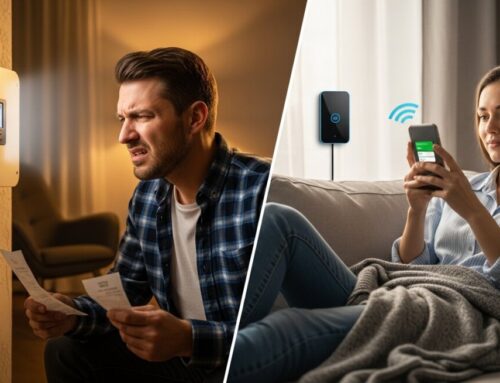
You open your monthly electricity bill and see another price increase. It feels like every year costs more to keep the lights on and the air conditioner running. This frustration is driving more homeowners to search for answers,and many are discovering the term what is solar output prediction. Understanding this concept is the first step toward taking control of your energy costs and reducing your dependence on the power grid.
Understanding what is solar output prediction
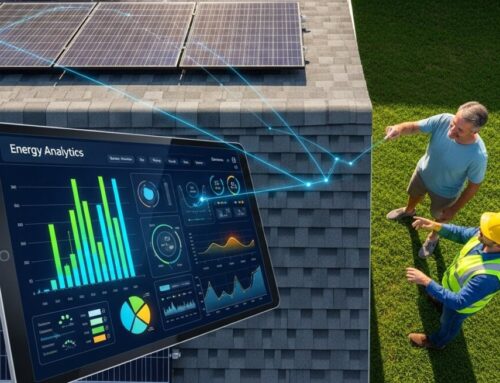
Solar output prediction is the process of estimating how much electricity your solar panel system will generate over a given period. Think of it as a personalized energy forecast for your home. Using data like your roof’s sun exposure, local weather patterns, and the angle of your panels, professionals can calculate your system’s potential performance with impressive accuracy.
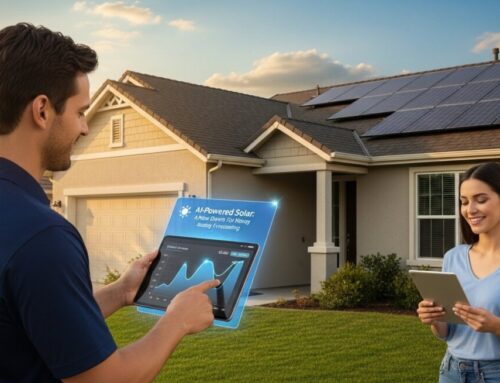
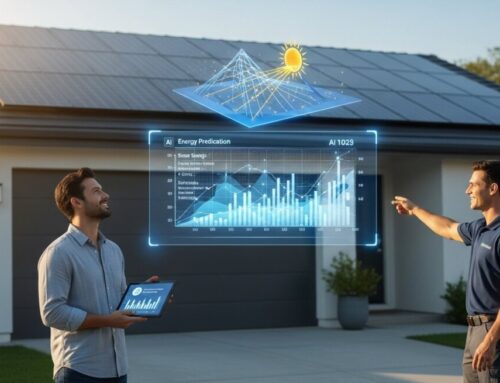
This prediction isn’t a guess. Installers use sophisticated software that factors in historical sunlight data, seasonal changes, and even shading from nearby trees or buildings. The result is a reliable estimate of your future energy production, which directly translates into your expected savings on electricity bills. In our guide on how AI predicts solar output for bigger savings, we explain how technology makes these forecasts even more precise.
Why accurate predictions matter for your wallet
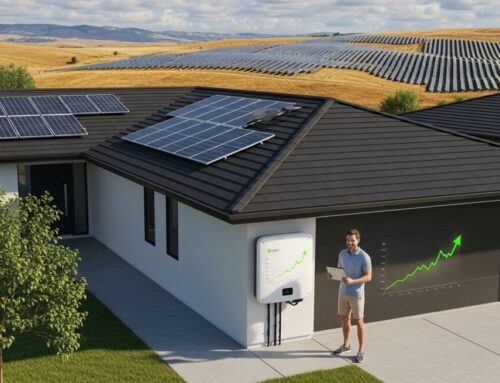
Without a solid prediction, you could end up with a system that is too small to cover your needs or unnecessarily large and expensive. A good forecast helps you choose the right system size from the start. This means you avoid costly mistakes and maximize your return on investment from day one.
Why Solar Energy Is Becoming More Popular
Rising electricity prices are the number one reason homeowners are turning to solar. Every year, rates go up, but your solar panels keep producing power at a predictable cost. Once installed, your system locks in a lower rate for electricity, shielding you from future price hikes.
Environmental concerns also play a major role. Solar energy is clean, renewable, and reduces your carbon footprint. And with long-term savings that can reach tens of thousands of dollars over the life of your system, it’s easy to see why more families are making the switch.
If you are considering solar power for your home, comparing installation quotes can help you understand your options. Request a free solar quote or call 1-800-555-0199 to learn more.
Common Questions Homeowners Have About Solar
Many homeowners worry about the upfront cost of solar panels. The good news is that federal tax credits and state incentives can reduce that cost by 30% or more. Financing options also make it possible to start saving with little to no money down.
Another frequent concern is whether a roof can support solar panels. Most asphalt shingle roofs in good condition work perfectly. Installers assess your roof’s age, angle, and sun exposure during a free consultation to ensure it’s a good fit.
- How much will solar really save me each month?
- Will my roof need repairs before installation?
- How long does the installation process take?
- What happens on cloudy days or at night?
- Does solar increase my home’s resale value?
- Are there warranties that protect my investment?
How Solar Panel Installation Works
The process begins with a home energy assessment. An installer reviews your past electricity bills, inspects your roof, and measures your property’s sun exposure. This data feeds into the solar output prediction that determines the ideal system for your home.
Next, the team designs a custom system, handles permits, and schedules installation. Professional crews typically complete the work in one to three days. After a final inspection, your system is activated, and you start generating your own clean electricity.
- Home energy assessment and solar output prediction
- Custom system design and equipment selection
- Permits and approvals from local authorities
- Professional panel installation and wiring
- System activation and connection to the grid
Speaking with experienced installers can help you determine the best solar solution for your home. Compare solar quotes here or call 1-800-555-0199 to explore available options.
Signs Your Home May Be Ideal for Solar
Your home might be perfect for solar if your roof gets strong sunlight for most of the day. South-facing roofs with little to no shade capture the most energy. Even east- or west-facing roofs can work well depending on your location.
High electricity bills are another clear indicator. If you pay more than $100 per month, solar can likely cut those costs significantly. And if you plan to stay in your home for at least five to seven years, the long-term savings make the investment even more worthwhile.
- Your roof receives direct sunlight for at least four hours daily
- Your monthly electric bill is consistently high
- You have adequate unshaded roof space (typically 300,500 square feet)
- You plan to stay in your home for several more years
- Your roof is in good condition and less than 15 years old
- Your local utility offers net metering or other solar incentives
What Affects Solar Installation Costs
The size of your system is the biggest factor. A larger system that covers 100% of your energy needs costs more upfront but delivers greater long-term savings. Equipment quality also matters,premium panels and inverters cost more but often perform better and last longer.
Installation complexity can add to the price. A simple roof with easy access costs less than a complex multi-story roof with tiles or slate. Local incentives, including federal tax credits and state rebates, can dramatically lower your net cost, so it pays to research what’s available in your area.
The cost of solar installation varies depending on your home and energy needs. Request personalized solar quotes or call 1-800-555-0199 to see what options are available.
Tips for Choosing a Reliable Solar Installer
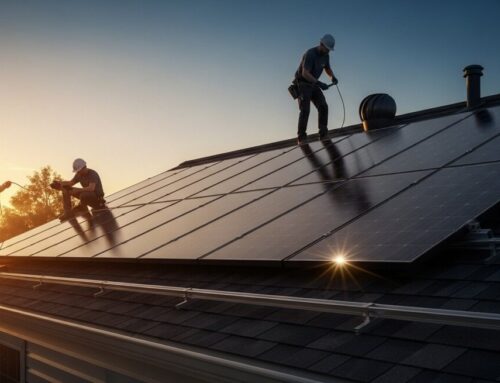
Not all solar installers are created equal. Look for a company with years of experience, proper licensing, and a strong track record in your area. A trustworthy installer will provide a clear solar output prediction and explain exactly how they arrived at those numbers.
Always check warranties before signing. A good installer offers a workmanship warranty of at least 10 years and uses equipment with 25-year performance guarantees. Reading customer reviews on independent platforms gives you a real sense of their reliability and service quality.
- Review the installer’s experience and certifications
- Check what equipment warranties are included
- Read recent customer reviews on Google or EnergySage
- Compare at least three written quotes before deciding
- Ask for a detailed breakdown of the solar output prediction
- Confirm they handle permits and inspections
Long-Term Benefits of Installing Solar Panels
Over 20 to 25 years, solar panels can save you $20,000 to $40,000 or more on electricity bills. Those savings grow as utility rates continue to rise. And because solar panels add value to your home, you may also see a higher resale price when you sell.
Beyond financial gains, solar gives you energy independence. You rely less on the grid and are protected from power outages when paired with battery storage. Learn more about what determines solar output and how to maximize your savings by understanding your system’s performance drivers. Every kilowatt-hour you generate also means fewer fossil fuels burned, which benefits the planet for future generations.
How much can solar panels save you per year?
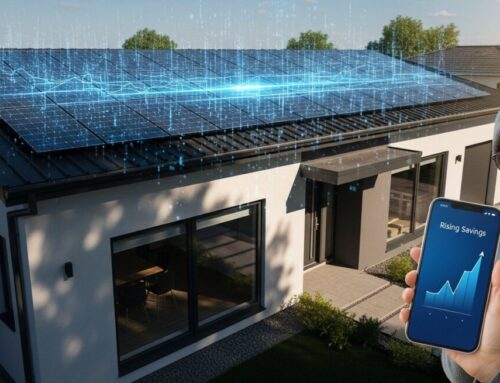
Most homeowners save between $600 and $2,500 annually after installing solar. Your exact savings depend on your local electricity rates, system size, and sun exposure. A professional solar output prediction gives you a personalized estimate so you know what to expect.
Do solar panels work during winter or cloudy weather?
Yes, solar panels still produce electricity on cloudy days, though at reduced efficiency. Winter months bring shorter days, but modern panels are designed to capture diffuse light. Your solar output prediction accounts for seasonal variations to give you a realistic annual total.
What is net metering and how does it affect my savings?
Net metering is a billing arrangement where your utility credits you for excess electricity your panels send to the grid. It effectively lets you use the grid as a battery, reducing your bill even further. Many states require utilities to offer this, making solar even more affordable.
How long does it take to recoup the cost of solar panels?
The payback period typically ranges from 6 to 12 years, depending on your location, incentives, and electricity rates. After that, your electricity is essentially free for the remaining life of your system. A reliable solar output prediction helps you calculate your specific payback timeline.
Will solar panels damage my roof?
Professional installers mount panels using flashing and brackets that seal around roof penetrations. In fact, panels can protect the covered portion of your roof from sun and rain damage. A reputable installer guarantees their work and addresses any concerns before installation.
What maintenance do solar panels require?
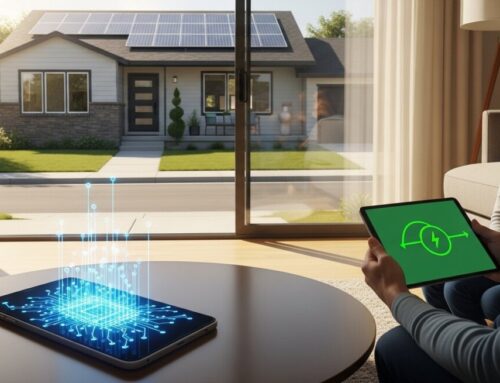
Solar panels are low-maintenance. Rain usually keeps them clean, but in dry climates, an occasional rinse with a garden hose helps. Most systems come with monitoring software that alerts you to any performance issues, so you can rest easy knowing your investment is protected.
Can I go completely off-grid with solar panels?
Going off-grid is possible but requires battery storage and a larger system. Most homeowners stay connected to the grid to use net metering and avoid the high cost of batteries. Your installer can help you decide which setup fits your goals and budget.
Are there government incentives for solar in 2025?
Yes, the federal solar investment tax credit (ITC) currently allows you to deduct 30% of your system cost from your federal taxes. Many states and utilities also offer additional rebates and incentives. A professional installer will help you claim every incentive you qualify for.
Understanding what is solar output prediction gives you the knowledge to make a confident decision about solar energy. By comparing quotes from multiple installers, you can find the right system at the right price. Compare solar installation quotes today and take the first step toward lower bills, energy independence, and a cleaner future.