AI Solar Monitoring: Save More on Your Energy Bills
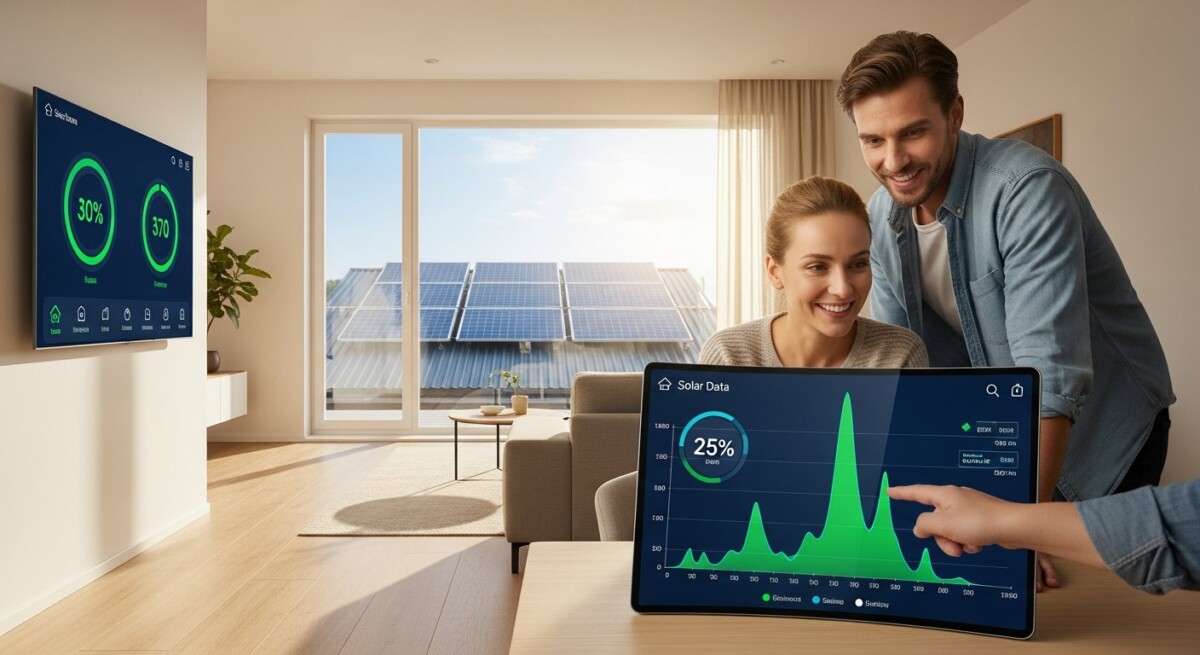
Every month, you open your electricity bill and wonder why it keeps climbing. You are not alone. Rising energy costs have pushed many homeowners to explore smarter ways to power their homes, and that search often leads to ai solar monitoring. This technology promises to lower your bills and reduce your reliance on the grid, making solar energy more efficient than ever before.
Understanding ai solar monitoring
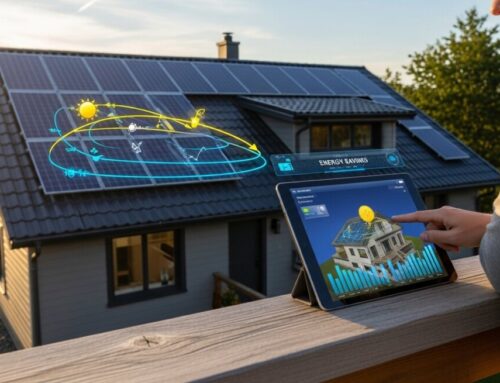
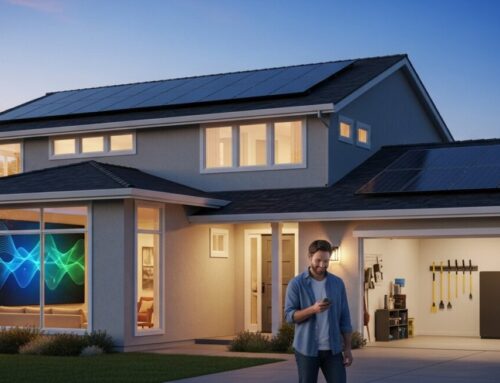
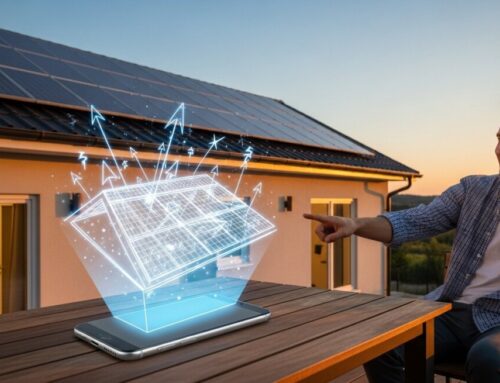
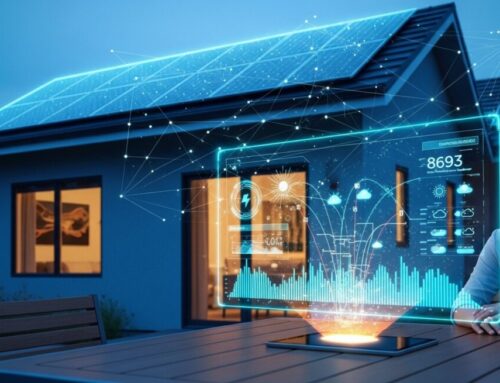
AI solar monitoring uses artificial intelligence to track and optimize how your solar panels produce and use energy. Sensors on your system collect real-time data on sunlight, power output, and household consumption. The AI analyzes this information to adjust settings automatically, ensuring you capture and use every kilowatt-hour available.
Think of it as a smart assistant for your solar array. Instead of guessing when to run your dishwasher or charge your electric car, the system learns your habits and shifts energy use to the cheapest, most productive times of day. More homeowners are adopting this technology because it turns a passive solar setup into an active, money-saving machine. For a deeper dive into how this works, read our guide on AI Solar Monitoring Explained: Maximize Your Home’s Savings.
How AI Makes Solar Smarter
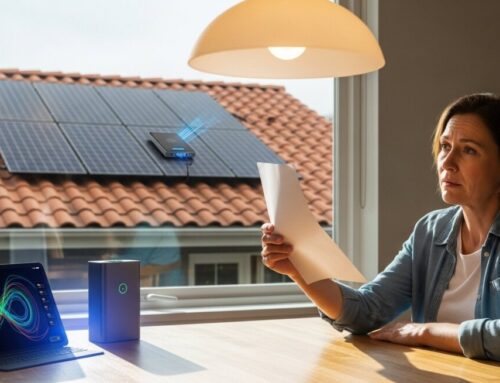
Traditional solar systems simply send excess power to the grid. With AI monitoring, the system predicts weather patterns, tracks panel degradation, and alerts you to maintenance needs before production drops. This proactive approach keeps your panels operating at peak efficiency year after year.
Why Solar Energy Is Becoming More Popular
Electricity rates have risen steadily across the country, and many utility companies impose time-of-use charges that make afternoon power expensive. Solar panels let you generate your own electricity during peak hours, slashing your monthly bills. Environmental concerns also push families toward clean energy, as solar reduces your carbon footprint without sacrificing comfort.
Long-term savings are the biggest draw. A well-designed system pays for itself within seven to ten years and continues producing free electricity for decades. Federal tax credits and local rebates further reduce upfront costs, making solar accessible to more households than ever before.
If you are considering solar power for your home, comparing installation quotes can help you understand your options. Request a free solar quote or call to learn more.
Common Questions Homeowners Have About Solar
Installing solar panels raises many practical questions. Homeowners worry about the initial cost, whether their roof can support panels, and how the system will perform in different weather conditions. These concerns are valid, but professional installers have solutions for nearly every situation.
- How much does a solar system cost? The price depends on system size, equipment quality, and your location, but most homeowners see a return on investment within a decade.
- Is my roof suitable for solar? South-facing roofs with minimal shade work best, but east- and west-facing roofs can also produce strong savings.
- Will solar work in cloudy climates? Modern panels capture diffused light on overcast days, and AI monitoring optimizes output even in less-than-ideal conditions.
- What happens during a power outage? Systems with battery storage can keep essential appliances running when the grid goes down.
- How long do panels last? Most panels carry 25-year warranties and continue producing power well beyond that timeframe.
- Do I need to clean my panels? Rain typically keeps them clean, but AI monitoring can alert you if debris reduces performance.
How Solar Panel Installation Works
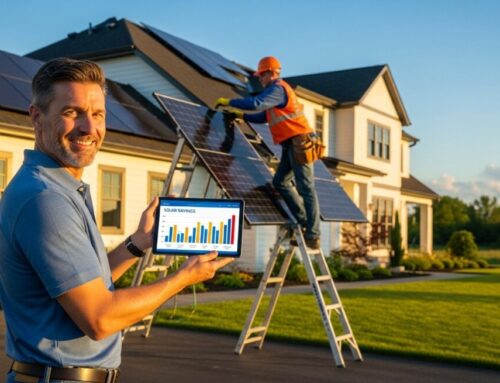
The installation process follows a clear, manageable path. A professional installer begins with a home energy assessment to understand your usage and roof characteristics. They design a custom system that maximizes your sun exposure and meets your electricity needs.
After you approve the design, the installer handles all permits and approvals with your local utility and municipality. The actual panel installation usually takes one to three days, depending on system size. Once the panels are mounted and wired, the utility connects your system to the grid and activates net metering, which credits you for excess power you produce.
- Home energy assessment to analyze your usage patterns and roof condition.
- System design tailored to your home’s orientation, shading, and energy goals.
- Permits and approvals from local authorities and your utility company.
- Panel installation by certified technicians.
- System activation and connection to the grid for net metering.
Speaking with experienced installers can help you determine the best solar solution for your home. Compare solar quotes here or call to explore available options.
Signs Your Home May Be Ideal for Solar
Not every home is equally suited for solar, but many properties can benefit. The best candidates have strong sunlight exposure, high electricity bills, and enough roof space to accommodate panels. If you plan to stay in your home for several more years, the long-term savings become even more attractive.
- Your roof receives direct sunlight for most of the day, especially between 10 a.m. and 2 p.m.
- Your monthly electricity bills are consistently high, often above $100.
- You have at least 300 square feet of usable roof space facing south, east, or west.
- Your roof is in good condition and less than ten years old.
- You intend to stay in your home for at least five more years.
- Your state or utility offers solar incentives or net metering programs.
What Affects Solar Installation Costs
The price of a solar system varies widely based on several factors. System size is the primary driver,a larger system that covers all your electricity needs costs more upfront but delivers higher savings over time. Equipment quality also matters, as premium panels and inverters tend to be more efficient and durable.
Installation complexity can add to the cost. A simple roof installation is cheaper than a ground-mounted system or a roof with multiple angles and obstructions. Local incentives, including federal tax credits and state rebates, can reduce your net cost by 30 percent or more. AI solar monitoring systems also add a small premium but often pay for themselves through increased efficiency. For more details on how these systems boost performance, explore our article about AI Solar Monitoring Systems: Maximize Your Energy Savings.
The cost of solar installation varies depending on your home and energy needs. Request personalized solar quotes or call to see what options are available.
Tips for Choosing a Reliable Solar Installer
Selecting the right installer is just as important as choosing the right equipment. A reputable company will help you design a system that fits your budget and energy goals, and they will handle permits, inspections, and warranties professionally. Taking time to research your options can prevent costly mistakes down the road.
- Review the installer’s experience and look for certifications from the North American Board of Certified Energy Practitioners (NABCEP).
- Check warranty coverage for panels, inverters, and workmanship,aim for at least 25 years on panels.
- Read customer reviews on independent platforms like Google, Yelp, or the Better Business Bureau.
- Compare at least three quotes to understand pricing, equipment quality, and financing options.
- Ask for references from past customers with similar home profiles.
Long-Term Benefits of Installing Solar Panels
Lower electricity bills are the most immediate benefit, but the advantages extend far beyond monthly savings. Solar panels increase your home’s resale value, often by more than the cost of installation. Buyers see a pre-installed solar system as a major asset that reduces future utility costs.
By generating your own clean energy, you shrink your household’s carbon footprint and contribute to a healthier environment. Energy independence also protects you from future rate hikes and power outages, especially when paired with battery storage. Over the system’s lifetime, you can save tens of thousands of dollars while enjoying reliable, sustainable power.
Frequently Asked Questions
What is ai solar monitoring?
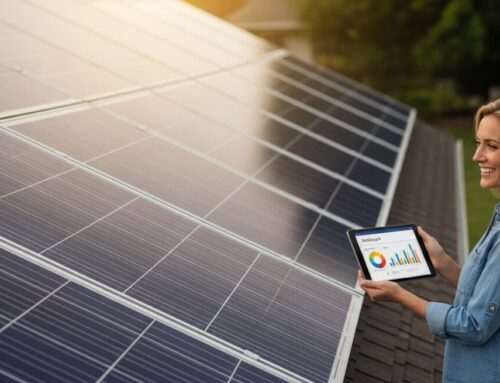
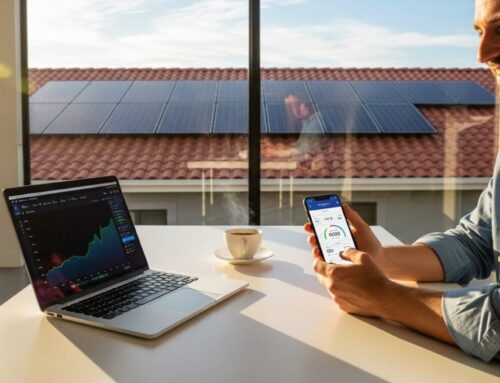
AI solar monitoring uses artificial intelligence to track your solar panel performance, predict energy production, and automatically adjust settings to maximize savings. It provides real-time data on your phone or computer so you always know how your system is performing.
How does ai solar monitoring reduce my electricity bills?
The AI identifies the best times to run high-energy appliances, shifts usage to peak solar production hours, and alerts you to maintenance issues that could lower efficiency. These optimizations can increase your self-consumption of solar power by 10 to 20 percent, reducing the amount you buy from the grid.
Do I need a special solar panel system to use AI monitoring?
Most modern solar systems can be equipped with AI monitoring hardware and software. Your installer can recommend compatible components during the design phase, or you can add monitoring to an existing system in many cases.
Is AI solar monitoring worth the extra cost?
For most homeowners, the additional upfront cost pays for itself within two to four years through higher energy savings and reduced maintenance expenses. The peace of mind from knowing your system is always running optimally is an added bonus.
Can AI monitoring help if I have battery storage?
Yes, AI monitoring works especially well with battery systems. It can store excess solar power during the day and discharge it when electricity rates are highest, maximizing your savings and providing backup power during outages.
Will AI solar monitoring work in cloudy or rainy climates?
Absolutely. The AI algorithms are designed to adapt to changing weather conditions. They adjust panel angles (if you have trackers) and manage energy storage to capture as much power as possible even on overcast days.
How do I choose the right solar installer?
Start by comparing multiple quotes from licensed, insured, and NABCEP-certified installers. Ask about their experience with AI monitoring systems, read reviews, and verify warranty coverage before making a decision.
What government incentives are available for solar?
The federal Investment Tax Credit (ITC) currently offers a 30 percent tax credit on system costs. Many states and utilities offer additional rebates, performance payments, or net metering programs. Your installer can help you identify all available incentives.
Solar energy is a practical, long-term investment that lowers your bills, increases your home’s value, and supports a cleaner planet. Compare solar installation quotes today or call to take the first step toward energy independence.