AI Powered Solar Panels: Slash Your Electric Bills Today

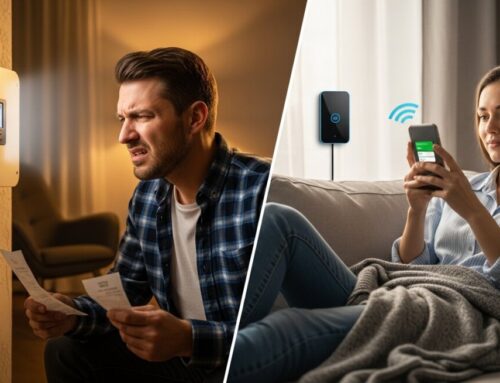
You open your latest electricity bill and feel a familiar knot in your stomach. Rates have climbed again, and you wonder if there is a way to take back control. Many homeowners now search for AI powered solar panels as a smart solution to reduce monthly costs and rely less on the grid. This guide explains how this modern technology works and why comparing installation quotes can lead to real savings.
Understanding AI Powered Solar Panels
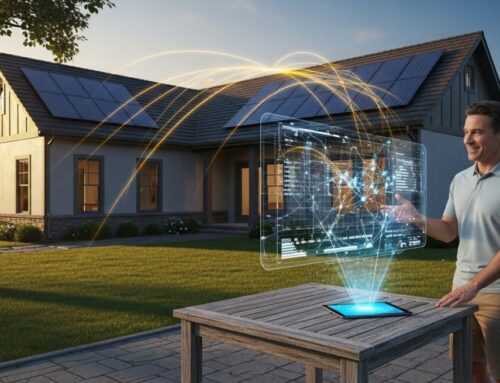
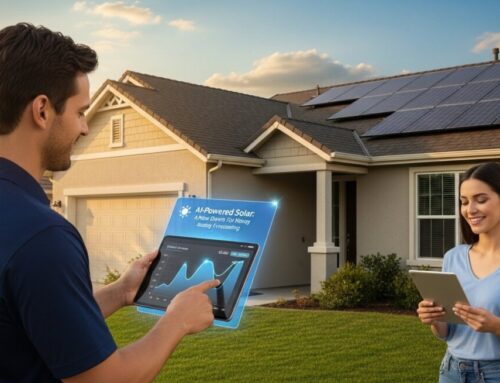
AI powered solar panels combine traditional photovoltaic cells with artificial intelligence software. The AI monitors sunlight patterns, weather forecasts, and your household energy usage in real time. This allows the system to adjust panel angles, manage energy storage, and optimize power distribution automatically.
Instead of a static setup, these panels learn your habits. They might shift energy to your battery before a cloudy afternoon or run your dishwasher when solar production peaks. More homeowners choose this technology because it maximizes every ray of sun, cutting waste and lowering bills further than standard panels alone.
How the AI Makes Decisions
The system uses sensors and a small onboard computer. It tracks voltage, temperature, and grid demand every second. By processing this data locally, the AI can respond faster than a human could,shifting loads, protecting batteries, and even selling excess power back to the utility at the best rate.
Why Solar Energy Is Becoming More Popular
Electricity prices have risen steadily over the past decade, and many regions expect further increases. Homeowners see solar as a hedge against unpredictable utility rates. Pairing solar with AI boosts that hedge by squeezing more value from each panel.
Environmental concerns also drive interest. Solar power produces no emissions during operation, and AI optimization means you use more clean energy and less fossil-fuel electricity from the grid. The long-term financial picture is compelling: after the initial installation, your monthly bills shrink dramatically, and federal tax credits can cover 30% of the cost.
If you are considering solar power for your home, comparing installation quotes can help you understand your options. Request a free solar quote or call to learn more.
Common Questions Homeowners Have About Solar
Many people worry that solar is too expensive or that their roof won’t work. Others question whether AI powered panels are worth the extra investment. The truth is that costs have dropped significantly, and AI systems often pay for themselves through higher energy harvest.
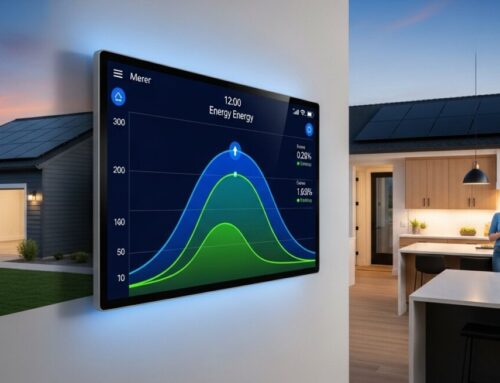
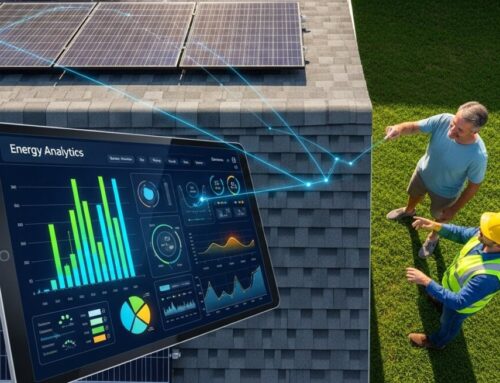
Roof suitability depends on age, material, and sun exposure. A professional installer can assess these factors quickly. Performance concerns usually fade once homeowners see real-time data from their AI system showing exactly how much power they generate and save.
- Will solar panels work during a power outage?
- How long do AI solar panels last?
- Do I need a battery with my system?
- What happens if my roof needs repair later?
- Are there financing options with no upfront cost?
- How much maintenance do smart panels require?
How Solar Panel Installation Works
Installing solar panels is a step-by-step process that typically takes a few weeks from design to activation. Professional installers handle everything, so you don’t have to climb on your roof or wire electrical components yourself.
The first step is a home energy assessment. An installer reviews your past bills, measures your roof, and checks for shading. Then they design a system tailored to your needs, including the AI controller and optional battery storage.
- Home energy assessment , Review bills and roof conditions.
- System design , Select panels, inverter, battery, and AI software.
- Permits and approvals , Your installer handles local permits and utility paperwork.
- Panel installation , Mount panels, connect wiring, and install the AI hub.
- System activation , Final inspection, grid connection, and software setup.
Speaking with experienced installers can help you determine the best solar solution for your home. Compare solar quotes here or call to explore available options.
Signs Your Home May Be Ideal for Solar
Not every home is perfectly suited for solar, but many are. If your roof faces south or west and gets direct sunlight for most of the day, you have a strong candidate. Homes with high electricity bills benefit most because solar offsets expensive peak rates.
If you plan to stay in your home for five years or more, the savings usually outweigh the upfront cost. AI powered panels make this even more attractive because they adapt to changing weather and usage patterns over time.
- Your roof receives strong sunlight for at least four hours daily.
- Your monthly electricity bill exceeds $100.
- You have at least 300 square feet of unshaded roof space.
- Your roof is less than 15 years old or in good condition.
- You plan to live in your home for five or more years.
- Your state or utility offers net metering or solar incentives.
What Affects Solar Installation Costs
The price of a solar system depends on several variables. Larger systems cost more but also generate more power, so the cost per watt often decreases as size increases. Equipment quality matters too,premium panels and AI controllers add upfront expense but improve long-term output.
Installation complexity can raise costs if your roof is steep, has multiple angles, or requires electrical panel upgrades. Local incentives, such as state rebates or federal tax credits, lower the net price significantly. In our guide on best time to install solar panels, we explain how timing can affect both cost and savings.
The cost of solar installation varies depending on your home and energy needs. Request personalized solar quotes or call to see what options are available.
Tips for Choosing a Reliable Solar Installer
Choosing the right installer is as important as choosing the right panels. A trustworthy company will walk you through every step, from permit paperwork to final activation. They should also explain how the AI software works and what kind of monitoring you can expect.
Ask potential installers about their experience with AI powered systems specifically. Not every company has trained technicians for smart solar setups. Checking reviews and asking for references gives you confidence before signing a contract.
- Review the installer’s experience with AI solar technology.
- Check warranty coverage for panels, inverter, and AI controller.
- Read customer reviews on third-party sites like Google or Yelp.
- Compare at least three quotes to see price and service differences.
- Ask about post-installation support and software updates.
Long-Term Benefits of Installing Solar Panels
Once your AI solar system is running, the benefits compound each year. Your monthly electricity bills drop immediately, and as utility rates rise, your savings grow. Many homeowners recoup their investment within seven to ten years, then enjoy free electricity for decades.
Home value also increases. Studies show that homes with solar panels sell for a premium, and AI enhanced systems are especially attractive to tech-savvy buyers. Environmentally, each kilowatt-hour of solar power reduces carbon emissions, helping combat climate change. Energy independence means you are less affected by grid outages or price spikes.
For hands-on homeowners, you can also explore a DIY guide on building solar panels, though professional installation ensures optimal performance and warranty coverage for most people.
Frequently Asked Questions
How do AI powered solar panels save money?
The AI continuously adjusts panel angles and energy distribution to capture the most sunlight and use power when it is cheapest. This boosts overall efficiency by 10,25% compared to fixed panels, directly lowering your electric bill.
Can I use AI solar panels without a battery?
Yes. The AI still optimizes energy production and can shift loads to times of peak generation. However, adding a battery lets you store excess power for nighttime use, increasing your savings and energy independence.
Do AI solar panels work on cloudy days?
They still generate power, just at a reduced rate. The AI adjusts to capture diffuse sunlight and may draw from your battery or the grid as needed. Overall annual production remains high in most climates.
How long does installation take?
Most residential installations take one to three days for the physical work. Permitting and utility approvals add two to six weeks before activation. Your installer will give you a timeline specific to your area.
Are there government incentives for AI solar panels?
Yes. The federal solar tax credit covers 30% of the total system cost, including AI controllers and batteries. Many states and utilities offer additional rebates or performance payments.
What maintenance do AI solar panels need?
Minimal. The software updates automatically, and the panels require occasional cleaning if dust or leaves accumulate. Most AI systems include remote diagnostics that alert you to any issues.
Will solar panels damage my roof?
Professional installers use mounting systems that protect your roof and seal all penetrations. In many cases, panels actually shield the roof underneath from sun and rain, extending its lifespan.
How do I choose between standard and AI solar panels?
If you want maximum efficiency and long-term savings, AI panels are worth the extra investment. Standard panels are simpler and cheaper upfront but produce less power over time. Comparing quotes from multiple installers helps you weigh the trade-offs.
Taking control of your energy future starts with understanding your options. AI powered solar panels offer a smart, efficient way to cut electricity bills and reduce reliance on the grid. The best next step is to compare installation quotes from vetted professionals who can design a system for your home and budget.