AI Solar System Comparison: Save More on Energy Bills
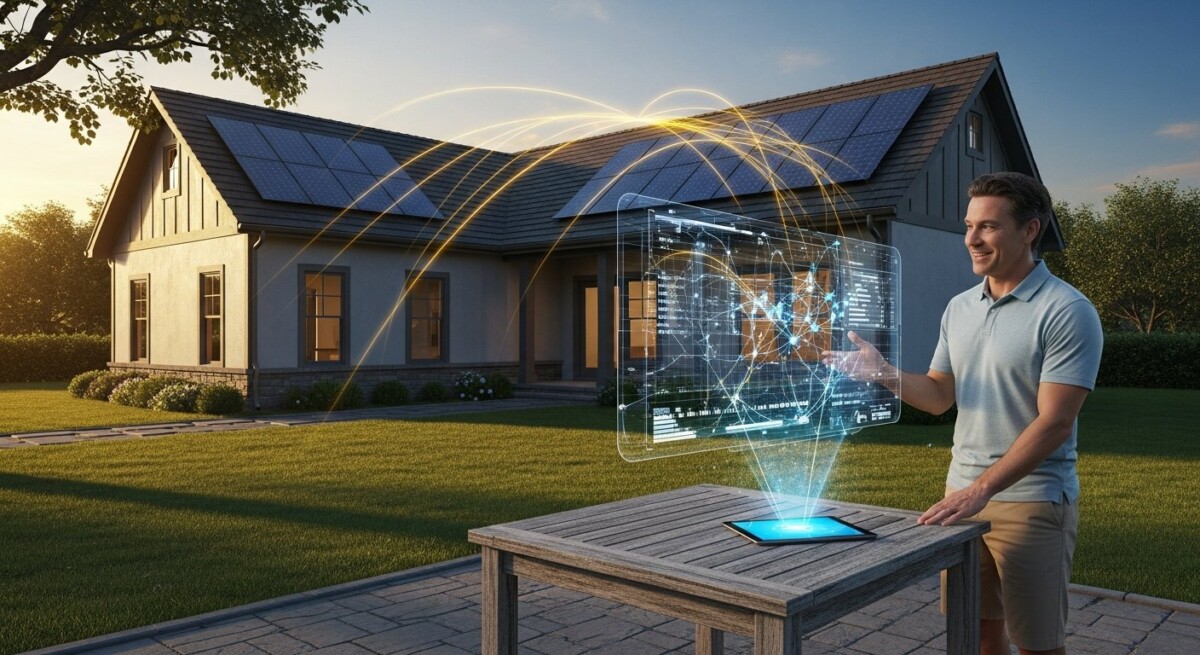
Your electricity bill keeps climbing. Every month feels like a guessing game, and you are tired of unpredictable costs. You have heard that solar panels can help, but the options feel overwhelming. That is why many homeowners now turn to an AI solar system comparison to cut through the noise and find the best fit for their home.
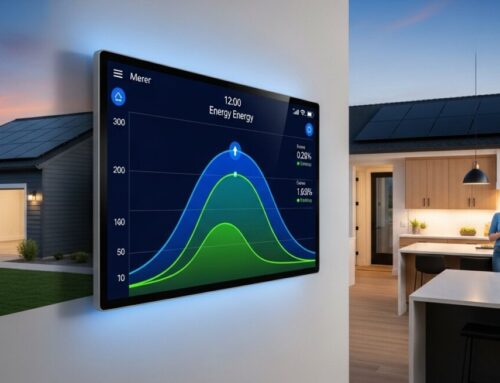
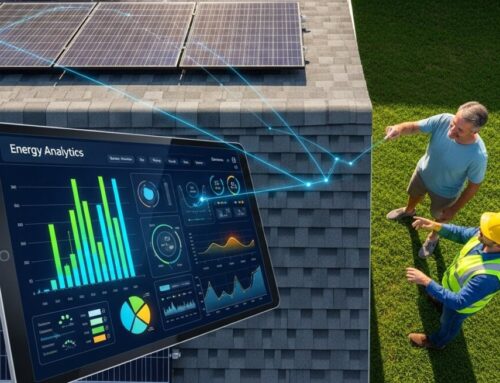
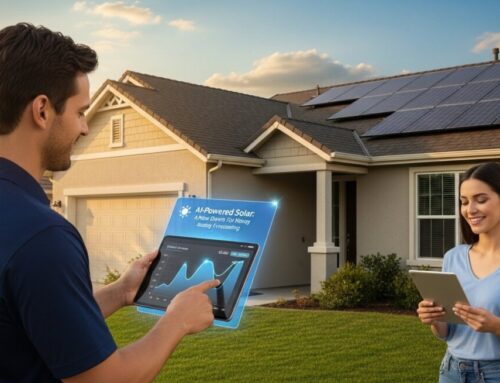
AI-powered comparison tools analyze your energy usage, roof layout, and local sunlight hours. They match you with system designs that promise real savings. Instead of sifting through brochures, you get personalized recommendations that show exactly how much you can save.
More homeowners are discovering that comparing solar quotes through AI saves time and money. It removes guesswork and puts you in control of your energy future. Let us walk through exactly what this means for your home.
Understanding AI Solar System Comparison
An AI solar system comparison uses artificial intelligence to evaluate different solar panel setups for your specific home. It pulls data from satellite images of your roof, local weather patterns, and your past electricity bills to create a custom proposal.
The AI looks at panel efficiency, inverter types, and battery storage options. It then ranks which combination gives you the fastest payback and the biggest long-term savings. You do not need to be a solar expert to understand the results.
Why are more homeowners choosing this approach? Because AI systems in solar can boost home savings by predicting energy production with remarkable accuracy. They also highlight potential problems before you spend a dime,like shading from a nearby tree or a roof angle that limits output.
How AI Compares Systems for You
The software simulates years of performance for each solar package. It factors in degradation rates, panel warranties, and even future electricity rate hikes. You see a side-by-side comparison of costs, savings, and environmental impact.
This technology levels the playing field. A small home with a tight budget gets the same thorough analysis as a large property. The result is a clear, data-backed decision that fits your life.
Why Solar Energy Is Becoming More Popular
Electricity prices have risen steadily over the past decade, and there is no sign they will drop. Solar panels lock in a lower, predictable rate for the next 25 years. That stability appeals to anyone tired of budget surprises.
Environmental concerns also drive the shift. Homeowners want to reduce their carbon footprint without sacrificing comfort. Solar panels generate clean energy right where you use it,no transmission losses, no fossil fuels.
Long-term savings remain the biggest motivator. Most installations pay for themselves within 7 to 10 years, then deliver free electricity for a decade or more. Combine that with federal tax credits and local rebates, and the financial case becomes very strong.
If you are considering solar power for your home, comparing installation quotes can help you understand your options. Request a free solar quote or call to learn more.
Common Questions Homeowners Have About Solar
Before committing thousands of dollars, you naturally have questions. The most common revolve around upfront cost, roof suitability, and whether panels will perform well in your climate.
Professional installers address each concern with data. They assess your roof’s age, material, and orientation. They also explain how net metering works,so you get credit for excess energy sent back to the grid.
- How much does a typical system cost? Prices vary by size and location, but most residential systems range from $10,000 to $25,000 before incentives.
- Will my roof support solar panels? Most asphalt shingle roofs in good condition work fine. Installers check for structural integrity and shade patterns.
- What happens on cloudy days? Panels still generate electricity, just at reduced output. Batteries or net metering cover the difference.
- How long do panels last? Most carry 25-year performance warranties and continue producing power well beyond that.
- Do I need a battery? Not always, but batteries provide backup power and maximize energy independence.
- Will solar increase my home value? Studies show homes with solar sell for about 4% more than comparable non-solar homes.
How Solar Panel Installation Works
Understanding the installation process builds confidence. It is not as disruptive or complicated as many homeowners imagine. Most projects take one to three days on the roof, with minimal interruption to your daily life.
Your journey starts with a free consultation and site survey. From there, the installer handles every detail,from permits to final inspection. You stay informed without getting buried in paperwork.
- Home energy assessment: Installers review your bills and analyze your roof using satellite imagery or a physical visit.
- System design: Engineers create a custom layout that maximizes sunlight capture and fits your budget.
- Permits and approvals: The installer submits paperwork to your city and utility company. This step typically takes 2,4 weeks.
- Panel installation: A crew mounts the racking system, installs panels, and connects wiring safely.
- System activation: After inspection and utility approval, your system goes live. You start generating power immediately.
Speaking with experienced installers can help you determine the best solar solution for your home. Compare solar quotes here or call to explore available options.
Signs Your Home May Be Ideal for Solar
Not every home is a perfect candidate, but many are better than homeowners realize. The best way to know is to get a professional assessment. However, certain indicators suggest your home will benefit greatly from panels.
If your roof faces south or west and gets direct sunlight for most of the day, you are in a strong position. Similarly, if you pay high electricity rates or plan to stay in your home for at least five more years, solar becomes a smart investment.
- Strong sunlight exposure: Little to no shade on your roof between 9 a.m. and 3 p.m.
- High electricity bills: Monthly costs above $100 make solar very attractive.
- Suitable roof space: At least 300 square feet of unshaded area facing south or west.
- Long-term home ownership plans: You intend to stay for 5+ years to fully capture savings.
- New or well-maintained roof: A roof with 10+ years of life left avoids removal-and-reinstallation costs later.
- No HOA restrictions: Some homeowners associations limit panel placement, but many states protect your right to install solar.
What Affects Solar Installation Costs
Solar prices have dropped dramatically over the past decade, but the final number still depends on several variables. Understanding these helps you evaluate quotes intelligently and avoid overpaying.
System size is the biggest factor. A larger home with higher energy needs requires more panels and a bigger inverter. Equipment quality also matters,premium panels cost more upfront but often produce more power and last longer.
Installation complexity can raise costs. Steep roofs, tile or slate materials, and electrical panel upgrades add labor and materials. On the bright side, local incentives and the federal solar tax credit (currently 30%) reduce your out-of-pocket cost significantly.
The cost of solar installation varies depending on your home and energy needs. Request personalized solar quotes or call to see what options are available.
Tips for Choosing a Reliable Solar Installer
Choosing the right installer matters as much as choosing the right panels. A quality company ensures your system performs as promised and stands behind its work for decades. A poor installer can turn a great investment into a headache.
Start by checking credentials. Reputable installers carry proper licensing, liability insurance, and certifications from manufacturers. They also offer transparent pricing with no hidden fees.
- Review installer experience: Look for companies with at least three years in business and hundreds of completed installations.
- Check warranties: Insist on a 25-year panel warranty and at least a 10-year workmanship guarantee.
- Read customer reviews: Check Google, Yelp, and the Better Business Bureau for recent feedback.
- Compare multiple quotes: Get at least three proposals to see price ranges and equipment options.
- Ask about monitoring: In our guide on why solar systems need monitoring for maximum savings, we explain how real-time tracking prevents small issues from becoming costly repairs.
- Verify subcontractor use: Some companies hire third-party crews. Ensure the installer supervises quality control.
Long-Term Benefits of Installing Solar Panels
Solar panels deliver benefits that compound over time. The immediate relief of lower utility bills grows into thousands of dollars in savings over the system’s lifetime. Most homeowners recoup their investment within a decade and then enjoy nearly free power for another 15 years.
Your property value also increases. Studies consistently show that homes with owned solar panels sell for a premium compared to similar homes without them. Buyers recognize the value of low operating costs and energy independence.
Beyond finances, solar reduces your household’s environmental impact. A typical residential system offsets about 3 to 4 tons of carbon dioxide per year,equivalent to planting over 100 trees annually. Energy independence means you are less affected by grid outages and rate hikes. You generate your own power, day after day.
Frequently Asked Questions
How does an AI solar system comparison work?
AI tools analyze your address, roof imagery, and electricity usage to generate personalized solar recommendations. They simulate multiple system configurations and rank them by savings, payback period, and efficiency. You receive clear side-by-side comparisons without needing technical knowledge.
Is solar worth it if I plan to move in five years?
It can still be worthwhile. Homes with solar panels sell faster and at higher prices. You will also save on electricity bills while you live there. Just ensure the system is owned (not leased) to maximize your home’s resale value.
What is the federal solar tax credit for 2025?
The federal Investment Tax Credit (ITC) remains at 30% of the total system cost. This credit applies to systems installed through 2032. You claim it on your annual tax return, directly reducing what you owe.
Do solar panels work during a power outage?
Standard grid-tied systems shut down during outages for safety. If you want backup power, you need a solar battery like the Tesla Powerwall or Enphase IQ Battery. Batteries store excess energy for use when the grid goes down.
How long does it take to install solar panels?
Physical installation typically takes one to three days. The entire process,from signing a contract to flipping the switch,usually takes 4 to 8 weeks, depending on permit processing and utility approvals.
Will solar panels damage my roof?
Properly installed solar panels protect the roof underneath by shielding it from weather. Installers use flashing and sealants to prevent leaks. If a roof needs replacement later, panels can be removed and reinstalled for a fee.
Can I finance solar panels with no money down?
Yes. Many installers offer $0-down financing through loans or leases. However, buying the system outright or with a loan offers the best long-term savings. Leases lock you into fixed payments and reduce your home’s resale appeal.
How do I find the best solar installer near me?
Start by comparing quotes from at least three licensed, insured installers. Read customer reviews and check their track record with local permit offices. An AI comparison tool can streamline this process by presenting pre-vetted options in your area.
Solar energy offers a practical path to lower bills, greater home value, and a cleaner planet. The key is making an informed choice based on your unique situation. By using an AI solar system comparison and reviewing multiple quotes, you set yourself up for maximum savings and peace of mind. Start exploring your options today,your future self will thank you.