What Is Solar Output Prediction: Save More With Smart Energy
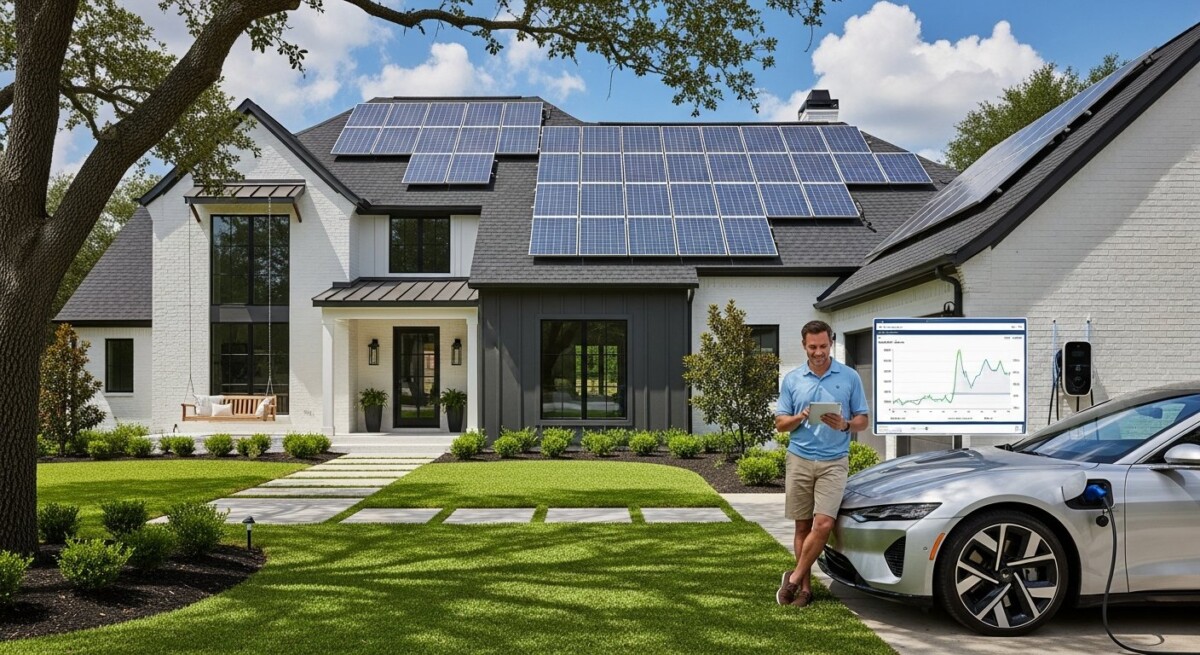
Imagine opening your monthly electricity bill and feeling a knot in your stomach. Rates keep climbing, and you wonder if there is a way to take control. That is why many homeowners start searching for what is solar output prediction,a tool that helps you understand exactly how much energy your solar panels will produce. By predicting your system’s output, you can reduce energy bills and become less dependent on the power grid.
Understanding what is solar output prediction
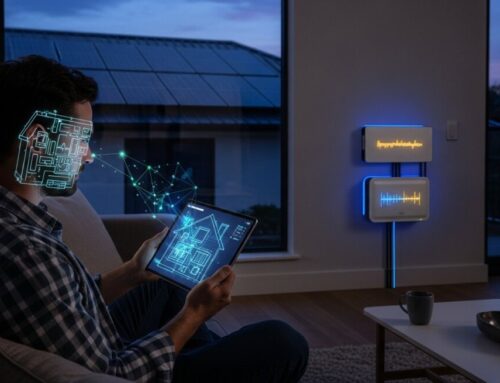
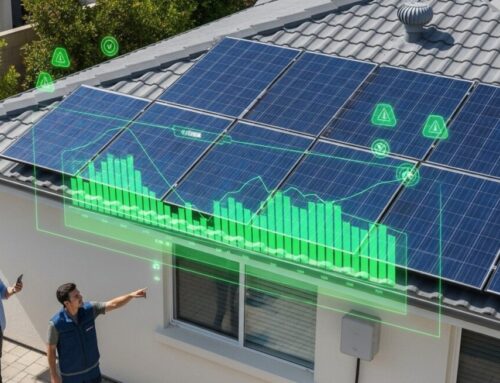
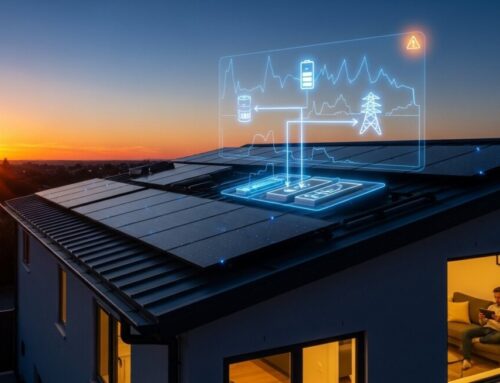
Solar output prediction is a technology that estimates how much electricity your solar panels will generate based on real-time data and weather forecasts. It uses factors like sunlight intensity, cloud cover, temperature, and panel orientation to calculate your system’s expected energy production. This information helps you plan your energy use, maximize savings, and avoid surprises.
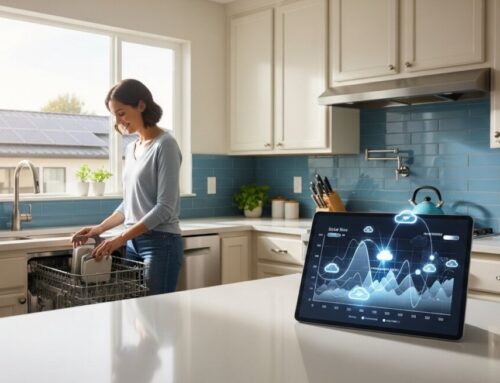
Think of it as a weather forecast for your solar system. Just as you check the weather before planning a picnic, solar output prediction tells you when your panels will produce the most power. This allows you to run high-energy appliances,like washing machines or electric car chargers,during peak production hours, lowering your reliance on the grid.
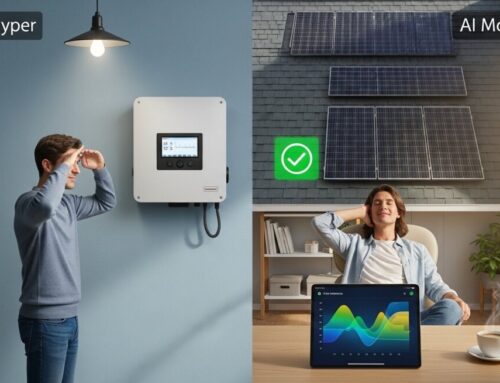
More homeowners are turning to solar output prediction because it turns guesswork into certainty. Instead of wondering if your panels are working well, you get clear data on their performance. In our guide on AI solar analytics explained, we explain how smart technology takes this a step further by optimizing your energy usage automatically.
How does solar output prediction work?
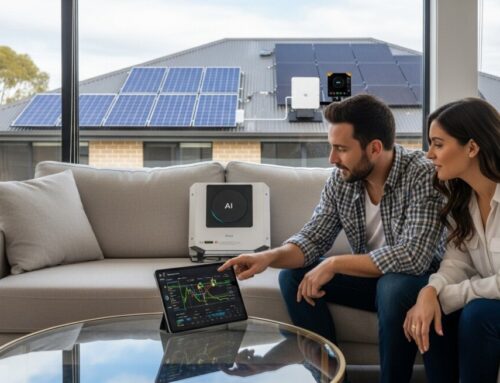
Solar output prediction relies on a combination of historical data and live weather feeds. Advanced algorithms analyze satellite images, local weather stations, and your system’s past performance to generate accurate forecasts. Some systems even learn your household’s energy habits to recommend the best times to use power.
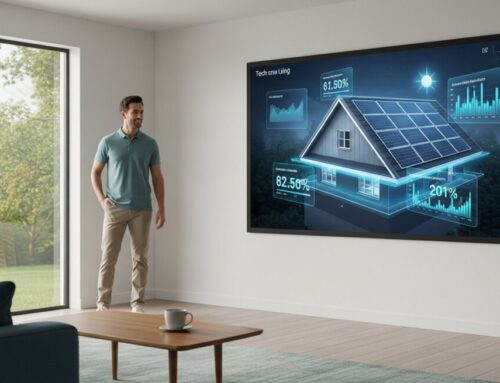
This technology is often built into modern solar monitoring platforms. You can access the predictions through a smartphone app or web dashboard, making it easy to track your savings in real time. For homeowners, this means no more guessing,just reliable numbers that help you make smarter energy decisions.
Why solar energy is becoming more popular
Electricity rates have risen steadily over the past decade, and many homeowners feel the pinch. Solar power offers a way to lock in lower energy costs and protect your budget from future rate hikes. By generating your own electricity, you reduce what you pay to the utility company each month.
Environmental concerns also play a big role. Solar energy produces clean, renewable power without releasing carbon dioxide or other pollutants. Installing panels is one of the most effective ways to shrink your household’s carbon footprint while still enjoying the comforts of modern life.
Long-term savings are another major draw. While solar panels require an upfront investment, they typically pay for themselves within 6 to 10 years through lower electricity bills. After that, the power they generate is essentially free, saving you thousands of dollars over the system’s 25- to 30-year lifespan.
If you are considering solar power for your home, comparing installation quotes can help you understand your options. Request a free solar quote or call to learn more.
Common questions homeowners have about solar
Many homeowners worry about the upfront cost of solar panels. The good news is that prices have dropped dramatically over the past decade, and federal tax credits can reduce your total cost by 30%. Many states also offer additional rebates and incentives that make solar more affordable than ever.
Another common concern is whether your roof is suitable for solar. Most roofs that face south or west and receive direct sunlight for most of the day are good candidates. A professional installer will assess your roof’s condition, angle, and shading to determine the best setup for your home.
System performance is also a frequent question. Homeowners want to know if their panels will still work on cloudy days or during winter. Solar panels do generate electricity in diffuse light, though at a reduced rate. Solar output prediction helps you set realistic expectations and plan for seasonal variations.
- How much does a solar system cost for an average home?
- Will solar panels work during a power outage?
- How long does solar panel installation take?
- Do I need to replace my roof before installing solar?
- What maintenance do solar panels require?
- Can I add batteries to store excess energy?
How solar panel installation works
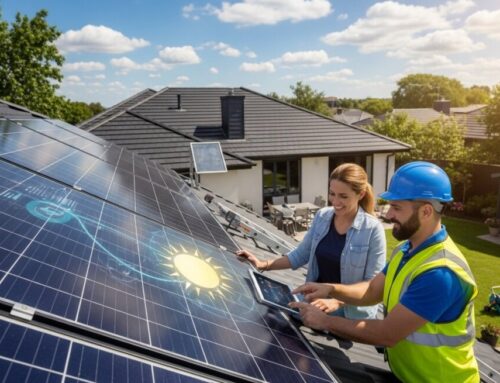
The installation process begins with a home energy assessment. An installer reviews your electricity bills, evaluates your roof, and measures your home’s energy usage. This information helps them design a system that matches your needs and maximizes your savings.
Once the design is complete, the installer handles permits and approvals from your local utility and municipal government. This step ensures your system meets all safety and building codes. After approvals are in place, the physical installation typically takes one to three days.
- Home energy assessment to determine your energy needs and roof suitability.
- System design and equipment selection based on your goals and budget.
- Permitting and approval from local authorities and your utility company.
- Panel installation, including mounting hardware, wiring, and inverter setup.
- System activation and monitoring setup so you can track performance.
Speaking with experienced installers can help you determine the best solar solution for your home. Compare solar quotes here or call to explore available options.
Signs your home may be ideal for solar
Not every home is a perfect candidate for solar, but many are. If your roof gets strong sunlight for most of the day,especially between 9 a.m. and 3 p.m.,your home likely has good solar potential. South-facing roofs with little to no shade are the best performers.
High electricity bills are another clear sign. If you pay more than $100 per month on average, solar can likely reduce your costs significantly. The more you spend on electricity, the faster your solar investment will pay off.
- Your roof receives at least 4 to 5 hours of direct sunlight daily.
- Your monthly electricity bills are consistently high.
- You have enough unobstructed roof space for panels.
- You plan to stay in your home for at least 5 to 10 more years.
- Your roof is in good condition and less than 10 years old.
What affects solar installation costs
The size of your solar system is the biggest factor in cost. Larger systems that produce more electricity require more panels and equipment, which increases the upfront price. However, they also deliver greater long-term savings, especially if your energy usage is high.
Equipment quality matters too. High-efficiency panels and premium inverters cost more but often generate more electricity over their lifespan. Cheaper components may save money upfront but could lead to lower performance or earlier replacements.
Local incentives can dramatically reduce your net cost. The federal Investment Tax Credit (ITC) currently allows you to deduct 30% of your system cost from your federal taxes. Many states, cities, and utilities offer additional rebates, performance payments, or net metering programs that make solar more affordable.
The cost of solar installation varies depending on your home and energy needs. Request personalized solar quotes or call to see what options are available.
Tips for choosing a reliable solar installer
Choosing the right installer is just as important as choosing the right equipment. A reputable company will have years of experience, proper licensing, and a track record of satisfied customers. They should also offer robust warranties on both the equipment and the installation workmanship.
Always read customer reviews and check the installer’s rating with the Better Business Bureau. Ask for references from recent installations in your area. A trustworthy installer will be happy to share this information and answer all your questions.
- Look for installers with at least 3 to 5 years of experience in solar.
- Verify that the company holds proper licenses and insurance.
- Ask about equipment warranties,panels should have at least 25 years, inverters 10 to 15 years.
- Read online reviews on platforms like Google, Yelp, and SolarReviews.
- Compare at least three quotes to understand pricing and system options.
Long-term benefits of installing solar panels
Lower electricity bills are the most immediate benefit. Once your system is paid off, the power it produces is essentially free. Over 25 years, the average homeowner saves between $20,000 and $50,000 on electricity costs, depending on their location and energy use.
Solar panels also increase your home’s value. Studies show that homes with solar systems sell for a premium compared to similar homes without them. Buyers are attracted to the promise of lower utility bills and energy independence, making your property more marketable.
Energy independence is another powerful advantage. By generating your own electricity, you protect yourself from rising utility rates and grid outages. When paired with battery storage, you can keep essential appliances running even during blackouts.
Finally, solar energy reduces your environmental impact. Every kilowatt-hour of solar power avoids carbon emissions that would come from fossil fuel generation. Installing solar is a practical way to fight climate change while saving money at the same time.
How much can I save by installing solar panels?
Savings vary based on your location, energy usage, and system size. Most homeowners save between $1,000 and $2,000 per year on electricity bills. Over the system’s lifetime, total savings often exceed $30,000 after accounting for installation costs and incentives.
Do solar panels work in cloudy or rainy weather?
Yes, solar panels still generate electricity on cloudy days, though at a reduced rate,typically 10% to 25% of their full capacity. Solar output prediction helps you anticipate these lower production periods so you can adjust your energy use accordingly.
How long do solar panels last?
Most solar panels come with performance warranties of 25 to 30 years, and they often continue producing power well beyond that. Their output gradually declines over time, but even after 25 years, most panels still operate at 80% to 87% of their original capacity.
What maintenance do solar panels need?
Solar panels require very little maintenance. Rain usually washes away dust and dirt. You may need to clean them occasionally in dry or dusty areas, and you should trim any trees that cast shade on the panels. Most systems also include monitoring software that alerts you to performance issues.
Can I install solar panels myself to save money?
DIY installation is possible but not recommended for most homeowners. Professional installers ensure the system meets local building codes, utility requirements, and safety standards. They also handle permits and paperwork, which can be complex. Mistakes in wiring or mounting can void warranties or create hazards.
How does net metering work with solar panels?
Net metering allows you to send excess electricity from your solar panels back to the grid in exchange for credits on your utility bill. When your panels produce more power than you use, your meter runs backward. You can then use those credits when your system produces less, such as at night or during cloudy weather.
Will solar panels damage my roof?
When installed correctly by a professional, solar panels do not damage your roof. In fact, they can protect the covered areas from sun, rain, and hail. Installers use mounting systems that seal penetrations to prevent leaks. Many panels also provide a slight cooling effect on the roof surface.
How do I choose the right solar system size?
The right size depends on your average monthly electricity usage, roof space, and budget. An installer will review your past utility bills to determine how many kilowatt-hours you need to offset. Solar output prediction tools then help estimate how much energy a given system will produce at your location.
Solar energy is a smart investment that pays off for years to come. By understanding what is solar output prediction and how it helps you maximize savings, you can make an informed decision about installing panels. The best way to start is by comparing quotes from multiple installers to find the right system for your home and budget.