Why Solar Systems Need Monitoring for Maximum Savings
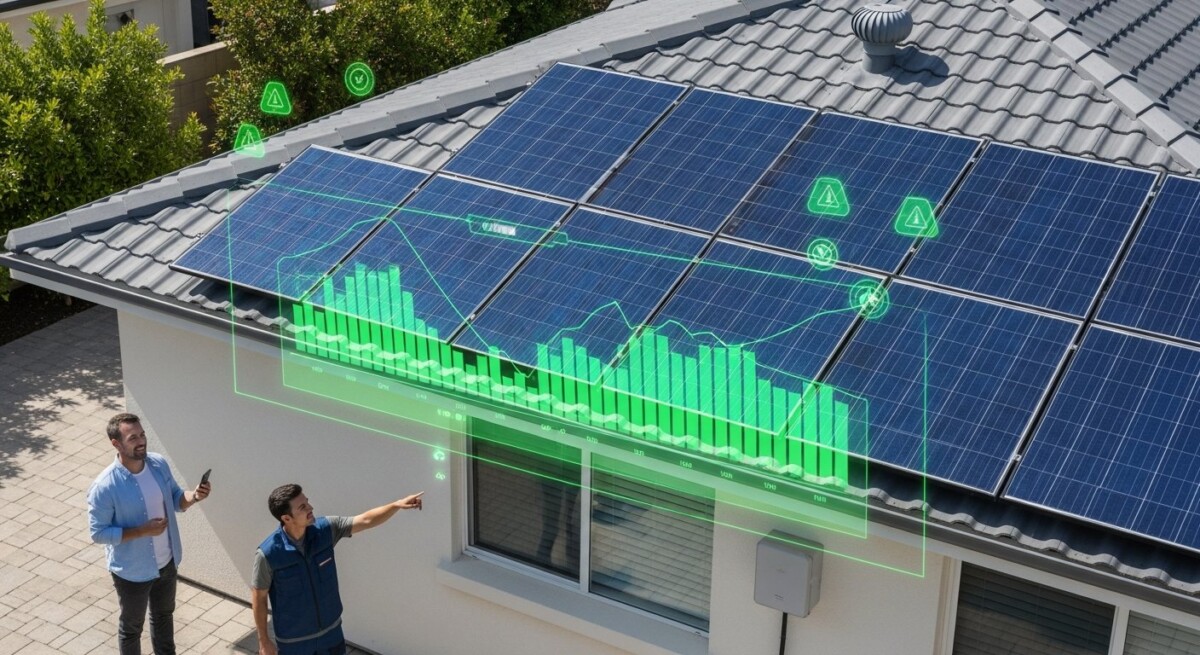
You open your monthly electricity bill and feel that familiar sting. Rates keep climbing, and you wonder if there is a way to take control. Many homeowners in the same situation begin searching for why solar systems need monitoring, hoping to cut costs and reduce dependence on the power grid. The good news is that solar energy offers a practical path toward lower bills and greater energy independence,but only if your system performs as designed. That is where monitoring comes in.
Understanding why solar systems need monitoring
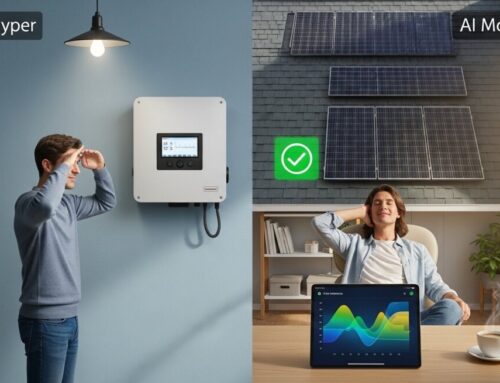
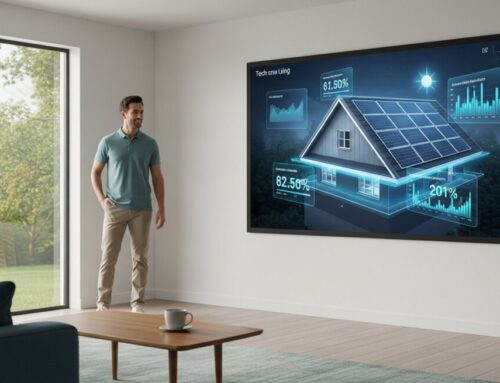
Solar monitoring is a technology that tracks how much energy your panels produce in real time. It connects your solar system to an online dashboard or mobile app, showing you exactly what is happening on your roof. Without it, you are essentially flying blind, never knowing if your investment is delivering the savings you expected.
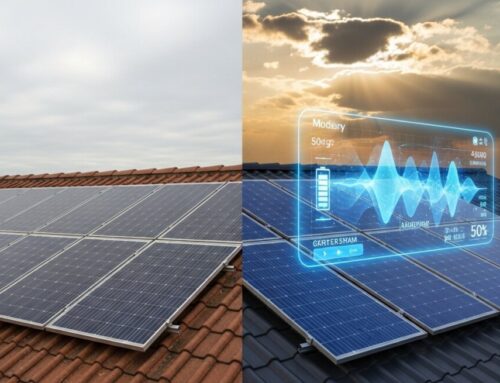
Monitoring works through sensors and inverters that measure energy output and send data to a central platform. If a panel underperforms due to shading, dirt, or a technical fault, the system alerts you immediately. This allows you to fix small problems before they become costly repairs.
More homeowners are choosing monitored systems because they provide transparency and peace of mind. Instead of guessing whether your panels are working, you see daily, weekly, and monthly production figures. This clarity helps you verify that your solar installation is living up to its promise.
Why Solar Energy Is Becoming More Popular
Electricity prices have risen steadily over the past decade, and the trend shows no sign of stopping. Homeowners are tired of unpredictable bills and are looking for stable, long-term solutions. Solar energy offers exactly that,a way to generate your own power and lock in lower energy costs.
Environmental concerns also drive the shift. Many people want to reduce their carbon footprint and contribute to a cleaner planet. Solar panels produce electricity without emitting greenhouse gases, making them one of the most effective tools for fighting climate change.
Long-term savings remain the biggest draw. While the upfront cost of solar panels can seem high, the return on investment is substantial. Over 20 to 25 years, most homeowners save tens of thousands of dollars on electricity, especially when they take advantage of available incentives.
If you are considering solar power for your home, comparing installation quotes can help you understand your options. Request a free solar quote or call (555) 123-4567 to learn more.
Common Questions Homeowners Have About Solar
Before making a decision, most homeowners have questions about cost, suitability, and performance. Understanding the answers can help you feel confident about moving forward.
Installation cost is often the first concern. The price depends on system size, equipment quality, and local labor rates, but federal tax credits and state rebates can reduce the expense by 30 percent or more. Many installers also offer financing options to spread payments over time.
Roof suitability is another frequent question. Not every roof works perfectly for solar, but most do. Factors like age, material, orientation, and shading all play a role. A professional installer will assess your roof during a home energy assessment and recommend the best approach.
System performance also worries homeowners. Will the panels work on cloudy days? Yes,solar panels still generate electricity in diffuse light, though at reduced levels. Monitoring ensures you can track performance year-round and address any dips quickly.
- How much does a typical solar system cost?
- Will solar panels work on my roof?
- How long do solar panels last?
- What happens during a power outage?
- Do I need a battery with my solar system?
- How long does installation take?
How Solar Panel Installation Works
The installation process is straightforward when you work with a reputable installer. It begins with a home energy assessment, where a technician reviews your electricity usage, roof condition, and sunlight exposure. This data determines the ideal system size and layout.
Next, the installer designs a custom system and handles all permits and approvals. This step ensures your installation meets local building codes and utility requirements. Once permits are secured, the physical installation takes one to three days, depending on system complexity.
After the panels are mounted and wired, the system is inspected and connected to the grid. Activation typically happens within a few weeks, and your monitoring system goes live the same day. From then on, you can watch your savings grow in real time.
- Home energy assessment
- System design and equipment selection
- Permits and approvals
- Panel installation and wiring
- Inspection, grid connection, and activation
Speaking with experienced installers can help you determine the best solar solution for your home. Compare solar quotes here or call (555) 123-4567 to explore available options.
Signs Your Home May Be Ideal for Solar
Not every home is a perfect candidate, but most can benefit from solar energy. The key is to look for a few favorable conditions that maximize production and savings.
Strong sunlight exposure is the most important factor. Homes with south-facing roofs that receive direct sunlight for most of the day generate the most electricity. Even east- or west-facing roofs can work well, especially with modern high-efficiency panels.
High electricity bills are another strong indicator. If you pay more than $100 per month, solar can likely reduce your costs significantly. The more you spend on electricity, the faster your solar investment pays for itself.
- Strong sunlight exposure with minimal shading
- High monthly electricity bills
- Suitable roof space (at least 300 square feet)
- Long-term home ownership plans (5+ years)
- Good roof condition or plans to replace it soon
- Access to net metering or other utility programs
What Affects Solar Installation Costs
Solar system costs vary widely based on several key factors. Understanding these can help you compare quotes accurately and avoid overpaying.
System size is the biggest cost driver. A larger system with more panels generates more electricity but requires a bigger upfront investment. Your installer will recommend a size based on your annual energy usage, not just your roof space.
Equipment quality also matters. Premium panels and inverters cost more but often come with longer warranties and better efficiency. Cheaper components may save money upfront but could lead to lower production or earlier replacement.
Local incentives and installation complexity further influence price. Some states offer additional rebates or performance-based incentives that lower net costs. Difficult roof angles, old electrical panels, or multiple stories can add labor time and expense.
The cost of solar installation varies depending on your home and energy needs. Request personalized solar quotes or call (555) 123-4567 to see what options are available.
Tips for Choosing a Reliable Solar Installer
Selecting the right installer is just as important as choosing the right equipment. A good installer ensures your system is designed correctly, installed safely, and monitored effectively from day one.
Start by reviewing each installer’s experience and credentials. Look for companies that have been in business for several years and hold certifications from organizations like the North American Board of Certified Energy Practitioners (NABCEP). These credentials indicate a commitment to quality and ongoing training.
Check warranties carefully. A reliable installer should offer a workmanship warranty of at least 10 years, while equipment warranties typically cover panels for 25 years. Also, read customer reviews on independent platforms to see how past clients rate their experience.
- Review installer experience and NABCEP certification
- Check equipment and workmanship warranties
- Read customer reviews on Google or EnergySage
- Compare at least three quotes to see price and value differences
- Ask about monitoring options and ongoing support
- Confirm the installer handles permits and utility approvals
Long-Term Benefits of Installing Solar Panels
The decision to go solar pays off in multiple ways over time. Lower electricity bills are the most immediate benefit, but the advantages go far beyond monthly savings.
Installing solar panels can increase your home’s value. Studies show that homes with solar systems sell for more than comparable non-solar homes, and they often sell faster. Buyers recognize the value of lower utility costs and energy independence.
Reducing your environmental impact is another powerful motivator. A typical residential solar system offsets several tons of carbon dioxide each year,equivalent to planting dozens of trees. For many homeowners, this aligns with their values and gives them a sense of contribution to a cleaner future.
Energy independence is perhaps the most underrated benefit. When you generate your own electricity, you are less vulnerable to utility rate hikes and grid outages. Pairing solar with monitoring and battery storage gives you even greater control over your energy use and costs.
How does solar monitoring help me save money?
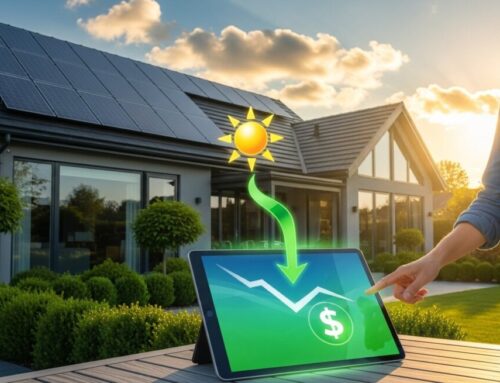
Solar monitoring shows you exactly how much energy your panels produce each day. When you see a drop in production, you can investigate and fix issues quickly,before they cost you lost savings. Over time, catching problems early can save hundreds or even thousands of dollars.
Is solar monitoring included with every system?
Not always. Some installers include basic monitoring as part of the package, while others charge extra for advanced features. When comparing quotes, ask what monitoring hardware and software are included and whether there are ongoing subscription fees.
Can I monitor my solar system from my phone?
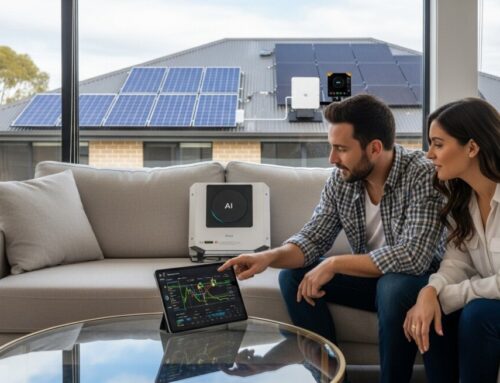
Yes. Most modern monitoring systems offer a mobile app that updates in real time. You can check production, see historical data, and receive alerts about performance issues right from your smartphone.
What happens if my solar system stops working?
Monitoring alerts you immediately if a panel or inverter fails. Many systems also include automatic shutdown features for safety. Your installer can then diagnose the problem remotely or schedule a service visit to get your system back online quickly.
How long do solar panels last?
Most solar panels come with a 25-year performance warranty, but they often continue producing electricity for 30 years or more. Monitoring helps you track degradation over time so you know when panels may need replacement.
Do I need a battery with my solar system?
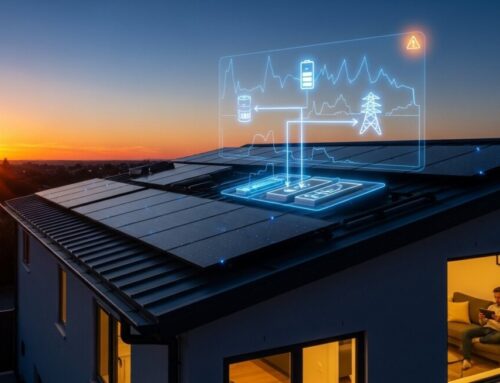
A battery is optional but increasingly popular. It stores excess energy for use at night or during outages. Monitoring works with batteries too, giving you a complete picture of energy production, storage, and consumption.
Will solar work on a cloudy day?
Yes. Solar panels still generate electricity in cloudy conditions, though at reduced efficiency. Monitoring shows you exactly how much you are producing, so you always know what to expect.
How do I choose between different solar quotes?
Compare more than just the total price. Look at equipment quality, warranty terms, monitoring features, and installer reputation. A slightly higher upfront cost may be worth it if the system is more efficient and better supported over the long term.
Solar energy is a practical, long-term investment that reduces your electricity bills, increases home value, and supports a cleaner environment. The key to maximizing those benefits is understanding why solar systems need monitoring and choosing the right installer. By comparing multiple quotes and asking the right questions, you can find a system that fits your home and budget. Start exploring your options today and take the first step toward energy independence.