AI Solar Energy Optimization Explained: Cut Bills & Boost Efficiency
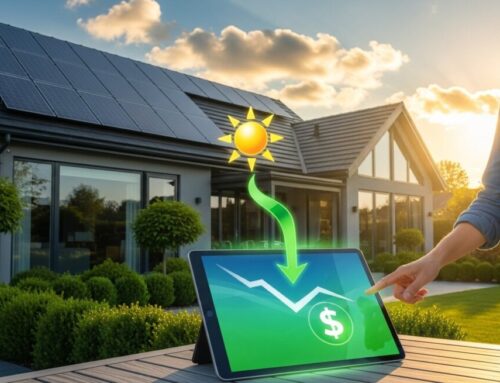
Have you opened your latest electricity bill and felt a knot in your stomach? You are not alone. Rising energy costs are pushing more homeowners to search for smarter ways to power their homes. Many are now discovering ai solar energy optimization explained in simple terms,a technology that helps solar systems work harder, save more money, and reduce reliance on the power grid.
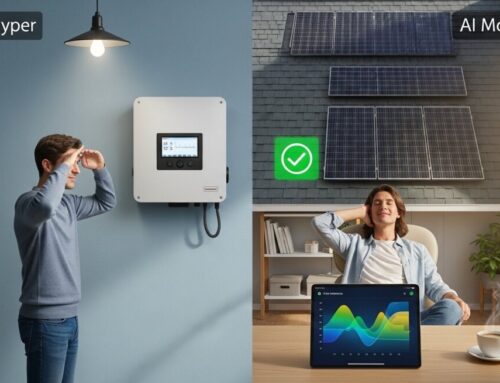
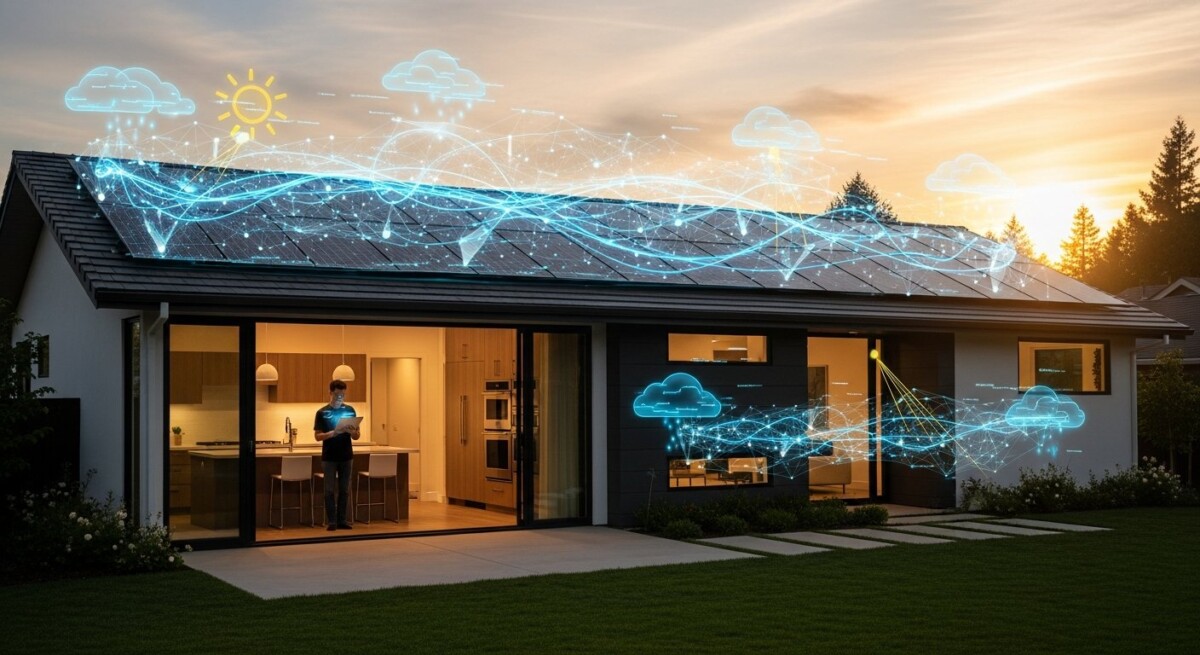
Imagine a system that learns your home’s energy habits, predicts weather patterns, and adjusts your solar panels in real time to maximize every ray of sun. That is exactly what AI-powered solar optimization does. It turns a standard solar setup into a dynamic, money-saving powerhouse. If you have been researching solar panel installation, understanding this concept can help you make a smarter investment.
Understanding ai solar energy optimization explained
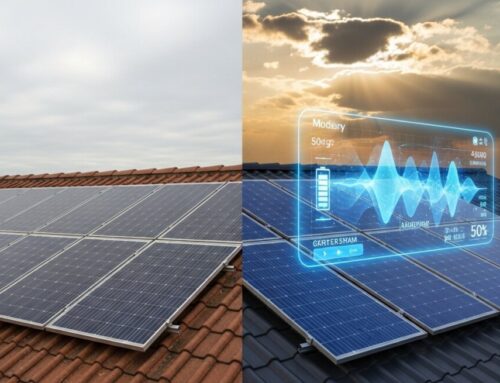
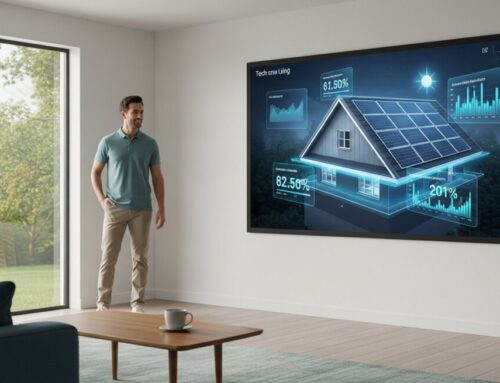
At its core, ai solar energy optimization explained means using artificial intelligence to get the most out of your solar panels. Traditional solar systems produce energy whenever the sun shines, but they cannot adapt to changing conditions. AI changes that by constantly analyzing data,cloud cover, temperature, your home’s energy usage patterns, and even electricity prices,to decide when to store power, when to use it, and when to send it back to the grid.
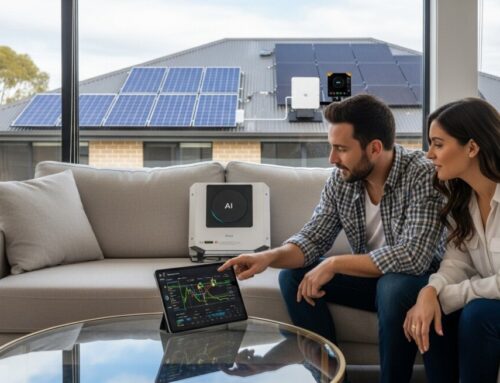
Think of it like a smart thermostat for your entire energy system. Just as a thermostat learns when you like the house warm and when you prefer it cool, an AI optimizer learns your daily routine. It might charge your battery overnight when rates are low, then run your dishwasher during peak sunlight hours. Over time, this fine-tuning can cut your electricity bill by 15,30 percent compared to a non-optimized system.
Why are more homeowners considering this approach? Because it offers a clear path to energy independence. Instead of being at the mercy of utility rate hikes, you take control. As we explain in our guide on how to use AI for solar energy to slash your electric bill, this technology turns your roof into an intelligent asset that works for you around the clock.
How AI Makes Solar Smarter
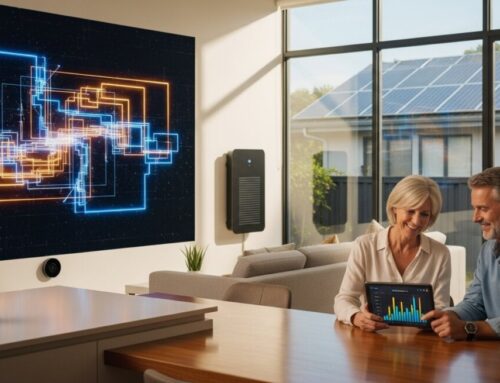
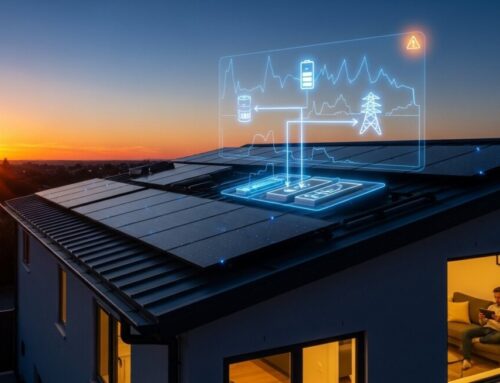
The magic happens through a combination of sensors, software, and machine learning. Solar panels are connected to an AI-enabled inverter or energy management system. This system collects data from weather forecasts, your smart home devices, and even local grid signals. It then runs thousands of calculations per second to decide the optimal use of energy.
For example, if the forecast calls for a cloudy afternoon, the system might store extra energy in your battery during the morning. If electricity rates spike at 5 PM, it will hold off on running your dryer until solar production peaks. This level of precision was impossible just a few years ago, but now it is available to homeowners through professional solar installations.
Why Solar Energy Is Becoming More Popular
Solar energy adoption has skyrocketed in recent years, and for good reason. The average American household spends over $1,500 annually on electricity, and those costs keep climbing. Solar panels offer a way to lock in lower energy rates for decades. Add in federal tax credits, state rebates, and net metering programs, and the financial case becomes compelling.
Beyond money, there is a growing desire to reduce environmental impact. Every kilowatt-hour of solar energy you generate means less coal or natural gas burned at a power plant. For many homeowners, that peace of mind is just as valuable as the savings. The combination of lower bills, government incentives, and eco-friendly living is driving record numbers of installations.
Of course, going solar is a big decision. The key is to work with a professional installer who can design a system tailored to your home. That is why we always encourage homeowners to compare quotes before committing.
If you are considering solar power for your home, comparing installation quotes can help you understand your options. Request a free solar quote or call to learn more.
Common Questions Homeowners Have About Solar
It is normal to have questions before making such an important investment. Many homeowners worry about the upfront cost, but prices have dropped dramatically,by more than 70 percent over the past decade. Financing options, including solar loans and leases, make it accessible for most budgets.
Another common concern is roof suitability. Not every roof faces south or has perfect sun exposure, but modern panels are efficient enough to work on east- or west-facing roofs. A professional installer can evaluate your specific situation and recommend the best setup. System performance also depends on maintenance, but solar panels require very little upkeep,just occasional cleaning and annual inspections.
- How much does a solar system cost for an average home?
- Will solar panels work on my roof if it is shaded?
- How long do solar panels last, and what warranties come with them?
- Can I go completely off-grid with solar and batteries?
- What happens to my solar system during a power outage?
- Are there still federal or state incentives available in 2025?
How Solar Panel Installation Works
The installation process is more straightforward than most people expect. It typically takes one to three days, depending on the size of your system and the complexity of your roof. The real work happens before the crew arrives, during the design and permitting phase.
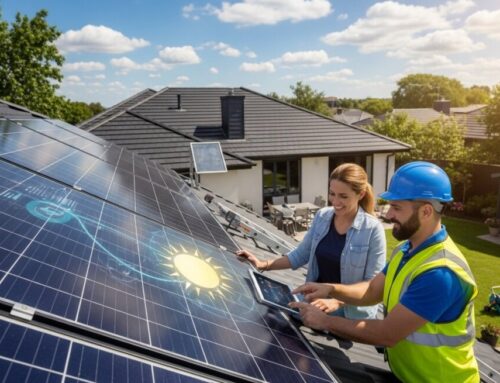
Your installer will first perform a home energy assessment to understand your usage patterns and roof structure. Then they design a system that meets your needs, secure permits from your local government, and coordinate with your utility company for net metering approval. Once everything is in place, the installation team mounts the panels, connects the inverter, and activates your system.
- Home energy assessment , Review your past bills and inspect your roof.
- System design , Choose panel type, inverter, and battery if desired.
- Permits and approvals , Obtain necessary local permits and utility agreements.
- Panel installation , Mount panels, install inverter, and run wiring.
- System activation , Turn on the system and monitor its performance.
Speaking with experienced installers can help you determine the best solar solution for your home. Compare solar quotes here or call to explore available options.
Signs Your Home May Be Ideal for Solar
Not every home is a perfect candidate, but many are. The best indicators are a south-facing roof with little to no shade, high electricity bills, and a plan to stay in your home for at least five to seven years. If you meet these criteria, solar can deliver strong returns.
Even if your roof is not ideal, ground-mounted panels or community solar programs might be alternatives. A professional installer can run a solar production calculator to estimate your savings. For a quick estimate, check out our optimize solar energy with our calculator tool to see how much you could save.
- Your roof gets strong sunlight for most of the day.
- Your monthly electricity bills are consistently high.
- You have enough unshaded roof space (typically 300,500 square feet).
- You plan to stay in your home for several more years.
- Your state offers net metering or solar rebates.
- You want to reduce your carbon footprint.
What Affects Solar Installation Costs
The cost of a solar system varies widely, but the national average is between $15,000 and $25,000 before incentives. System size is the biggest factor,more panels mean higher upfront cost but also greater savings. Equipment quality also matters; premium panels and microinverters cost more but often come with better warranties and efficiency.
Installation complexity can add to the price. A complex roof with multiple angles, skylights, or old shingles may require extra labor. However, local incentives can significantly offset the cost. The federal Investment Tax Credit (ITC) currently covers 30 percent of the system cost, and many states offer additional rebates or performance-based incentives.
The cost of solar installation varies depending on your home and energy needs. Request personalized solar quotes or call to see what options are available.
Tips for Choosing a Reliable Solar Installer
Choosing the right installer is just as important as choosing the right panels. A good installer will guide you through equipment selection, permits, and financing. They will also stand behind their work with solid warranties and responsive customer service.
Start by checking the company’s experience and certifications. Look for installers who are NABCEP-certified and have been in business for at least three to five years. Read online reviews on platforms like Google, Yelp, and the Better Business Bureau. And always get multiple quotes,prices and recommendations can vary significantly between companies.
- Verify the installer’s licensing and insurance.
- Ask about panel and inverter warranties (25-year performance warranty is standard).
- Read recent customer reviews and ask for references.
- Compare at least three detailed quotes that include equipment, labor, and permits.
- Ask about monitoring and maintenance services.
Long-Term Benefits of Installing Solar Panels
The most obvious benefit is lower electricity bills. Most homeowners recoup their investment within 6,10 years, then enjoy free or low-cost power for the remaining 15,20 years of the system’s life. Over 25 years, total savings can range from $20,000 to $50,000 or more, depending on local electricity rates.
Solar panels also increase your home’s resale value. Studies show that homes with solar sell for about 4 percent more than comparable non-solar homes. And because solar reduces your reliance on fossil fuels, you are directly contributing to a cleaner environment. Every kilowatt-hour of solar energy prevents about 0.8 pounds of carbon dioxide from entering the atmosphere.
Finally, there is the intangible benefit of energy independence. When paired with battery storage, you can keep your lights on during grid outages and protect your family from rising energy costs. That peace of mind is something no utility company can offer.
How much can I save on electricity bills with solar panels?
Savings depend on your location, system size, and energy usage. On average, homeowners save between $600 and $1,500 per year. With AI optimization, those savings can increase by 15,30 percent because the system learns to use energy more efficiently. Your installer can provide a customized savings estimate based on your specific situation.
Is my roof suitable for solar panels?
Most roofs can accommodate solar panels if they are in good condition and receive adequate sunlight. A south-facing roof with no shade is ideal, but east- and west-facing roofs work well too. An installer will inspect your roof’s age, material, and angle during the free assessment to determine suitability.
How long do solar panels last?
Solar panels typically last 25,30 years, and most come with a performance warranty guaranteeing at least 80 percent output after 25 years. Inverters may need replacement after 10,15 years. With proper maintenance, your system can continue producing power well beyond the warranty period.
What incentives are available for solar in 2025?
The federal solar tax credit (ITC) offers a 30 percent deduction on your total system cost. Many states add their own rebates, performance incentives, or property tax exemptions. Some utilities also offer net metering, which credits you for excess energy sent to the grid. Check with local installers for up-to-date information.
Will solar panels work during a power outage?
Standard grid-tied solar systems shut down during outages for safety reasons. However, if you install a battery backup system, you can store energy and use it when the grid is down. Some advanced inverters also offer “sunlight backup” that allows limited solar use without a battery.
How does AI optimization work with solar panels?
AI optimization uses machine learning to analyze weather forecasts, your energy usage habits, and real-time electricity prices. It then automatically adjusts when your panels charge your battery, power your home, or export energy to the grid. This maximizes savings and efficiency without any effort on your part.
Do I need to clean my solar panels often?
Solar panels are self-cleaning to some degree, as rain washes away dust and dirt. In most climates, an annual inspection and cleaning by a professional is sufficient. If you live in a dusty area or have heavy pollen, you may need cleaning twice a year to maintain peak efficiency.
Can I install solar panels myself to save money?
DIY solar installation is possible but risky. Improper wiring can lead to fire hazards, void warranties, and disqualify you from incentives and net metering. Professional installation ensures safety, code compliance, and optimal performance. The upfront savings of DIY are often outweighed by long-term headaches.
Solar energy is no longer a futuristic concept,it is a practical, proven way to cut costs and gain control over your home’s energy future. By understanding ai solar energy optimization explained and working with reputable installers, you can make an informed decision that pays off for decades. Start your journey today by comparing quotes and seeing how much you could save.