AI Solar Monitoring: Cut Bills and Boost Efficiency
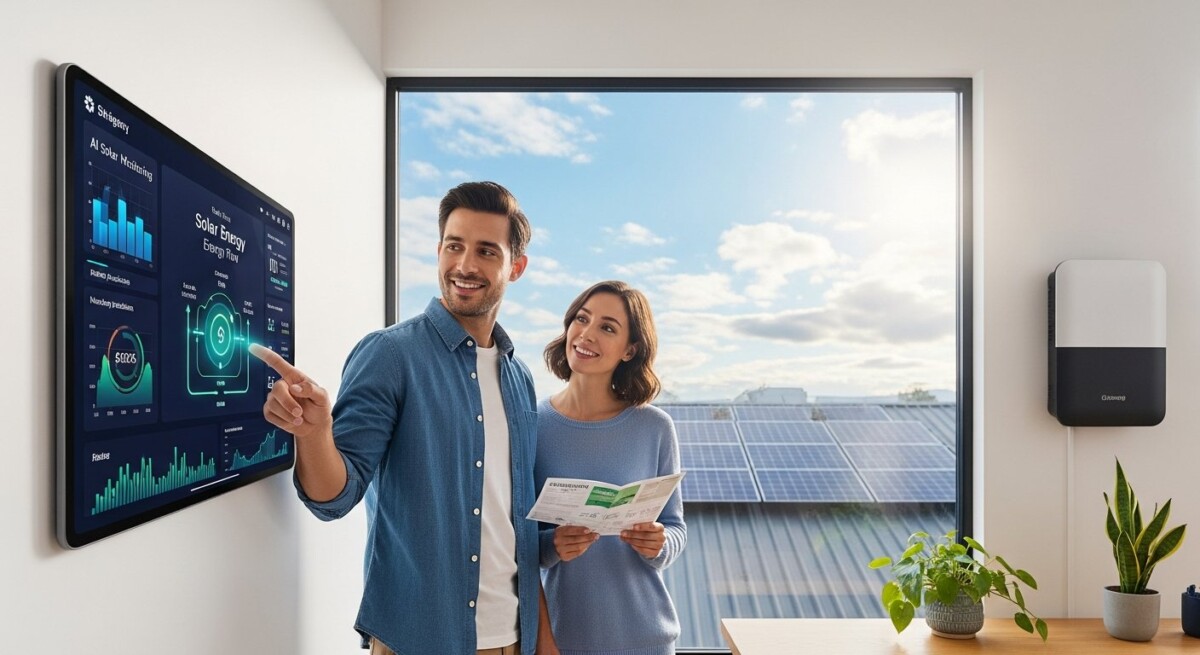
You open your monthly electricity bill and feel a familiar pang of frustration. Rates keep climbing, and you wonder if there is a way to take control of your energy costs. This is exactly why so many homeowners are now searching for ai solar monitoring solutions that promise smarter savings and greater peace of mind. By pairing solar panels with intelligent software, you can reduce your reliance on the grid and keep more money in your pocket every month.
Understanding AI Solar Monitoring
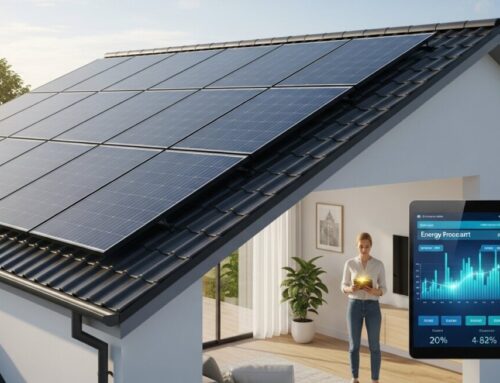
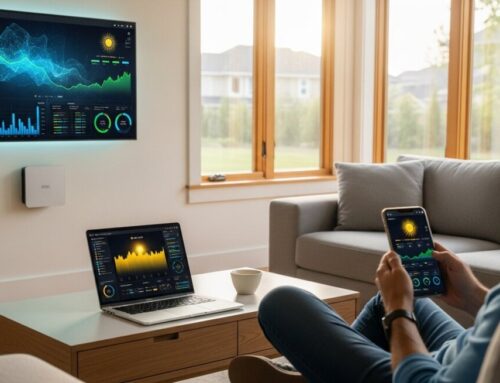
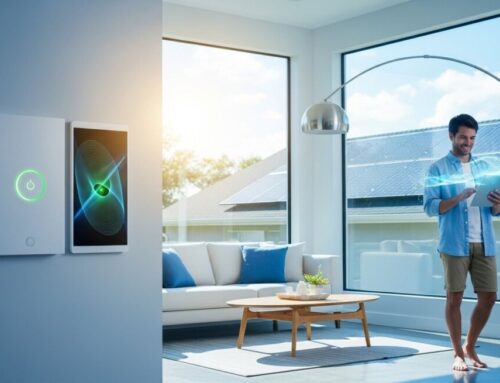
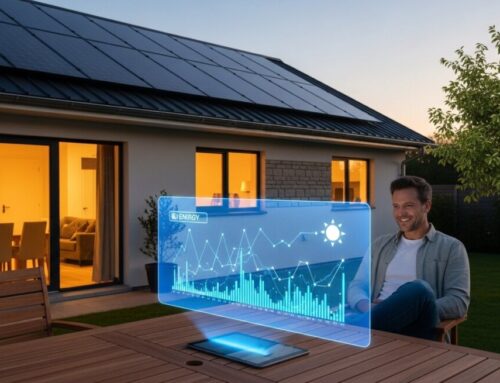
AI solar monitoring uses artificial intelligence to track how your solar panels perform in real time. Instead of simply showing how much energy you produce, the system learns your household’s consumption patterns and weather forecasts. It then automatically adjusts settings to maximize efficiency and minimize waste.
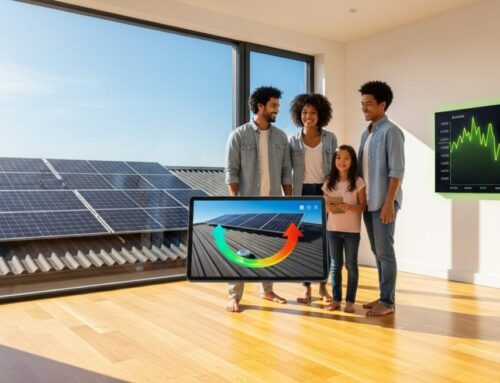
For example, if the AI detects clouds rolling in, it can shift power usage to battery storage or delay non-essential tasks until the sun returns. This technology helps you get the most out of every kilowatt-hour your panels generate. More homeowners are turning to AI-powered systems because they turn passive solar arrays into active, money-saving assets.
How It Works Under the Hood
Sensors on your panels and inverter send live data to a cloud-based platform. The AI analyzes this information alongside utility rate changes and local weather data. Over time, the system improves its predictions, ensuring your home uses solar energy when it is cheapest and most abundant.
Why Solar Energy Is Becoming More Popular
Rising electricity prices are the number one reason families switch to solar. The average cost of grid power has increased steadily for years, and there is no sign of it slowing down. Solar panels offer a way to lock in lower energy costs for decades.
Environmental concerns also play a big role. Homeowners want to reduce their carbon footprint without sacrificing comfort or convenience. Solar power lets you generate clean energy right from your roof, cutting emissions and supporting a healthier planet. And with federal tax credits and many state rebates available, the upfront cost has never been more affordable.
If you are considering solar power for your home, comparing installation quotes can help you understand your options. Request a free solar quote or call +1 (888) 999-2929 to learn more.
Common Questions Homeowners Have About Solar
Many people worry that solar panels are too expensive or that their roof is not right for them. These concerns are valid, but professional installers can address them with a simple site evaluation. Most homes with a south- or west-facing roof receive enough sunlight to make solar worthwhile.
Performance is another frequent question. Will the system work on cloudy days or during winter? Yes,modern panels still generate power in diffuse light, and net metering programs let you earn credits for any excess energy you send back to the grid. The key is working with an installer who designs a system tailored to your specific home and energy usage.
- How much does a typical solar system cost after incentives?
- Will solar panels work on my roof type and age?
- What happens if my system produces more energy than I use?
- How long do panels last, and what maintenance is required?
- Do I need a battery, or can I stay connected to the grid?
- How does weather affect daily energy production?
How Solar Panel Installation Works
The installation process starts with a free home energy assessment. An installer reviews your past electricity bills, examines your roof’s condition and orientation, and checks for shading from trees or nearby buildings. This step is crucial because it determines the optimal system size and placement.
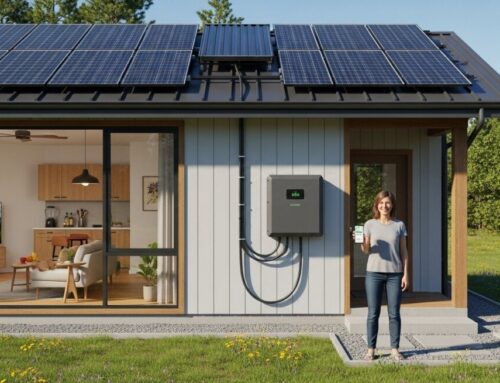
Once the design is finalized, the installer handles all permits and approvals with your local utility and building department. Professional crews then mount the panels, connect the inverter, and wire everything safely. The whole process typically takes one to three days, and your system can be activated shortly after final inspection.
- Schedule a home energy assessment and roof evaluation.
- Receive a custom system design and cost estimate.
- Installer secures necessary permits and utility approvals.
- Professional crew installs panels, inverter, and wiring.
- System passes inspection and is connected to the grid.
- Activation and monitoring setup, including AI software.
Speaking with experienced installers can help you determine the best solar solution for your home. Compare solar quotes here or call +1 (888) 999-2929 to explore available options.
Signs Your Home May Be Ideal for Solar
Not every home is equally suited for solar panels, but many are better candidates than homeowners realize. If your roof gets strong sunlight for most of the day and has enough clear space, you are likely a good fit. South-facing roofs with little to no shade capture the most energy year-round.
High electricity bills are another strong indicator. The more you currently pay the utility company, the faster your solar investment will pay off. If you plan to stay in your home for five years or more, the long-term savings become especially attractive.
- Your roof receives direct sunlight for at least four to six hours daily.
- Electricity bills consistently exceed $100 per month.
- Roof is less than 15 years old and in good structural condition.
- You plan to own your home for at least five more years.
- Local utility offers net metering or time-of-use rates.
- State or local incentives reduce the upfront cost significantly.
What Affects Solar Installation Costs
The size of your solar system is the biggest cost factor. Larger homes with higher energy consumption need more panels, which raises the price. However, bigger systems also generate more savings over time, often leading to a faster return on investment.
Equipment quality matters too. Premium panels and inverters cost more upfront but tend to last longer and produce more power. Installation complexity,such as a steep roof, multiple stories, or tile roofing,can add labor costs. On the positive side, federal and state incentives typically cover 30% or more of the total cost, making solar far more accessible than it was a decade ago.
The cost of solar installation varies depending on your home and energy needs. Request personalized solar quotes or call +1 (888) 999-2929 to see what options are available.
Tips for Choosing a Reliable Solar Installer
Not all solar companies provide the same level of service. A trustworthy installer takes time to understand your needs, explains every part of the quote, and offers transparent pricing. They should also be licensed, insured, and experienced with local permit processes.
Checking customer reviews and asking for references can reveal a lot about an installer’s reputation. A reliable company will also stand behind its work with solid warranties on both equipment and labor. Comparing multiple quotes is the best way to find a fair price and the right partner for your project.
- Verify the installer’s licenses, certifications, and insurance.
- Read recent customer reviews on Google, Yelp, or the BBB.
- Ask about equipment warranties (typically 25 years for panels).
- Request a detailed quote showing all costs and estimated savings.
- Compare at least three quotes from different companies.
- Choose an installer who offers ongoing monitoring and support.
Long-Term Benefits of Installing Solar Panels
The most immediate benefit is lower electricity bills. With your own solar system, you generate free power from the sun every day. Over 20 to 25 years, those savings can total tens of thousands of dollars, depending on your local utility rates and system size.
Solar panels also increase your home’s resale value. Studies show that homes with solar sell faster and for a premium compared to similar homes without it. Beyond finances, you gain energy independence,protecting yourself from future rate hikes and power outages. And every kilowatt-hour you generate from the sun reduces your carbon footprint, contributing to a cleaner environment for your family and community.
Frequently Asked Questions
What is AI solar monitoring and how does it help me save money?
AI solar monitoring uses smart software to track your panel performance and energy usage in real time. It automatically adjusts your system to use solar power when it is most abundant and cheapest. This reduces grid reliance and lowers your monthly electricity bills significantly over time.
Do I need a battery with my solar system?
Batteries are optional but highly recommended if you want backup power during outages or want to store excess energy for evening use. AI monitoring works with or without batteries, but pairing them gives you greater control and savings. Your installer can help you decide based on your goals and budget.
How long does it take to install solar panels on a typical home?
Most residential installations take one to three days for the physical setup. The entire process from assessment to activation usually takes four to eight weeks, depending on permit timelines and utility approvals. Professional installers handle all the logistics so you can focus on enjoying the savings.
Will solar panels work during cloudy days or winter?
Yes, modern solar panels still generate electricity in diffuse light, though at reduced output. AI monitoring helps maximize production by adjusting usage patterns around weather forecasts. Net metering also lets you earn credits for sunny-day overproduction to use during cloudy periods.
What maintenance do solar panels require?
Solar panels are very low maintenance. Occasional rain usually keeps them clean, but you may need to rinse off dust or debris if you live in a dry area. AI monitoring can alert you if a panel underperforms, so you can address issues quickly without climbing onto your roof.
How much can I save on electricity bills with solar panels?
Savings vary based on your location, system size, and energy usage. Many homeowners cut their monthly bills by 50% to 90%, and some reach net-zero with the right setup. AI monitoring optimizes your system to ensure you capture every possible dollar of savings.
Are there government incentives for installing solar panels in 2025?
Yes, the federal solar tax credit still offers 30% of your system cost as a tax credit with no upper limit. Many states and utilities add rebates, performance payments, or property tax exemptions. Your installer can provide current incentive details for your specific area.
How do I get started with comparing solar quotes?
Start by requesting quotes from three to five licensed solar installers in your area. Provide them with your recent electricity bills and any roof photos. Compare system designs, equipment quality, warranties, and total costs to find the best value for your home.
Taking control of your home energy starts with one simple step. AI solar monitoring makes your panels smarter and your savings bigger, but the right installation partner makes all the difference. Compare solar quotes from trusted professionals today and see how much you can save on your electricity bills while helping the planet.