Top Solar AI Software Tools for Smarter Home Energy Savings

You open your monthly electricity bill and feel a familiar pinch. Rates keep climbing, and you wonder if there is a way out. This is why more homeowners are searching for top solar ai software tools to design smarter, more efficient systems. The promise is simple: lower bills and less reliance on the power grid. But with so many options, understanding what these tools do can help you make a confident decision.
Understanding Top Solar AI Software Tools
Solar AI software tools combine artificial intelligence with solar energy planning. They analyze your roof, local weather patterns, and electricity usage to design a system that maximizes savings. Instead of guessing where panels should go, these tools use data to find the best placement and size for your home.
The technology works by processing satellite images, historical sunlight data, and your utility bills. It then predicts how much energy your panels will produce month by month. This removes much of the guesswork for homeowners and installers alike. As AI improves, these tools become more accurate, helping you avoid oversizing or undersizing your system.
A Closer Look at AI Solar Analytics
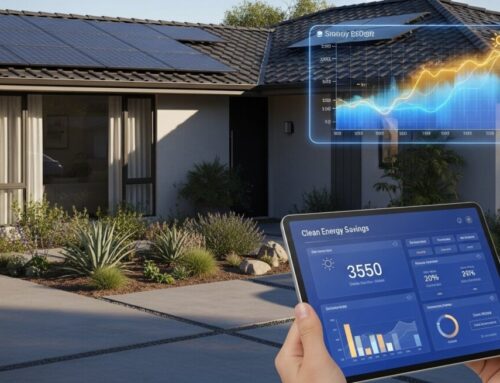
One of the most powerful features is AI-driven analytics. These models can forecast energy production and spot potential shading issues before installation begins. In our guide on AI Solar Analytics Explained, we explain how this technology turns raw data into clear savings estimates. For homeowners, this means fewer surprises and a system that performs as promised.
Why Solar Energy Is Becoming More Popular
Electricity rates have risen steadily over the past decade, and many homeowners are looking for a hedge against future increases. Solar panels offer a way to lock in lower energy costs for 25 years or more. At the same time, federal and state incentives can reduce the upfront cost by 30% or more, making solar more accessible than ever.
Environmental concerns also play a role. Generating your own clean energy reduces your carbon footprint and helps build a more sustainable future. But the real driver for most families is long-term savings. Once the system is paid off, your electricity is essentially free, and that financial freedom is hard to ignore.
If you are considering solar power for your home, comparing installation quotes can help you understand your options. Request a free solar quote or call to learn more.
Common Questions Homeowners Have About Solar
Many homeowners worry about the initial cost of installation. While solar panels require an upfront investment, financing options such as loans and leases can spread payments over time. Most systems pay for themselves within 6 to 10 years through electricity savings.
Roof suitability is another frequent concern. South-facing roofs with little shade are ideal, but east- and west-facing roofs can also work well. AI software tools can evaluate your roof’s potential without anyone climbing up there, giving you a clear picture upfront.
- How much does a typical solar system cost?
- Will solar panels work on my roof?
- How long do solar panels last?
- What happens during cloudy days or at night?
- Are there government incentives available?
- How much will I really save on my electricity bill?
How Solar Panel Installation Works
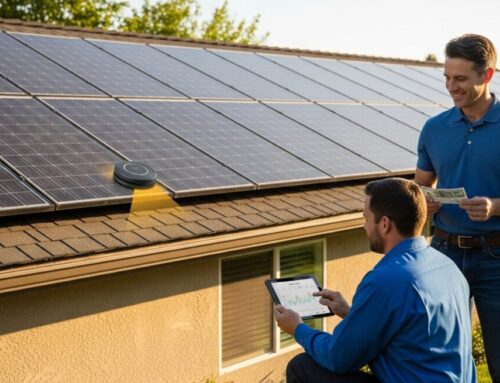
The process begins with a home energy assessment. An installer reviews your electricity usage, roof condition, and sunlight exposure. Using top solar ai software tools, they create a custom system design that fits your home and budget.
After the design is finalized, permits and approvals are handled by the installer. Many companies manage this paperwork so you don’t have to. Then comes the installation itself, which usually takes one to three days. Finally, the system is connected to the grid and activated.
- Home energy assessment and data collection
- AI-powered system design and savings estimate
- Permits and utility approvals
- Panel and inverter installation
- Final inspection and system activation
Speaking with experienced installers can help you determine the best solar solution for your home. Compare solar quotes here or call to explore available options.
Signs Your Home May Be Ideal for Solar
Not every home is a perfect candidate, but many are. If your roof gets strong sunlight for most of the day, you are already in a good position. High electricity bills are another strong indicator that solar could save you money.
Roof space matters too. A typical system needs about 300 to 400 square feet of unobstructed area. If you plan to stay in your home for at least five more years, the financial benefits become even more attractive.
- Your roof faces south, east, or west with minimal shade
- Your monthly electricity bill exceeds $100
- You have enough roof space for 6 to 12 panels
- You plan to stay in your home for several years
- Your local utility offers net metering or time-of-use rates
What Affects Solar Installation Costs
System size is the biggest factor. A larger system produces more energy but costs more upfront. Equipment quality also plays a role,premium panels and inverters tend to be more efficient and come with longer warranties.
Installation complexity can add to the cost. A simple roof with easy access is cheaper to work with than a steep, multi-story roof. Local incentives and rebates can significantly lower the final price, so it pays to research what is available in your area.
The cost of solar installation varies depending on your home and energy needs. Request personalized solar quotes or call to see what options are available.
Tips for Choosing a Reliable Solar Installer
Start by reviewing each installer’s experience and track record. A company that has been in business for several years and has positive reviews is a safer bet. Check their certifications and ask about the warranties they offer on both equipment and workmanship.
Reading customer reviews on platforms like Google and the Better Business Bureau gives you insight into real experiences. Most importantly, compare multiple quotes before making a decision. Each installer may propose a different system design or price, and comparing them helps you find the best value.
- Look for installers with at least three years of experience
- Ask about panel and inverter warranties (25-year warranties are standard)
- Read recent customer reviews and check complaint history
- Get at least three quotes to compare pricing and system design
- Ask how the installer uses AI software to optimize your system
Long-Term Benefits of Installing Solar Panels
Lower electricity bills are the most immediate benefit. Once your system is running, you generate your own power and buy less from the grid. Over 20 years, the savings can amount to tens of thousands of dollars, depending on your energy use and local rates.
Solar panels also increase your home’s value. Studies show that homes with solar sell for a premium compared to similar homes without it. You also gain energy independence,protection from future rate hikes and grid outages. And by using clean energy, you reduce greenhouse gas emissions, which benefits everyone.
How AI Forecasting Boosts Your Savings
Advanced solar AI tools now include forecasting capabilities that predict energy production based on real-time weather data. In our article on AI Solar Forecasting Explained, we show how this feature helps you use stored energy more efficiently. By knowing when the sun will shine, you can shift appliance use to maximize self-consumption and reduce grid reliance.
Frequently Asked Questions
What are solar AI software tools?
Solar AI software tools use artificial intelligence to analyze your home’s energy needs, roof characteristics, and local weather. They help design a solar panel system that maximizes electricity production and savings. Many professional installers use these tools to create accurate quotes and performance estimates.
How much can I save by using solar AI tools?
Savings depend on your home and energy usage, but AI-optimized systems typically produce 10,20% more energy than non-optimized designs. Over the life of your system, this can mean thousands of dollars in additional savings. The tools also help you avoid costly mistakes like undersizing your system.
Do I need to buy solar AI software myself?
No. Reputable solar installers use these tools as part of their design and quoting process. When you request quotes, the installer runs the software on your home data and provides you with a detailed proposal. You benefit from the technology without needing to purchase or learn it.
How long does a solar panel installation take?
Most residential installations take one to three days for the physical work. However, the entire process,from initial consultation to system activation,can take four to eight weeks due to permits and utility approvals. AI tools speed up the design phase, so you get a reliable timeline faster.
What is net metering and why does it matter?
Net metering is a billing arrangement that credits you for excess electricity your panels send back to the grid. It effectively allows you to use the grid as a battery. AI software tools can model net metering benefits to show your true savings potential.
Are there government incentives for solar in 2025?
Yes. The federal Investment Tax Credit (ITC) still offers a 30% tax credit on solar installations. Many states and utilities also offer additional rebates or performance-based incentives. AI tools can factor these into your savings estimate to give you a realistic payback period.
Can solar panels survive extreme weather?
Modern solar panels are tested to withstand hail, high winds, and heavy snow. Most are rated for winds up to 140 mph and hail up to one inch in diameter. AI software tools can factor in local weather risks when designing your mounting system.
How do I know if my roof is suitable for solar?
AI-powered tools can analyze satellite images of your roof to assess its size, angle, and shading. They generate a solar suitability score that tells you if your roof will work well. A professional installer will also perform an on-site inspection before finalizing the design.
Making the switch to solar is one of the smartest financial and environmental decisions a homeowner can make. By using top solar ai software tools, you can ensure your system is designed for maximum performance and savings. The best way to start is to compare installation quotes from multiple professionals. This lets you see different options, prices, and savings estimates side by side. Take the first step today and see how solar can work for your home.