How AI Predicts Solar Output for Maximum Savings

Every month, your electricity bill arrives, and that number seems to creep higher. You start wondering if there is a way to take control, to stop feeling at the mercy of the utility company. This is why many homeowners are searching for how AI predicts solar output , they want a system that not only saves money but works intelligently to maximize every ray of sunlight.
Solar energy has moved beyond a niche idea. With advances in technology, your roof can become a miniature power plant that lowers your bills and reduces your dependence on the grid. Understanding how artificial intelligence makes this possible is the first step toward energy independence.
Understanding how AI predicts solar output
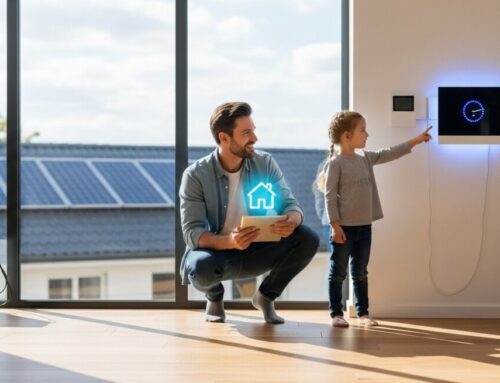
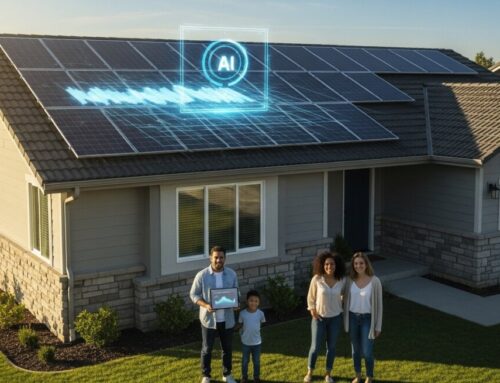
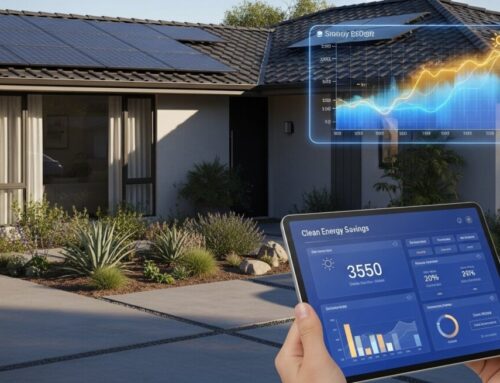
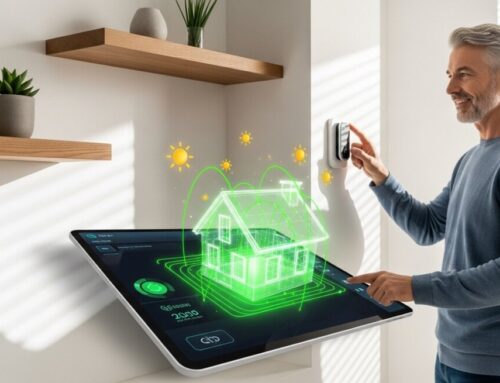
Artificial intelligence, or AI, might sound futuristic, but it is already working behind the scenes in many solar systems. At its core, AI uses weather data, satellite images, and historical sunlight patterns to forecast exactly how much energy your panels will produce on any given day. Instead of guessing, your system knows when to store power and when to send it to your home.
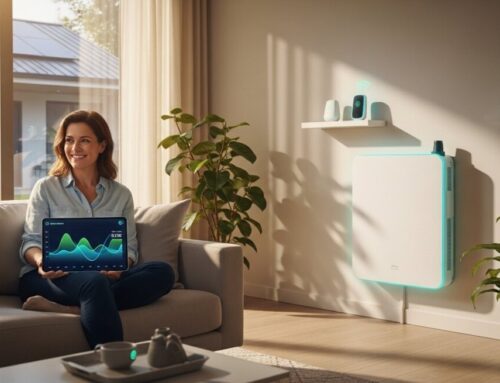
This prediction model helps you avoid buying expensive electricity from the grid during peak hours. For example, if AI sees a cloudy afternoon coming, it can instruct your battery to hold more charge from the morning sun. The result is a smoother, more reliable energy flow that keeps your lights on and your wallet full.
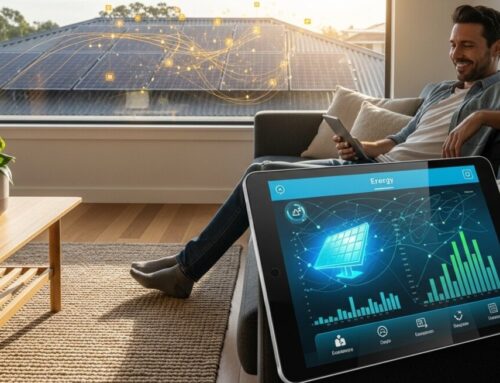
More homeowners are choosing AI-powered solar because it removes the guesswork. You do not need to be a meteorologist or an engineer. The software handles the complex math, and you simply enjoy lower monthly costs. In our guide on how AI improves solar output for bigger savings, we explain how this technology fine-tunes performance year-round.
Why Solar Energy Is Becoming More Popular
Electricity rates have risen steadily over the past decade, and shows no sign of stopping. Homeowners are tired of unpredictable bills that strain their monthly budgets. Solar panels offer a fixed, predictable way to generate your own power, insulating you from future rate hikes.
Beyond the financial side, environmental concerns motivate many families. Generating clean energy from the sun reduces your carbon footprint and helps fight climate change. It feels good to know that your home is part of the solution rather than the problem.
Long-term savings are the clincher. While solar installation costs exist up front, the system typically pays for itself within six to ten years. After that, your electricity is essentially free for the remaining life of the panels, which can exceed 25 years. That is a lot of money back in your pocket.
If you are considering solar power for your home, comparing installation quotes can help you understand your options. Request a free solar quote or call (555) 123-4567 to learn more.
Common Questions Homeowners Have About Solar
When people first explore solar, they often worry about the upfront cost. The price of a full system has dropped dramatically over the last decade, and federal tax credits can cover 30% of the total. Many installers also offer zero-down financing, making solar accessible to more households.
Another frequent concern is roof suitability. Not every roof faces the sun perfectly, but most can still generate significant savings. A professional installer will assess your roof’s angle, shading, and material to recommend the best layout.
Performance in different weather also comes up. Solar panels still produce electricity on cloudy days, just at a reduced rate. AI helps manage this by predicting dips and keeping your battery charged for those moments.
- How much does a solar system really cost?
- Will solar work if my roof is shaded?
- How long do solar panels last?
- What happens during a power outage?
- Do I need a battery with my solar panels?
- How much maintenance do panels require?
How Solar Panel Installation Works
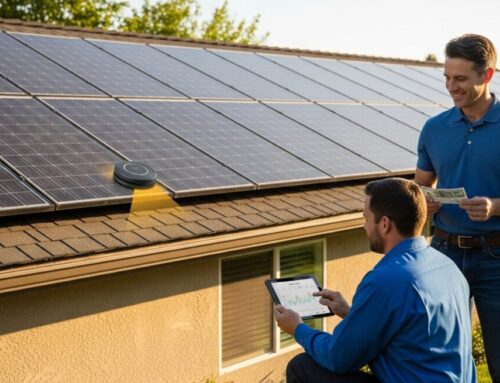
The process begins with a home energy assessment. An installer reviews your past electricity bills, measures your roof, and discusses your energy goals. This step ensures the system is sized correctly so you do not overpay or underproduce.
Next comes system design and permitting. The installer creates a custom layout for your roof and submits the necessary permits to your local government and utility company. Most companies handle this paperwork for you, saving you time and frustration.
Finally, the physical installation and activation take place. A crew mounts the panels, connects the inverter, and sets up the monitoring software. Once the utility gives the green light, your system starts generating power, and you begin saving immediately.
- Home energy assessment and bill review
- Custom system design and equipment selection
- Permit applications and utility approvals
- Panel mounting and electrical wiring
- System testing and activation
Speaking with experienced installers can help you determine the best solar solution for your home. Compare solar quotes here or call (555) 123-4567 to explore available options.
Signs Your Home May Be Ideal for Solar
If your roof gets strong sunlight for most of the day, you are already in a great position. South-facing roofs with minimal shading capture the most energy, but east and west exposures can also work well. A quick solar assessment can confirm your home’s potential.
High electricity bills are another strong indicator. The more you pay the utility each month, the faster solar pays for itself. Homes with electric heating or cooling, pools, or home offices often see the biggest savings.
Planning to stay in your home for several years? Solar adds value to your property and makes it more attractive to future buyers. If you intend to stay put for at least five to seven years, the investment nearly always pays off.
- Unshaded roof exposure for at least 4,5 hours daily
- Monthly electricity bills above $100
- Roof in good condition with 15+ years of life left
- Ownership of the home (not renting)
- Plans to stay in the home for at least five years
- Interest in reducing your carbon footprint
What Affects Solar Installation Costs
System size is the biggest factor. A larger system that covers 100% of your energy use costs more than a smaller one that offsets a portion. However, the larger system also delivers higher long-term savings, so it is worth considering your future energy needs.
Equipment quality matters too. Premium panels and inverters cost more but often come with better warranties and higher efficiency. Cheaper components might save money now but could lead to lower production or earlier replacement down the road.
Local incentives and installation complexity also play a role. Some states offer additional rebates or performance payments that reduce your net cost. A steep roof or complex electrical panel can add labor time, so ask your installer for a detailed breakdown.
The cost of solar installation varies depending on your home and energy needs. Request personalized solar quotes or call (555) 123-4567 to see what options are available.
Tips for Choosing a Reliable Solar Installer
Start by reviewing an installer’s experience and credentials. Look for companies that have been in business for several years and hold certifications from organizations like the North American Board of Certified Energy Practitioners (NABCEP). This ensures they follow industry best practices.
Warranties protect your investment. A good installer offers a workmanship warranty of at least five years, while the panel manufacturer typically covers 25 years. Read the fine print so you know exactly what is covered if something goes wrong.
Customer reviews provide real-world insight. Check platforms like Google, Yelp, or the Better Business Bureau to see how the company handles service calls and complaints. A pattern of positive feedback is a strong sign of reliability.
- Verify NABCEP certification and proper licensing
- Ask about workmanship and equipment warranties
- Read recent customer reviews on multiple platforms
- Request at least three detailed quotes for comparison
- Ask about monitoring and maintenance services
- Confirm the installer handles all permits and paperwork
Long-Term Benefits of Installing Solar Panels
Lower electricity bills are the most immediate reward. Once your panels are active, you generate your own power and buy less from the utility. Over 20 years, those savings can add up to tens of thousands of dollars, depending on your location and energy use.
Solar also increases your home’s resale value. Studies show that homes with solar panels sell faster and for a premium compared to similar homes without them. Buyers recognize the value of a lower utility bill and are willing to pay more.
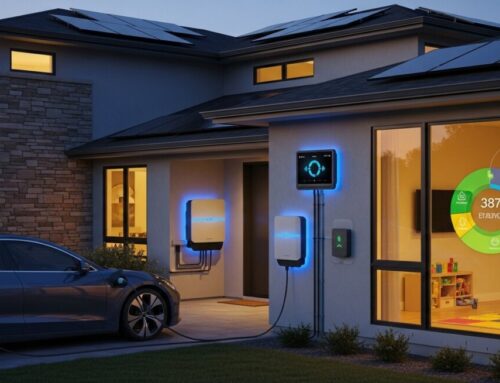
Energy independence is perhaps the greatest benefit. With a battery and AI prediction, you can store solar power for use at night or during outages. You become less vulnerable to grid failures and rate increases, giving you peace of mind for decades.
FAQs
How does AI improve solar panel efficiency?
AI analyzes weather forecasts and sunlight patterns to predict energy production. It then adjusts battery charging and power usage to maximize savings. This means your system wastes less energy and relies less on the grid.
Can solar panels work during cloudy days?
Yes, solar panels still generate electricity on cloudy days, though at a reduced rate. AI helps by predicting lower production and ensuring your battery holds enough charge. Most systems still produce 10,25% of their normal output under heavy clouds.
How long do solar panels last?
Most solar panels come with a 25-year performance warranty, but they often last 30 years or more. They slowly lose efficiency over time, typically around 0.5% per year. After 25 years, they still produce about 87% of their original power.
What government incentives are available for solar?
The federal solar tax credit allows you to deduct 30% of your installation cost from your taxes. Many states also offer rebates, tax credits, or performance payments. Check the Database of State Incentives for Renewables & Efficiency (DSIRE) for your area.
Do I need a battery with my solar system?
A battery is optional but highly recommended if you want backup power during outages or to maximize savings under time-of-use rates. AI predicts when to store energy and when to use it, making batteries more effective. Without a battery, you still save money but rely on the grid at night.
How much maintenance do solar panels require?
Solar panels require very little maintenance. Rain usually keeps them clean, but in dusty areas, an occasional hose-down helps. Most systems include monitoring software that alerts you if a panel underperforms.
Will solar panels damage my roof?
Properly installed solar panels actually protect the roof area they cover from weather exposure. Installers use mounting systems that seal around roof penetrations to prevent leaks. A professional installation should not void your roof warranty.
How do I choose between different solar quotes?
Compare the total cost, equipment quality, warranties, and estimated energy production. A lower price does not always mean a better deal if the panels are less efficient or the warranty is short. Ask each installer to explain their quote in detail.
Solar energy offers a practical path to lower bills, energy independence, and a cleaner planet. By understanding how AI predicts solar output, you can make a confident decision that benefits your home for decades. The next step is simple: explore how AI predicts solar output for bigger savings and compare quotes from trusted installers. Start your journey today and take control of your energy future.