AI Solar Energy Optimization Explained: Boost Your Savings
You open your monthly electricity bill and feel a familiar sting. Rates keep climbing, and you wonder if there is a way to take control. That search often leads homeowners to ai solar energy optimization explained,a smart approach that blends solar panels with artificial intelligence to cut costs and reduce reliance on the power grid.
Understanding ai solar energy optimization explained
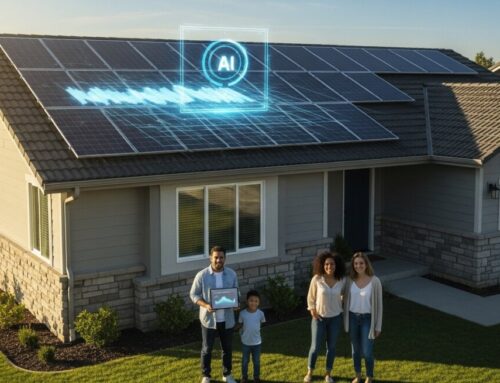
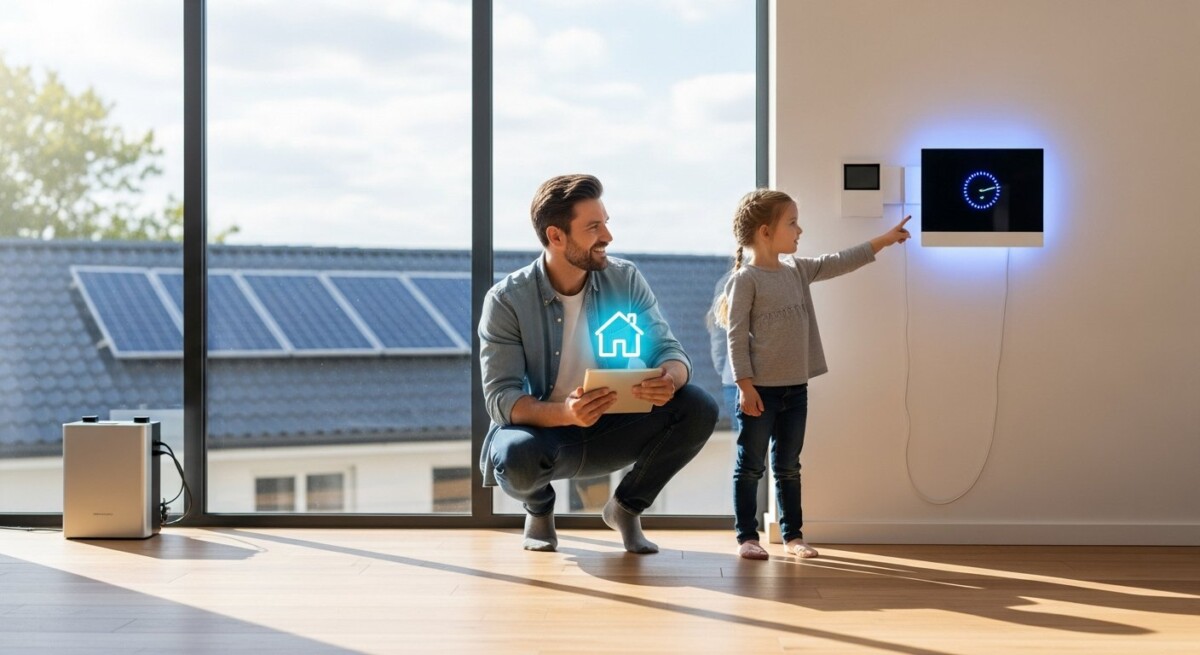
In simple terms, ai solar energy optimization uses machine learning to manage how your home produces, stores, and uses solar power. Sensors and smart software track weather patterns, your energy habits, and real-time electricity prices. The system then automatically adjusts your solar panels and battery storage to run your home at the lowest possible cost.
Think of it as a thermostat that learns your schedule, but much smarter. Instead of just heating or cooling, it decides when to store excess solar energy in a battery, when to sell it back to the grid, and when to draw from the grid to avoid peak rates. More homeowners are exploring this technology because it turns a static solar setup into a dynamic, money-saving system.
How the AI component works
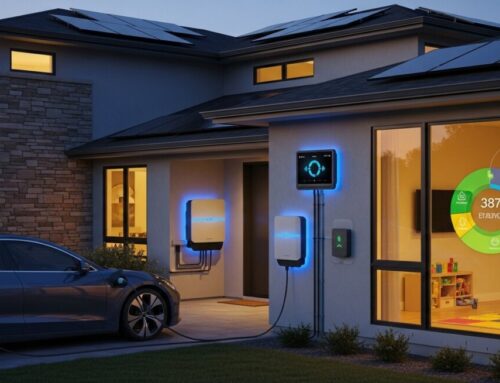
Artificial intelligence in solar optimization relies on data from your inverter, smart meter, and local weather forecasts. The AI model predicts your home’s energy needs for the next 24 hours. It then tells your battery when to charge and when to discharge, maximizing the use of free solar power and minimizing what you buy from the utility.
Why Solar Energy Is Becoming More Popular
Rising electricity prices are the number one reason families switch to solar. Over the past decade, residential rates have increased faster than inflation, and there is no sign of a slowdown. Solar panels offer a way to lock in a large portion of your energy costs for 25 years or more.
Environmental concerns also play a big role. Homeowners want to reduce their carbon footprint without sacrificing comfort or convenience. Solar energy is a clean, renewable source that produces no emissions once installed. Combined with long-term savings on monthly bills, it is an easy decision for many households.
If you are considering solar power for your home, comparing installation quotes can help you understand your options. Request a free solar quote or call (800) 555-0199 to learn more.
Common Questions Homeowners Have About Solar
Most people hesitate because they do not know what solar really costs or whether their roof works for panels. Installation prices have dropped dramatically in the last decade, and federal tax credits cover 30% of the total system cost. Many homeowners pay nothing upfront through financing or solar leases.
Roof suitability depends on age, material, shade, and orientation. South-facing roofs with little shade are ideal, but east and west exposures also work well. Modern panels are efficient enough to generate meaningful power even on partially shaded roofs.
Here are common concerns homeowners ask about:
- How much does a solar system cost after rebates and incentives?
- Will solar panels work on my roof type and age?
- How long does installation take from start to finish?
- What happens to my system during a power outage?
- Do I need a battery, or can I just use net metering?
- How much maintenance do solar panels require?
How Solar Panel Installation Works
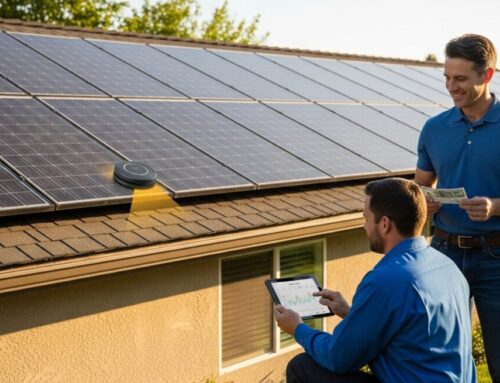
The process begins with a home energy assessment. An installer reviews your past electric bills, inspects your roof, and measures sunlight exposure. They use this data to design a system sized specifically for your household’s needs.
Once you approve the design, the installer handles permits with your local building department and utility company. This step can take one to four weeks depending on your area. After approvals, the actual installation usually takes one to three days, followed by a final inspection and system activation.
Here are the main steps in a typical solar installation:
- Energy assessment and system design based on your usage and roof
- Permit applications and utility interconnection approval
- Panel, inverter, and racking installation on your roof
- Electrical wiring to your main panel and optional battery
- Final inspection and permission to operate from your utility
Speaking with experienced installers can help you determine the best solar solution for your home. Compare solar quotes here or call (800) 555-0199 to explore available options.
Signs Your Home May Be Ideal for Solar
Not every home is a perfect candidate, but many are better suited than homeowners realize. If your roof gets at least four to five hours of direct sunlight per day, solar will likely generate significant savings. Even homes with some shade can benefit from newer panel technology.
High electricity bills are another strong indicator. If you pay more than $100 per month on average, solar can reduce or eliminate that cost. Homes with electric heating, air conditioning, or electric vehicles see even faster payback periods.
Key signs your home may be solar-ready:
- Your roof faces south, east, or west with minimal shading
- Your monthly electric bill is consistently $100 or more
- Your roof is less than 15 years old and in good condition
- You plan to stay in your home for at least five to seven years
- Your state or utility offers net metering or solar incentives
- You have an electric vehicle or plan to buy one soon
What Affects Solar Installation Costs
System size is the biggest factor. A typical home needs between 5 kW and 10 kW of panels, and larger systems cost more upfront but also save more over time. Equipment quality matters too,premium panels and microinverters cost more but often produce more energy and last longer.
Installation complexity can raise the price. Complex roof angles, old electrical panels, or the need for ground mounting add labor and materials. Fortunately, many installers offer free site surveys to provide accurate quotes based on your specific home.
The cost of solar installation varies depending on your home and energy needs. Request personalized solar quotes or call (800) 555-0199 to see what options are available.
Tips for Choosing a Reliable Solar Installer
Start by checking each installer’s experience and licensing. Look for companies that have been in business at least five years and hold proper state and local licenses. A reputable installer will also carry general liability and workers’ compensation insurance.
Warranties matter more than you might think. The best installers offer a 25-year performance guarantee on panels and a 10- to 25-year workmanship warranty on the installation itself. Read reviews on sites like Google, Yelp, and the Better Business Bureau to see what past customers say.
Tips for vetting solar installers:
- Ask for at least three detailed quotes from different companies
- Verify the installer’s license, insurance, and certifications
- Read customer reviews and ask for local references
- Compare warranty terms for panels, inverters, and workmanship
- Check if the installer offers financing or helps with incentive paperwork
- Never sign a contract without understanding the total cost and timeline
Long-Term Benefits of Installing Solar Panels
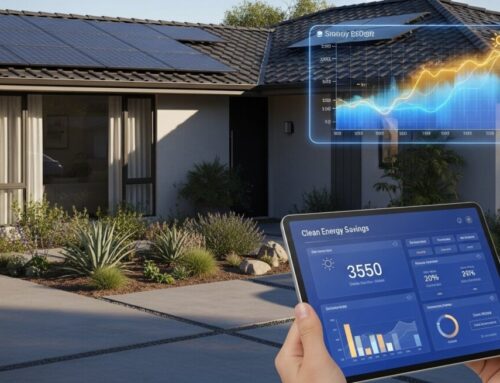
Lower electricity bills are the most immediate reward. Most homeowners save between $600 and $2,400 per year depending on system size and local rates. Over 25 years, those savings can total $15,000 to $50,000 or more.
Solar panels also increase your home’s resale value. Studies show that homes with solar sell for about 4% more than comparable homes without it. Combined with federal and state incentives, the return on investment is strong for long-term homeowners.
Beyond finances, solar gives you energy independence. You are less affected by utility rate hikes and grid outages when you pair panels with battery storage. And every kilowatt-hour you generate from the sun reduces your carbon footprint by about a pound of CO2.
How much can I save with ai solar energy optimization?
Savings vary by location and system size, but AI optimization typically boosts savings by 10% to 30% compared to a standard solar setup. The software constantly adapts to changing conditions, ensuring you use the cheapest energy available at any moment,whether from your panels, battery, or the grid.
Do I need a battery for ai solar optimization to work?
No, a battery is not required. The AI can optimize your consumption by shifting heavy appliance use to sunny hours. However, a battery unlocks more savings by storing excess solar power for evening use or selling it back to the grid at high prices.
What happens to my solar system during a power outage?
Standard grid-tied solar systems shut off during outages for safety. If you have a battery and a critical loads panel, the AI can keep essential circuits running,like your refrigerator, lights, and internet,even when the grid is down.
Will solar panels work in cloudy or rainy weather?
Yes, panels still generate electricity on cloudy days, just at reduced output. AI optimization helps by forecasting weather and pre-charging your battery before a storm. Modern panels are also more efficient in low-light conditions than older models.
How long does it take for solar panels to pay for themselves?
The average payback period in the U.S. is six to ten years after incentives. With AI optimization, that timeline can shorten by one to three years because the system consistently saves more each month. After that, your electricity is essentially free for the remaining panel life.
Are there government incentives for solar with AI optimization?
Yes, the federal Investment Tax Credit covers 30% of your total system cost, including the AI hardware and software. Many states and utilities offer additional rebates, performance payments, or net metering credits that apply to optimized systems.
Can I add ai solar optimization to my existing solar system?
In many cases, yes. You may need to upgrade your inverter or add a smart energy management hub. A qualified installer can evaluate your current setup and recommend the most cost-effective upgrade path to add AI capabilities.
Solar energy is a practical, proven way to cut your electricity bills and reduce your environmental impact. By understanding how ai solar energy optimization explained works, you can make an informed decision that fits your home and budget. The best first step is to compare quotes from multiple installers to find the right system at the right price. Explore your solar options today and start saving.