How AI Improves Solar Energy for Homeowners
Every month, you open your electricity bill and wonder if there is a way to lower it. Rising energy costs have pushed many homeowners to search for smarter solutions. That search often leads to one question: how AI improves solar energy and helps families save money while gaining energy independence. Understanding this connection can help you make a confident decision about solar panel installation.
Artificial intelligence is no longer just for tech companies. It is now making solar power more efficient, affordable, and reliable for everyday homeowners. By pairing AI with solar systems, you can reduce your electricity bills and rely less on the power grid. This article explains everything you need to know in clear, simple language.
Understanding How AI Improves Solar Energy
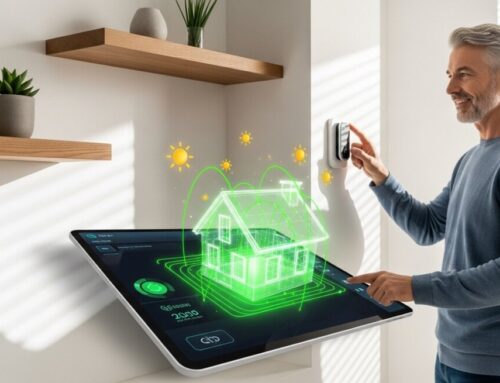
Think of AI as a smart brain that helps your solar panels work better. Traditional solar systems simply capture sunlight and convert it into electricity. With AI, the system learns your home’s energy usage patterns, weather forecasts, and utility rates. It then adjusts how energy is stored, used, or sent back to the grid.
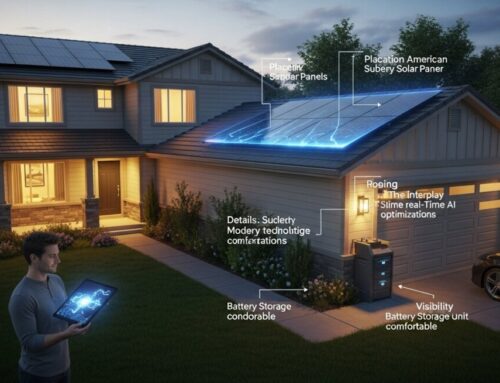
For example, AI can predict when a cloudy day is coming and save extra battery power for that time. It can also shift energy usage to cheaper hours. Smart solar energy systems use this technology to cut bills and give you more control over your home’s energy.
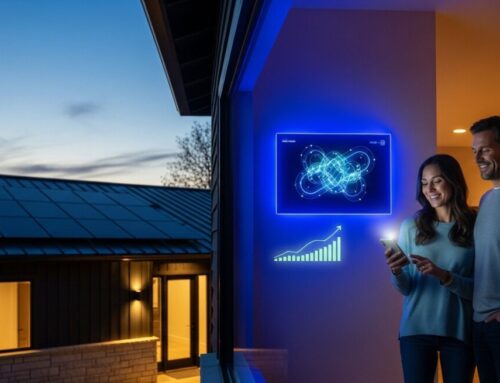
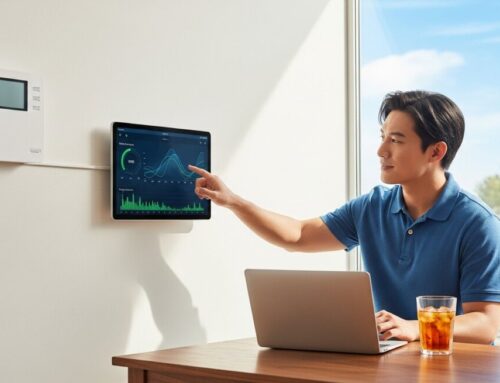
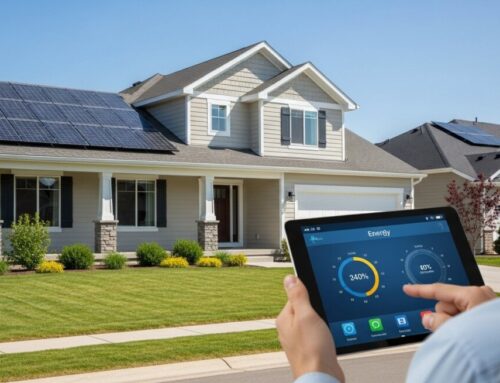
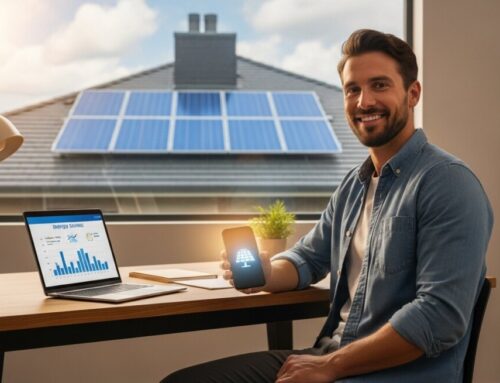
More homeowners are considering AI-powered solar because it offers real-time insights. You can see exactly how much energy your panels produce and how much you are saving through a simple app. This transparency builds trust and helps you make smarter energy choices every day.
Why Solar Energy Is Becoming More Popular
Electricity prices have risen steadily over the past decade. Many families now pay hundreds of dollars each month just to keep the lights on. Solar energy offers a way to lock in lower rates and protect your budget from future price hikes.
Environmental concerns also play a big role. Solar power produces clean energy without releasing carbon dioxide or other pollutants. For homeowners who want to reduce their carbon footprint, solar panels are a practical step toward a greener lifestyle.
Long-term savings are another major draw. While the upfront cost of solar installation can seem high, most homeowners recover their investment within 6 to 10 years through lower electricity bills. After that, the energy you generate is essentially free. Smart solar energy systems can accelerate those savings by optimizing performance year after year.
If you are considering solar power for your home, comparing installation quotes can help you understand your options. Request a free solar quote or call to learn more.
Common Questions Homeowners Have About Solar
When researching solar, most homeowners start with the same questions. “How much will it cost?” is usually the first. The price depends on your home size, energy needs, and the type of equipment you choose. Professional installers can give you a clear estimate after evaluating your home.
Roof suitability is another common concern. Not every roof is ideal for solar panels. Age, material, and shading from trees can affect performance. A good installer will inspect your roof and recommend the best placement.
System performance also raises questions. Will my panels work on cloudy days? Yes, they still produce electricity, though at a reduced rate. Battery storage can help you save extra energy for evenings or stormy weather.
- How long do solar panels last? Most panels carry a 25-year performance warranty.
- Do I need to clean my panels? Rain usually keeps them clean, but occasional washing helps.
- Will solar increase my home’s value? Studies show homes with solar sell for more.
- What happens during a power outage? With battery backup, your home can stay powered.
- Are there government incentives? Yes, federal and state programs can lower your cost.
How Solar Panel Installation Works
Installing solar panels is a straightforward process when you work with experienced professionals. It starts with a home energy assessment where an installer reviews your electricity bills and roof condition. This step ensures the system is sized correctly for your needs.
After the assessment, the installer designs a custom system. They choose the right panels, inverters, and battery options. Then they handle all permits and approvals with your local utility and city government.
- Home energy assessment to understand your usage and roof.
- System design tailored to your home and budget.
- Permits and approvals from local authorities.
- Panel installation, usually completed in 1 to 3 days.
- System activation and connection to the power grid.
Speaking with experienced installers can help you determine the best solar solution for your home. Compare solar quotes here or call to explore available options.
Signs Your Home May Be Ideal for Solar
Not every home is a perfect fit for solar, but many are. The best candidates have roofs that face south or west with little to no shading. Strong sunlight exposure throughout the day maximizes energy production.
High electricity bills are another strong indicator. If you pay more than $100 per month, solar can likely save you money. Sufficient roof space is also important,most systems need about 300 to 500 square feet.
- Your roof gets direct sunlight for most of the day.
- Your monthly electricity bill is consistently high.
- Your roof is in good condition and has at least 10 years of life left.
- You plan to stay in your home for at least 5 to 7 years.
- Your local utility offers net metering or solar incentives.
What Affects Solar Installation Costs
Solar installation costs vary based on several factors. System size is the biggest,larger systems that produce more electricity cost more upfront. Equipment quality also matters. Premium panels and inverters may cost more but last longer and perform better.
Installation complexity can add to the price. A simple roof with easy access is cheaper to work on than a steep or multi-story roof. Local incentives and rebates can significantly lower your out-of-pocket cost, so it pays to research what is available in your area.
The cost of solar installation varies depending on your home and energy needs. Request personalized solar quotes or call to see what options are available.
Tips for Choosing a Reliable Solar Installer
Choosing the right installer is just as important as choosing the right equipment. A reputable company will guide you through the process and help you avoid costly mistakes. Start by looking for installers with several years of experience and positive customer reviews.
Warranties are another critical factor. Good installers offer workmanship warranties that cover installation issues for at least 10 years. Panel and inverter warranties should be backed by the manufacturer. Comparing multiple quotes gives you a clearer picture of pricing and service quality.
- Review the installer’s experience and number of completed projects.
- Check that they offer comprehensive warranties on equipment and labor.
- Read customer reviews on independent platforms like Google or Yelp.
- Compare at least three quotes to find the best value.
- Ask about financing options and any hidden fees.
Long-Term Benefits of Installing Solar Panels
The most obvious long-term benefit is lower electricity bills. Once your system is paid off, your monthly energy cost drops dramatically. Many homeowners see savings of 50% or more, and some eliminate their electric bill entirely.
Solar panels also increase your home’s resale value. Studies show that homes with solar sell for an average of 4% more than comparable homes without it. Buyers recognize the value of lower utility costs and energy independence.
Beyond financial gains, solar reduces your environmental impact. Generating your own clean energy means fewer fossil fuels burned and less pollution in your community. Energy independence also gives you peace of mind during grid outages or rate hikes.
How do solar panels work with AI?
AI helps solar panels work smarter by analyzing weather data, energy usage, and utility rates. It automatically adjusts how your system stores and distributes power. This means you use more of the energy you generate and waste less.
Will AI solar systems save me more money?
Yes, AI optimizes energy production and consumption to maximize savings. It can shift your energy use to cheaper times and predict when to store power. Over time, these small adjustments add up to significant savings on your electricity bills.
Do I need a battery with AI solar?
A battery is not required, but it helps you get the most out of AI. With a battery, the system can store excess energy for use at night or during outages. AI uses the battery more efficiently, so you rely less on the grid.
How long does solar installation take?
Most residential solar installations are completed in 1 to 3 days after permits are approved. The entire process, from assessment to activation, usually takes 4 to 8 weeks. Your installer will give you a timeline based on your specific project.
What happens if my panels produce more energy than I use?
Excess energy is often sent back to the grid through net metering. Your utility credits you for that energy, lowering your bill. In some areas, you may also receive cash payments for surplus power.
Are there government incentives for solar in 2025?
Yes, the federal solar tax credit allows you to deduct 30% of your installation cost from your taxes. Many states and local utilities offer additional rebates or incentives. A qualified installer can help you find and apply for these savings.
Can AI help me monitor my solar system?
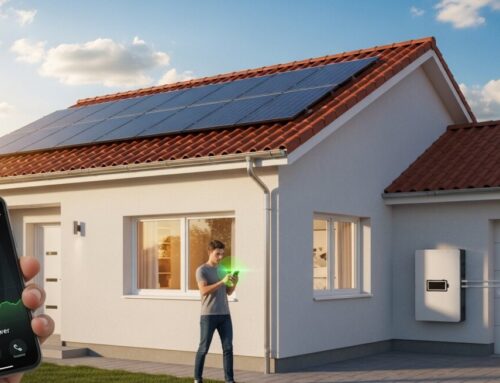
Absolutely. Most AI-powered solar systems come with a mobile app that shows real-time production, usage, and savings. You can track performance daily and receive alerts if something needs attention. This visibility helps you stay in control of your energy.
Is solar worth it if I live in a cloudy area?
Yes, solar still works in cloudy climates. Panels generate electricity from diffused sunlight, though at a reduced rate. AI systems are especially helpful in these areas because they optimize energy storage and usage based on weather forecasts.
Solar energy is more accessible and intelligent than ever before. By understanding how AI improves solar energy, you can make a confident choice that lowers your bills and reduces your reliance on the power grid. The best way to start is by comparing quotes from trusted installers. Take the first step today and see how much you could save.