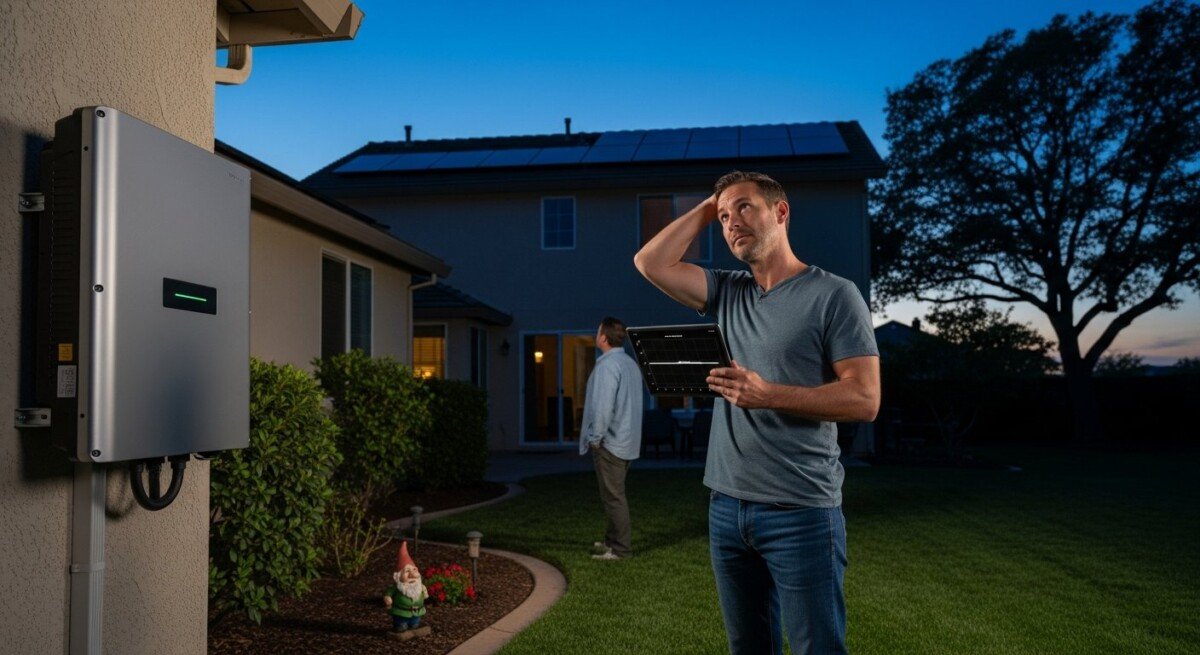
What Happens If Your Solar System Fails? A Homeowner’s Guide
Worried about solar system failure? Learn what it really means, how to prevent issues, and why the long-term savings and benefits of home solar far outweigh the risks.

By Mason Carter
Learn more about Solar Panel Installation and Repair for guides, costs, and what to expect.
Compare Solar Panel Installation and Repair Pros Near You

Enter your ZIP code to compare top-rated local professionals and request free quotes.
You’ve made the smart investment in solar panels to lower your bills and gain energy independence. But one quiet afternoon, you notice your system isn’t producing power. A wave of worry hits: what happens if your solar system fails? The good news is that modern solar installations are incredibly reliable, and understanding the safeguards in place can give you peace of mind. Let’s explore what failure really means, how to prevent it, and why the long-term benefits of solar energy far outweigh these rare concerns.
Understanding What Happens If Your Solar System Fails
First, it’s important to define “failure.” A complete, catastrophic failure where your entire system stops working is extremely uncommon. More often, a “failure” might be a temporary drop in production due to a minor component issue, a grid outage, or simple dirt on the panels. Your system is designed with multiple layers of protection and monitoring to alert you and your installer to problems long before they impact your savings.
Modern grid-tied systems are required to shut down automatically during a power outage for safety reasons, a feature called “anti-islanding.” This protects utility workers repairing lines. It might feel like a failure, but it’s a critical safety feature. Your system will restart automatically when grid power is restored, requiring no action from you.
Key Components and Their Lifespans
Solar panels themselves have no moving parts and are built to last 25-30 years or more, with very gradual efficiency loss. Inverters, which convert solar energy to usable electricity, are the component most likely to need service, but even they have lifespans of 10-15 years and are backed by strong warranties. A professional installer will design a system with quality components to minimize these risks.
Why Solar Energy Is Becoming More Popular
Homeowners are turning to solar power in record numbers, driven by the powerful combination of financial and environmental benefits. With electricity prices consistently rising, locking in a lower, predictable energy cost for decades provides significant financial stability. Solar panels act as a shield against future utility rate hikes, putting you in control of a major household expense.
Beyond the savings, there’s a growing desire for energy independence and a reduced carbon footprint. Generating your own clean electricity means relying less on the traditional power grid and fossil fuels. This shift contributes directly to a healthier environment while increasing your home’s self-sufficiency, a valuable feeling for any homeowner.
If you are considering solar power for your home, comparing installation quotes can help you understand your options. Request a free solar quote or call to learn more.
Common Questions Homeowners Have About Solar
It’s natural to have questions before making a significant home upgrade. Many homeowners wonder about the upfront cost, which is often offset by federal tax credits, state rebates, and local incentives that can reduce the net price by 30% or more. Others are concerned about their roof’s suitability or what happens on cloudy days.
A reliable solar installer will address all these concerns during a consultation. They will assess your roof’s condition, angle, and sun exposure to ensure it’s a good fit. They’ll also explain how net metering works, allowing you to earn credits for excess power sent to the grid, which you can use at night or during less sunny periods.
- What is the total cost, and what financing options are available?
- Is my roof strong enough and does it get enough sun?
- What happens during a power outage or at night?
- How long will the installation process take?
- What kind of maintenance is required?
- How do warranties protect my investment?
How Solar Panel Installation Works
The installation process is managed start-to-finish by your chosen professional, making it surprisingly straightforward for you. It begins with a detailed home energy assessment and site survey. The installer will analyze your past electricity bills, evaluate your roof, and design a system tailored to your energy consumption and goals.
Once you approve the design, the installer handles all the necessary permits and paperwork, including applications for local incentives. The physical installation is typically completed in one to three days, followed by a final inspection and connection to the grid, known as “Permission to Operate.”
- Consultation & Energy Assessment: Review your needs and site suitability.
- System Design & Proposal: Receive a custom plan and quote.
- Permits & Approvals: Your installer secures all required documents.
- Equipment Installation: Mounting, wiring, and inverter setup.
- Inspections & Activation: Final checks and connection to the grid.
Speaking with experienced installers can help you determine the best solar solution for your home. Compare solar quotes here or call to explore available options.
Signs Your Home May Be Ideal for Solar
While many homes are excellent candidates for solar, certain factors can maximize your return on investment. The most obvious sign is consistently high electricity bills, as solar provides the greatest savings when you are replacing expensive grid power. A south-facing roof with minimal shading from trees or other structures is also ideal for capturing maximum sunlight.
Furthermore, if you plan to stay in your home for the long term, you’ll reap the full benefits of decades of reduced energy costs and increased property value. Even if your roof isn’t perfect, modern equipment and creative mounting solutions can often make solar a viable and profitable option.
- You receive high monthly electricity bills.
- Your roof is in good condition and receives direct sunlight for most of the day.
- You have plans to own your home for 5+ years.
- Your local utility offers favorable net metering policies.
- You are interested in reducing your environmental impact.
- Your area has strong solar incentives or rebates.
What Affects Solar Installation Costs
The final price of your solar system depends on several key factors. The system size, measured in kilowatts (kW), is the primary driver,a larger system to offset 100% of your usage will cost more than a smaller one. The quality and efficiency of the panels and inverter you choose also influence the price, with premium equipment often offering better long-term performance and warranties.
Installation complexity, such as a multi-story home or a steep roof, can affect labor costs. Most importantly, the net cost is dramatically reduced by available government incentives, like the federal solar tax credit, which directly lowers your tax bill. A reputable installer will provide a clear breakdown of all costs and savings.
The cost of solar installation varies depending on your home and energy needs. Request personalized solar quotes or call to see what options are available.
Tips for Choosing a Reliable Solar Installer
Selecting the right installer is the single most important step to ensuring a smooth process and a system that performs for decades. Look for a company with extensive local experience, proper licensing, and positive customer reviews. They should be transparent about their process, equipment options, and pricing.
A trustworthy installer will conduct a thorough site evaluation, not just a satellite image review, and will explain the warranties in detail,not just for the panels, but for the inverter, workmanship, and their own service. They are your partner for the life of the system, so choose one that inspires confidence.
- Check for proper licensing, insurance, and certifications (like NABCEP).
- Read verified customer reviews and ask for local references.
- Compare detailed quotes from multiple installers.
- Understand the full scope of warranties offered.
- Ensure they handle all permitting and interconnection paperwork.
- Ask about their monitoring services and post-installation support.
Long-Term Benefits of Installing Solar Panels
The long-term advantages of going solar extend far beyond the initial installation. Financially, you will lock in decades of predictable, low-cost electricity, protecting yourself from rising utility rates. Studies consistently show that solar panels increase home value, making them a sound home improvement investment.
Environmentally, you’ll significantly reduce your household’s carbon footprint. Perhaps most rewarding is the energy independence you gain. Producing your own power provides security and satisfaction, knowing you are contributing to a cleaner grid and a more sustainable future for your community.
How Long Do Solar Panels Last?
Most solar panels come with a 25-year performance warranty guaranteeing they will still produce at least 80-85% of their original output at that age. With no moving parts, they are designed to withstand decades of weather. The inverter may need replacement once during the system’s life, but this is a planned cost that is far outweighed by decades of savings.
What Maintenance Is Required for Solar Panels?
Solar panels require very little maintenance. Occasional cleaning with water to remove dust, pollen, or bird droppings is usually sufficient, and rain often handles this naturally. You should visually inspect your system periodically and ensure trees don’t grow to create shading. Most installers provide monitoring software so you can track performance daily.
Will Solar Panels Work During a Power Outage?
Standard grid-tied systems automatically shut off during an outage for safety. To have power during an outage, you need a solar battery storage system (like a Tesla Powerwall) or a special inverter that can create a secure “island” of power. Your installer can explain these backup power options if that is a priority for you.
What Is Net Metering and How Does It Work?
Net metering is a billing arrangement with your utility company. When your solar panels produce more electricity than your home uses, the excess is sent to the grid, and your meter runs backward, giving you a credit. At night or on cloudy days, you draw power from the grid and use those credits. It effectively uses the grid as a giant battery.
Are There Tax Credits or Rebates for Solar Panels?
Yes. The federal government offers a Residential Clean Energy Credit (tax credit) that allows you to deduct a significant percentage of your system cost from your federal taxes. Many states, cities, and utilities offer additional rebates, tax exemptions, or performance-based incentives. Your installer should provide a full summary of all incentives you qualify for.
How Do I Know If My Roof Is Suitable for Solar?
A suitable roof has adequate space, is in good structural condition, and receives ample sunlight (typically south, east, or west-facing with minimal shading). An experienced installer will perform a site survey to assess your roof’s angle, material, age, and sun exposure to determine suitability and recommend any needed repairs before installation.
While the question of “what happens if your solar system fails” is a valid one, the reality is that with a professionally designed and installed system, failure is rare and manageable. The robust warranties, monitoring technology, and support from reputable installers provide strong safeguards for your investment. The enduring benefits,dramatically lower electricity bills, increased home value, energy independence, and a positive environmental impact,make solar power one of the smartest upgrades a homeowner can make. The best next step is to gather information tailored to your specific home. By comparing detailed quotes from qualified local installers, you can move forward with confidence toward a brighter, more sustainable energy future.
Learn more about Solar Panel Installation and Repair for guides, costs, and what to expect.
Compare Solar Panel Installation and Repair Pros Near You
Enter your ZIP code to compare top-rated local professionals and request free quotes.