Solar Energy for Off Grid Systems: Cut Bills and Gain Freedom
You open your monthly electricity bill and feel that familiar knot in your stomach. Rates keep climbing, and you wonder if there is a way to take control. That is why many homeowners are now searching for solar energy for off grid systems. The idea is simple: generate your own power, reduce your monthly expenses, and rely less on the utility company. It sounds appealing, and with the right information, it can become your reality.
Understanding Solar Energy for Off Grid Systems
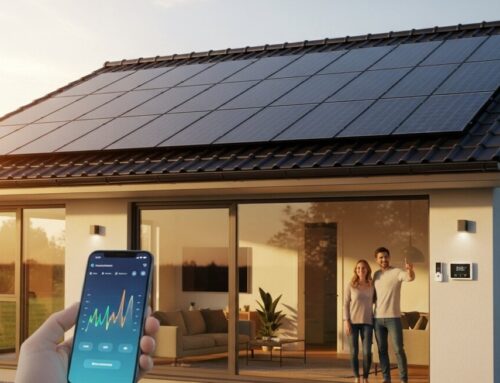
Solar energy for off grid systems means your home produces and stores its own electricity without being connected to the main power grid. Instead of sending extra power to the utility, you store it in batteries for use at night or on cloudy days. This setup gives you true energy independence.
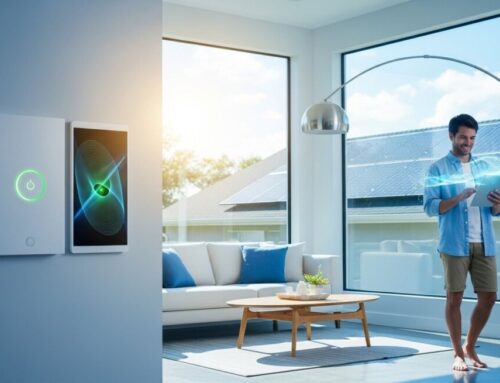
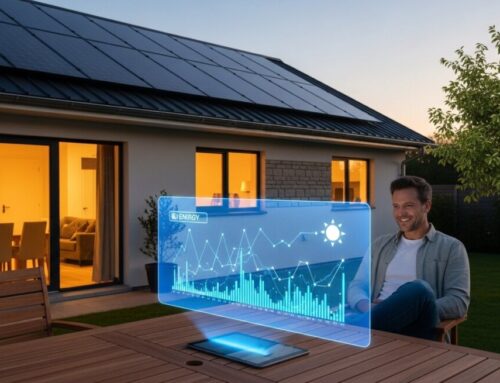
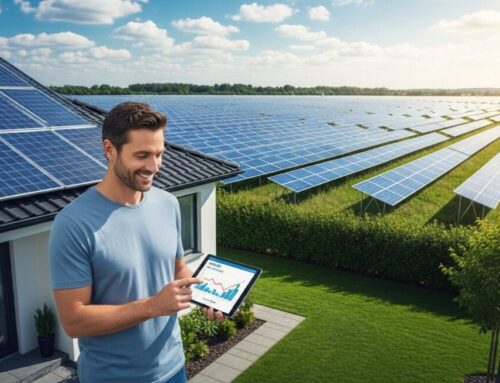
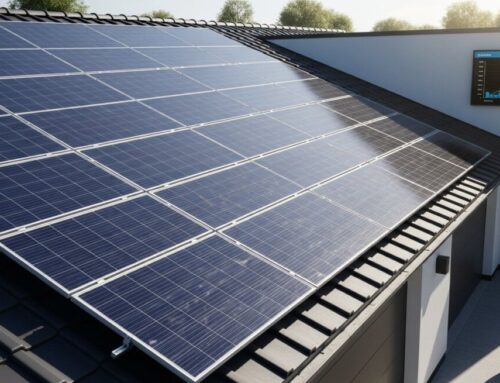
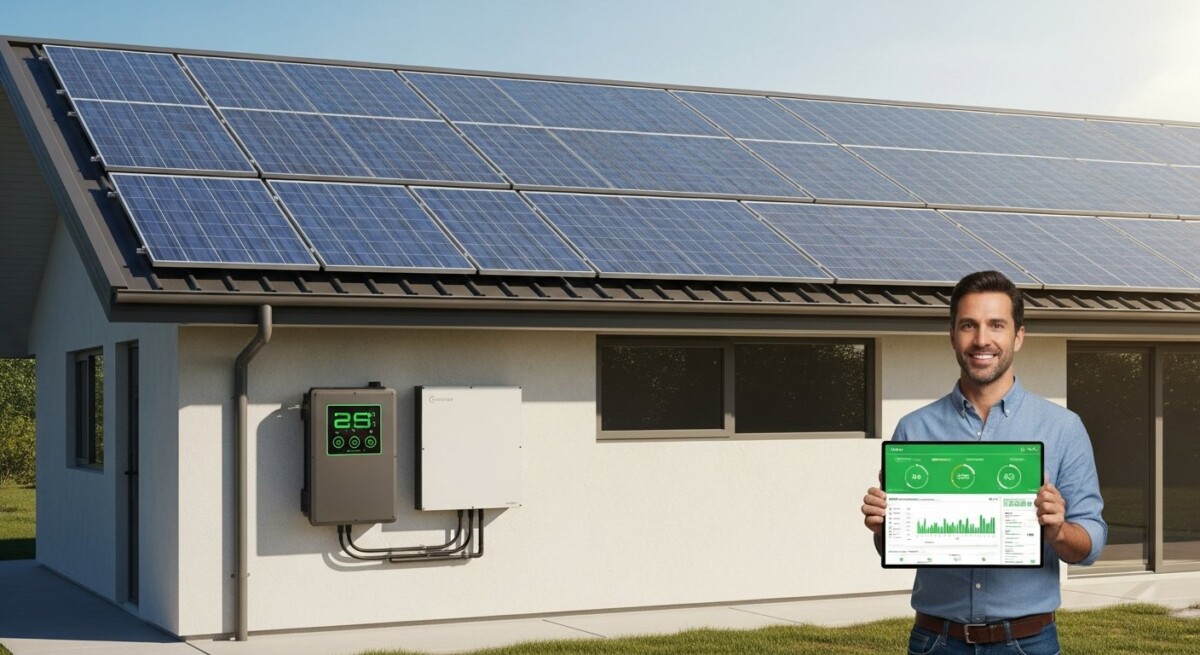
How does it work? Solar panels on your roof capture sunlight and convert it into direct current (DC) electricity. An inverter changes that DC power into alternating current (AC) that your home appliances can use. Any excess electricity charges a battery bank, so you have power when the sun is not shining. More homeowners are choosing this path because it eliminates monthly electric bills and protects them from future rate hikes. In our guide on AI solar energy for off grid systems, we explain how modern technology makes this setup smarter and more efficient than ever.
Why Solar Energy Is Becoming More Popular
Electricity prices have risen faster than inflation for years, and there is no sign of that slowing down. Homeowners are tired of unpredictable bills and want a solution that locks in their energy costs. Solar power offers exactly that: once your panels are installed, your fuel,sunlight,is free.
Environmental concerns also play a big role. People want to reduce their carbon footprint and leave a cleaner planet for their children. Solar energy produces no emissions, no noise, and no waste. And the long-term savings are hard to ignore. Most homeowners recover their initial investment within six to ten years, then enjoy decades of nearly free electricity. That is a powerful combination of financial and environmental benefits.
If you are considering solar power for your home, comparing installation quotes can help you understand your options. Request a free solar quote or call +1 888-123-4567 to learn more.
Common Questions Homeowners Have About Solar
Many homeowners worry about the upfront cost of installing solar panels. While it is true that a quality system costs several thousand dollars, federal and state incentives can reduce that price by 30 percent or more. Financing options also make it possible to go solar with little to no money down.
Another frequent concern is whether the roof is suitable. Most roofs that face south, east, or west with good sunlight exposure work well. A professional installer will evaluate your roof’s age, angle, and shading to give you an honest answer. Performance is also a common worry: what happens on cloudy days or during winter? Modern systems still generate power in low light, and battery storage ensures you have backup when needed.
- How much does a solar system cost?
- Will solar panels work on my roof?
- How long do panels last?
- What happens during a power outage?
- Do I need to clean the panels?
- How long until I break even?
How Solar Panel Installation Works
The installation process is straightforward when you work with a professional team. It starts with a home energy assessment to understand your usage, roof condition, and sunlight exposure. From there, the installer designs a system tailored to your needs.
After you approve the design, the installer handles all permits and approvals from your local utility and building department. This step can take a few weeks, but it ensures everything meets code and safety standards. Once permits are in place, the actual installation typically takes one to three days. The crew mounts the panels, connects the inverter and batteries, and wires everything to your main electrical panel. Finally, the system is inspected and activated, and you start generating your own power immediately.
- Home energy assessment
- System design and proposal
- Permits and approvals
- Panel and equipment installation
- System inspection and activation
Speaking with experienced installers can help you determine the best solar solution for your home. Compare solar quotes here or call +1 888-123-4567 to explore available options.
Signs Your Home May Be Ideal for Solar
Not every home is a perfect candidate for solar, but many are. If your roof gets strong sunlight for most of the day, you are already in a great position. South-facing roofs with little to no shade from trees or buildings are ideal.
High electricity bills are another clear sign. If you pay more than one hundred dollars per month on average, solar can save you a significant amount. You also need enough roof space to accommodate the panels needed for your energy usage. Finally, if you plan to stay in your home for at least five to seven years, the long-term savings will easily outweigh the upfront cost. For those considering a fully independent setup, AI tools for solar energy can help you optimize your system design and maximize savings.
- Strong sunlight exposure (at least five hours of direct sun per day)
- High electricity bills (above $100 per month)
- Suitable roof space (minimum 300 square feet for a typical system)
- Roof in good condition (less than 15 years old)
- Long-term home ownership plans (five years or more)
- Local incentives or net metering programs available
What Affects Solar Installation Costs
Several factors determine the final price of your solar system. The most obvious is system size: larger homes with higher energy needs require more panels and bigger batteries, which cost more. Equipment quality also matters. Premium panels and batteries are more efficient and last longer, but they come with a higher price tag.
Installation complexity can increase costs too. If your roof is steep, has multiple angles, or requires special mounting hardware, the labor will cost more. On the bright side, local incentives and rebates can significantly lower your out-of-pocket expense. Many states offer tax credits, performance-based incentives, or property tax exemptions for solar installations. Combining these with the federal Investment Tax Credit (ITC) can reduce your total cost by 30 to 50 percent.
The cost of solar installation varies depending on your home and energy needs. Request personalized solar quotes or call +1 888-123-4567 to see what options are available.
Tips for Choosing a Reliable Solar Installer
Finding the right installer is just as important as choosing the right equipment. Start by reviewing the installer’s experience and certifications. Look for companies with at least five years in business and credentials from the North American Board of Certified Energy Practitioners (NABCEP).
Check warranties carefully. A good installer offers a workmanship warranty of at least five years, and equipment warranties should cover panels for 25 years and inverters for 10 to 15 years. Read customer reviews on independent platforms like Google, Yelp, or the Better Business Bureau. Finally, always compare multiple quotes. Prices and system designs can vary widely between installers, and getting three to five quotes ensures you get the best value.
- Review installer experience and NABCEP certification
- Check workmanship and equipment warranties
- Read customer reviews on independent sites
- Compare multiple quotes (at least three)
- Ask for references from past customers
- Verify licensing and insurance
Long-Term Benefits of Installing Solar Panels
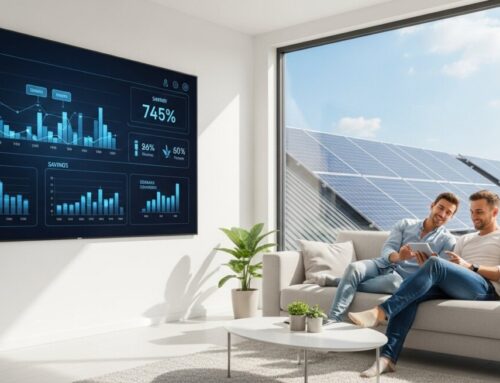
The most immediate benefit of solar is lower electricity bills. Once your system is paid off, your monthly energy cost drops to nearly zero. Over 20 to 30 years, that adds up to tens of thousands of dollars in savings. Solar panels also increase your home’s resale value. Studies show that homes with solar sell for 4 to 6 percent more than comparable homes without it.
Beyond finances, solar gives you energy independence. You are no longer at the mercy of utility rate hikes, rolling blackouts, or grid failures. And every kilowatt-hour you generate from sunlight instead of fossil fuels reduces your carbon footprint. It is a practical way to fight climate change while saving money. For many homeowners, that peace of mind is priceless.
How long do solar panels last?
Most solar panels come with a 25-year performance warranty, but they often continue producing electricity for 30 to 40 years. Their output slowly degrades,about 0.5 percent per year,so even after three decades, they still generate around 85 percent of their original capacity.
Do I need batteries for an off-grid system?
Yes, batteries are essential for true off-grid living. They store the energy your panels generate during the day so you can use it at night or during cloudy weather. Without batteries, you would only have power when the sun is shining.
Can I install solar panels myself to save money?
DIY installation is possible but not recommended for most homeowners. The work involves electrical wiring, roof work, and local permit requirements. Mistakes can lead to fire hazards, roof leaks, or voided warranties. Professional installation ensures safety, reliability, and eligibility for incentives.
Will solar work in cloudy or cold climates?
Yes, solar panels still generate electricity on cloudy days, just at a reduced rate. Cold temperatures actually improve panel efficiency. Germany, a country with less sun than much of the United States, is a world leader in solar energy.
What happens if my battery bank is full?
When your batteries are fully charged and your panels are still generating power, the charge controller stops sending electricity to the batteries. This prevents overcharging and protects your system. Some systems also allow you to divert excess power to other loads, like water heating.
Are there government incentives for off-grid solar?
Yes, the federal Investment Tax Credit (ITC) allows you to deduct 30 percent of your solar system cost from your federal taxes. Many states and local utilities also offer additional rebates, tax credits, or performance payments. Check with your installer to see what applies in your area.
How much maintenance do solar panels need?
Very little. Panels are designed to be self-cleaning in most climates, as rain washes away dust and debris. You may need to clean them once or twice a year if you live in a very dusty area. The rest of the system, including batteries and inverters, should be inspected annually by a professional.
Solar energy for off grid systems offers a reliable path to lower bills, energy independence, and a cleaner environment. Every home is different, so the best way to move forward is to gather personalized information. Compare quotes from multiple professional installers, ask questions, and choose the system that fits your needs and budget. Your journey to energy freedom starts with that first step.