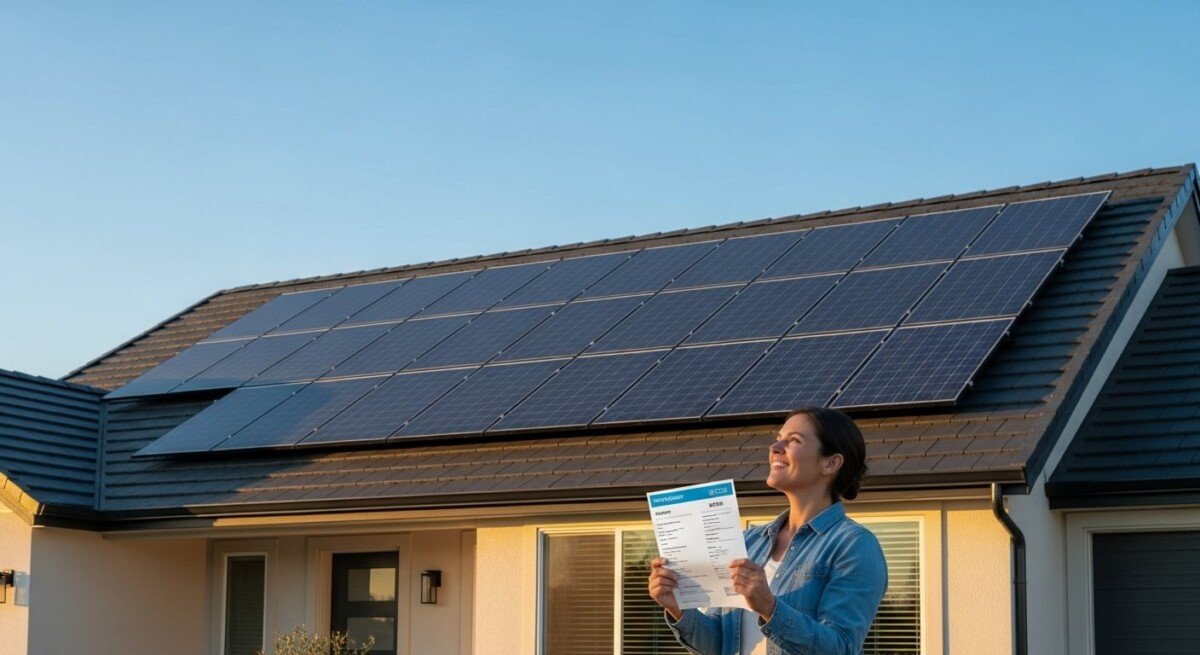
Solar Energy Explained: Save on Bills and Gain Energy Independence
Discover what solar energy is and how it can help homeowners save on electricity bills, gain energy independence, and reduce their environmental impact.

By Ryan Brooks
Learn more about Solar Panel Installation and Repair for guides, costs, and what to expect.
Compare Solar Panel Installation and Repair Pros Near You

Enter your ZIP code to compare top-rated local professionals and request free quotes.
Have you opened your electricity bill recently and felt a jolt of surprise? You’re not alone. With energy costs steadily rising, more homeowners are searching for a reliable way to take control. They are asking a simple but powerful question: what is solar energy? The answer is a practical path to reducing monthly bills and becoming less dependent on the unpredictable power grid.
Understanding What Is Solar Energy
Solar energy is power harnessed directly from the sun. It’s a clean, renewable resource that has been used for centuries, but modern technology has made it incredibly efficient for homes. Today, capturing this energy is simpler and more accessible than ever.
For homeowners, solar energy typically means installing photovoltaic (PV) panels on your roof. These panels contain cells that convert sunlight into direct current (DC) electricity. An inverter then converts that DC power into the alternating current (AC) electricity that powers your home’s lights, appliances, and devices.
From Sunlight to Your Socket
Think of a solar panel like a high-tech version of a garden rock that heats up in the sun. The photovoltaic cells within the panel absorb photons from sunlight, which knocks electrons loose and creates an electric current. This process happens silently and without any moving parts, providing a steady stream of clean power whenever the sun is shining.
Why Solar Energy Is Becoming More Popular
The shift toward solar power is driven by a powerful combination of financial and environmental benefits. Homeowners are tired of unpredictable utility rate hikes and want long-term stability. Solar panels offer a fixed-cost solution after the initial investment, locking in your energy rate for decades.
Beyond the wallet, there’s a growing desire to reduce our environmental footprint. Generating electricity from the sun produces no air pollution or greenhouse gases. By choosing solar, you directly contribute to cleaner air and a healthier planet for your family and community, a benefit that resonates deeply with many.
If you are considering solar power for your home, comparing installation quotes can help you understand your options. Request a free solar quote or call to learn more.
Common Questions Homeowners Have About Solar
It’s normal to have questions before making a significant home upgrade. The upfront cost is often the first concern, but it’s crucial to view it as a long-term investment with substantial returns. Many are also unsure if their roof is suitable or if they get enough sun.
Professional installers are experts at answering these questions. They can assess your specific situation, calculate your potential savings, and design a system that meets your home’s unique energy profile. Their guidance is invaluable in avoiding costly mistakes and ensuring you get the right system.
- How much do solar panels cost, and what are the financing options?
- Is my roof strong enough and does it get enough sunlight?
- What happens on cloudy days or at night?
- How long will the installation process take?
- Do solar panels require a lot of maintenance?
- Will solar panels increase my property taxes or home insurance?
How Solar Panel Installation Works
The installation process is managed by professionals from start to finish, making it surprisingly straightforward for the homeowner. It begins with a detailed consultation to understand your energy goals and evaluate your home’s solar potential. This step ensures the system is tailored just for you.
Once you approve the design, the installer handles all the necessary permits and paperwork with your local authorities. The physical installation is typically completed in just a few days, with minimal disruption to your daily life. The final step is connecting your system to the grid and flipping the switch on your new power source.
- Home Energy Assessment and Consultation
- Custom System Design and Proposal
- Permitting and Utility Approvals
- Physical Installation of Panels and Inverter
- Final Inspection and System Activation
Speaking with experienced installers can help you determine the best solar solution for your home. Compare solar quotes here or call to explore available options.
Signs Your Home May Be Ideal for Solar
While solar can work for many homes, some characteristics make the investment particularly advantageous. The most obvious factor is your roof’s exposure to direct sunlight. A south-facing roof with minimal shading from trees or other structures is ideal for maximum energy production.
Your current energy consumption and bills are also key indicators. If your electricity bills are consistently high, you have more potential savings to capture. Furthermore, if you plan to stay in your home for the long term, you’ll have more years to enjoy the financial benefits and see a full return on your investment.
- Your roof receives strong, direct sunlight for most of the day.
- You have high monthly electricity bills you want to reduce.
- You have a suitable, unshaded area on your roof or property.
- You plan to own your home for the next 5-10 years or more.
- Your roof is in good condition and less than 15-20 years old.
- You live in an area with good net metering policies from your utility.
What Affects Solar Installation Costs
The total cost of a solar energy system is not one-size-fits-all. The primary factor is the size of the system, measured in kilowatts (kW), which is determined by your home’s energy usage. A larger system for a big home with high consumption will cost more than a smaller one.
Other factors include the quality and efficiency of the equipment you choose, such as panels and inverters. The complexity of your roof’s layout and the local cost of labor also play a role. Critically, available government incentives, tax credits, and local rebates can significantly reduce your net cost, making solar more affordable than many realize.
The cost of solar installation varies depending on your home and energy needs. Request personalized solar quotes or call to see what options are available.
Tips for Choosing a Reliable Solar Installer
Selecting the right installer is as important as choosing the right equipment. A trustworthy company will be your partner for the life of the system. Start by looking for installers with strong local experience, proper licensing, and positive customer reviews.
Always get detailed, written proposals from multiple companies. This allows you to compare not just price, but also equipment brands, warranty terms, and projected energy production. A reputable installer will be transparent, answer all your questions patiently, and never use high-pressure sales tactics.
- Verify licenses, insurance, and certifications (like NABCEP).
- Read customer reviews and ask for local references.
- Compare warranties on both equipment and workmanship.
- Get detailed written quotes from at least three different companies.
- Ensure they handle all permitting and interconnection paperwork.
- Ask about their experience with installations similar to your home.
Long-Term Benefits of Installing Solar Panels
The most immediate and compelling benefit is the dramatic reduction in your monthly electricity bills. Over the 25+ year lifespan of a system, these savings can amount to tens of thousands of dollars. This financial cushion protects you from future utility rate increases, providing true energy cost predictability.
Solar panels also increase your home’s market value and appeal to future buyers. Beyond finances, you gain a profound sense of energy independence and security. You are actively participating in a sustainable future, reducing your carbon footprint with a clean, silent, and reliable source of power for your daily life, as explored in our article on daily solar energy use.
How long do solar panels last?
Most high-quality solar panels come with a performance warranty guaranteeing they will still produce at least 80-90% of their original output after 25 years. With minimal maintenance, the system itself can continue generating clean electricity for decades beyond that, making it a truly long-term investment for your home.
Do I need battery storage with my solar panels?
Not necessarily. Most homes start with a grid-tied system without batteries. Your system sends excess power to the grid for credits (net metering) and draws power at night. Batteries add cost but provide backup power during outages and can increase energy independence.
What is net metering?
Net metering is a billing arrangement with your utility company. When your solar panels produce more electricity than your home uses, the excess is sent to the grid. Your meter runs backward, giving you credits. You then use these credits to draw power from the grid at night or on cloudy days.
Can I install solar panels myself?
While DIY solar kits exist, professional installation is strongly recommended. Installers ensure the system is correctly sized, safely installed, compliant with all building codes and utility requirements, and eligible for warranties and incentives. A mistake can be costly and dangerous.
What happens if I sell my house?
Solar panels are a proven home value booster. Studies show homes with solar sell faster and for more money than comparable homes without. The transfer of the solar system to the new owner is typically straightforward, and your installer can guide you through the process.
Are there tax credits or rebates available?
Yes. The federal government offers a significant Investment Tax Credit (ITC) that directly reduces your federal income tax liability. Many states, counties, and utilities offer additional rebates or incentives. A qualified installer will help you identify all the financial incentives you qualify for.
Exploring solar energy for your home is a smart step toward financial predictability and environmental responsibility. By understanding how it works and the substantial long-term benefits, you can make a confident decision. The best next step is to gather information tailored to your specific home. Comparing quotes from reputable local installers provides clarity on costs, savings, and the perfect system for your needs, empowering you to harness the sun’s power.
Learn more about Solar Panel Installation and Repair for guides, costs, and what to expect.
Compare Solar Panel Installation and Repair Pros Near You
Enter your ZIP code to compare top-rated local professionals and request free quotes.