How AI Is Making Solar Energy More Affordable for Homeowners
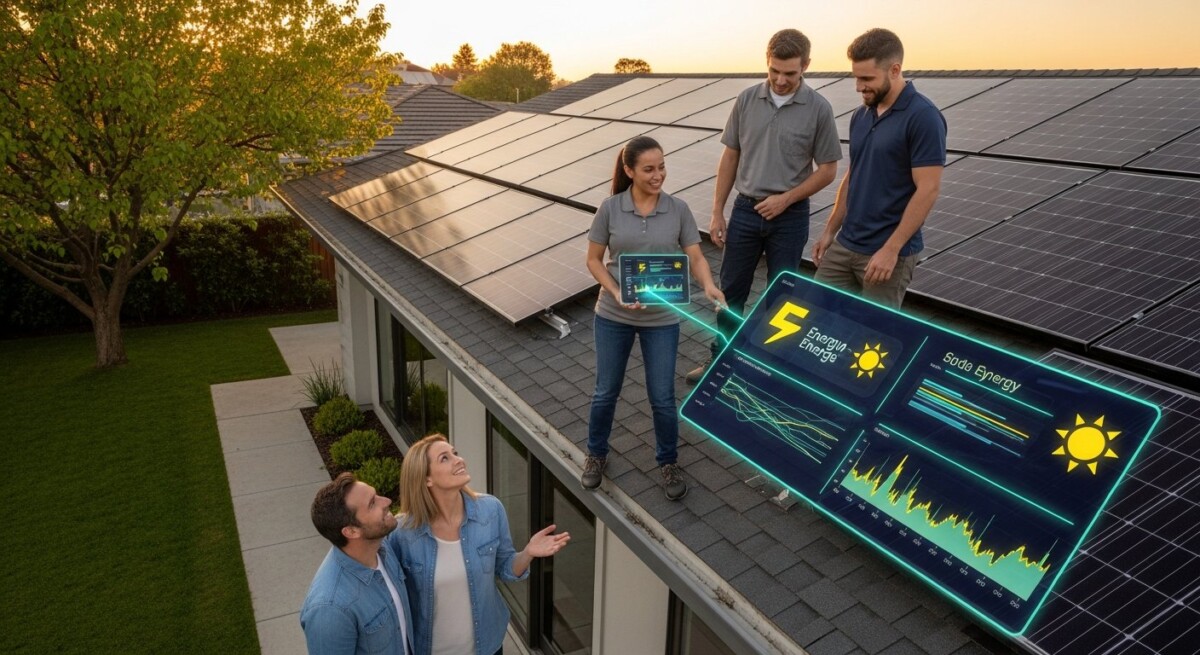
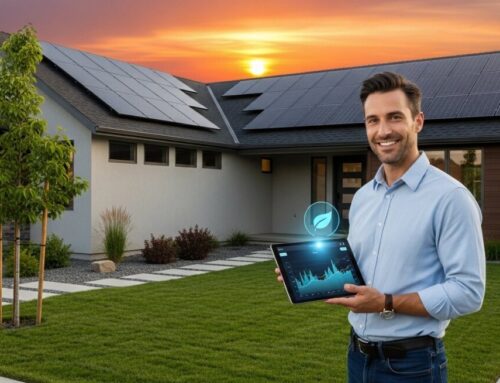
If you’ve opened your electricity bill recently and felt a jolt, you’re not alone. Rising energy costs are pushing more homeowners to look for a reliable, long-term solution. Many are asking a powerful question: can AI reduce solar energy costs? The answer is a resounding yes, and it’s helping families lower their bills and gain energy independence faster than ever before.
Understanding How AI Reduces Solar Energy Costs
Artificial Intelligence, or AI, is a technology that can learn, analyze, and optimize. In the solar industry, it’s being used as a powerful tool to make every part of the process smarter and more efficient. This isn’t about robots installing panels; it’s about intelligent software that drives down costs and boosts performance.
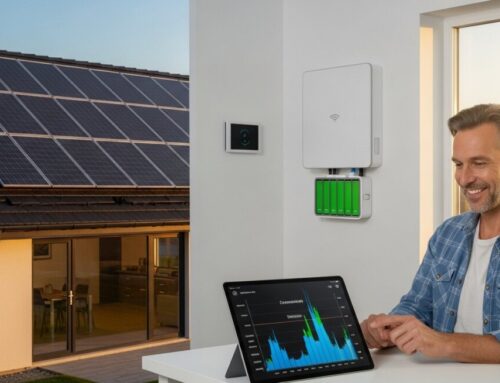
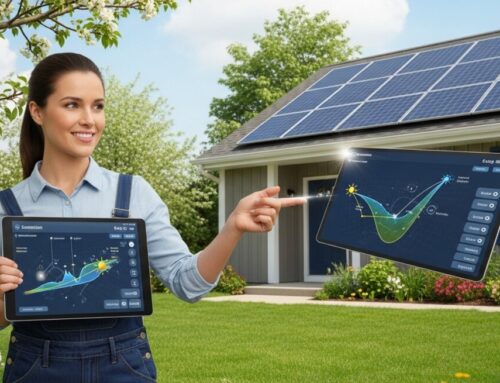
AI works by processing massive amounts of data. It analyzes sunlight patterns, your home’s energy use, local weather, and even equipment performance. By finding the most efficient designs and predicting maintenance needs, AI helps installers create better systems for less money. This means more savings are passed directly to you, the homeowner.
Why Solar Energy Is Becoming More Popular
Homeowners are turning to solar power for several compelling reasons. First and foremost is financial security. Locking in a predictable energy cost protects you from unpredictable utility rate hikes for decades. Your solar panels become a personal power plant on your roof.
Beyond the bills, there’s a strong desire for energy independence and environmental stewardship. Generating your own clean electricity means relying less on the traditional grid and reducing your household’s carbon footprint. It’s a practical step toward a more sustainable future, and with tools like AI streamlining the process, it’s becoming an easier decision to make.
If you are considering solar power for your home, comparing installation quotes can help you understand your options. Request a free solar quote or call to learn more.
Common Questions Homeowners Have About Solar
It’s normal to have questions before making a significant home improvement. The upfront cost is often the biggest concern, but it’s crucial to view it as a long-term investment with substantial returns. Many are also unsure if their roof is suitable or how the system will perform in different seasons.
Professional installers use advanced tools, often powered by AI, to answer these questions precisely. They can provide accurate projections for your specific home, not just rough estimates. This level of detail helps you avoid costly mistakes and choose a system that fits your budget and energy goals perfectly.
- How much will a solar system really cost after incentives?
- Is my roof strong enough and does it get enough sun?
- What happens on cloudy days or at night?
- How long will the installation process take?
- Will solar panels increase my property value?
- What kind of maintenance is required?
How Solar Panel Installation Works
The installation process is managed by professionals from start to finish. It begins with a detailed assessment of your home’s energy needs and solar potential. Modern installers use AI-driven software to analyze satellite imagery and historical weather data, creating a highly accurate system design in minutes.
Once you approve the design, the installer handles all the permits and paperwork. The physical installation is typically quick, followed by inspections and connection to the grid. You can learn more about the seamless integration of solar into daily life in our article on how we use solar energy every day.
- Home Energy Assessment & Site Survey
- Custom System Design & Proposal
- Permitting & Utility Approvals
- Equipment Delivery & Panel Installation
- Final Inspections & System Activation
Speaking with experienced installers can help you determine the best solar solution for your home. Compare solar quotes here or call to explore available options.
Signs Your Home May Be Ideal for Solar
Certain conditions make a home a great candidate for solar panels. The most obvious is a roof that gets plenty of direct sunlight for most of the day, with minimal shading from trees or other structures. South-facing roofs in the Northern Hemisphere are typically ideal.
Your current energy consumption and future plans also matter. If you have high electricity bills, you stand to save more. Furthermore, if you plan to stay in your home for the long term, you’ll maximize the financial return on your investment as savings accumulate over the years.
- Your roof is in good condition and receives strong sunlight.
- You pay high monthly electricity bills.
- You have a suitable amount of unshaded roof space.
- You plan to own your home for 5+ years.
- Your local utility has net metering or other favorable policies.
- You are interested in reducing your environmental impact.
What Affects Solar Installation Costs
The final price of your solar system depends on several key factors. The size of the system, measured in kilowatts (kW), is the primary driver,more panels mean more power and a higher initial cost. The quality and efficiency of the equipment you choose also play a significant role.
Importantly, local and federal incentives can dramatically reduce your net cost. The federal solar tax credit allows you to deduct a significant percentage of the system cost from your taxes. AI is helping to lower these costs further by optimizing designs and supply chains, a trend explored in our analysis of AI solar energy adoption trends.
The cost of solar installation varies depending on your home and energy needs. Request personalized solar quotes or call to see what options are available.
Tips for Choosing a Reliable Solar Installer
Selecting the right installer is as important as choosing the right system. Look for a company with strong local experience, proper licensing, and positive customer reviews. A trustworthy installer will be transparent about costs, equipment, and the expected timeline.
Always review the warranties offered on both the equipment and the installation workmanship. Most importantly, get detailed quotes from multiple companies. This allows you to compare not just price, but also system design, equipment brands, and service offerings to find the best overall value.
- Check for proper licenses, insurance, and certifications.
- Read verified customer reviews and ask for references.
- Compare the equipment brands and warranties offered.
- Ensure they provide a detailed production estimate.
- Get multiple quotes to compare prices and services.
- Ask who will handle the permitting and interconnection process.
Long-Term Benefits of Installing Solar Panels
The long-term advantages of going solar extend far beyond the first month’s lower bill. You are essentially fixing a major portion of your home’s operating cost for 25 years or more. This predictability is invaluable for household budgeting and increases your resilience against energy price volatility.
Solar panels are also a proven home improvement that increases property value. Studies show homes with solar sell faster and for more money. Ultimately, you gain a greater sense of energy independence, knowing you’re producing clean, renewable power right where you use it.
How much can I really save with solar panels?
Savings depend on your local electricity rates, system size, and sunlight. Most homeowners see a reduction of 70-100% on their electric bills. Over 20-30 years, total savings often reach tens of thousands of dollars, far exceeding the system’s initial cost.
Are there government incentives for going solar?
Yes. The federal solar Investment Tax Credit (ITC) allows you to deduct a significant percentage of your system cost from your federal taxes. Many states, utilities, and local governments offer additional rebates, tax breaks, or performance-based incentives.
What is net metering and how does it work?
Net metering is a billing arrangement with your utility company. When your panels produce more electricity than you use, the excess is sent to the grid, and you earn credits. At night or on cloudy days, you use those credits to draw power, significantly lowering your net cost.
Do solar panels work during a power outage?
Standard grid-tied systems automatically shut off during an outage for safety. However, you can add a solar battery backup system. This stores excess energy for use during outages, keeping your lights on and essential appliances running.
How long do solar panels last?
Solar panels are extremely durable and typically come with a 25-30 year performance warranty. They slowly lose a small amount of efficiency over time, but most are designed to still produce at 80-90% of their original capacity after 25 years.
Will solar panels damage my roof?
Professional installers will first ensure your roof is in good condition. The mounting systems are designed to protect your roof and are installed with waterproof seals. In many cases, the panels actually shield the covered portion of your roof from weather elements.
Exploring solar energy for your home is a smart step toward controlling costs and investing in a sustainable future. By understanding how technology like AI is making solar more accessible and by comparing quotes from qualified local installers, you can make a confident, informed decision that pays off for decades to come.