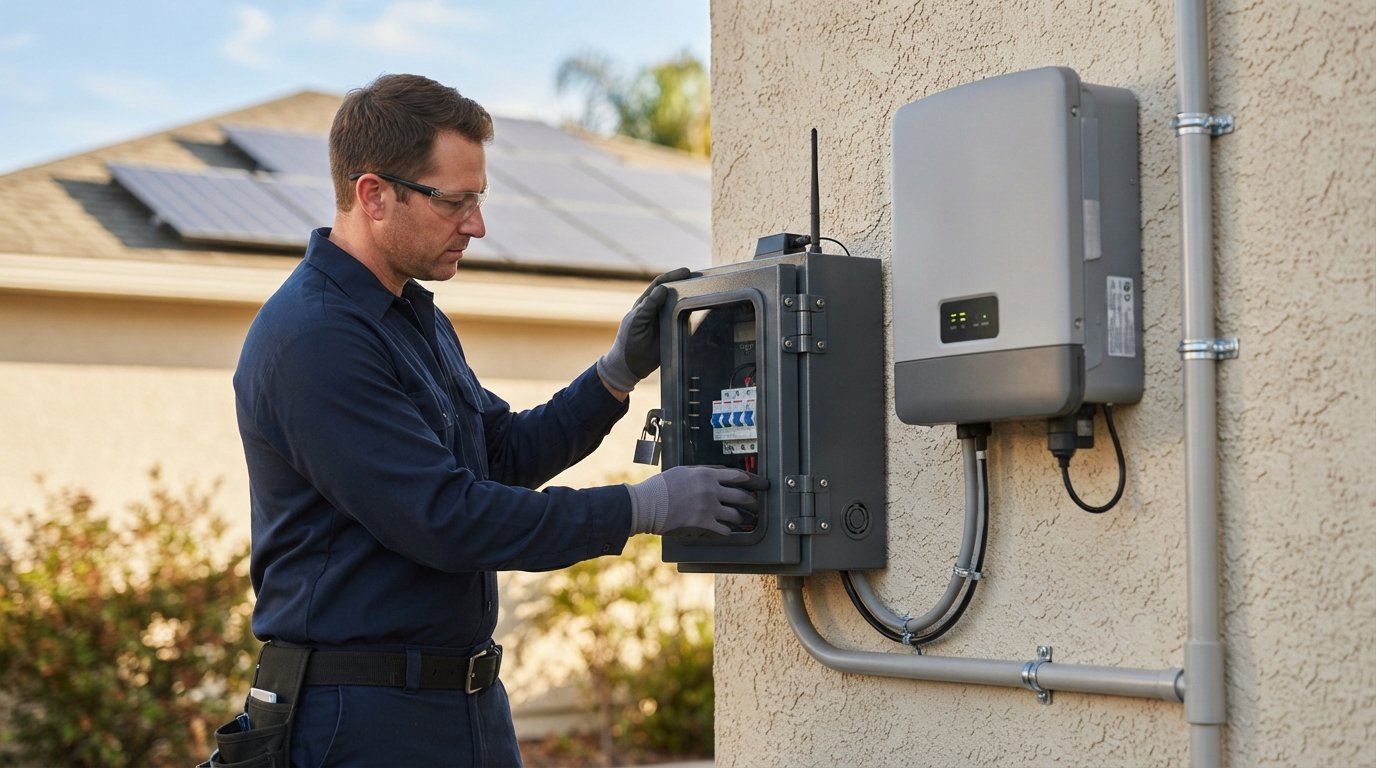
Electrical Security Upgrades: Shield Your Solar Investment
Upgrade your electrical security system to protect solar investments from tampering and surges. Call (833)-434-4023 for expert guidance.

By Julia Nguyen
Learn more about Solar Panel Installation and Repair for guides, costs, and what to expect.
Compare Solar Panel Installation and Repair Pros Near You

Enter your ZIP code to compare top-rated local professionals and request free quotes.
Your solar panels are a long-term financial commitment, often representing tens of thousands of dollars in equipment and expected savings. While you may focus on panel efficiency and inverter performance, the electrical infrastructure that ties everything together is equally vital to protecting that investment. Electrical security system upgrades are not just about adding cameras or alarms; they encompass a holistic approach to hardening your solar installation against tampering, theft, and electrical faults. By integrating monitoring, access control, surge protection, and smart data analytics, you can safeguard your solar assets and ensure uninterrupted energy production for decades.
Why Electrical Security Matters for Solar Investments
Solar investments are exposed to a range of risks that go beyond weather and wear. Copper theft, inverter tampering, and unauthorized access to disconnect switches can lead to costly downtime, safety hazards, and voided warranties. Moreover, power surges and poor grounding can damage sensitive electronics, including inverters and batteries, eroding your return on investment. A robust electrical security system addresses these vulnerabilities by combining physical barriers, electronic monitoring, and intelligent alerting. For homeowners and businesses alike, the goal is to protect both the equipment and the data that proves your system's performance.
In many states, insurers are increasingly scrutinizing renewable energy installations, and having a documented security plan can lower premiums or satisfy underwriting requirements. As solar adoption grows, so does the need for standardized security practices. Upgrading your electrical security is not just a precaution; it is a strategic move to preserve asset value and peace of mind.
Monitoring and Alerting for Inverter, Battery, and Disconnect Tampering
The inverter is the heart of your solar system, converting DC power from panels into usable AC electricity. Batteries store excess energy for later use, and disconnect switches allow safe isolation during maintenance or emergencies. These components are prime targets for tampering, whether by vandals, thieves, or even curious individuals. A comprehensive monitoring system can detect unauthorized access and alert you in real time.
Modern security upgrades include door contacts, vibration sensors, and tamper switches on inverter enclosures, battery cabinets, and disconnect boxes. These sensors integrate with a central hub that sends notifications via smartphone apps, email, or text. For example, if someone opens the inverter cover without authorization, you receive an immediate alert, allowing you to dispatch security or notify authorities. Some systems also include audible alarms to deter intruders.
Beyond physical tampering, monitoring should extend to electrical parameters. Voltage fluctuations, ground faults, and arc faults can indicate compromised wiring or attempted theft. Advanced monitoring platforms can track these metrics and trigger alerts when anomalies occur. By catching issues early, you can prevent damage and maintain system uptime. Integrating solar production data with security dashboards, as discussed later, provides a unified view of system health and security status.
Integrating Solar Production Data with Security System Dashboards
Solar monitoring systems already collect vast amounts of data: energy generation, consumption, battery state of charge, and system efficiency. By integrating this data with your security dashboard, you gain a powerful tool for detecting theft or tampering. For instance, a sudden drop in production coinciding with an alarm event could indicate that someone has disconnected panels or tampered with wiring.
Many advanced inverters and monitoring platforms offer APIs or built-in integration with home automation and security systems. This allows you to create custom rules and alerts. For example, you can set a rule that if production falls below a threshold during peak sunlight hours and a door contact on the inverter is triggered, the system sends a high-priority alert and activates cameras. Such cross-system intelligence reduces false alarms and improves response times.
In our guide on solar system performance analytics, we explain how to leverage data to maximize savings; the same data can be repurposed for security. By analyzing historical patterns, you can establish baselines and detect deviations that may signal a security breach. This integration transforms your solar investment into a smart, self-aware asset.
Surge Protection and Grounding as Part of Electrical Hardening
Power surges are a silent threat to solar equipment. They can originate from lightning strikes, grid switching, or internal faults. Without proper surge protection, inverters, charge controllers, and batteries can be damaged beyond repair. Electrical hardening involves installing surge protective devices (SPDs) at critical points: the DC side between panels and inverter, the AC side at the main service panel, and at communication lines.
Grounding is equally important. A properly grounded system safely dissipates fault currents and reduces the risk of electric shock and fire. Poor grounding can also lead to equipment damage and void warranties. During a security upgrade, a licensed electrician should inspect and upgrade grounding electrodes, bonding jumpers, and equipotential bonding to meet current codes such as NEC Article 690.
Surge protection and grounding are not just about safety; they are integral to asset protection. A single surge event can cost thousands in repairs and lost production. By incorporating robust surge protection and grounding into your electrical security plan, you shield your investment from both environmental and man-made electrical hazards. This is a key component of electrical security system upgrades to protect solar investments, ensuring longevity and reliability.
Access Control and Camera Coverage for Ground-Mounted Arrays
Ground-mounted solar arrays are particularly vulnerable to theft and vandalism because they are easily accessible. Unlike rooftop systems, ground mounts expose panels, wiring, and combiner boxes to potential tampering. Access control and surveillance are therefore critical.
Start by restricting physical access. Fencing with locked gates is a basic deterrent, but integrating electronic access control adds a layer of accountability. Keypad entry, card readers, or smartphone-based access can log who enters the array area and when. For larger commercial systems, biometric access may be warranted. Coupled with signage warning of monitoring and alarms, access control discourages casual trespassers.
Camera coverage should be strategic: aim for wide-angle views of the array, close-ups of combiners and inverters, and coverage of entry points. Modern IP cameras offer motion detection, night vision, and remote viewing. When integrated with the security system, camera feeds can be triggered by sensor events, providing visual verification of alarms. Cloud storage ensures footage is preserved even if local equipment is damaged. For ground-mounted arrays, consider cameras with cellular backup to maintain connectivity during internet outages.
Lighting is a simple but effective complement. Motion-activated lights can startle intruders and improve camera image quality. Solar-powered lights are a natural fit for remote arrays. By combining access control, cameras, and lighting, you create a layered defense that protects your solar investment around the clock.
Coordinating Security Upgrades with Solar Installation Timelines
Timing is everything when upgrading electrical security. The most cost-effective approach is to integrate security features during the initial solar installation. This avoids retrofitting costs, reduces labor, and ensures compatibility. For existing systems, plan upgrades during scheduled maintenance or inverter replacement to minimize disruption.
Here is a step-by-step framework to coordinate security upgrades with solar timelines:
- Assessment: Conduct a security audit of your current or planned solar system. Identify vulnerable points such as inverters, batteries, disconnects, and wiring runs. Determine which monitoring and access control features are needed.
- Design Integration: Work with your solar installer and security provider to design a unified system. Ensure that power for security devices is available, and that communication pathways (Wi-Fi, Ethernet, cellular) are planned. Consider conduit runs for future cameras and sensors.
- Permitting and Compliance: Check local codes and HOA requirements for security equipment. Some jurisdictions have restrictions on camera placement or alarm systems. Obtain necessary permits before installation.
- Installation: Coordinate schedules so that security wiring and devices are installed alongside solar components. For retrofits, isolate circuits and follow lockout/tagout procedures to ensure safety.
- Testing and Commissioning: After installation, test all sensors, cameras, and alerts. Verify integration with solar monitoring dashboards. Train users on how to respond to alerts and access footage.
Following this framework ensures that security upgrades enhance rather than complicate your solar investment. It also provides documentation for insurers and future resale. For homeowners seeking vetted professionals, platforms like NewSolarQuotes connect you with qualified solar and security installers, streamlining the process.
Choosing the Right Security Partner and Technology
Not all security systems are created equal. When selecting technology and partners, prioritize compatibility, scalability, and support. Look for systems that support open standards such as Z-Wave, Zigbee, or IP-based protocols, allowing integration with existing smart home or building management systems. Ensure the system can grow with your needs, whether adding more cameras or integrating with energy management software.
Cybersecurity is another critical consideration. Many modern security devices connect to the internet, making them potential entry points for hackers. Choose devices with strong encryption, regular firmware updates, and multi-factor authentication. Keep security network separate from your main network using VLANs or dedicated routers. Your security provider should have a clear cyber hygiene policy.
Finally, consider ongoing monitoring. Professional monitoring services can dispatch authorities when alarms trigger, providing an extra layer of protection. DIY monitoring via smartphone is convenient but relies on you being available. For high-value solar investments, a hybrid approach (self-monitoring with professional backup) often works best. Review contracts carefully, ensuring no long-term lock-ins and transparent pricing.
Maximizing Return on Security Investment
Electrical security upgrades represent an additional cost, but they protect a much larger investment. To maximize ROI, focus on measures that prevent the most likely and costly risks. For most residential systems, inverter tampering and surge damage are top concerns; for commercial ground mounts, theft and vandalism are more prevalent. Tailor your upgrades accordingly.
Many utilities and insurers offer discounts for documented security measures. Check with your provider; some may reduce premiums for monitored alarms or surge protection. Additionally, security features can increase property value and appeal to buyers, especially as solar becomes more common. By framing security as an investment rather than an expense, you can justify the upfront cost.
Remember that electrical security is not a one-time task. Regular maintenance, software updates, and periodic audits ensure continued effectiveness. Schedule annual inspections of sensors, cameras, and grounding systems. As threats evolve, so should your defenses.
Protecting your solar investment requires a proactive approach that combines physical security, electronic monitoring, and electrical hardening. By upgrading your electrical security system, you safeguard your assets, ensure uninterrupted energy production, and enjoy peace of mind. Whether you are installing a new solar system or upgrading an existing one, integrate security from the start. With the right planning and partnerships, you can protect your solar investment for years to come.