Clean Energy Solutions: Power Your Home with Solar
Discover how clean energy through home solar panels cuts electricity bills, boosts property value, and supports a sustainable future. Start your switch today.

By Owen Phillips
Learn more about Solar Panel Installation and Repair for guides, costs, and what to expect.
Compare Solar Panel Installation and Repair Pros Near You

Enter your ZIP code to compare top-rated local professionals and request free quotes.
The shift to clean energy is no longer a distant vision; it is a practical decision that homeowners across the United States are making every day. With electricity rates climbing and concerns about grid reliability growing, the question is not whether to explore renewable power, but how to do it effectively. Solar energy stands out as the most accessible and impactful option for residential use, offering a direct path to lower bills and greater energy independence. This guide walks you through the real-world benefits, financial realities, and key steps to make the switch without the guesswork.
Why Clean Energy Matters for Your Home
Clean energy, particularly solar power, directly addresses two of the most pressing issues for modern homeowners: rising utility costs and environmental responsibility. Traditional electricity generation relies heavily on fossil fuels, which are subject to volatile market prices and contribute to carbon emissions. By installing solar panels, you generate your own electricity from sunlight, a free and abundant resource. This reduces your dependence on the grid and shields you from unpredictable rate hikes.
Beyond the monthly savings, solar panels increase property value. Studies consistently show that homes with solar energy systems sell faster and at a premium compared to similar homes without them. This is not just about the equipment itself; it reflects a growing buyer preference for homes with lower operating costs and a smaller carbon footprint. For many families, the initial investment pays off through both immediate bill reductions and long-term asset appreciation.
Furthermore, the environmental impact of switching to clean energy is substantial. The average residential solar system offsets several tons of carbon dioxide each year, equivalent to planting over 100 trees annually. While no single home can solve climate change alone, collective adoption of clean energy technologies like solar creates meaningful progress. It reduces strain on local grids, lowers the need for new fossil fuel power plants, and supports a healthier community.
The Financial Side of Going Solar
Understanding the costs and incentives is the first step toward a smart solar investment. The upfront price of a residential system has dropped dramatically over the past decade, but it still represents a significant expense. However, the financial picture is much brighter when you factor in federal and state incentives, net metering policies, and long-term energy savings. The key is to model your specific situation rather than relying on averages.
The federal Investment Tax Credit (ITC) remains one of the most powerful financial tools for solar adopters. As of 2026, the credit allows you to deduct a significant percentage of your solar installation costs from your federal taxes. Many states and local utilities offer additional rebates, performance-based incentives, or property tax exemptions for solar systems. These combined incentives can reduce the net cost of your system by thousands of dollars, often making the payback period just five to seven years.
To see how these numbers apply to your home, using a reliable calculator is essential. A good solar savings calculator factors in your location, roof angle, shading, local electricity rates, and available incentives to estimate your monthly savings and return on investment. This is not about guesswork; it is about making a data-driven decision that fits your budget and energy needs.
Here are the key financial components to evaluate before you sign a solar contract:
- Net system cost: The total price after all rebates and tax credits are applied.
- Monthly energy savings: How much you will save on your electric bill each month.
- Payback period: The time it takes for your cumulative savings to cover your net investment.
- Return on investment (ROI): The long-term profit your system generates over its 25-year lifespan.
Once you have these figures, you can compare financing options such as cash purchases, solar loans, or leases and power purchase agreements (PPAs). Cash purchases offer the highest long-term ROI, while loans and leases make solar accessible with little or no money down. Each option has trade-offs between upfront cost, monthly payments, and long-term savings, so choose the one that aligns with your cash flow and goals.
Choosing the Right Solar System for Your Home
Not all solar systems are the same, and the right choice depends on your home's specific characteristics and your energy consumption patterns. The three main components are the solar panels, the inverter, and the mounting system. Each plays a critical role in how much electricity your system generates and how efficiently it operates. Understanding these options helps you talk confidently with installers and select the best configuration.
Solar panels come in different efficiencies and aesthetics. Monocrystalline panels are the most efficient and look sleek, making them ideal for homes with limited roof space. Polycrystalline panels are slightly less efficient but more affordable, while thin-film panels are lightweight and flexible but require more space. Your installer should recommend a panel type based on your roof's exposure, size, and your budget. The inverter, which converts DC power from the panels into usable AC power, also varies. String inverters are cost-effective but can be affected by shading on one panel, while microinverters optimize each panel individually and provide better monitoring.
Beyond the hardware, the quality of the installation matters immensely. A poorly designed or installed system can underperform, create roof leaks, or pose safety hazards. This is why working with vetted, experienced solar professionals is non-negotiable. A reputable installer will conduct a thorough site assessment, handle all necessary permits, and ensure the system meets local building codes and utility interconnection requirements. They should also provide a solid warranty covering both the equipment and the workmanship.
When evaluating installers, ask for references, check online reviews, and verify their licenses and insurance. Also, get at least three quotes to compare pricing and system designs. In our guide on solar power plant financing options, we detail how to evaluate these proposals and negotiate the best terms. Remember, the cheapest quote is not always the best value; focus on the quality of components and the installer's track record.
Net Metering and Battery Storage: Maximizing Your Benefits
One of the most important aspects of a solar installation is how you handle excess electricity. Net metering is a billing arrangement where your utility credits you for the surplus power your panels send to the grid. During sunny hours, your system may generate more electricity than you use, spinning your meter backward and building credits that offset your usage at night or on cloudy days. This policy is available in most states, but the specifics vary, so check with your local utility.
Battery storage is another layer of optimization. With a home battery, you can store excess solar energy for use during evenings, power outages, or peak rate periods. This increases your energy independence and can provide emergency backup when the grid fails. Batteries are an additional investment, but their costs are falling, and they offer peace of mind for families in areas prone to extreme weather or grid instability.
If you are considering a battery, think about your primary goals. If you want to maximize savings through time-of-use arbitrage (charging from solar during the day and using stored power during peak hours), a smaller battery may suffice. If you need whole-home backup during outages, you will need a larger capacity and possibly a critical loads panel to prioritize essential circuits. Your installer can help you size the system based on your needs and budget.
Navigating Incentives and Rebates
The landscape of solar incentives is complex and constantly evolving. Beyond the federal ITC, many states offer additional benefits that can significantly lower your costs. These include state tax credits, sales tax exemptions on solar equipment, property tax exemptions for the added home value, and performance-based incentives that pay you for the energy your system produces. Some utilities also offer time-of-use rates that reward shifting your energy consumption to off-peak hours.
It is essential to research the specific incentives available in your state and municipality. The Incentives & Rebates Guide provides up-to-date information on federal, state, and local programs, but you should always verify details with official sources as policies can change. Your solar installer should also be familiar with local incentives and can help you complete the necessary paperwork to claim them.
Here are the common incentive types to look for:
- Federal Investment Tax Credit (ITC): A percentage of your system cost deducted from federal income taxes.
- State tax credits: Additional deductions or credits on your state income tax return.
- Rebates: Direct cash payments from your state, utility, or municipality for installing solar.
- Net metering: Credits for excess energy sent to the grid.
- Solar Renewable Energy Certificates (SRECs): In some states, you can sell certificates for the clean energy you generate.
Understanding these incentives is crucial for calculating your true net cost and payback period. For a detailed breakdown of costs and savings, refer to the Solar Panel Cost Guide, which offers state-by-state pricing data and financing advice. The more you know upfront, the better equipped you are to make a financially sound decision.
Working with Solar Professionals
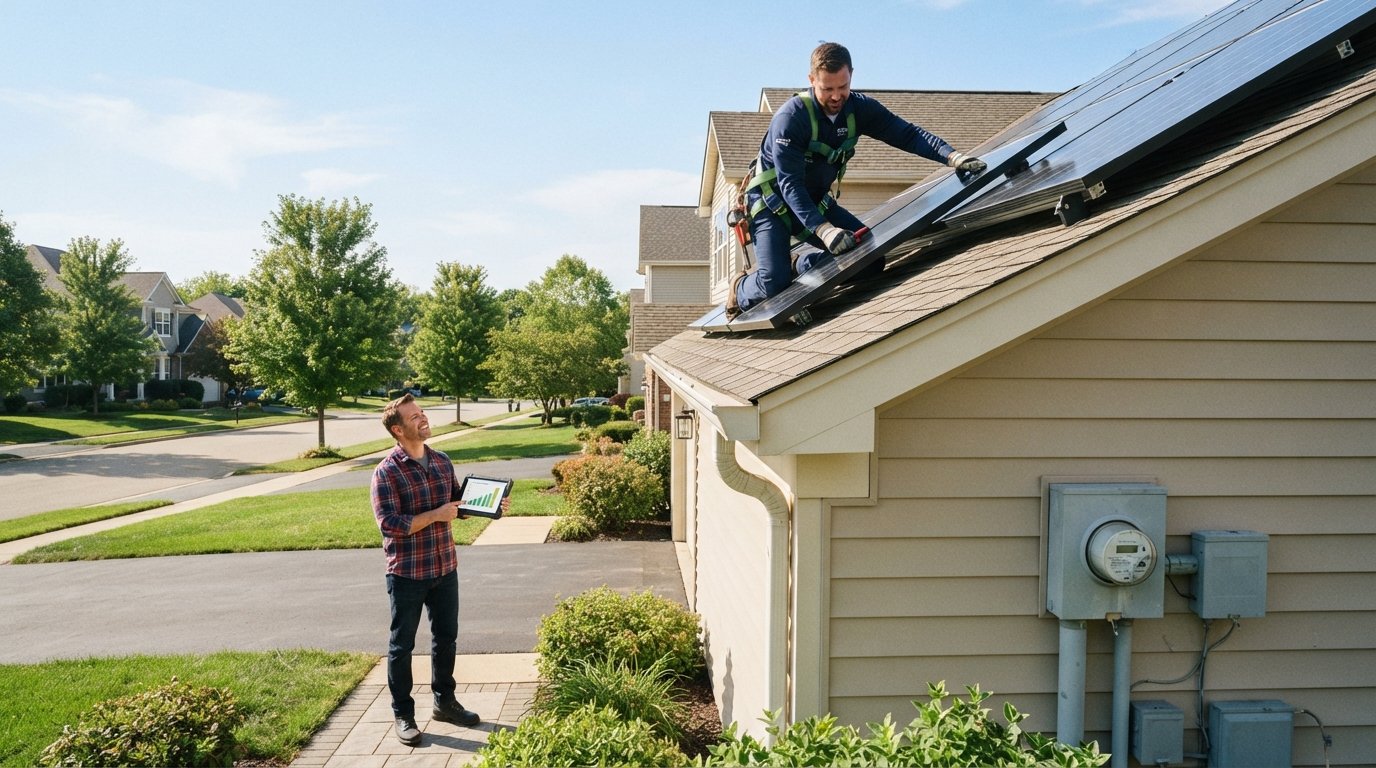
Installing solar panels is a significant home improvement project that requires specialized skills. From electrical wiring and roof penetrations to utility interconnection and building permits, the process involves multiple technical and regulatory steps. Attempting a DIY installation is risky and often violates local codes or warranty requirements. Instead, working with qualified solar professionals ensures your system is safe, efficient, and code-compliant.
SolarEnergy.ai connects you with vetted solar installers in your area. These professionals handle everything from the initial site assessment to final inspection and grid connection. They also provide valuable advice on system sizing, panel selection, and financing. By comparing quotes from multiple installers through the platform, you can make an informed choice without the pressure of door-to-door sales tactics.
When you engage a professional, expect a thorough consultation that includes:
- Analysis of your energy bills and usage patterns.
- Evaluation of your roof's condition, orientation, and shading.
- Design of a custom system that meets your needs and budget.
- Handling of permits, inspections, and utility approvals.
- Installation by trained technicians with safety protocols.
- Post-installation support and monitoring.
A good installer will also explain the maintenance requirements, which are minimal for solar panels. Regular cleaning and an annual inspection are usually sufficient to keep your system performing at peak efficiency. Many installers offer monitoring services that alert you to any performance issues, allowing for quick resolution.
The Future of Clean Energy and Your Role
Clean energy is not a passing trend; it is the foundation of a resilient and sustainable energy system. As technology improves and costs continue to fall, solar power is becoming the default choice for new home energy systems. Advances in battery storage, smart inverters, and AI-driven energy management are making it possible for homeowners to optimize their energy use in real time, further reducing waste and costs.
By going solar, you are not just saving money; you are contributing to a larger movement toward energy independence and environmental stewardship. Your rooftop becomes a small power plant that benefits your household and the community. The electricity you generate reduces the demand for fossil fuels, and the collective impact of millions of solar homes can transform the energy landscape.
If you are ready to take the next step, start by getting a free quote from local solar professionals. Use the tools and guides available on this site to educate yourself, then reach out to multiple installers for comparison. The transition to clean energy is a journey, but with the right information and partners, it is a smooth and rewarding one.
Your path to clean energy starts with a single decision. Make it count.
Learn more about Solar Panel Installation and Repair for guides, costs, and what to expect.
Compare Solar Panel Installation and Repair Pros Near You
Enter your ZIP code to compare top-rated local professionals and request free quotes.