Best AI Solar Energy Platforms for Homeowner Savings
Discover how the best AI solar energy platforms help homeowners save money, gain energy independence, and simplify the switch to clean, renewable power.

By Ethan Contributor
Learn more about Solar Panel Installation and Repair for guides, costs, and what to expect.
Compare Solar Panel Installation and Repair Pros Near You

Enter your ZIP code to compare top-rated local professionals and request free quotes.
If you’ve opened your electricity bill recently and felt a shock, you’re not alone. Many homeowners are searching for a reliable way to reduce their energy costs and gain independence from the unpredictable power grid. This search often leads to the exciting world of solar energy, and more specifically, to the best AI solar energy platforms designed to make the entire process smarter and more efficient.
Understanding Best AI Solar Energy Platforms
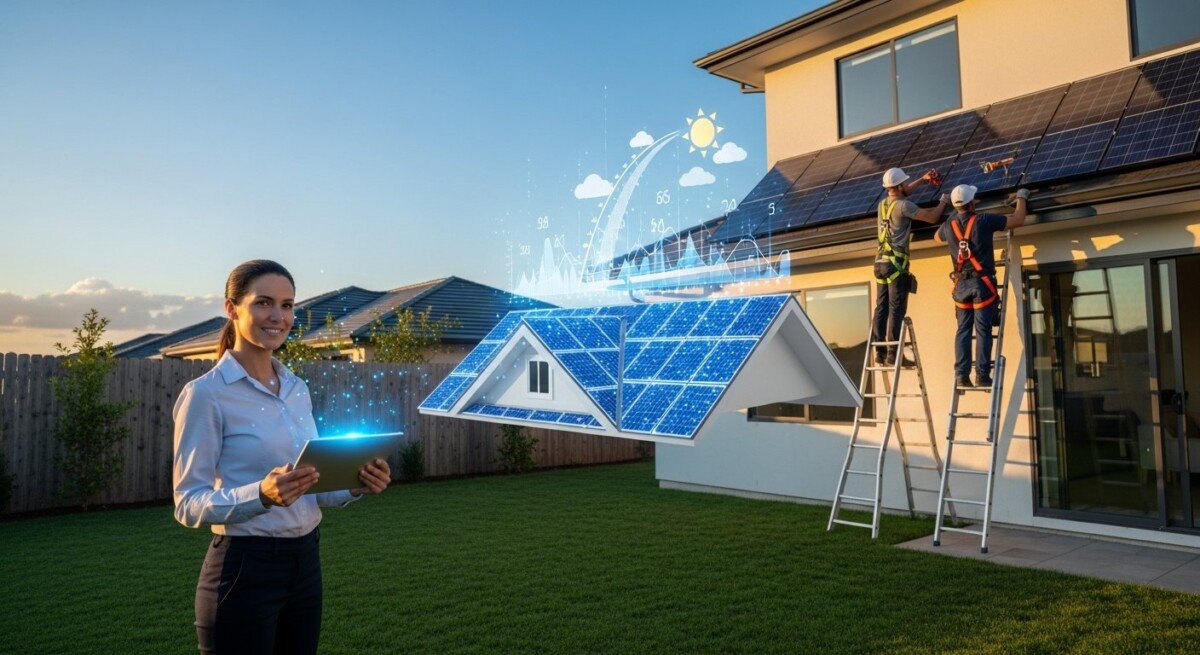
At its core, an AI solar energy platform is a sophisticated digital tool that uses artificial intelligence to simplify your solar journey. These platforms analyze vast amounts of data about your home, local weather, and energy usage to provide highly accurate recommendations. They help predict your potential savings, design the ideal system for your roof, and even connect you with qualified local installers.
The goal is to take the guesswork out of going solar. Instead of relying on rough estimates, AI can model your home’s solar potential with remarkable precision. This technology is why more homeowners are confidently making the switch, armed with clear, data-driven insights about their investment.
Why Solar Energy Is Becoming More Popular
The primary driver for most homeowners is financial. With electricity prices consistently rising, locking in a lower, predictable energy cost for decades is incredibly appealing. Solar panels act as a hedge against future utility rate hikes, providing long-term stability for your household budget.
Beyond the savings, environmental concerns and a desire for energy independence are powerful motivators. Generating your own clean power reduces your carbon footprint and makes your home more resilient. Combined with available government incentives and rebates, which can significantly lower the upfront cost, solar power has moved from a niche alternative to a mainstream home improvement.
If you are considering solar power for your home, comparing installation quotes can help you understand your options. Request a free solar quote or call to learn more.
Common Questions Homeowners Have About Solar
It’s normal to have questions before making a significant home investment. Many people wonder about the initial cost and how long it will take to see a return. Others are concerned about whether their roof is suitable or what happens on cloudy days.
Professional installers address these concerns every day. They can provide detailed financial analyses, including payback periods and return on investment. They also conduct thorough site assessments to ensure your roof can support a system that will perform reliably for years, as explained in our guide on understanding solar energy quotes for homeowners.
- How much do solar panels cost, and are there financing options?
- Is my roof strong enough and does it get enough sun?
- How much will I really save on my electricity bill?
- What happens during a power outage?
- How long does installation take, and is it messy?
- What maintenance do solar panels require?
How Solar Panel Installation Works
The installation process is highly structured and managed by professionals from start to finish. It begins with a comprehensive evaluation of your energy needs and your property’s solar potential. This ensures the system design is perfectly tailored to your home.
Your installer handles all the complex paperwork, including permits, interconnection agreements with your utility, and applications for incentives. The physical installation is typically quick, followed by inspections and final activation. Here are the main steps:
- Home Energy Assessment & Site Survey: An expert reviews your electricity usage and inspects your roof.
- Custom System Design: A solar plan is created to maximize your energy production and savings.
- Permits & Approvals: Your installer secures all necessary local permits and utility approvals.
- Panel & Equipment Installation: The racking, panels, and inverter are installed on your roof.
- Inspections & System Activation: Final checks are done before your system is turned on to start generating power.
Speaking with experienced installers can help you determine the best solar solution for your home. Compare solar quotes here or call to explore available options.
Signs Your Home May Be Ideal for Solar
While most homes can benefit from solar, some characteristics make the investment particularly advantageous. The most obvious factor is access to strong, unobstructed sunlight for the majority of the day. A south-facing roof with minimal shading from trees or other buildings is ideal.
Financial factors are also key indicators. If you have high monthly electricity bills, solar can provide substantial relief. Furthermore, if you plan to stay in your home for the long term, you’ll have more years to enjoy the free energy and maximize your financial return.
- Your roof receives direct sunlight for most of the day.
- You pay high monthly electricity bills.
- You have a suitable, unshaded roof area (often 200+ square feet).
- You plan to own your home for 7-10 years or more.
- Your local utility has net metering or other favorable solar policies.
- You are interested in increasing your property value and sustainability.
What Affects Solar Installation Costs
The total cost of your solar system depends on several specific factors. The size of the system, measured in kilowatts (kW), is the biggest determinant, as it’s based on how much electricity you need to offset. Higher-efficiency panels and quality inverters may cost more upfront but can offer better long-term performance.
Installation complexity, such as roof pitch or multiple roof planes, can influence labor costs. Crucially, local and federal incentives, like the federal solar tax credit, can reduce your net cost by thousands of dollars, making solar far more accessible.
The cost of solar installation varies depending on your home and energy needs. Request personalized solar quotes or call to see what options are available.
Tips for Choosing a Reliable Solar Installer
Selecting the right installer is as important as choosing the right equipment. A reputable company will ensure your system is designed correctly, installed safely, and performs optimally for decades. They are your partner in navigating permits, incentives, and maintenance.
Always compare detailed proposals from multiple companies. Look beyond the bottom-line price and examine the equipment brands, warranty terms, and projected energy production. A trustworthy installer will be transparent and happy to answer all your questions.
- Check for proper licensing, insurance, and certifications (like NABCEP).
- Read customer reviews and ask for local references.
- Compare the warranties offered on both equipment and workmanship.
- Ensure they provide a detailed production estimate and savings forecast.
- Get and compare at least three different quotes.
- Choose a company with several years of local installation experience.
Long-Term Benefits of Installing Solar Panels
The long-term advantages of solar energy extend well beyond the initial motivation to lower your bill. Financially, you are locking in a significant portion of your energy costs for 25 years or more, protecting yourself from rising utility rates. This predictable cost leads to substantial savings over the system’s lifetime.
Solar panels also increase your home’s market value and appeal to future buyers. Environmentally, you are directly reducing greenhouse gas emissions. Perhaps most importantly, you gain a greater sense of energy independence, producing your own power and understanding how we use solar energy daily right from your rooftop.
How much can I really save with solar panels?
Savings depend on your local electricity rates, system size, and sun exposure. Many homeowners save 50-100% on their electric bills. Over 20-30 years, total savings often reach tens of thousands of dollars, especially as utility rates continue to climb.
What is the federal solar tax credit?
The federal Investment Tax Credit (ITC) allows you to deduct a significant percentage of your solar system’s cost from your federal taxes. This incentive directly reduces your tax bill, lowering the net price of your installation. Always consult a tax professional for details on your eligibility.
Do solar panels work in cloudy or cold climates?
Yes, solar panels generate electricity even on cloudy days, though at a reduced output. They actually operate more efficiently in cooler temperatures. Modern panels are designed to capture a broad spectrum of light, making them effective in a wide variety of climates.
How long do solar panels last?
Most high-quality solar panels come with a 25-30 year performance warranty, guaranteeing they will still produce at a high percentage of their original output. The system itself often has a functional lifespan that can extend beyond that timeframe with minimal maintenance.
What is net metering?
Net metering is a billing arrangement with your utility company. When your solar panels produce more electricity than your home uses, the excess is sent to the grid, and you earn credits. At night or on cloudy days, you use those credits to draw power from the grid, often reducing your bill to nearly zero.
Can I install solar panels myself?
While DIY solar kits exist, professional installation is strongly recommended. Installers ensure the system is safe, meets all electrical and building codes, is properly permitted, and is eligible for warranties and incentives. Mistakes in a DIY installation can be costly and dangerous.
Exploring solar energy for your home is a smart step toward controlling costs and investing in a sustainable future. By using modern platforms to gather information and comparing quotes from trusted local installers, you can make a confident, informed decision that will benefit your home for decades to come.
Learn more about Solar Panel Installation and Repair for guides, costs, and what to expect.
Compare Solar Panel Installation and Repair Pros Near You
Enter your ZIP code to compare top-rated local professionals and request free quotes.