AI Solar Maintenance: Predict Problems, Protect Savings
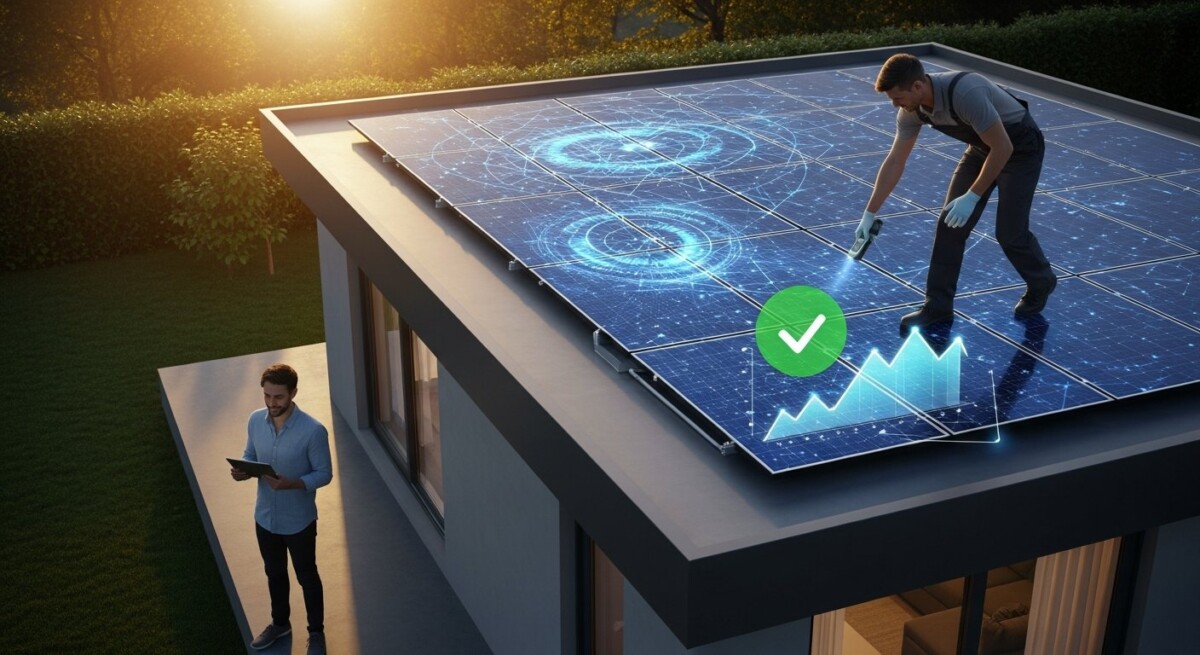
If you’re a homeowner, you’ve likely watched your electricity bill climb higher each year. This frustrating trend is pushing more people to explore solar panels as a way to take control of their energy costs. The promise of lower bills and less reliance on the traditional power grid is incredibly appealing. Now, a new technology called AI solar maintenance prediction is making solar energy even smarter and more reliable for the long haul.
Understanding AI Solar Maintenance Prediction
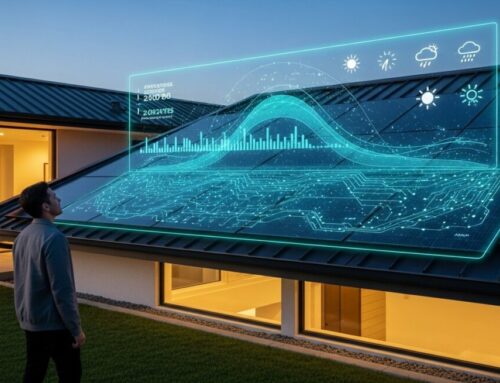
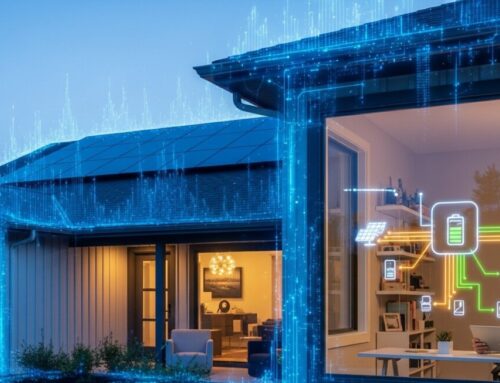
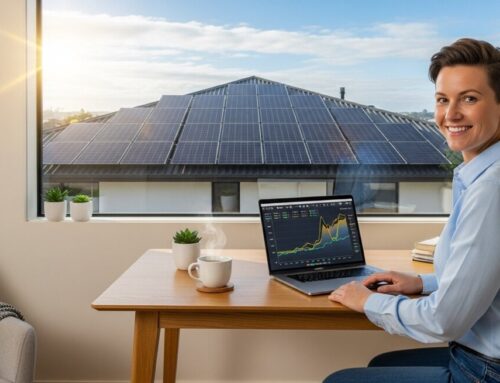
AI solar maintenance prediction is exactly what it sounds like: using artificial intelligence to foresee issues with your solar panel system before they happen. Think of it as a highly advanced, 24/7 health monitor for your home’s energy production. This technology analyzes data from your panels to spot tiny changes that could signal a future problem.
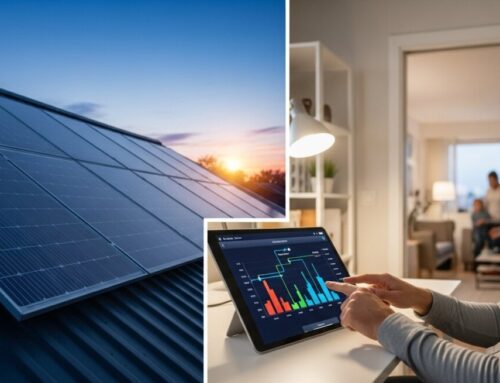
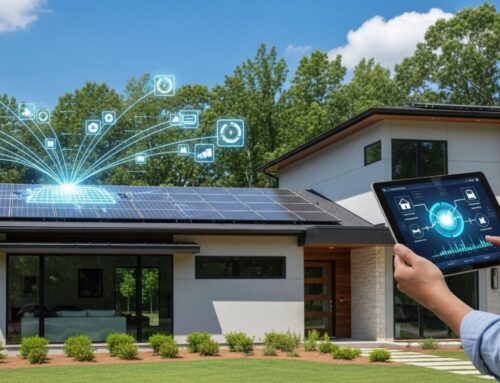
It works by collecting information from sensors on your solar array, tracking energy output, voltage, and even thermal images. The AI software learns what “normal” looks like for your specific setup. When something starts to drift out of that normal range, it alerts you or your installer. This means a potential fault is identified weeks or months before it would cause a noticeable drop in power or a complete failure.
This proactive approach is a game-changer. Instead of reacting to a broken system, you can schedule maintenance at your convenience. This protects your investment and ensures your panels are always working at their peak to maximize your savings.
Why Solar Energy Is Becoming More Popular
Homeowners are turning to solar power for several powerful reasons. First and foremost are the financial benefits. With rising utility rates, locking in a lower, predictable cost for electricity provides immense peace of mind. Solar panels are a long-term investment that pays for itself over time through dramatically reduced monthly bills.
Beyond savings, environmental concerns are a major driver. Generating clean energy from the sun reduces your household’s carbon footprint. It’s a direct, tangible way to contribute to a healthier planet. Combined with available government incentives and rebates that lower the upfront cost, solar energy has become a practical and responsible choice for modern homeowners.
If you are considering solar power for your home, comparing installation quotes can help you understand your options. Request a free solar quote or call to learn more.
Common Questions Homeowners Have About Solar
It’s normal to have questions before making such a significant home upgrade. Many people wonder about the initial cost and how long it will take to see a return on their investment. Others are concerned about whether their roof is suitable or if they’ll still have power during a grid outage.
A professional solar installer can address all these concerns during a consultation. They will assess your energy usage, roof condition, and local sunlight to give you accurate projections. This guidance is crucial for avoiding costly mistakes and choosing a system that’s perfectly sized for your needs.
- How much do solar panels cost, and are there financing options?
- Is my roof strong enough and does it get enough sun?
- What happens to my solar panels on cloudy days or at night?
- How long will the installation process take?
- Will solar panels increase my property value?
- What kind of warranty and maintenance is required?
How Solar Panel Installation Works
The solar installation process is designed to be straightforward and managed by professionals from start to finish. It begins with a detailed home energy assessment where an expert evaluates your electricity consumption, roof structure, and shading. This data is used to design a custom system that meets your goals.
Your installer then handles all the necessary permits and approvals from your city and utility company. Once everything is approved, the physical installation typically takes just a few days. The final step is connecting your system to the grid and activating it, so you can start generating power immediately.
- Home Energy Assessment & Consultation
- Custom System Design & Proposal
- Permitting & Utility Approvals
- Physical Panel & Equipment Installation
- Final Inspection & System Activation
Speaking with experienced installers can help you determine the best solar solution for your home. Compare solar quotes here or call to explore available options.
Signs Your Home May Be Ideal for Solar
Certain home characteristics make solar panels particularly effective and financially rewarding. The most obvious factor is access to strong, unobstructed sunlight for most of the day. A south-facing roof with minimal shade from trees or other buildings is ideal for maximum energy production.
Your current energy bills are also a strong indicator. If you’re paying high monthly electricity costs, you have more potential savings to capture with a solar system. Homeowners who plan to stay in their house for many years will see the greatest return, as they can enjoy decades of reduced operating costs.
- You have a roof in good condition with ample, unshaded space.
- Your monthly electricity bills are consistently high.
- You live in an area with good sunlight exposure and net metering policies.
- You plan to own your home for 5-10 years or more.
- You are motivated by long-term savings and energy independence.
What Affects Solar Installation Costs
The total cost of a solar panel system isn’t one-size-fits-all. It depends primarily on the size of the system you need, which is determined by your home’s energy consumption. A larger home with higher usage will require a larger, more powerful array of panels.
Equipment quality and brand also influence price, as do the complexity of your roof and local labor rates. Crucially, you must factor in available government incentives, tax credits, and rebates, which can significantly reduce your net cost. For example, homeowners in sunny regions can explore specific strategies, as detailed in our guide on Solar AI in Phoenix for saving on bills.
The cost of solar installation varies depending on your home and energy needs. Request personalized solar quotes or call to see what options are available.
Tips for Choosing a Reliable Solar Installer
Selecting the right installer is as important as choosing the right equipment. A reputable company will ensure your system is designed correctly, installed safely, and performs optimally for decades. They become your long-term partner for maintenance and support.
Always check for proper licensing, insurance, and certifications. Read customer reviews and ask for references from past clients in your area. A trustworthy installer will provide a clear, detailed contract and explain the warranties on both the equipment and their workmanship.
- Choose an installer with several years of experience and a strong local reputation.
- Verify they are licensed, insured, and certified by major panel manufacturers.
- Read independent customer reviews and ask for references.
- Get detailed, written quotes from at least three different companies.
- Ensure they offer robust performance monitoring and maintenance support.
Long-Term Benefits of Installing Solar Panels
The advantages of going solar extend far beyond the first few utility bills. Financially, you are locking in a major portion of your energy costs for the 25+ year life of the system, insulating yourself from future rate hikes. This leads to substantial long-term savings that can amount to tens of thousands of dollars.
You also gain a greater degree of energy independence and security. While most systems remain connected to the grid, you are producing your own power. Furthermore, studies consistently show that solar panels increase home value. You’re not just saving money; you’re investing in an upgrade that benefits both your wallet and the environment for years to come. Similar benefits are being realized in major cities, as seen with the adoption of Solar AI in Chicago to cut electricity costs.
FAQs About Solar Energy for Homeowners
How do solar panels work with my existing electricity?
Solar panels convert sunlight into direct current (DC) electricity. An inverter then changes this to alternating current (AC) that your home can use. This solar power is used first to meet your home’s needs, reducing the amount you pull from the utility grid. Any excess power you produce is often sent back to the grid, potentially earning you credits.
What is net metering?
Net metering is a billing arrangement with your utility company. When your solar panels produce more electricity than your home uses, the excess is fed back into the power grid. Your utility meter literally runs backwards, giving you a credit. You then use these credits to offset the cost of power you draw from the grid at night or on cloudy days.
Do I need a battery with my solar panels?
While not required, a battery storage system adds significant benefits. It allows you to store excess solar energy produced during the day to use at night, increasing your energy independence. Batteries also provide backup power during grid outages, keeping your lights on and essential appliances running.
How long do solar panels last?
Most high-quality solar panels come with a performance warranty guaranteeing they will still produce at least 80-90% of their original output after 25 years. The panels themselves can often last 30 years or more. Other system components, like inverters, may need replacement once during the system’s lifetime.
Can I install solar panels myself?
While DIY solar kits exist, professional installation is highly recommended. Installing panels involves working on your roof, handling high-voltage electrical components, and navigating complex local building codes and utility interconnection requirements. A professional ensures safety, maximizes performance, and secures necessary warranties.
What maintenance do solar panels require?
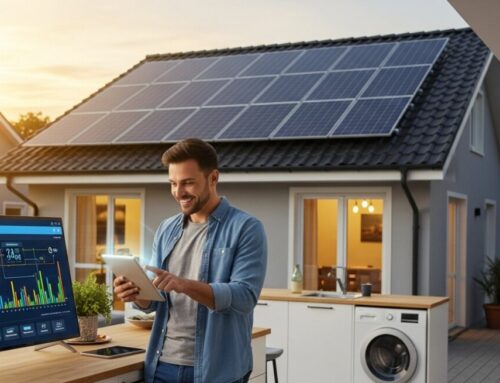
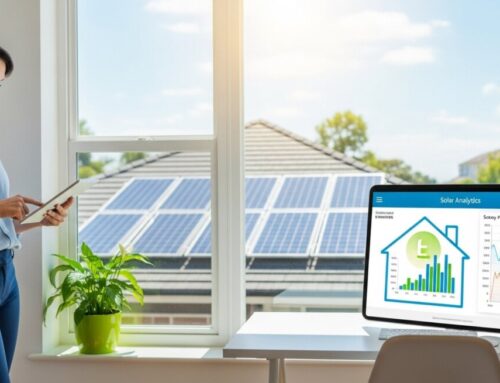
Solar panels require very little maintenance. Occasional cleaning with water to remove dust, pollen, or bird droppings is usually sufficient in most climates. You should also visually inspect them for debris and monitor their energy production through your system’s app. AI-powered monitoring can automate this, alerting you to any performance dips.
Will solar panels work in winter or on cloudy days?
Yes, solar panels do work in winter and on cloudy days, though their output is reduced. They generate electricity from daylight, not just direct sunlight. Cold weather can actually improve panel efficiency. Snow will temporarily cover panels, but it usually melts and slides off quickly due to the panels’ dark surface and angle.
What happens if I sell my house with solar panels?
Solar panels typically increase your home’s value and marketability. Studies show homes with solar sell faster and for more money than comparable homes without. Be prepared to educate potential buyers about the system’s benefits, savings, and any transferable warranties or lease/loan agreements.
Investing in solar energy is a powerful step toward financial predictability and environmental responsibility. By understanding how AI maintenance prediction and modern systems work, you can make a confident decision. The best way to start is by gathering personalized information,comparing quotes from trusted, local installers will give you a clear picture of your potential savings and the perfect system for your home.