AI Solar Energy for Industrial Use: Cut Costs Now
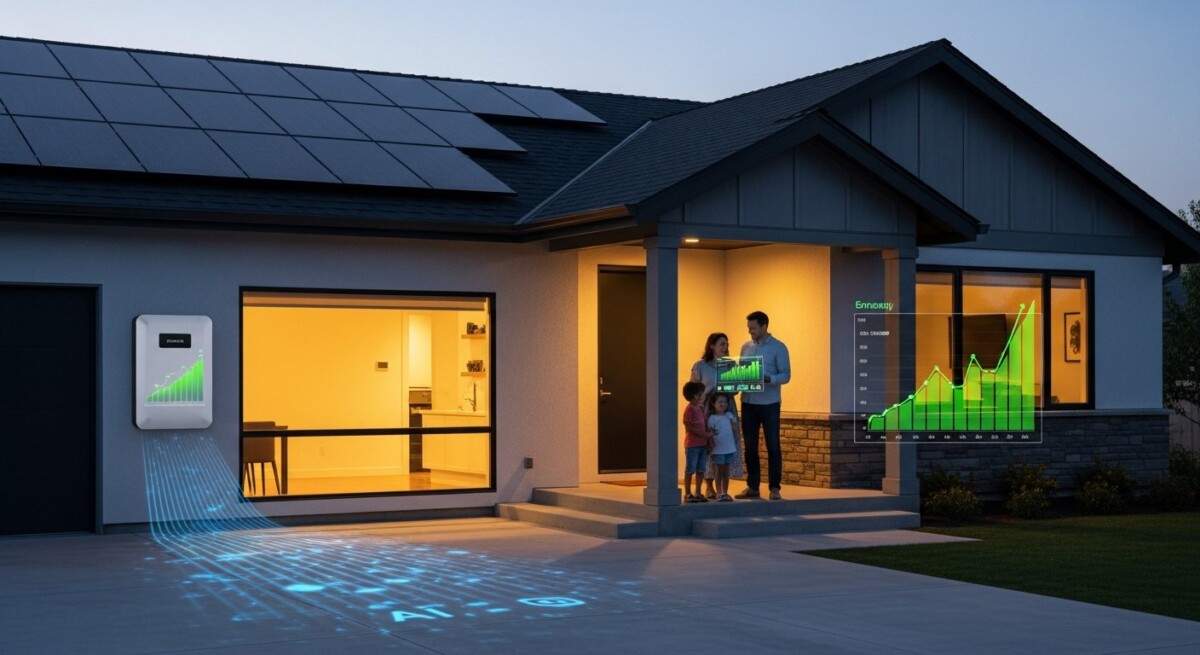
Every month, you open your electricity bill and wonder where all that money goes. Rising energy costs are pushing more homeowners to search for solutions like ai solar energy for industrial use, a technology that helps large facilities save money and reduce grid dependence. But here is the good news: the same smart solar systems that power factories can now be adapted for your home. Understanding how this technology works can help you lower your bills, gain energy independence, and make a sound investment for the future.
Understanding AI Solar Energy for Industrial Use
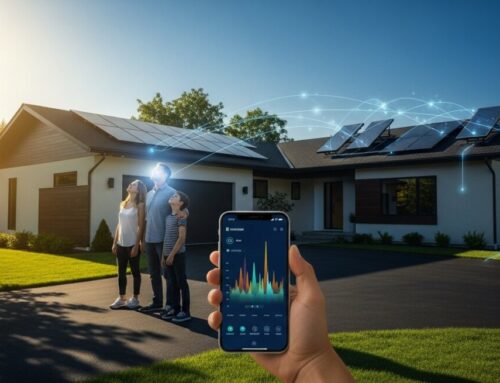
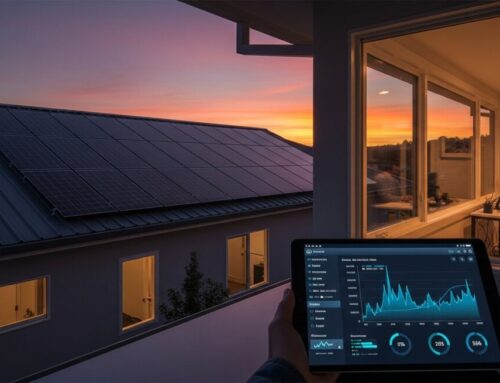
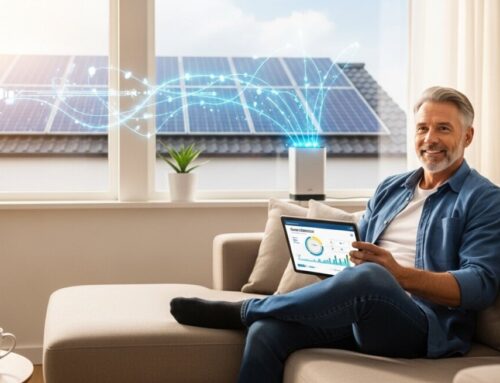
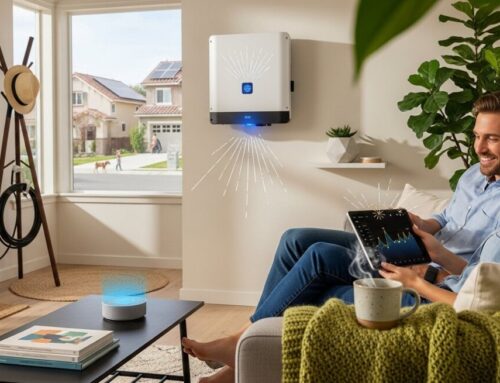
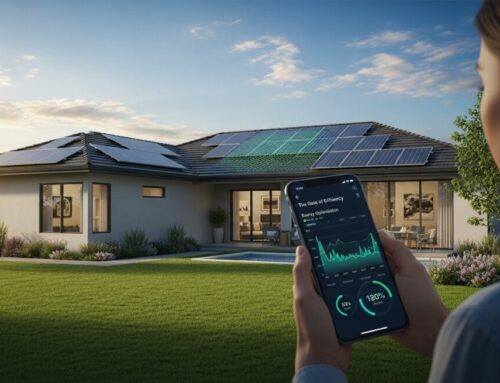
AI solar energy for industrial use refers to solar power systems that use artificial intelligence to optimize energy production and consumption. These systems learn from weather patterns, your energy usage habits, and real-time grid conditions to decide when to store power, when to use it, and when to send excess energy back to the grid. In simple terms, AI makes your solar panels work smarter, not harder.
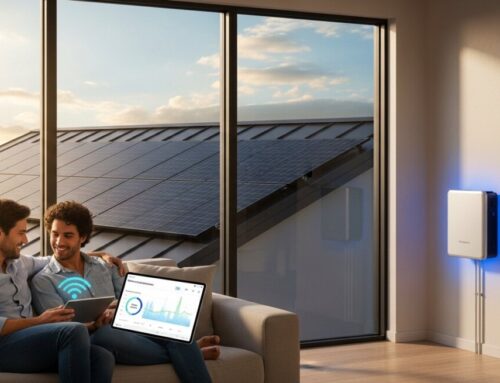
For homeowners, this means your solar system can automatically adjust to save you the most money. Instead of a static setup that just generates power during the day, an AI-enhanced system predicts your needs and manages battery storage efficiently. More families are exploring this approach because it maximizes savings and provides backup power during outages.
Why Solar Energy Is Becoming More Popular
Electricity rates have climbed steadily over the past decade, and many experts expect them to keep rising. This trend makes solar energy an increasingly attractive way to lock in lower, predictable energy costs. At the same time, more homeowners care about reducing their carbon footprint and want clean energy that doesn’t harm the environment.
Long-term savings are another powerful motivator. A well-designed solar system can pay for itself within seven to ten years and continue generating free electricity for decades. With federal tax credits and state rebates, the upfront cost is more manageable than ever. These financial incentives, combined with rising utility rates, make solar a practical choice for many families.
If you are considering solar power for your home, comparing installation quotes can help you understand your options. Request a free solar quote or call to learn more.
Common Questions Homeowners Have About Solar
Many homeowners worry about the upfront cost of solar panels. The truth is that prices have dropped significantly, and financing options like solar loans or leases make installation affordable for most budgets. Another common concern is whether your roof can support panels. Most roofs with at least 20 years of life remaining and good sun exposure work well.
People also ask about performance on cloudy days or during winter. Modern panels still generate power in diffuse light, and net metering programs let you bank credits for sunny days. System reliability is high, with most panels carrying 25-year warranties and inverters lasting at least a decade.
- Will solar work in my climate?
- How long until I break even?
- Do I need a battery?
- What happens during a power outage?
- Are there hidden maintenance costs?
- Can I expand my system later?
How Solar Panel Installation Works
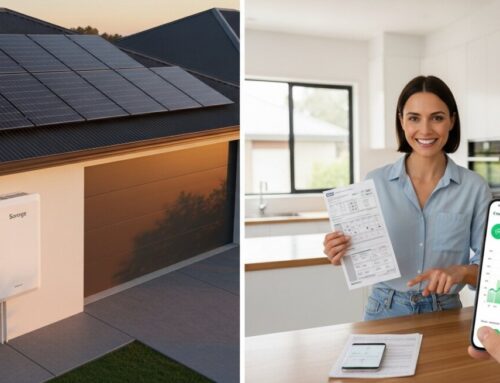
Professional installers begin with a thorough home energy assessment. They review your past electricity bills, inspect your roof, and measure your property’s sun exposure. This data helps them design a system that matches your specific needs and maximizes savings.
Once the design is complete, the installer handles all permits and approvals with your local utility and government offices. This step ensures your system meets safety codes and qualifies for incentives. After approvals, the actual installation usually takes one to three days, followed by a final inspection and system activation.
- Home energy assessment and bill analysis
- Custom system design and equipment selection
- Permit applications and utility approvals
- Professional panel and inverter installation
- Final inspection and grid connection
Speaking with experienced installers can help you determine the best solar solution for your home. Compare solar quotes here or call to explore available options.
Signs Your Home May Be Ideal for Solar
Certain characteristics make some homes better suited for solar panels than others. The most important factor is strong, direct sunlight for most of the day. Homes with south-facing roofs that get little shade from trees or buildings typically see the best performance and fastest payback.
High electricity bills are another clear indicator. If you pay more than $100 per month on average, solar can likely reduce those costs significantly. Adequate roof space is also essential; most systems need about 300 to 500 square feet of unobstructed area.
- Your roof faces south, east, or west with minimal shading
- You spend more than $100 monthly on electricity
- Your roof is less than 15 years old and in good condition
- You plan to stay in your home for at least five more years
- Your local utility offers net metering or time-of-use rates
- You want to reduce your carbon footprint
What Affects Solar Installation Costs
System size is the biggest cost driver. A larger system that covers more of your energy needs will cost more upfront but also deliver greater long-term savings. Equipment quality matters too; premium panels and inverters cost more but often perform better and last longer.
Installation complexity also plays a role. A simple roof with easy access costs less to install than a complex roofline with multiple angles or obstructions. Local incentives can dramatically lower your net cost, so it pays to research what’s available in your area before committing.
The cost of solar installation varies depending on your home and energy needs. Request personalized solar quotes or call to see what options are available.
Tips for Choosing a Reliable Solar Installer
Not all solar installers offer the same level of quality or service. Look for companies with several years of experience and a proven track record in your area. Verifying that they hold proper licenses and insurance protects you from liability and ensures professional workmanship.
Warranties are another critical factor. Reputable installers offer at least a 10-year workmanship warranty, while equipment warranties should cover panels for 25 years and inverters for 10 to 12 years. Reading online reviews and asking for references can give you confidence in your choice.
- Check installer certifications and licensing
- Compare at least three quotes before deciding
- Read customer reviews on independent platforms
- Ask about warranty coverage for both equipment and labor
- Confirm the installer handles all permits and paperwork
- Request a detailed breakdown of costs and savings projections
Long-Term Benefits of Installing Solar Panels
The most obvious benefit is lower electricity bills. Most homeowners save 50 to 90 percent on their monthly energy costs after installing solar. Over 25 years, those savings can total tens of thousands of dollars, far exceeding the initial investment.
Solar panels also increase your home’s resale value. Studies show that homes with solar sell for a premium and spend less time on the market. Beyond financial gain, you gain energy independence and reduce your reliance on fossil fuels, which helps combat climate change. For homeowners who want a practical, long-term solution to rising energy costs, solar power is hard to beat.
Frequently Asked Questions
How does AI improve solar energy for homes?
AI analyzes weather forecasts, your energy usage patterns, and grid prices to optimize when your system stores or uses power. This maximizes savings and can keep your home running during outages. It essentially turns your solar panels into a smart energy manager.
Can I use industrial solar technology at home?
Yes. Many components and software used in industrial solar systems are now available for residential installations. AI-powered inverters and smart batteries bring factory-level efficiency to your rooftop. Your installer can recommend the right scaled-down solution for your house.
How much can I save with AI-enhanced solar panels?
Savings vary based on your location, energy usage, and system size. Typical homeowners save between 50 and 90 percent on electricity bills. AI optimization can add an extra 10 to 20 percent in savings compared to standard systems.
Do solar panels work during a power outage?
Standard grid-tied systems shut off during outages for safety. However, systems with a battery and AI management can provide backup power to critical loads. This feature is especially valuable in areas prone to blackouts.
What government incentives are available for solar?
The federal Investment Tax Credit (ITC) currently offers a 30 percent tax credit on installation costs. Many states also offer rebates, performance-based incentives, or property tax exemptions. Your installer can help you claim all eligible incentives.
How long do solar panels last?
Most solar panels come with a 25-year performance warranty and continue producing power beyond that. They typically degrade at about 0.5 percent per year, so after 25 years, they still operate at 87 to 90 percent of their original capacity.
Is my roof suitable for solar panels?
A professional installer will assess your roof’s age, material, orientation, and shading. Asphalt shingle roofs in good condition with south or west exposure are ideal. If your roof needs replacement soon, you can combine both projects for efficiency.
How do I choose between buying and leasing solar panels?
Buying gives you full ownership, maximum savings, and access to tax credits. Leasing requires no upfront cost but offers lower long-term savings. Compare both options with multiple quotes to see which fits your financial goals.
Solar energy is a practical, proven way to cut your electricity bills and gain energy independence. By understanding the technology and working with professional installers, you can avoid costly mistakes and find the system that fits your home best. Start your journey today by comparing installation quotes from trusted providers.