AI Energy Management Systems: Cut Bills and Go Solar
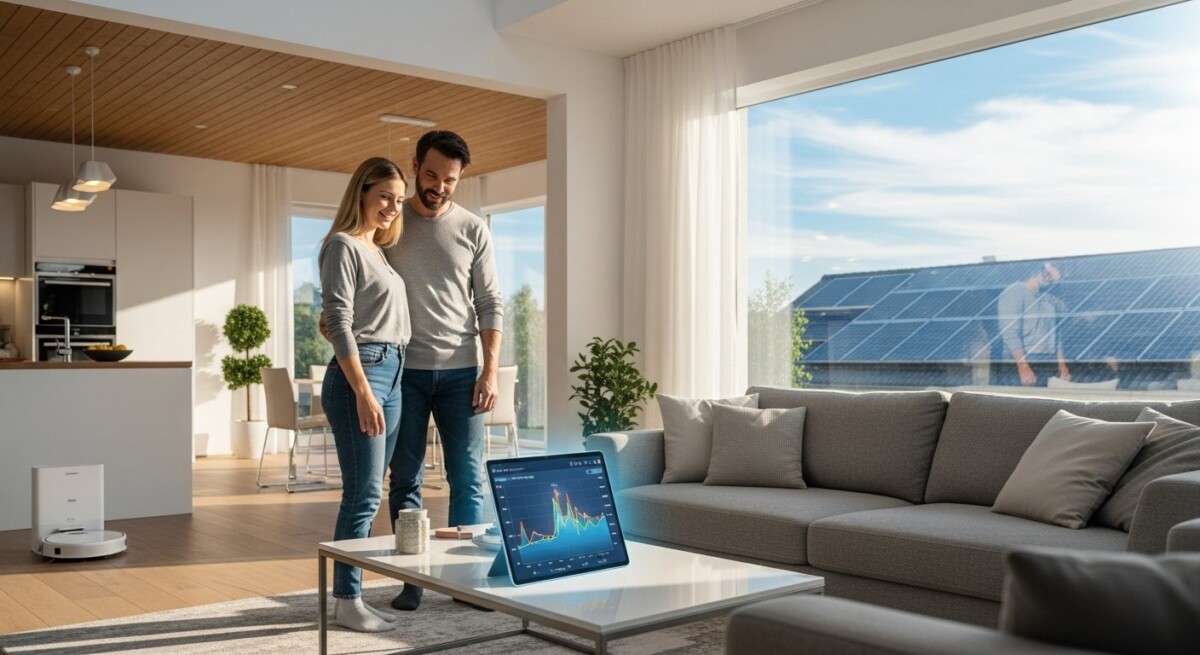
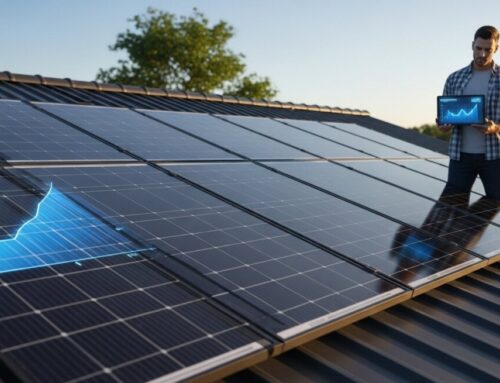
You open your monthly electricity bill and feel a familiar sting. Rates keep climbing, and it seems like there is no end in sight. Many homeowners are now searching for smarter ways to take control, and that is where AI energy management systems come into play. These intelligent tools help you monitor, predict, and reduce your home’s energy use while making solar power far more effective. By combining smart software with solar panels, you can shrink your bills and rely less on the grid.
Understanding AI Energy Management Systems
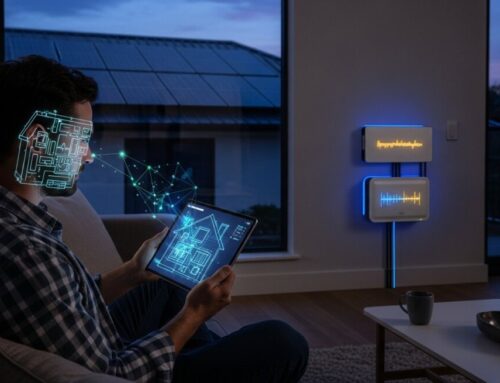
An AI energy management system is a smart home technology that uses artificial intelligence to track and optimize how your home uses electricity. It connects to your solar panels, battery storage, and appliances to learn your daily routines. The system then automatically adjusts energy usage to save money and reduce waste.
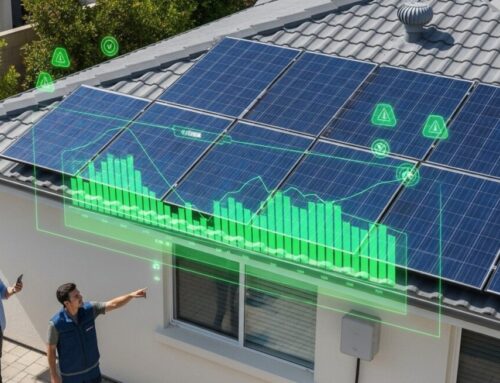
For example, the AI might run your dishwasher during peak sun hours when your solar panels produce the most power. It can also decide when to charge a home battery to store cheap solar electricity for use at night. This technology takes the guesswork out of saving energy and makes every kilowatt-hour count.
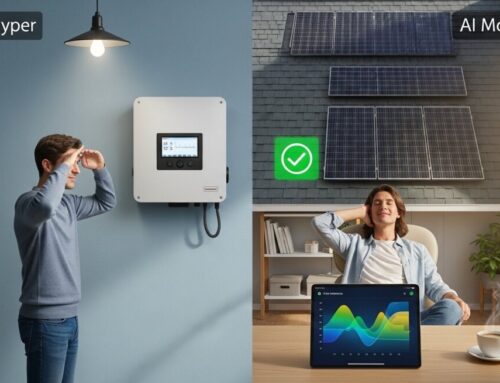
More homeowners are adopting these systems because they turn a static solar setup into a dynamic, money-saving asset. Instead of simply generating power, you now have a brain that decides exactly when to use, store, or sell that power back to the grid. This shift is a key reason why solar energy is becoming more practical and profitable for everyday families.
Why Solar Energy Is Becoming More Popular
Electricity prices have risen sharply across the country, and many households feel the pinch. At the same time, people are more aware of their environmental footprint. Solar power offers a way to lock in lower energy costs while reducing reliance on fossil fuels.
Beyond the monthly savings, solar panels can increase your home’s value. Studies show that homes with solar systems sell for a premium compared to those without. Add in federal tax credits and local rebates, and the financial case becomes even stronger.
Long-term savings are the biggest draw. Once your panels are paid off, your electricity is essentially free for the rest of their 25-year lifespan. That kind of predictability is rare in a world of rising utility rates. In our guide on AI Energy Management Systems: Cut Bills and Go Solar, we explain how these modern tools maximize those savings.
If you are considering solar power for your home, comparing installation quotes can help you understand your options. Request a free solar quote or call to learn more.
Common Questions Homeowners Have About Solar
Many people worry that solar panels cost too much upfront. While the initial investment can seem high, financing options and incentives have made them accessible to more homeowners. A typical system pays for itself in 6 to 10 years through lower bills.
Another frequent concern is whether a roof can support panels. Most asphalt shingle, tile, or metal roofs in good condition work well. A professional installer will inspect your roof’s age, angle, and shading to confirm suitability.
Homeowners also ask about performance on cloudy days. Solar panels still generate electricity in overcast weather, just at a reduced rate. Modern systems are designed to produce enough power year-round, even in less sunny climates.
- How much does a solar system cost after incentives?
- Will my roof need repairs before installation?
- How long does installation take?
- What happens if my panels produce more power than I use?
- Do solar panels work during a power outage?
- How long do solar panels last?
How Solar Panel Installation Works
Installing solar panels is a straightforward process when you work with a qualified installer. The journey starts with an energy assessment to understand your home’s power needs. From there, the system is designed to match your roof and your budget.
After the design is finalized, the installer handles permits and approvals from your local utility and city. This step ensures everything meets safety and grid connection standards. Once approved, the physical installation usually takes one to three days.
The final step is system activation and a final inspection. Your installer will show you how to monitor your system’s performance. Within a few weeks, you will start seeing the savings appear on your electricity bill.
- Home energy assessment and usage review
- Custom system design and equipment selection
- Permit applications and utility approvals
- Panel mounting and electrical wiring
- System testing, inspection, and activation
Speaking with experienced installers can help you determine the best solar solution for your home. Compare solar quotes here or call to explore available options.
Signs Your Home May Be Ideal for Solar
Not every home is equally suited for solar panels, but many are. The most important factor is sunlight exposure. A roof that faces south or west with little shade from trees or buildings will produce the most energy.
Your electricity bill is another clue. If you pay a high rate per kilowatt-hour or use a lot of power, solar will save you more money. A home that is already energy-efficient will also see faster payback.
Finally, consider how long you plan to stay in your home. Solar panels are a long-term investment that pays off over many years. If you plan to stay for at least five to seven years, the financial benefits become very attractive.
- Unshaded roof exposure for at least five hours daily
- High monthly electricity bills over $100
- Roof in good condition with at least 10 years of life left
- Plans to stay in the home for several more years
- Access to net metering or local solar incentives
What Affects Solar Installation Costs
The size of your solar system is the biggest cost driver. A larger home that uses more electricity will need more panels, which raises the total price. However, larger systems also produce more savings over time.
Equipment quality matters too. Premium panels and inverters cost more but often come with better warranties and higher efficiency. Installation complexity, such as a steep roof or complicated wiring, can also add to the labor cost.
Local incentives and tax credits can significantly lower your out-of-pocket expense. The federal solar tax credit alone covers 30 percent of the system cost. Many states and utilities offer additional rebates or performance payments that further reduce the price.
The cost of solar installation varies depending on your home and energy needs. Request personalized solar quotes or call to see what options are available.
Tips for Choosing a Reliable Solar Installer
Choosing the right installer is just as important as choosing the right equipment. A reputable company will have years of experience, proper licensing, and a track record of happy customers. Always ask for references and check online reviews before signing a contract.
Warranties are another critical factor. Look for a comprehensive warranty that covers both the equipment and the workmanship. A good installer will stand behind their work and help you if something goes wrong.
Finally, never settle for a single quote. Comparing multiple proposals gives you a clear picture of pricing, equipment options, and financing terms. This simple step can save you thousands of dollars and help you avoid costly mistakes.
- Verify installer licenses, insurance, and certifications
- Read recent customer reviews on Google and EnergySage
- Ask about equipment warranties and performance guarantees
- Get at least three detailed quotes before deciding
Long-Term Benefits of Installing Solar Panels
The most obvious benefit is lower electricity bills. Over 25 years, the average homeowner saves tens of thousands of dollars. Those savings can be used for other priorities, like home improvements or retirement.
Solar panels also increase your home’s resale value. Studies show that buyers are willing to pay a premium for homes with owned solar systems. Plus, you gain a measure of energy independence that protects you from future rate hikes.
On the environmental side, solar power reduces your carbon footprint. A typical residential system offsets about three to four tons of carbon dioxide each year. That is like planting over 100 trees annually. For more details on how the right technology amplifies these benefits, see our guide on AI Energy Management Systems.
How much can I save with solar panels?
Savings vary based on your location, electricity rates, and system size. On average, homeowners save between $10,000 and $30,000 over 20 years. An AI energy management system can boost those savings by optimizing when you use and store power.
Do solar panels work in winter?
Yes, solar panels still produce electricity in winter. Cold temperatures actually improve panel efficiency, though shorter days mean less total output. Snow often slides off tilted panels, and any remaining snow melts quickly.
What is net metering?
Net metering is a billing arrangement that credits you for excess solar power sent to the grid. When your panels produce more than you use, the meter runs backward. At night or on cloudy days, you draw from those credits instead of paying full price.
How long do solar panels last?
Most solar panels come with a 25-year performance warranty. They often continue producing power for 30 years or more, though output gradually declines. Inverters usually need replacement after 10 to 15 years.
Can I install solar panels myself?
DIY installation is possible but not recommended for most homeowners. Professional installers handle permits, electrical work, and roof sealing correctly. Mistakes can void warranties, cause leaks, or create safety hazards.
Will solar panels damage my roof?
Properly installed solar panels do not damage your roof. Installers use mounting systems that seal around roof penetrations. In fact, panels can protect the covered area from sun and rain, extending its life.
Do I need a battery with solar panels?
Batteries are optional but increasingly popular. They store excess solar power for use at night or during outages. An AI energy management system can help you decide when to charge and discharge the battery for maximum savings.
What incentives are available for solar?
The federal solar tax credit offers 30 percent of the system cost as a tax deduction. Many states add their own rebates, and some utilities offer performance payments. Energy.gov has an up-to-date database of local incentives.
Solar power is a smart investment that pays off for years. By pairing panels with an AI energy management system, you can maximize your savings and take full control of your home’s energy future. The best way to start is by comparing quotes from trusted installers to find the right system for your home and budget.