How AI Predicts Solar Output for Bigger Savings

You open your monthly electricity bill and feel a familiar sting. Rates keep climbing, and you wonder if there is a way to take control. Many homeowners are now searching for how AI predicts solar output to make smarter energy decisions and finally reduce those monthly payments.
Solar power offers a path to lower bills and greater energy independence. But to get the most out of your system, you need accurate predictions about how much electricity your panels will generate. That is where artificial intelligence comes in, helping you save more and waste less.
Understanding How AI Predicts Solar Output
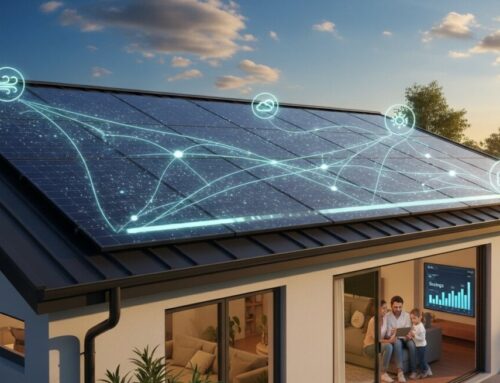
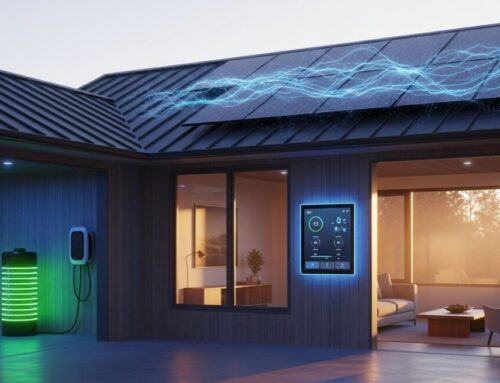
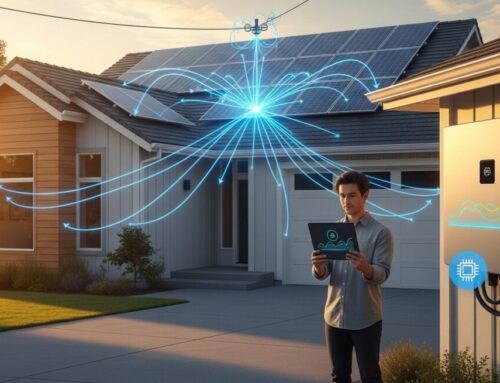
Artificial intelligence uses historical weather data, satellite images, and real-time sensor readings to forecast how much sunlight your panels will capture. Instead of relying on simple averages, AI models analyze cloud patterns, temperature changes, and seasonal shifts with remarkable precision.
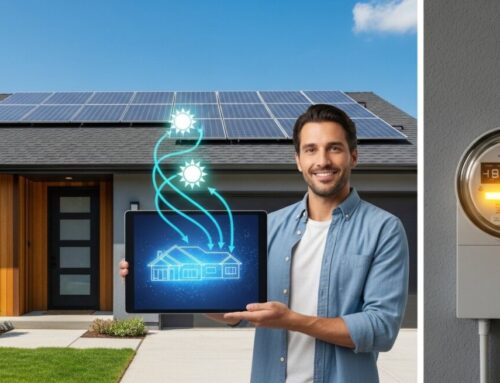
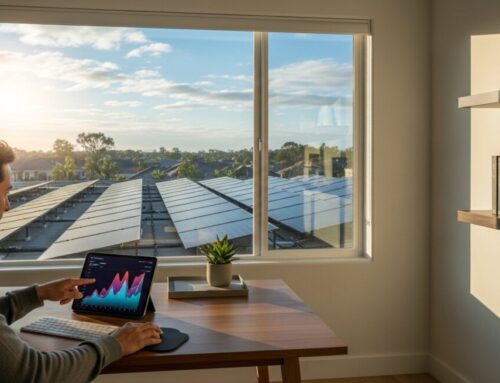
This technology learns from thousands of data points to predict solar generation hour by hour. For example, an AI system can tell you that your panels will produce 80 percent of their capacity on a partly cloudy Tuesday morning, helping you plan when to run heavy appliances like your washing machine or dishwasher.
These predictions also help your installer design a system that matches your actual electricity usage. In our guide on How AI Predicts Solar Output for Bigger Savings, we explain how this technology maximizes your return on investment by preventing over- or under-sizing.
How the Technology Works in Simple Terms
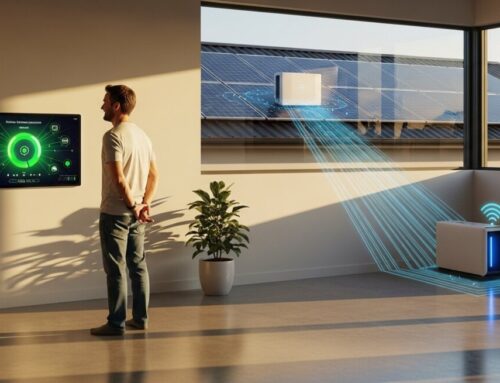
Think of AI as a very smart weather forecaster that specializes in sunlight. It combines data from weather stations, satellite images, and even your local cloud cover to create a customized generation profile for your roof.
The system gets smarter over time. As it collects more data about your specific location and panel performance, its predictions become more accurate. This means your solar savings become more predictable and reliable.
Why Solar Energy Is Becoming More Popular
Electricity prices in the United States have risen faster than inflation for several consecutive years. Homeowners are tired of unpredictable bills and want to lock in a lower, more stable energy cost.
Environmental concerns also play a big role. Solar power produces clean electricity without carbon emissions, making it an attractive choice for families who want to reduce their ecological footprint.
Long-term savings are the biggest motivator. Most homeowners recover their solar investment within 6 to 10 years, then enjoy free or nearly free electricity for decades. With federal tax credits and local incentives, the upfront cost becomes much more manageable.
If you are considering solar power for your home, comparing installation quotes can help you understand your options. Request a free solar quote or call to learn more.
Common Questions Homeowners Have About Solar
Many homeowners worry about installation costs. The average solar system costs between $15,000 and $25,000 before incentives, but federal tax credits can reduce that by 30 percent.
Roof suitability is another frequent concern. Most roofs work well for solar, but factors like age, material, and shading can affect performance. A professional assessment will tell you exactly what to expect.
System performance questions are also common. Homeowners want to know how much electricity their panels will produce in winter or on cloudy days. AI predictions help answer these questions with real data.
- How much does a solar system cost after incentives?
- Will my roof support solar panels?
- How long does installation take?
- What happens if my panels produce more electricity than I use?
- Do solar panels work during a power outage?
- How long do solar panels last?
How Solar Panel Installation Works
Installation starts with a home energy assessment. An installer reviews your electricity bills, examines your roof, and measures sunlight exposure to design the right system for your needs.
After the assessment, the installer creates a customized system design and handles all permits and approvals. This step ensures your system meets local building codes and utility requirements.
Once permits are approved, professional crews install the panels, wiring, and inverter. The process usually takes one to three days. After a final inspection, the system is activated, and you start generating your own electricity.
- Home energy assessment
- System design and equipment selection
- Permits and approvals
- Panel installation
- System activation
Speaking with experienced installers can help you determine the best solar solution for your home. Compare solar quotes here or call to explore available options.
Signs Your Home May Be Ideal for Solar
Homes with south-facing roofs that get strong sunlight most of the day are prime candidates for solar. Even east- or west-facing roofs can work well depending on your location and energy needs.
High electricity bills are another strong indicator. If you pay more than $100 per month, solar can likely reduce your costs significantly. The more electricity you use during daylight hours, the faster your system pays for itself.
- Strong sunlight exposure with minimal shading
- High monthly electricity bills
- Ample, unobstructed roof space
- Plan to stay in your home for 5 or more years
- Good roof condition with at least 10,15 years of life remaining
- Local incentives or net metering programs available
What Affects Solar Installation Costs
System size is the biggest cost driver. A larger system with more panels produces more electricity but costs more upfront. Matching system size to your actual usage is key to maximizing savings.
Equipment quality also matters. High-efficiency panels and premium inverters cost more but often deliver better performance and longer warranties. Your installer can help you choose the right balance of cost and quality.
Installation complexity can add to the price. Factors like roof pitch, wiring distance, and the need for structural upgrades all affect labor costs. Local incentives and rebates can offset these expenses significantly.
The cost of solar installation varies depending on your home and energy needs. Request personalized solar quotes or call to see what options are available.
Tips for Choosing a Reliable Solar Installer
Start by reviewing installer experience and certifications. Companies with years of solar-specific experience and industry credentials like NABCEP certification are more likely to deliver quality work.
Check warranties carefully. A good installer offers a 25-year performance warranty on panels and at least a 10-year workmanship warranty. These protections ensure your system performs as expected for decades.
Read customer reviews on multiple platforms. Consistent positive feedback about communication, timeliness, and post-installation support is a strong sign of a reliable company.
- Review installer experience and certifications
- Check equipment and workmanship warranties
- Read customer reviews on Google, Yelp, and SolarReviews
- Compare at least three quotes from different companies
- Ask about monitoring and maintenance services
Long-Term Benefits of Installing Solar Panels
Lower electricity bills are the most immediate benefit. Most homeowners see a 50 to 90 percent reduction in their monthly energy costs, with some eliminating their electric bill entirely.
Solar panels also increase home value. Studies show that homes with solar sell for 4 to 6 percent more than comparable homes without it. Buyers recognize the long-term savings and are willing to pay a premium.
Environmental impact matters too. A typical residential solar system offsets about 3 to 4 tons of carbon dioxide per year, the equivalent of planting more than 100 trees annually.
Energy independence gives you peace of mind. Generating your own electricity means you are less affected by utility rate hikes and grid outages, especially when paired with battery storage. In our detailed post on What Determines Solar Output and How to Maximize Your Savings, we break down the factors that influence your system’s performance.
FAQs
How does AI predict solar output for my home?
AI analyzes weather data, satellite images, and local conditions to forecast how much sunlight your panels will receive. It learns from patterns over time to make predictions more accurate for your specific location.
Can AI really help me save money on electricity?
Yes. By predicting solar output more accurately, AI helps you use more of your own clean energy instead of buying from the grid. This reduces your monthly bills and speeds up your payback period.
Do I need special equipment for AI solar predictions?
No special equipment is needed. Many modern solar inverters and monitoring systems come with built-in AI forecasting features. Your installer can explain what is included with your system.
How accurate are AI solar output predictions?
AI models typically achieve 85 to 95 percent accuracy for day-ahead forecasts. Accuracy improves as the system collects more data about your specific home and local weather patterns.
Will AI predictions work during cloudy or rainy weather?
Yes. AI models are trained on diverse weather conditions, including clouds and rain. They can predict reduced output accurately, helping you plan your energy usage accordingly.
How long does it take to get a solar installation quote?
Most installers provide a preliminary quote within 24 to 48 hours after reviewing your energy usage and roof details. Comparing multiple quotes can take a few days but is well worth the effort.
Are there government incentives for installing solar panels?
Yes. The federal Investment Tax Credit (ITC) offers a 30 percent tax credit on the total system cost. Many states and utilities also offer additional rebates, tax credits, or net metering programs.
What happens to my solar system during a power outage?
Standard grid-tied solar systems shut down during outages for safety reasons. If you want backup power, you can add a solar battery like the Tesla Powerwall or LG Chem RESU.
Solar energy is a smart investment for homeowners who want lower bills, energy independence, and a cleaner future. By understanding how AI predicts solar output and working with professional installers, you can design a system that meets your needs and maximizes savings. The best way to start is by comparing quotes from multiple installers to find the right fit for your home and budget.