Solar Energy Forecasting Tools Help You Save on Bills
Your monthly electricity bill keeps climbing, and you wonder if there is a way to take control. Many homeowners are now searching for solar energy forecasting tools to predict how much power they can generate and how much money they can save. These tools help you see if solar panels are a smart investment for your home.
By understanding your potential savings, you can reduce your energy bills and become less dependent on the power grid. Solar energy forecasting tools give you the data you need to make an informed decision without guesswork.
Understanding Solar Energy Forecasting Tools
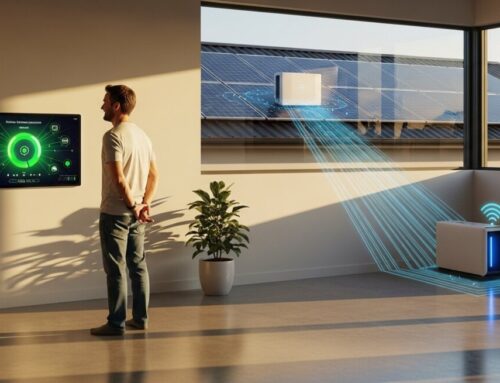
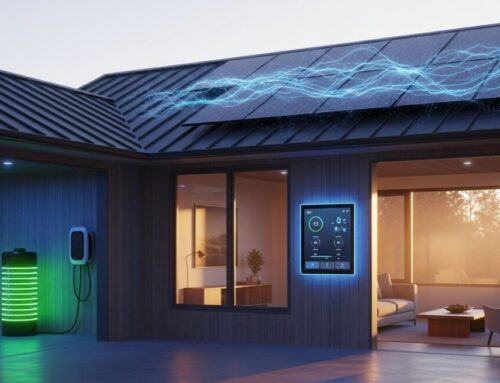
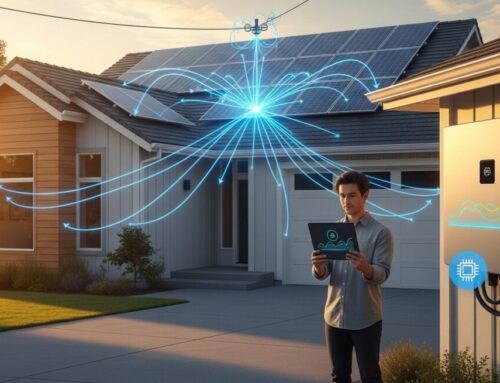
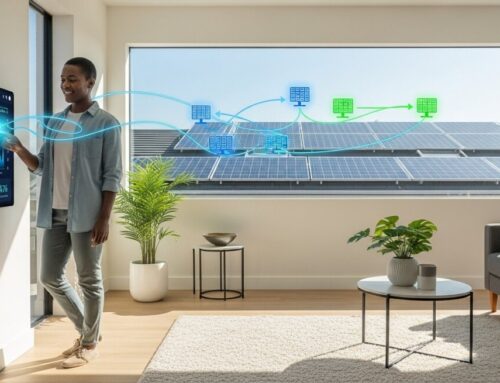
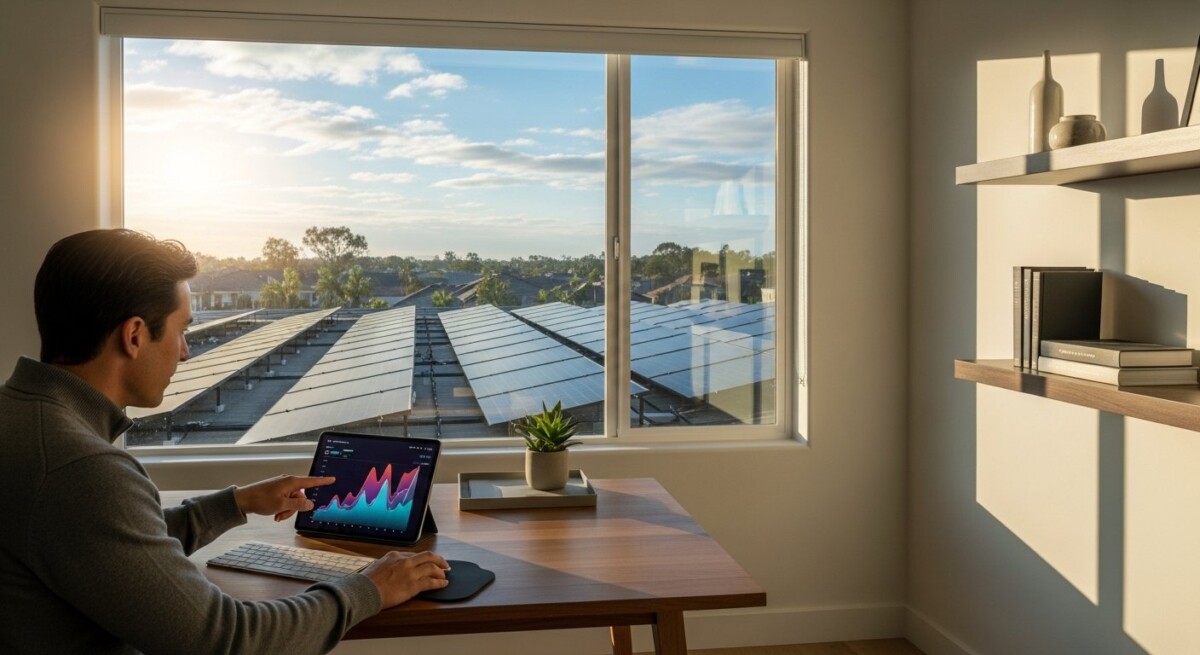
A solar energy forecasting tool is a digital system that estimates how much sunlight your roof will receive and how much electricity your panels will produce. It uses weather data, satellite imagery, and your home’s location to create a personalized prediction. Think of it as a weather forecast, but specifically for your solar power generation.
These tools analyze factors like cloud cover, seasonal sun angles, and local climate patterns. Some advanced versions even use artificial intelligence to improve accuracy over time. More homeowners are turning to these tools because they remove the uncertainty from solar planning.
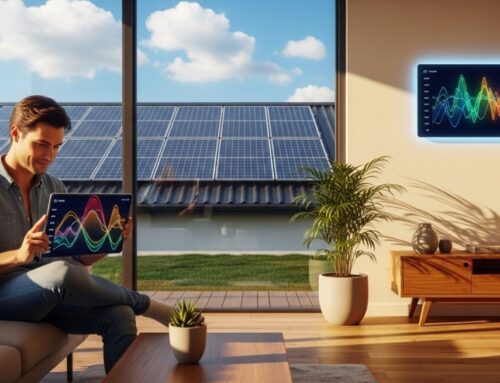
For example, a tool can tell you that your roof will produce enough energy to cover 80 percent of your annual electricity use. This kind of clarity helps you decide if solar is worth the upfront cost. In our guide on AI tools for solar energy, we explain how smart technology makes these predictions even more reliable.
Why Solar Energy Is Becoming More Popular
Electricity prices have risen sharply over the past decade, and they show no sign of stopping. Homeowners are looking for ways to lock in lower rates and protect themselves from future hikes. Solar energy offers a way to generate your own power and reduce your monthly expenses.
Environmental concerns also play a big role. Many people want to shrink their carbon footprint and use clean, renewable energy. Solar panels produce electricity without emissions, making them an eco-friendly choice.
Long-term savings are another major draw. While the initial installation costs can be significant, solar panels often pay for themselves within 7 to 10 years. After that, your electricity is essentially free for the remaining life of the system.
If you are considering solar power for your home, comparing installation quotes can help you understand your options. Request a free solar quote or call to learn more.
Common Questions Homeowners Have About Solar
Many homeowners worry about the high upfront cost of solar panels. The good news is that prices have dropped dramatically over the past decade, and financing options like loans and leases make solar accessible for more families.
Roof suitability is another frequent concern. Not every roof is ideal for solar, but most homes with a south-facing slope and minimal shade can support a system. A professional installer will evaluate your roof during a free consultation.
System performance also raises questions. Homeowners want to know how much power their panels will produce on cloudy days or during winter. Solar panels still generate electricity in indirect sunlight, though output is lower than on sunny days.
- How much does a typical solar system cost?
- Will solar panels work on my roof?
- How long do solar panels last?
- Do I need a battery for storage?
- What happens during a power outage?
- Are there government incentives available?
How Solar Panel Installation Works
Installing solar panels is a straightforward process when you work with a qualified professional. The first step is a home energy assessment, where an installer reviews your electricity usage and roof condition. This helps them design a system that matches your needs.
Next, the installer creates a custom system design and handles the necessary permits and approvals. Once everything is approved, the physical installation takes one to three days. After installation, the system is connected to the grid and activated.
- Schedule a home energy assessment
- Review system design and estimated savings
- Obtain permits and approvals
- Install solar panels and equipment
- Connect to the grid and activate the system
Speaking with experienced installers can help you determine the best solar solution for your home. Compare solar quotes here or call to explore available options.
Signs Your Home May Be Ideal for Solar
Some homes are better suited for solar than others. If your roof gets strong sunlight for most of the day, you will generate more electricity and save more money. A south-facing roof with little to no shade is the gold standard.
High electricity bills are another strong indicator. If you pay more than $100 per month, solar can likely reduce your costs. Also, if you plan to stay in your home for several more years, the long-term savings will be well worth the investment.
- Your roof faces south, east, or west with good sun exposure
- You pay high electricity bills each month
- Your roof has enough space for panels
- You plan to live in your home for at least five more years
- Your roof is in good condition and less than 10 years old
- Your local utility offers net metering
What Affects Solar Installation Costs
The size of your solar system is the biggest cost factor. Larger systems that produce more electricity cost more upfront but also generate greater savings over time. Your installer will recommend a size based on your energy usage and roof space.
Equipment quality matters too. High-efficiency panels and premium inverters cost more but often last longer and perform better. Installation complexity, such as a steep roof or unusual layout, can also increase labor costs.
Local incentives and federal tax credits can significantly reduce your out-of-pocket expense. The federal Investment Tax Credit currently allows you to deduct 30 percent of your installation cost from your taxes. Many states and utilities offer additional rebates or performance payments.
The cost of solar installation varies depending on your home and energy needs. Request personalized solar quotes or call to see what options are available.
Tips for Choosing a Reliable Solar Installer
Not all solar installers are created equal, so doing your homework pays off. Look for companies with several years of experience and a strong track record in your area. A trustworthy installer will be transparent about pricing and equipment choices.
Warranties are another critical factor. A good installer offers a workmanship warranty of at least 10 years, and the solar panels should come with a 25-year performance warranty. Reading customer reviews on sites like Google and Yelp can give you insight into the company’s reputation.
- Check how long the installer has been in business
- Ask about equipment warranties and workmanship guarantees
- Read reviews from recent customers
- Request quotes from at least three different companies
- Verify that the installer is licensed and insured
- Ask if they handle permits and paperwork
Long-Term Benefits of Installing Solar Panels
Once your solar panels are installed, your electricity bills will drop significantly. In many cases, homeowners save hundreds of dollars per year, and over the 25- to 30-year life of the system, those savings add up to tens of thousands of dollars. Solar also increases your home’s resale value, making it a smart financial move.
Beyond the financial side, solar gives you energy independence. You are less affected by utility rate hikes and grid outages, especially if you add a battery. Environmentally, you are reducing your carbon footprint and helping fight climate change.
Finally, government incentives make going solar more affordable than ever. The federal tax credit, combined with state and local programs, can reduce your net cost by 30 percent or more. In our article on AI solar energy technology, we explore how smart tools are making solar savings even more predictable.
How accurate are solar energy forecasting tools?
Most tools are highly accurate when they use local weather data and satellite imagery. They can predict daily and monthly output within 10 to 15 percent of actual production. Over a full year, the predictions are usually very close to real results.
Do I need a solar energy forecasting tool before buying panels?
You do not need to buy a tool yourself. Most reputable installers use professional forecasting software to create your savings estimate. You can also find free online calculators to get a rough idea before contacting installers.
Can solar panels work in cloudy or rainy climates?
Yes, solar panels still generate electricity on cloudy days, though at reduced efficiency. Germany, one of the world’s leaders in solar adoption, has a climate similar to the Pacific Northwest. Modern panels are designed to capture diffuse sunlight effectively.
How long does it take for solar panels to pay for themselves?
The payback period typically ranges from 6 to 12 years, depending on your electricity rates, system cost, and available incentives. After that, your electricity is essentially free for the remaining life of the system. Most panels last 25 to 30 years.
What government incentives are available for solar?
The federal Investment Tax Credit allows you to deduct 30 percent of your installation cost from your federal taxes. Many states offer additional rebates, tax credits, or performance-based incentives. Your installer can help you identify all programs you qualify for.
Do solar panels increase home value?
Studies show that homes with solar panels sell for a premium compared to similar homes without them. Buyers are attracted to lower energy bills and the environmental benefits. The added value can offset a significant portion of your installation cost.
What happens if my solar panels produce more energy than I use?
Under net metering policies, excess energy is sent back to the grid, and you receive credits on your bill. Those credits offset the energy you use at night or on cloudy days. Not all utilities offer net metering, so check with your provider.
How do I maintain my solar panels?
Solar panels require very little maintenance. Rain usually keeps them clean, but in dusty areas, you may need to rinse them with a hose once or twice a year. Most systems come with monitoring software that alerts you if performance drops.
Solar energy forecasting tools give you the confidence to move forward with a clean energy investment. By understanding your potential savings and comparing offers from multiple installers, you can find a system that fits your budget and lifestyle. Start by requesting quotes from trusted professionals and see how much you can save.