AI Solar System Comparison: Maximize Your Savings

Your monthly electricity bill keeps climbing, and you are starting to wonder if there is a better way. Many homeowners are now searching for an AI solar system comparison to find the best solution for their home. The idea of reducing energy bills and becoming less dependent on the power grid is more appealing than ever. An AI-driven comparison helps you cut through the confusion and choose a system tailored to your specific needs.
Understanding AI Solar System Comparison
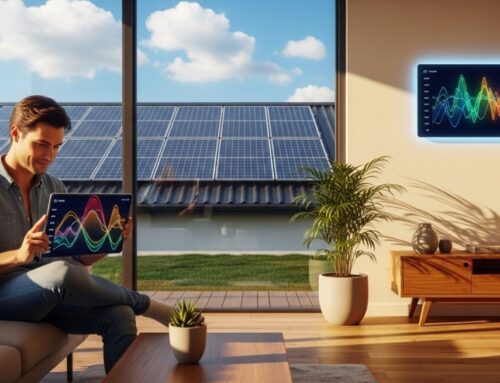
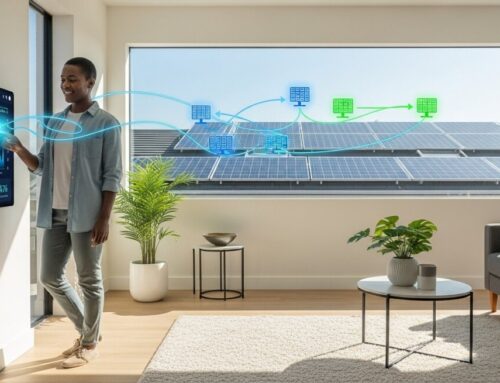
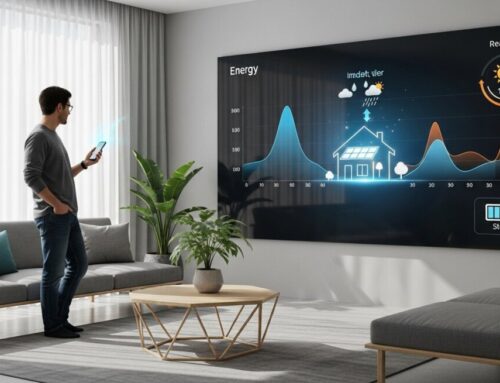
An AI solar system comparison uses artificial intelligence to analyze your home’s energy usage, roof characteristics, and local sunlight patterns. Instead of guessing which solar panels or inverters might work, the software processes real data to recommend the most efficient setup. This technology compares thousands of equipment combinations in seconds, saving you hours of research.
More homeowners are turning to AI tools because they remove the guesswork from solar shopping. You input a few details about your home, and the system generates a personalized recommendation. Our AI solar system comparison tool shows you exactly how different configurations will perform on your roof.
How AI Improves Accuracy
Traditional solar quotes often rely on rough estimates, but AI uses satellite imagery and historical weather data. This means the savings projections are far more reliable. The result is a solar plan that matches your actual electricity consumption, not a generic one-size-fits-all proposal.
Why Solar Energy Is Becoming More Popular
Rising electricity prices are the number one reason homeowners switch to solar. Every year, utility rates increase, making grid power more expensive. Solar panels give you a fixed cost for electricity over 25 years or more.
Environmental concerns also play a big role. Generating your own clean energy reduces your carbon footprint significantly. Long-term savings are undeniable: most homeowners recover their investment within 6 to 10 years and then enjoy free electricity for decades.
If you are considering solar power for your home, comparing installation quotes can help you understand your options. Request a free solar quote or call (800) 555-0199 to learn more.
Common Questions Homeowners Have About Solar
Many homeowners worry about the upfront cost of solar installation. The good news is that federal tax credits and state rebates can reduce the price by 30% or more. Roof suitability is another frequent concern, but most roofs with southern or western exposure work well.
System performance depends on panel quality and local weather. Modern panels are highly efficient even on cloudy days. Below are some of the most common questions people ask.
- How much does a solar system cost after incentives?
- Will solar panels work on my roof type?
- How long does installation take?
- What happens during a power outage?
- Do solar panels increase home value?
- How long do solar panels last?
How Solar Panel Installation Works
The installation process is straightforward when you work with a professional installer. It begins with a home energy assessment to understand your current usage. Next, the installer designs a system that fits your roof and energy goals.
Permits and approvals are handled by the installer, so you do not have to navigate city regulations alone. The actual panel installation usually takes one to three days, followed by system activation and inspection.
- Home energy assessment and review of past bills
- System design using AI optimization tools
- Permit submission and utility approval
- Panel and inverter installation on your roof
- Final inspection and grid connection
- System activation and monitoring setup
Speaking with experienced installers can help you determine the best solar solution for your home. Compare solar quotes here or call (800) 555-0199 to explore available options.
Signs Your Home May Be Ideal for Solar
Certain conditions make a home especially suitable for solar panels. Strong sunlight exposure is the most important factor, and homes in sunny states like Arizona or California see the fastest returns. High electricity bills are another clear sign that solar could save you money.
Suitable roof space with minimal shading is ideal, but ground-mounted systems are also an option. If you plan to stay in your home for at least five years, solar is a smart financial move.
- Your roof receives direct sunlight for most of the day
- Your monthly electric bill exceeds $100
- You have at least 300 square feet of unshaded roof space
- Your roof is less than 15 years old and in good condition
- You plan to live in your home for five years or more
- Your local utility offers net metering or time-of-use rates
What Affects Solar Installation Costs
System size is the biggest factor influencing cost. A larger system that covers 100% of your electricity needs will cost more upfront but save more over time. Equipment quality also matters: premium panels and inverters cost more but offer better efficiency and longer warranties.
Installation complexity can drive up labor costs, especially on steep roofs or older homes. Local incentives and the federal Investment Tax Credit significantly reduce the final price. In many areas, homeowners pay between $10,000 and $20,000 after incentives for a typical system.
The cost of solar installation varies depending on your home and energy needs. Request personalized solar quotes or call (800) 555-0199 to see what options are available.
Tips for Choosing a Reliable Solar Installer
Not all solar installers offer the same level of service. Start by reviewing each installer’s experience and certifications. A reputable company should hold NABCEP certification and have at least five years in business.
Check warranties carefully: panels should come with a 25-year performance warranty, and labor should be covered for at least 10 years. Reading customer reviews on sites like Google and the Better Business Bureau gives you insight into real experiences.
- Verify NABCEP certification and local licensing
- Ask for a 25-year equipment and performance warranty
- Read at least 10 recent customer reviews
- Request quotes from at least three different installers
- Ensure the quote includes all permits and interconnection costs
Long-Term Benefits of Installing Solar Panels
Lower electricity bills are the most immediate benefit. Once your system is paid off, your monthly energy cost drops to near zero. Solar panels also increase your home’s resale value by an average of 4% according to multiple real estate studies.
Reducing your environmental impact feels good and aligns with a sustainable future. Energy independence means you are protected from future utility rate hikes. Over 25 years, the average homeowner saves between $20,000 and $50,000 on electricity.
Frequently Asked Questions
How does an AI solar system comparison work?
An AI solar system comparison uses software to analyze your energy bills, roof orientation, and local weather data. It then recommends the best panels, inverters, and system size for your home. This saves you time and ensures you choose equipment that performs well on your specific roof.
Is solar worth it if I live in a cloudy area?
Yes, solar panels still generate electricity on cloudy days, just at a reduced rate. Modern panels are designed to capture diffuse light. Many cloudy regions still offer strong financial incentives that make solar worthwhile.
How much can I save by comparing solar quotes?
Homeowners who compare at least three quotes save an average of 15% to 25% compared to those who accept the first offer. AI-powered comparisons help you identify the best value, not just the lowest price.
What is the federal solar tax credit for 2025?
The federal Investment Tax Credit remains at 30% for systems installed through 2032. This credit applies to the total system cost, including equipment and installation. State and local rebates can further reduce your out-of-pocket expense.
Do I need a new roof before installing solar?
If your roof is older than 15 years or has significant damage, it is wise to replace it before installing panels. Removing panels later to replace a roof adds extra cost. A professional installer will inspect your roof during the assessment.
How long does it take to install solar panels?
Once permits are approved, the actual installation usually takes one to three days. The entire process from quote to activation can take 4 to 8 weeks depending on local permitting and utility approvals.
Can I go completely off-grid with solar panels?
Going off-grid is possible but requires a large battery bank and a properly sized system. Most homeowners remain grid-tied to use net metering, which sends excess power back to the utility for credits. This approach is more affordable and reliable.
What happens to solar panels at the end of their life?
Solar panels have a useful life of 25 to 30 years, but they can still produce power after that. Most manufacturers offer recycling programs. The industry is developing better recycling methods to handle end-of-life panels sustainably.
Exploring solar energy is one of the smartest decisions you can make for your home and your budget. An AI solar system comparison gives you the clarity you need to choose the right equipment and installer. Start by comparing multiple quotes today to lock in long-term savings and energy independence.