How AI Tools for Solar Energy Can Lower Your Electric Bill
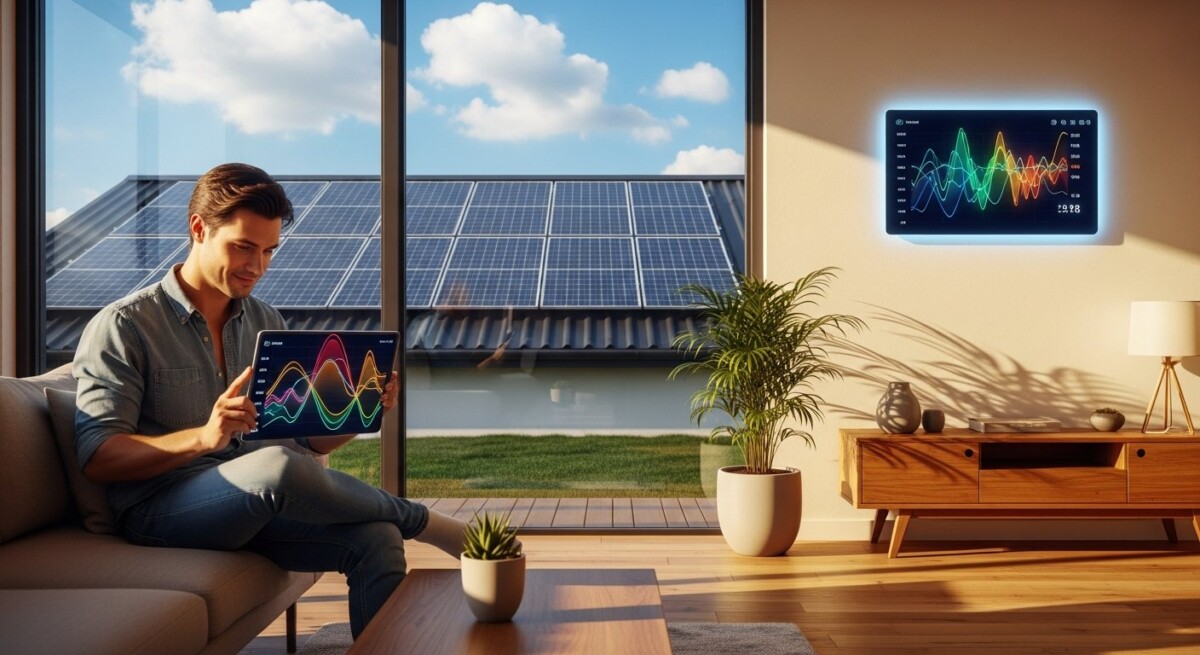
Every month, you open your electric bill and wince. Rates keep climbing, and it feels like there’s no end in sight. That’s why more homeowners are turning to solar energy , and discovering that modern technology makes the switch easier than ever. In fact, many people now use AI tools for solar energy to design systems that fit their home perfectly, saving thousands over the life of their panels.
Understanding AI Tools for Solar Energy
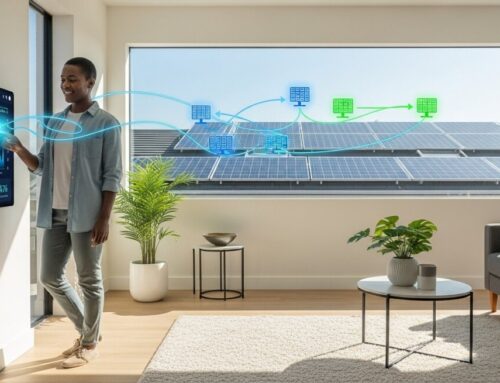
Artificial intelligence might sound futuristic, but it’s already helping homeowners like you get the most out of solar power. These tools analyze your home’s energy usage, roof angle, and local weather patterns to recommend the ideal system size and panel placement. Instead of guessing, you get a data-driven plan that maximizes savings.
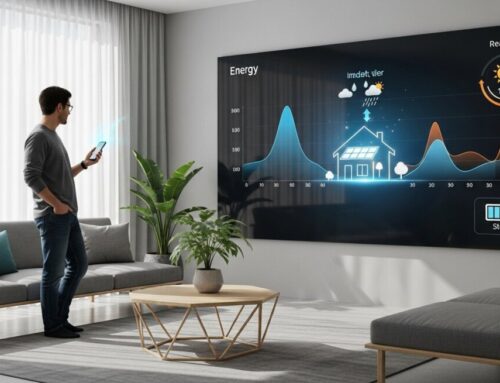
How does it work? AI platforms process satellite images of your roof, historical electricity bills, and sun exposure data. Within minutes, they can predict how much energy your panels will produce each month. This removes the guesswork and helps you compare quotes with confidence.
More homeowners are choosing AI-assisted solar because it reduces upfront mistakes. A poorly sized system can mean higher costs or lower savings. With AI, you get a system tailored to your home , no oversizing, no undersizing, just the right fit for your budget and energy goals.
Why Solar Energy Is Becoming More Popular
Electricity prices have risen sharply over the past decade, and experts expect them to keep climbing. Solar panels give you a way to lock in lower energy costs for 25 years or more. That stability is a powerful draw for families who want to stop worrying about rate hikes.
Environmental concerns also play a big role. Solar power produces clean electricity without releasing carbon dioxide or other pollutants. For many homeowners, reducing their carbon footprint is a meaningful step toward a greener future.
Long-term savings are the real headline. While solar installation requires an upfront investment, most homeowners break even within six to ten years. After that, your electricity is essentially free , and your home’s value increases. In our guide on how we use solar energy daily, we explain how panels quietly generate power year after year, turning sunlight into savings.
If you are considering solar power for your home, comparing installation quotes can help you understand your options. Request a free solar quote or call to learn more.
Common Questions Homeowners Have About Solar
Before making a decision, most homeowners have a few pressing questions. The cost of installation is usually the first concern. Solar systems range from about $10,000 to $30,000 before incentives, but federal and state tax credits can cut that cost by 30% or more.
Roof suitability is another big question. Not every roof is ideal, but many can work with the right adjustments. Shade, roof age, and orientation all matter, and a professional installer can evaluate your specific situation during a site visit.
System performance worries some people. Will panels work on cloudy days? Yes , they still generate 10,25% of their rated power in overcast conditions. And because solar is a long-term investment, most panels come with 25-year performance warranties.
- How much does a solar system cost after incentives?
- Is my roof suitable for solar panels?
- How much will I save on my electric bill?
- What happens during a power outage?
- How long does installation take?
- Are there financing options available?
How Solar Panel Installation Works
Solar installation follows a clear process that typically takes one to three days once permits are approved. The first step is a professional energy assessment, where an installer reviews your electricity usage and inspects your roof. This ensures the system is sized correctly for your household.
After the assessment, the installer designs a custom system and handles all the permits and paperwork. Then comes the physical installation: mounting the panels, connecting the inverter, and wiring everything to your home’s electrical panel. Finally, your utility company approves the connection, and you start generating your own power.
- Home energy assessment and roof inspection
- System design and equipment selection
- Permitting and utility approvals
- Panel installation and wiring
- System activation and final inspection
Speaking with experienced installers can help you determine the best solar solution for your home. Compare solar quotes here or call to explore available options.
Signs Your Home May Be Ideal for Solar
Certain homes are better suited for solar than others, and knowing the signs can save you time. The most important factor is sunlight exposure. If your roof faces south or west and receives direct sun for most of the day, you’re in a strong position to generate significant power.
High electricity bills are another clue. The more you spend on power, the more you stand to save by going solar. If your monthly bill exceeds $100, solar could be a smart financial move. Additionally, if you plan to stay in your home for at least five to seven years, you’ll have time to recoup your investment and enjoy years of free electricity.
- Your roof gets at least five hours of direct sunlight daily
- Your electric bill is consistently above $100 per month
- You have a south- or west-facing roof with enough space
- Your roof is in good condition and less than 15 years old
- You plan to stay in your home for at least five more years
What Affects Solar Installation Costs
The price of a solar system depends on several variables. System size is the biggest factor , a larger system costs more but also saves more over time. The average residential system is around 6 to 10 kilowatts, which typically covers most of a home’s electricity needs.
Equipment quality also matters. Premium panels from top manufacturers cost more but offer higher efficiency and longer warranties. Installation complexity , such as a steep roof or unusual roof material , can increase labor costs as well.
Local incentives and net metering policies can dramatically reduce your out-of-pocket cost. The federal Investment Tax Credit (ITC) currently offers a 30% tax credit on the total system cost. Many states and utilities add their own rebates, making solar more affordable than ever. To learn more about how these savings add up, check out our article on AI tools for solar energy and how they help you save more on your electric bill.
The cost of solar installation varies depending on your home and energy needs. Request personalized solar quotes or call to see what options are available.
Tips for Choosing a Reliable Solar Installer
Not all installers are created equal, and choosing the wrong one can lead to poor performance or costly repairs. Start by reviewing each company’s experience and certifications. Look for installers who are licensed, insured, and certified by the North American Board of Certified Energy Practitioners (NABCEP).
Warranties are another crucial factor. A good installer offers a workmanship warranty of at least five years, and the panel manufacturer should provide a 25-year performance warranty. Read customer reviews on third-party sites to get a sense of their reputation and service quality.
Finally, always compare multiple quotes. Prices can vary by thousands of dollars for the same system, and a lower quote isn’t always better. By getting three to five estimates, you can spot outliers and choose a fair, trustworthy partner.
- Verify installer licenses and NABCEP certification
- Ask about workmanship and equipment warranties
- Read recent reviews on Google, Yelp, or EnergySage
- Get at least three detailed quotes for comparison
- Ask about financing and lease options
Long-Term Benefits of Installing Solar Panels
Once your panels are installed, the savings start immediately. Most homeowners see their electric bills drop by 50,90%, and many eventually eliminate their bill entirely. Over 25 years, that can add up to $20,000 to $50,000 in total savings, depending on your location and energy use.
Solar panels also increase your home’s resale value. Studies show that homes with solar sell for about 4% more than comparable homes without it. Buyers recognize the value of lower energy costs, making your property more attractive on the market.
Beyond finances, solar gives you energy independence. You rely less on the grid and are protected from future rate increases. And by generating clean power, you’re helping reduce greenhouse gas emissions , a benefit that lasts for decades.
How long do solar panels last?
Most solar panels come with a 25-year performance warranty, but they can continue producing electricity for 30 years or more. Their efficiency slowly declines over time , about 0.5% per year , so after 25 years, they still operate at roughly 87,90% of their original capacity.
Can solar panels power my entire home?
Yes, a properly sized system can cover 100% of your electricity needs. Your installer will design the system based on your annual usage, roof space, and local sun exposure. In many cases, homeowners produce enough energy to offset their entire bill.
What happens if I produce more energy than I use?
Excess energy flows back to the grid, and your utility company credits you through a program called net metering. Those credits offset the power you draw from the grid at night or on cloudy days. In some states, you can even receive a check for surplus generation at the end of the year.
Do solar panels work during a power outage?
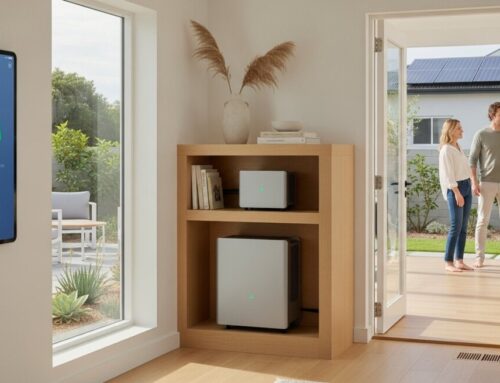
Standard grid-tied solar systems shut down during an outage to protect utility workers. However, if you install a battery backup system, you can store energy and keep critical appliances running when the grid goes down. Batteries add cost but provide true energy independence.
Are there government incentives for solar?
Yes, the federal government offers a 30% tax credit on solar installation costs through the Investment Tax Credit (ITC). Many states and local utilities offer additional rebates, performance payments, or property tax exemptions. Your installer can help you identify all available incentives.
How much maintenance do solar panels need?
Very little. Rain typically washes away dust and debris. You may need to clean panels once or twice a year if you live in a dry or dusty area. Most systems also come with monitoring software that alerts you to any performance issues, so you can address problems quickly.
Will solar work on a flat roof?
Yes, solar panels can be installed on flat roofs using angled mounting racks. These racks tilt the panels toward the sun to maximize energy production. Flat roofs can actually make installation easier and safer for workers, which may lower your labor costs.
How long does it take to recoup the cost of solar?
Most homeowners recoup their investment within 6 to 10 years. After that, electricity from your panels is essentially free. With rising utility rates, the payback period can be even shorter in some areas. Your installer can provide a personalized payback estimate based on your energy usage and local rates.
Solar power is more accessible and affordable than ever. By using AI tools for solar energy, you can design a system that fits your home and budget perfectly. The first step is simple: compare quotes from trusted installers to find the best deal. Take that step today, and start turning sunlight into savings.