What Is Solar Automation System and How It Slashes Bills
You open your monthly electricity bill and feel that familiar pinch. Rates keep climbing, and it seems like there is no end in sight. Many homeowners now search for what is solar automation system as a way to take control of rising energy costs and reduce their dependence on the power grid. The idea of slashing monthly bills while helping the environment sounds almost too good to be true,but for thousands of families, it has become a practical reality.
Understanding what is solar automation system
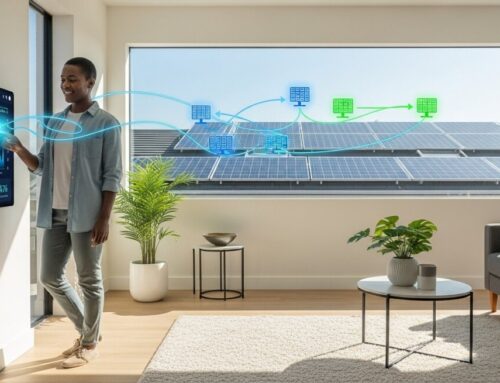
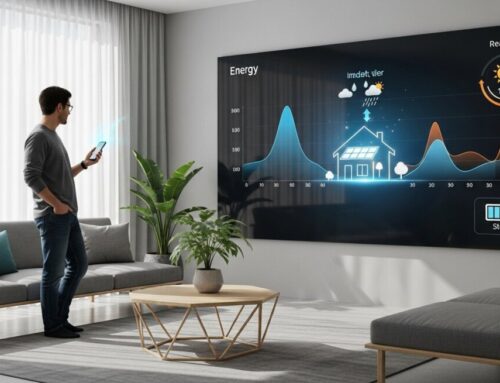
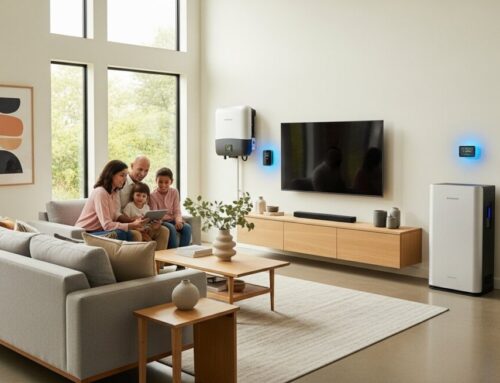
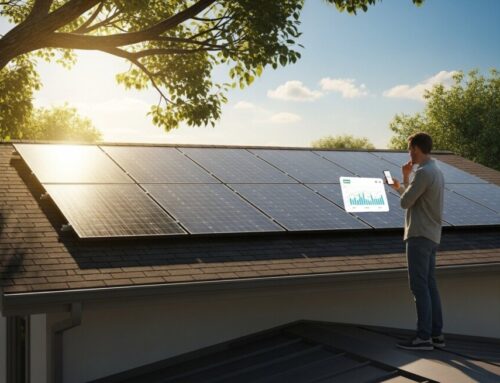
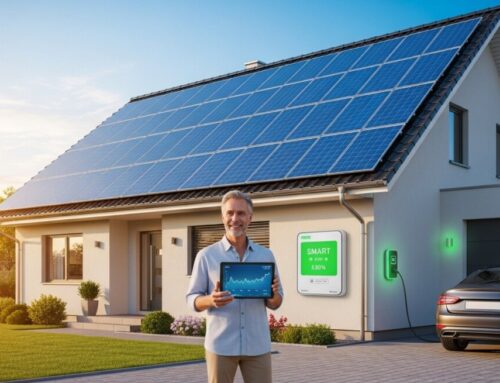
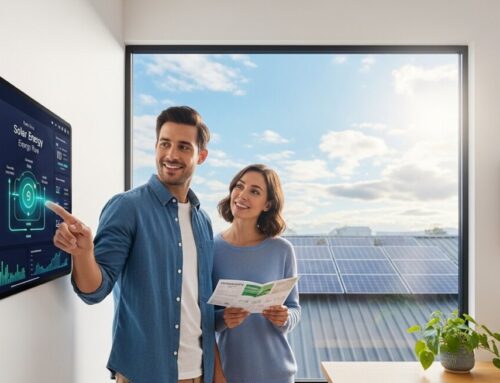
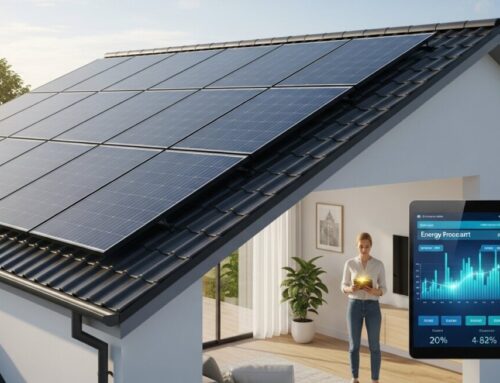
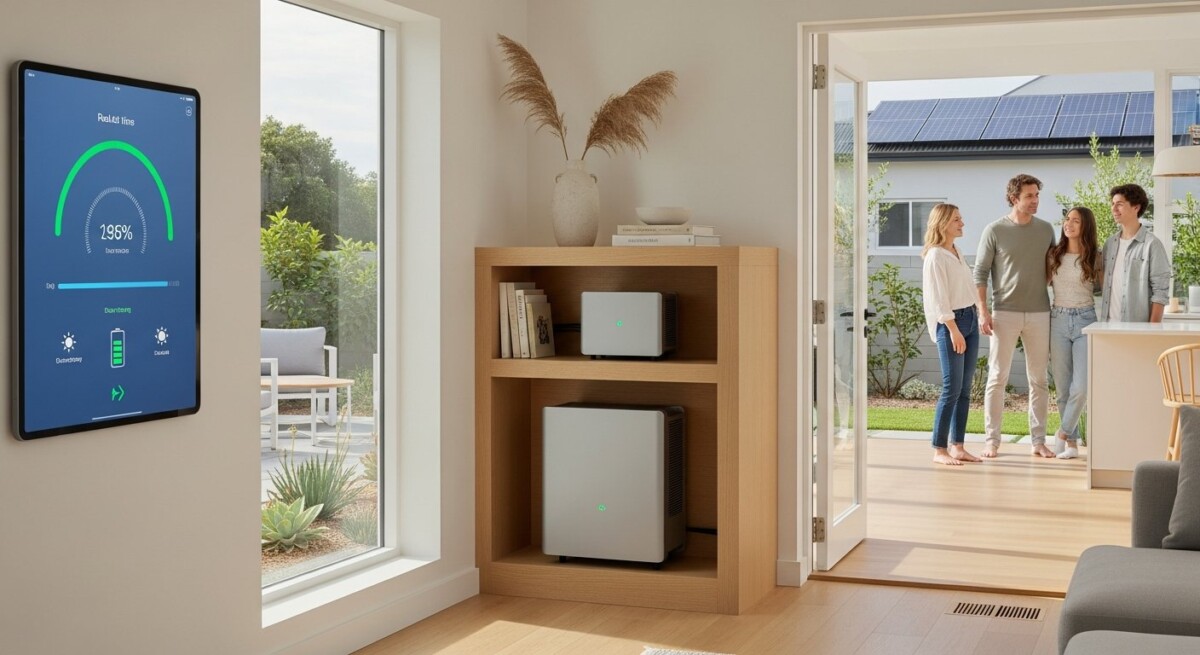
A solar automation system combines solar panels, inverters, battery storage, and smart monitoring software into one integrated solution. Instead of just installing panels on your roof, the system automatically manages how your home generates, stores, and uses solar energy throughout the day. It learns your household’s consumption patterns and adjusts in real time to maximize savings.
Think of it as a smart energy brain for your home. When the sun is shining, the system powers your appliances directly and sends any extra electricity to your battery or back to the grid. At night or during cloudy weather, the automation seamlessly switches to stored energy or grid power, so you never notice a flicker. More homeowners are choosing this approach because it simplifies the transition to renewable energy and delivers consistent results without constant manual adjustments.
For a deeper look at how this technology works in practice, read our guide on what is solar automation system, which breaks down the components and benefits in plain language.
Why Solar Energy Is Becoming More Popular
Electricity rates across the United States have risen by an average of 15% over the past five years, and experts expect that trend to continue. Homeowners are tired of unpredictable bills and want a solution that offers stability. Solar energy provides exactly that,a way to lock in lower energy costs for decades.
Environmental concerns also play a major role. People want to reduce their carbon footprint without sacrificing comfort or convenience. Solar power produces clean electricity with zero emissions, making it one of the most effective steps a household can take for the planet.
Long-term savings are the biggest motivator. A well-designed solar system can pay for itself within six to ten years and continue generating free electricity for another fifteen to twenty years after that. Federal tax credits, state rebates, and net metering programs make the initial investment more affordable than ever.
If you are considering solar power for your home, comparing installation quotes can help you understand your options. Request a free solar quote or call to learn more.
Common Questions Homeowners Have About Solar
Most homeowners start with the same set of concerns. How much will it cost? Will my roof work? What happens when the sun isn’t shining? These are valid questions, and professional installers address them during the initial consultation. The truth is that solar technology has improved dramatically, and modern systems perform well even in less-than-ideal conditions.
Installation costs have dropped by more than 70% over the last decade, and financing options like solar loans and leases make it possible to go solar with little or no money down. Roof suitability depends on factors like age, material, and orientation, but most homes can accommodate panels with minor adjustments.
- How long do solar panels last? Most panels come with 25-year performance warranties and can produce electricity for 30 years or more.
- Does solar work in cloudy climates? Yes, panels still generate power on overcast days, though at reduced efficiency.
- Will I need a battery? Batteries are optional but recommended for homeowners who want backup power or maximum savings from stored energy.
- What happens if I move? Solar panels can increase home resale value, and many systems are transferable to new owners.
- Are there government incentives? The federal solar tax credit covers 30% of installation costs, and many states offer additional rebates.
- How much maintenance is required? Panels need occasional cleaning and annual inspections, but there is no daily upkeep.
How Solar Panel Installation Works
Going solar is a straightforward process when you work with experienced professionals. The journey begins with a home energy assessment, where an installer reviews your electricity bills, inspects your roof, and evaluates your energy needs. This step ensures the system is sized correctly for your household.
Once the assessment is complete, the installer designs a custom system tailored to your roof layout and sun exposure. They handle all necessary permits and approvals with your local utility company and municipality. The actual panel installation usually takes one to three days, depending on the system size and roof complexity.
- Home energy assessment , Review bills, inspect roof, discuss goals.
- System design , Create a layout that maximizes sunlight and aesthetics.
- Permits and approvals , Secure required permissions from local authorities and your utility.
- Panel installation , Mount panels, connect wiring, and set up inverters and monitoring.
- System activation , Final inspection, grid connection, and start generating power.
Speaking with experienced installers can help you determine the best solar solution for your home. Compare solar quotes here or call to explore available options.
Signs Your Home May Be Ideal for Solar
Not every home is a perfect candidate, but most can benefit from solar energy with the right system design. The best indicators include strong sunlight exposure, high electricity bills, and a roof that is in good condition. Homes with south-facing roofs that receive direct sunlight for most of the day produce the most energy.
If you plan to stay in your home for at least five to seven years, solar becomes an even more attractive investment. The savings accumulate over time, and you will recoup the installation cost well before you sell. Renters or those planning to move soon may want to explore community solar programs instead.
- Strong sunlight exposure , At least 4,5 hours of direct sun per day on your roof.
- High electricity bills , Monthly bills over $100 make solar financially worthwhile.
- Suitable roof space , At least 300 square feet of unobstructed area.
- Long-term home ownership plans , Staying 5+ years maximizes return on investment.
- Good roof condition , Roof should have 10+ years of life remaining.
- No heavy shading , Trees or buildings that block sunlight reduce output.
What Affects Solar Installation Costs
Solar system pricing varies based on several key factors. The size of the system,measured in kilowatts,directly affects the total cost. Larger homes with higher energy consumption need bigger systems, which cost more upfront but also deliver greater long-term savings.
Equipment quality matters too. Premium panels and inverters cost more but offer higher efficiency, better warranties, and longer lifespans. Installation complexity, such as roof pitch, material, and accessibility, can add to labor costs. Local incentives and rebates can significantly reduce your out-of-pocket expense, sometimes by 30% or more.
Getting multiple quotes helps you understand the price range for your specific situation. Each installer may recommend different equipment or system sizes, so comparing options ensures you find the best value.
The cost of solar installation varies depending on your home and energy needs. Request personalized solar quotes or call to see what options are available.
Tips for Choosing a Reliable Solar Installer
Choosing the right installer is just as important as choosing the right equipment. A reputable company will guide you through every step, from design to permitting to activation. They should also offer strong warranties on both the panels and the installation workmanship.
Look for installers with at least five years of experience, positive customer reviews, and proper licensing and insurance. Ask about their relationships with equipment manufacturers and whether they offer performance guarantees. The best installers will walk you through the numbers and help you understand your payback period.
- Review installer experience , Look for 5+ years and hundreds of installations.
- Check warranties , Panels should have 25-year warranties; workmanship at least 10 years.
- Read customer reviews , Check Google, Yelp, and the Better Business Bureau.
- Compare multiple quotes , Get at least three estimates to find the best deal.
- Ask about financing , Inquire about loans, leases, and PPA options.
- Verify certifications , NABCEP certification is a strong sign of expertise.
Long-Term Benefits of Installing Solar Panels
The most obvious benefit is lower electricity bills. Once your system is paid off, the electricity it generates is essentially free. Over a 25-year period, the average homeowner saves between $20,000 and $50,000, depending on local rates and system size.
Solar panels also increase your home’s resale value. Studies show that homes with solar systems sell for 4% to 6% more than comparable homes without them. Buyers recognize the value of lower utility costs and are willing to pay a premium.
Beyond financial gains, solar energy gives you greater independence from the grid. You are less affected by rate hikes, power outages, and utility company policies. And every kilowatt-hour you generate from the sun reduces your carbon footprint, helping create a cleaner future for your family and community.
How long does it take for solar panels to pay for themselves?
The payback period for solar panels typically ranges from 6 to 10 years, depending on your local electricity rates, system cost, and available incentives. After that point, the electricity your system produces is essentially free. Many homeowners see a complete return on investment within the first decade of ownership.
Will solar panels work during a power outage?
Standard grid-tied solar systems shut down during a blackout for safety reasons. If you want backup power during outages, you need a battery storage system like the Tesla Powerwall or LG Chem. With a battery, your solar panels can continue charging the battery and powering your home even when the grid is down.
What maintenance do solar panels require?
Solar panels require very little maintenance. Rain usually keeps them clean, but in dusty areas you may need to rinse them once or twice a year. Most installers recommend an annual inspection to check wiring, inverter performance, and panel condition. There are no moving parts, so wear and tear is minimal.
Can I install solar panels myself to save money?
DIY solar installation is possible but not recommended for most homeowners. Professional installers handle permits, electrical work, and roof sealing, which are complex and safety-critical. Mistakes can void warranties, create fire hazards, or result in poor system performance. The savings from professional installation,through warranties and optimal design,usually outweigh the upfront cost.
What happens to excess solar energy I don’t use?
With net metering, your utility company credits you for any extra electricity your panels send to the grid. Those credits offset the power you use at night or on cloudy days. Some utilities pay a lower rate for exported power, while others offer full retail credit. Battery storage allows you to keep that energy for your own use instead.
Do solar panels work in winter or snowy conditions?
Yes, solar panels actually perform more efficiently in cold temperatures. Snow can temporarily reduce output, but panels are installed at an angle that helps snow slide off. Even on short winter days, modern panels generate enough electricity to offset a significant portion of your usage. Many homeowners find their systems produce surplus energy in summer that carries them through winter.
Are there government incentives for solar in 2025?
Yes, the federal solar Investment Tax Credit (ITC) allows you to deduct 30% of your system cost from your federal taxes. Many states also offer additional rebates, performance-based incentives, or property tax exemptions. These incentives change frequently, so it is wise to check current programs in your area before committing to an installation.
How do I know if my roof is suitable for solar panels?
A professional solar installer will assess your roof’s age, material, orientation, and shading during a free consultation. Ideally, your roof should face south or west, have at least 10 years of life remaining, and receive direct sunlight for most of the day. If your roof needs replacement soon, you can combine both projects to save on labor costs.
Switching to solar energy is one of the smartest financial and environmental decisions a homeowner can make. By understanding what is solar automation system and how it can slash your electricity bills, you are already on the right path. The next step is simple: compare installation quotes from trusted professionals to find the system that fits your home and budget. With the right installer and the right equipment, you can start saving money and reducing your carbon footprint for decades to come.