How AI Reduces Energy Waste and Cuts Solar Costs
You open your monthly electricity bill and feel a familiar sting. Rates keep climbing, and you wonder if there is a smarter way to power your home. That is why more homeowners are searching for how AI reduces energy waste and looking into solar panel installation. The idea of shrinking your electric bill and relying less on the grid sounds appealing, but the technology behind it can feel confusing. Let us break it down in simple terms.
Understanding How AI Reduces Energy Waste
Artificial intelligence, or AI, is a set of tools that helps machines learn from data and make smart decisions. In your home, AI can analyze your energy usage patterns and automatically adjust settings to save power. For example, a smart thermostat learns when you are home and when you are away, then heats or cools only when needed. This cuts waste without you lifting a finger.
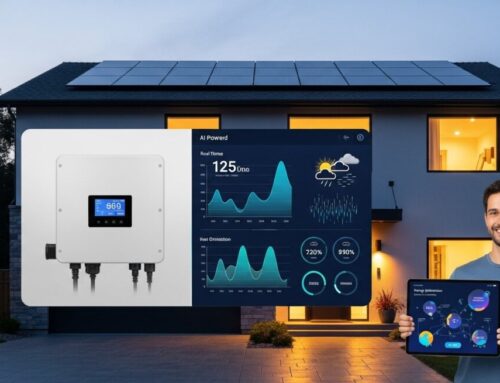
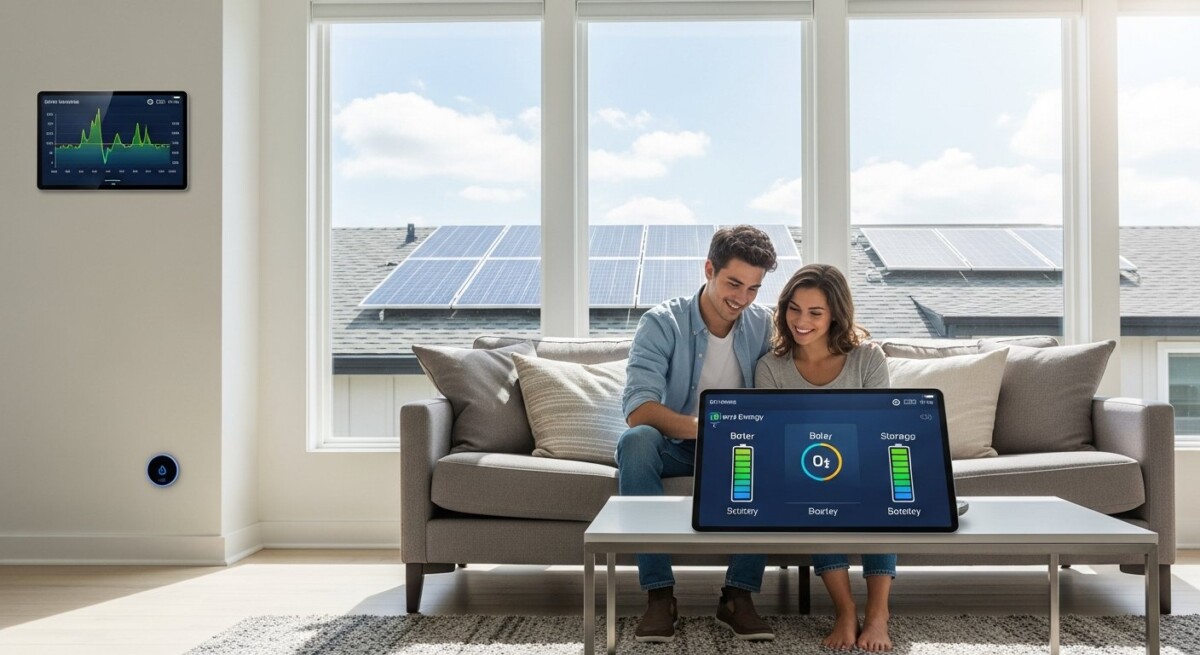
When paired with solar panels, AI becomes even more powerful. It can predict how much energy your system will generate based on weather forecasts and historical data. Then it coordinates with appliances to run during peak production times, storing excess power in batteries for later use. The result is less energy wasted and more money saved.
In our guide on how AI reduces energy waste and cuts solar costs, we explain the specific algorithms that optimize household energy flow. The takeaway is simple: AI turns your home into a smart energy manager that works 24/7 to lower your bills.
Why Solar Energy Is Becoming More Popular
Electricity prices have risen steadily over the past decade, and many homeowners feel the pinch. At the same time, people are more aware of their environmental impact and want cleaner energy. Solar panels offer a practical way to address both concerns at once.
The long-term savings are hard to ignore. Once your system is paid off, the electricity it generates is essentially free. Many homeowners see a return on investment within five to eight years, and panels often last twenty-five years or more. That means decades of reduced bills and predictable energy costs.
Government incentives and rebates sweeten the deal further. The federal solar investment tax credit (ITC) allows you to deduct a percentage of your installation costs from your taxes. Many states and local utilities offer additional rebates, making solar more affordable than ever.
If you are considering solar power for your home, comparing installation quotes can help you understand your options. Request a free solar quote or call to learn more.
Common Questions Homeowners Have About Solar
It is normal to have questions before making a big investment like solar panels. Many homeowners worry about upfront cost, roof suitability, and whether the system will perform well in their climate. These are valid concerns, but the answers are often reassuring.
Professional installers assess your roof’s condition, angle, and sun exposure during a free consultation. They also calculate your average energy usage to size the system correctly. Most homes in sunny regions produce enough power to cover a large portion of their electricity needs.
- How much does a typical solar system cost?
- Will solar panels work on a shaded roof?
- How long does installation take?
- What happens during cloudy days or at night?
- Do I need a battery with my solar panels?
- How do tax credits and rebates work?
How Solar Panel Installation Works
The installation process is more straightforward than most people expect. A professional installer handles everything from the initial assessment to flipping the switch on your new system. You do not need to be a DIY expert or an electrician.
After you sign a contract, the installer schedules a home energy assessment to evaluate your current usage and roof conditions. Then they design a system tailored to your home, handle all permits and approvals, and install the panels. The final step is connecting the system to the grid and turning it on.
- Home energy assessment and site evaluation
- Custom system design and equipment selection
- Permit applications and utility approvals
- Professional panel and inverter installation
- System inspection, connection, and activation
Speaking with experienced installers can help you determine the best solar solution for your home. Compare solar quotes here or call to explore available options.
Signs Your Home May Be Ideal for Solar
Not every home is perfectly suited for solar panels, but many are. The most important factor is sunlight exposure. Homes with south-facing roofs that receive direct sun for most of the day tend to generate the most power. Even homes with east or west-facing roofs can still produce significant energy.
Another sign is high electricity bills. If you pay a lot each month, solar can offset a large share of that cost. Homeowners who plan to stay in their house for several years also benefit most, since the savings compound over time.
- Your roof gets strong sunlight for at least 4,5 hours daily
- Your monthly electric bills are consistently high
- You have adequate roof space with minimal shading
- You plan to own your home for at least five more years
- Your roof is in good condition and less than 15 years old
- Your local utility offers net metering or solar incentives
What Affects Solar Installation Costs
The price of a solar system depends on several variables. System size is the biggest factor,larger homes with higher energy needs require more panels and a bigger inverter, which costs more. Equipment quality also matters, as premium panels and batteries come with higher price tags but often better performance and longer warranties.
Installation complexity can drive costs up or down. A simple roof with easy access and standard shingles is cheaper to work with than a complex roof with multiple angles, skylights, or tile. Local labor rates and permit fees also vary by region.
Incentives and rebates reduce the net cost significantly. The federal tax credit alone can knock thousands off the price, and state programs may offer additional savings. Comparing quotes from multiple installers helps you find the best value for your specific situation.
The cost of solar installation varies depending on your home and energy needs. Request personalized solar quotes or call to see what options are available.
Tips for Choosing a Reliable Solar Installer
Finding the right installer is just as important as choosing the right equipment. A trustworthy installer will guide you through the process, answer your questions, and stand behind their work. They should be licensed, insured, and experienced with local permitting and utility requirements.
Warranties are another key consideration. Look for a comprehensive warranty that covers both the panels and the installation workmanship. Reading online reviews and asking for references can give you a clearer picture of an installer’s reputation.
- Verify the installer’s license and insurance credentials
- Ask about equipment warranties and workmanship guarantees
- Read customer reviews on Google, Yelp, or the BBB
- Request and compare at least three detailed quotes
- Inquire about post-installation support and monitoring
- Check if they handle permits and utility paperwork
Long-Term Benefits of Installing Solar Panels
The most obvious benefit is lower electricity bills month after month. Once your system is paid off, the energy it produces costs you nothing. Over twenty-five years, that can add up to tens of thousands of dollars in savings.
Solar panels also increase your home’s resale value. Studies show that homes with solar systems sell for a premium compared to similar homes without them. Buyers are attracted to the promise of lower utility costs and energy independence.
Beyond financial gains, solar energy reduces your carbon footprint. Generating your own clean electricity means less reliance on fossil fuels and fewer greenhouse gas emissions. It is a practical way to contribute to a healthier planet while saving money.
How long do solar panels last?
Most solar panels come with a 25-year performance warranty and continue producing power well beyond that. Their output gradually declines, but they often still generate 80% or more of their original capacity after 25 years. Inverters and batteries may need replacement sooner, typically every 10 to 15 years.
Will solar panels work during a power outage?
Standard grid-tied solar systems shut off during a power outage for safety reasons. If you want backup power, you need a battery storage system like the Tesla Powerwall or LG Chem. Batteries store excess solar energy and provide electricity when the grid goes down.
Do I need to clean my solar panels?
Rain usually does a good job of keeping panels clean. In dusty areas or during dry spells, occasional rinsing with a hose can help maintain efficiency. Professional cleaning is rarely necessary unless there is heavy bird droppings or stubborn debris.
What happens if my roof needs repairs after solar installation?
A reputable installer will remove and reinstall your panels at no extra cost if roof work is needed during the warranty period. Always ask about this policy before signing a contract. Some installers offer a roof penetration warranty that covers leaks for 10 years or more.
How much can I save by switching to solar?
Savings vary based on your location, energy use, system size, and local electricity rates. Many homeowners save between $600 and $1,500 per year. Online calculators and free quotes from installers can give you a personalized estimate.
Can I install solar panels myself to save money?
DIY solar is possible but not recommended for most homeowners. Professional installation ensures safety, proper permitting, and eligibility for tax credits and rebates. Mistakes can void warranties, create fire hazards, and end up costing more in the long run.
Will solar panels damage my roof?
Properly installed solar panels actually protect the roof underneath them from sun, rain, and hail. Installers use flashing and sealants to prevent leaks. A certified professional will ensure your roof remains watertight and structurally sound.
How do I choose between buying and leasing solar panels?
Buying gives you full ownership, maximum savings, and eligibility for tax credits. Leasing offers lower upfront costs but smaller long-term savings and no tax benefits. Compare both options with quotes from reputable installers to see what fits your budget.
Understanding how AI reduces energy waste and combining it with solar panels puts you in control of your home’s energy future. The technology is proven, the incentives are generous, and the savings are real. Start by comparing quotes from multiple installers to find the system that works best for your home and budget.