What Is a Smart Solar Grid and How It Cuts Your Bills
Imagine watching your electricity bill climb higher each month, with no end in sight. Many homeowners now search for “what is smart solar grid” as a way to take control and reduce their energy costs. The idea of cutting monthly bills while becoming less dependent on the traditional power grid is more appealing than ever. A smart solar grid combines solar panels with intelligent technology to help you save money and gain energy independence.
Understanding what is smart solar grid
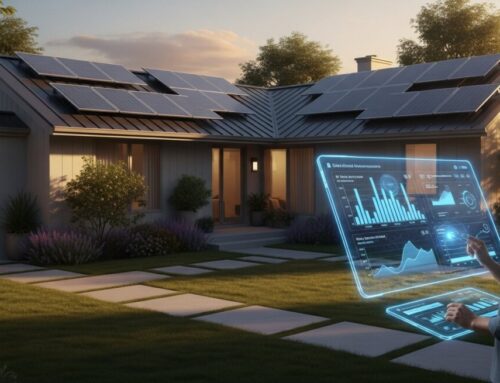
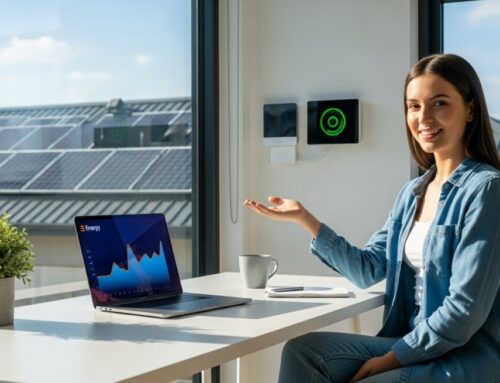
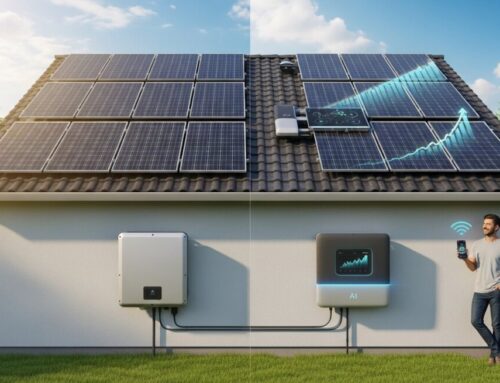
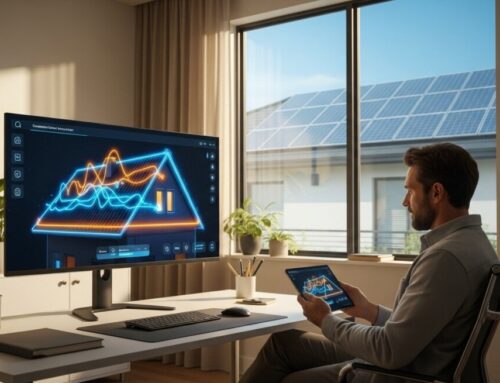
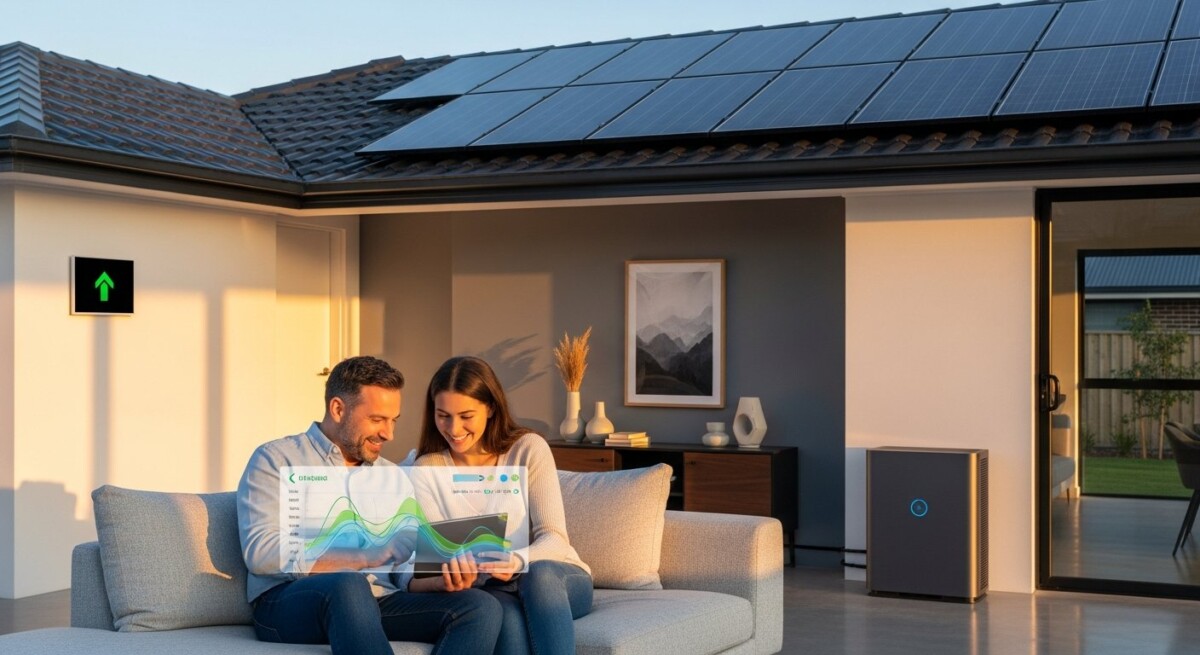
A smart solar grid is an advanced energy system that connects solar panels, battery storage, and digital monitoring to manage electricity use efficiently. Unlike a standard solar setup, this system communicates with your home and the utility grid to optimize when you use, store, or sell power. In our guide on what is a smart solar grid, we explain how this technology automatically adjusts to save you the most money.
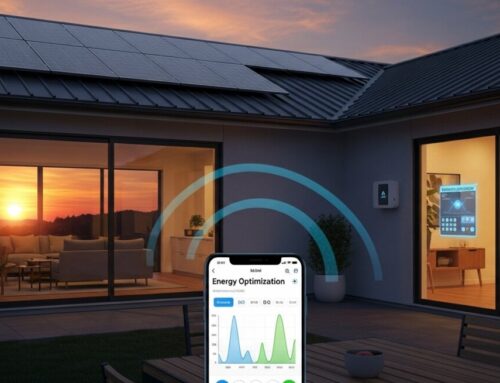
Here is how it works in simple terms. Solar panels generate electricity during the day, and any excess power either charges a home battery or flows back to the utility grid. A smart controller decides in real time whether to use solar power, draw from the battery, or pull from the grid based on current rates and your household needs. More homeowners are choosing this approach because it turns a regular solar system into a money-saving tool that adapts to changing energy prices.
Key technical detail: bidirectional energy flow
A smart solar grid relies on bidirectional energy flow, meaning electricity can move both to and from your home. When your panels produce more power than you need, the system sends surplus energy to the grid or stores it for later. This two-way capability is what makes smart solar grids different from older, one-way solar installations.
Why Solar Energy Is Becoming More Popular
Rising electricity prices are the number one reason homeowners are switching to solar power. According to recent data, residential electricity rates have increased by more than 5% annually in many regions, making solar an increasingly attractive alternative. Environmental concerns also play a major role, as people want to reduce their carbon footprint without sacrificing comfort or convenience.
Long-term savings are another powerful motivator. A well-designed solar system can reduce your electricity bills by 50% to 90% over its 25-year lifespan. When you factor in government incentives and rebates, the upfront cost becomes much more manageable, and the payback period shortens significantly. Professional installers help you navigate these incentives to maximize your savings.
If you are considering solar power for your home, comparing installation quotes can help you understand your options. Request a free solar quote or call to learn more.
Common Questions Homeowners Have About Solar
Many homeowners worry about the initial installation cost of solar panels. The good news is that federal tax credits, state rebates, and net metering programs can reduce the net cost by 30% or more. Another frequent concern is whether your roof is suitable for solar panels, which depends on factors like age, material, and orientation.
System performance is another common question. Homeowners want to know if solar panels work on cloudy days or during winter. Modern panels are surprisingly efficient in low light, and battery storage ensures you have power even when the sun is not shining. A professional installer can model your home’s specific energy production to give you realistic expectations.
- How much does a home solar system cost?
- Will solar panels work on my roof?
- How long do solar panels last?
- What happens during a power outage?
- Do I need a battery with my solar system?
- Can I sell excess electricity back to the grid?
How Solar Panel Installation Works
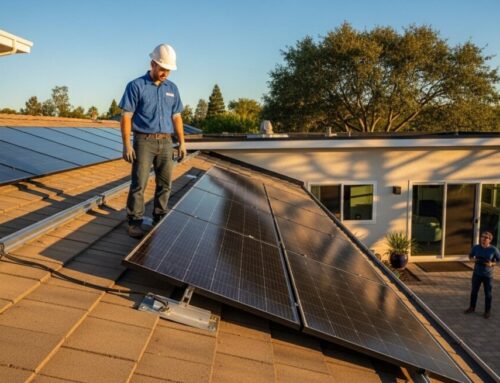
The installation process is more straightforward than most homeowners expect. It typically takes one to three days for the physical installation, though the entire process from consultation to activation spans several weeks. A professional installer handles all the technical details so you can focus on enjoying the savings.
Here are the main steps involved in a typical solar installation:
- Home energy assessment , An installer reviews your past electricity bills and inspects your roof to determine the ideal system size.
- System design , Using specialized software, the installer designs a layout that maximizes sunlight exposure and energy production.
- Permits and approvals , The installer obtains necessary permits from your local government and approval from your utility company.
- Panel installation , Mounting hardware, solar panels, and electrical components are installed on your roof or ground mount.
- System activation , After final inspections, the system is connected to the grid and begins generating electricity.
Speaking with experienced installers can help you determine the best solar solution for your home. Compare solar quotes here or call to explore available options.
Signs Your Home May Be Ideal for Solar
Not every home is equally suited for solar panels, but many are better candidates than homeowners realize. A south-facing roof with minimal shade is ideal, but east and west-facing roofs can also work well. If your electricity bills are consistently high, solar can provide immediate relief.
Other signs include having enough roof space for the number of panels needed to cover your energy usage. If you plan to stay in your home for at least five to seven years, the long-term savings will more than cover the upfront investment. A professional assessment can confirm whether your home meets the criteria.
- Your roof receives strong sunlight for most of the day
- Your monthly electricity bills are $100 or more
- You have at least 300 square feet of suitable roof space
- You plan to live in your home for several more years
- Your roof is in good condition and less than 15 years old
What Affects Solar Installation Costs
The cost of a solar installation varies based on several factors. System size is the biggest driver , a larger system that covers 100% of your energy needs will cost more upfront but deliver greater long-term savings. Equipment quality also matters, as premium panels and inverters often come with longer warranties and better performance.
Installation complexity can add to the cost if your roof is steep, has multiple angles, or requires structural reinforcement. Local incentives such as tax credits, rebates, and performance-based incentives can significantly reduce your out-of-pocket expense. Comparing quotes from multiple installers helps you find the best combination of price and quality. For more details on integrating storage, see our article on smart solar energy systems.
The cost of solar installation varies depending on your home and energy needs. Request personalized solar quotes or call to see what options are available.
Tips for Choosing a Reliable Solar Installer
Finding a trustworthy solar installer is just as important as choosing the right equipment. Look for companies with at least five years of experience and a strong track record of completed installations in your area. A reliable installer will provide clear, written estimates and explain the terms of warranties for both equipment and workmanship.
Reading customer reviews on platforms like Google, Yelp, and the Better Business Bureau can reveal how an installer handles service calls and support after installation. Always compare at least three quotes to ensure you are getting fair pricing and the system that best fits your home. A good installer will also help you apply for incentives and handle all permitting.
- Review the installer’s experience and years in business
- Check warranty coverage for panels, inverters, and labor
- Read recent customer reviews and ratings
- Compare at least three detailed quotes before deciding
- Ask for references from past customers with similar homes
Long-Term Benefits of Installing Solar Panels
The most immediate benefit of solar panels is lower electricity bills. Many homeowners see a 50% to 80% reduction in their monthly energy costs from the first month of operation. Over 25 years, these savings can total tens of thousands of dollars, far exceeding the initial investment. Solar also increases your home’s resale value, with studies showing a 4% to 6% premium for homes with owned solar systems.
Beyond financial gains, solar reduces your environmental impact by cutting greenhouse gas emissions. Each kilowatt-hour of solar power avoids nearly a pound of carbon dioxide compared to grid electricity. Energy independence is another powerful benefit , with a battery, you can keep your lights on during grid outages and protect your family from future rate hikes.
How do I know if my roof is suitable for solar panels?
A professional installer will evaluate your roof’s age, material, orientation, and shading. Most asphalt shingle roofs in good condition are suitable. If your roof is older than 15 years, you may want to replace it before installing panels to avoid future removal costs.
How much can I save on my electricity bill with solar?
Savings depend on your location, system size, and local electricity rates. On average, homeowners save between $600 and $2,000 per year. Net metering programs can increase savings by crediting you for excess power sent to the grid.
What government incentives are available for solar?
The federal solar tax credit allows you to deduct 30% of your system cost from your federal taxes. Many states offer additional rebates, performance payments, or property tax exemptions. Your installer can help you identify all applicable incentives.
How long does it take to install solar panels?
Physical installation usually takes one to three days. The entire process from initial consultation to system activation typically takes four to eight weeks, depending on permitting and utility approvals.
Do solar panels work during a power outage?
Standard grid-tied solar systems shut down during outages for safety. If you add a battery or an inverter with islanding capability, your home can continue to run on stored solar power even when the grid is down.
What maintenance do solar panels require?
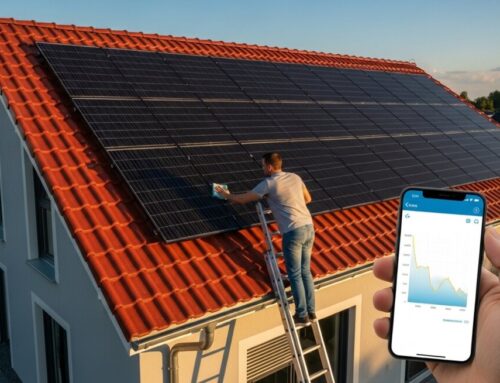
Solar panels require very little maintenance. Occasional cleaning to remove dust, leaves, or snow and an annual inspection by a professional are usually sufficient. Most systems come with monitoring software that alerts you to performance issues.
Smart solar grid technology is changing how homeowners think about energy. By combining solar panels with intelligent controls and battery storage, you can lower your electricity bills, gain energy independence, and help the environment , all while increasing your home’s value. The best way to start is by comparing quotes from pre-screened installers to find the right system for your home and budget.