DIY Solar Panel Maintenance Tasks Homeowners Can Safely Do
Learn the safe DIY solar panel maintenance tasks homeowners can do, from visual checks to debris removal. For professional service, call (833)-434-4023.

By Owen Phillips
Learn more about Solar Panel Cleaning for guides, costs, and what to expect.
Compare Solar Panel Cleaning Pros Near You

Enter your ZIP code to compare top-rated local professionals and request free quotes.
Your rooftop solar array is a long-term investment, and a little hands-on care can keep it performing at its best. But knowing which tasks are safe for you to tackle and which require a professional is critical. This guide walks you through the diy solar panel maintenance tasks homeowners can safely do, from visual inspections to debris removal, while flagging the jobs that should always be left to the experts. By the end, you will have a clear, season-by-season plan to protect your system, maximize savings, and avoid costly mistakes.
Start with Safe Visual Inspections and Monitoring Checks
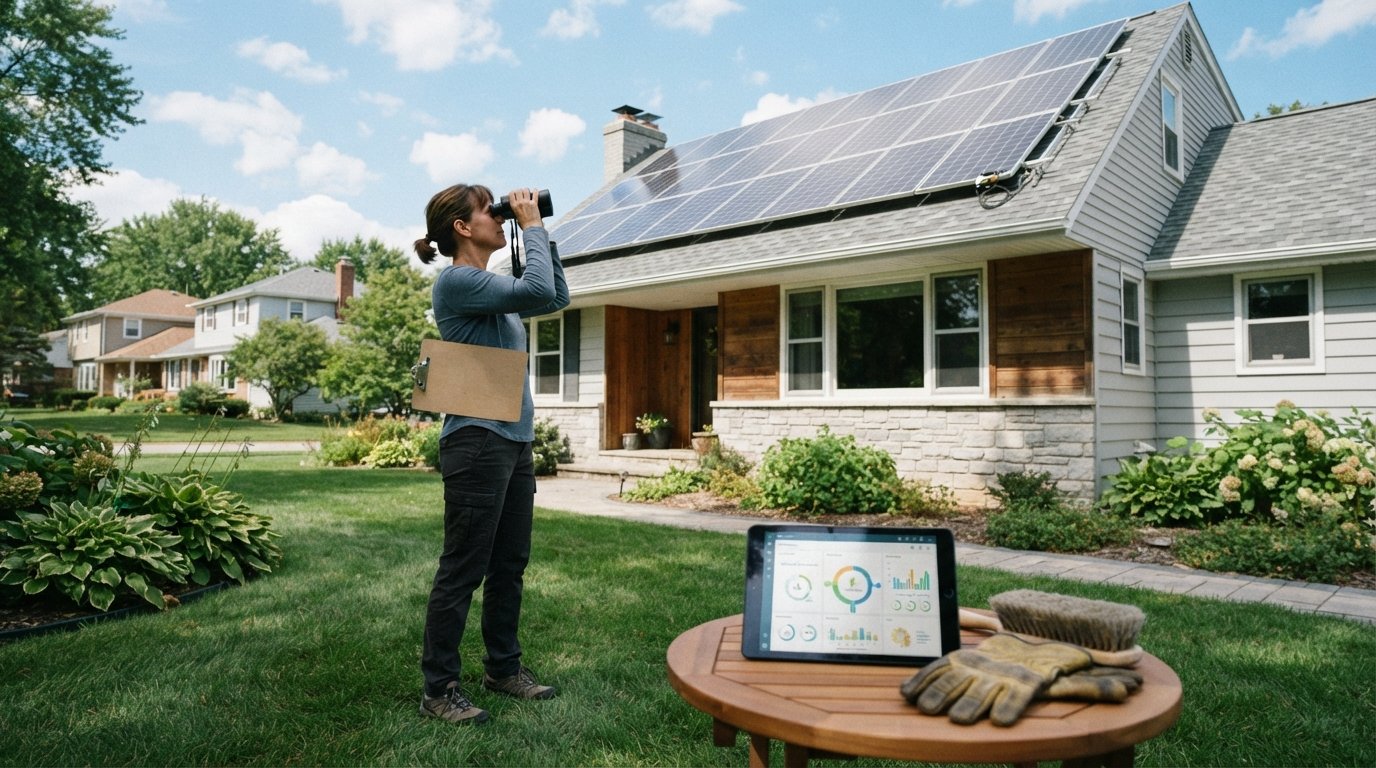
The safest and most valuable maintenance you can perform is a regular visual inspection. You do not need to climb onto the roof; in fact, most inspections can be done from the ground with a pair of binoculars or a zoom lens. Look for obvious signs of damage: cracked or discolored glass, loose mounting hardware, sagging wires, or debris accumulation. Also check for bird droppings, which can create hot spots and reduce output. A quick scan every month or two, especially after severe weather, can catch small issues before they become expensive repairs.
Equally important is monitoring your system's performance through its app or web portal. Most modern inverters and monitoring systems provide real-time data on energy production. Compare current output to historical data for the same time of year. A sudden drop of 10% or more could indicate a problem, such as soiling, shading, or a failing component. If you spot a persistent anomaly, document it and contact a professional. Your monitoring data is also valuable evidence for warranty claims, so keep a log of any irregularities.
Here are the key visual and monitoring tasks you can safely do:
- Ground-level inspection: Use binoculars to check panels for cracks, discoloration, or debris. Never walk on the roof unless you are trained and have proper safety gear.
- Monitor production data: Review your system's output daily or weekly via its monitoring app. Note any unexplained dips.
- Check for shade: Ensure trees or new construction are not casting shadows on panels, especially during peak sun hours.
- Inspect the inverter display: Look for error codes or warning lights on the inverter (if safely accessible at ground level).
These simple checks take minutes but can save you hours of troubleshooting and prevent lost energy production. Remember, your safety comes first: never attempt to access the roof or open electrical components yourself.
Safe Debris Removal and Light Cleaning
Accumulated debris like leaves, pollen, and dust can reduce solar panel efficiency by up to 25%. While professional cleaning is recommended for most homeowners, you can safely remove loose debris from the ground using a soft-bristled brush or a leaf blower on a low setting. Aim carefully to avoid scratching the glass. For light surface dust, a gentle spray from a garden hose (without a pressure washer) can help, but only if you can do so from the ground without risking falls. Never use abrasive materials, and avoid walking on the roof.
In many climates, natural rainfall is sufficient to keep panels reasonably clean. However, in dusty or pollen-heavy areas, more frequent attention may be needed. If you notice significant soiling that does not wash away with rain, it is best to call a professional. They have the tools and training to clean panels safely without voiding warranties. As a rule of thumb, if cleaning requires a ladder or roof access, hire a pro.
Consider this checklist for safe debris management:
- Remove loose debris: Gently sweep or blow away leaves and twigs from the ground, never from the roof.
- Trim nearby vegetation: Keep trees and bushes trimmed to prevent shading and debris accumulation.
- Avoid harsh chemicals: Do not use abrasive cleaners or solvents on panels; plain water is best.
- Schedule professional cleaning: If panels are heavily soiled or require roof access, contact a solar pro.
By handling only light, ground-level debris removal, you reduce the risk of injury and panel damage while still supporting system performance.
Why Rooftop Cleaning and Electrical Work Should Stay with Professionals
Rooftop solar maintenance involves serious hazards: falls, electrical shock, and damage to panels or roofing. Even a small misstep can cause micro-cracks in panels that degrade performance over time. Moreover, many panel manufacturers require professional cleaning to maintain warranties. Electrical work, such as checking connections or replacing inverters, should only be done by licensed electricians. DIY attempts can lead to injury, void warranties, and even create fire hazards.
Professionals also have the right tools, such as safety harnesses, soft brushes, and deionized water, to clean without leaving residue. They can identify potential issues like loose wiring or corrosion during a cleaning visit. For these reasons, it is wise to schedule annual professional maintenance, which often includes a thorough cleaning and electrical inspection. If you need help finding a qualified pro, you can use a platform like Contractor.Homes to connect with pre-vetted local contractors for solar panel cleaning and repairs.
Remember, the diy solar panel maintenance tasks homeowners can safely do are limited to ground-level, non-electrical activities. When in doubt, call a professional.
Seasonal Maintenance Calendar for Different US Climates
Your maintenance schedule should adapt to your local climate. In snowy regions, winter brings the risk of snow accumulation, which can block production. While you should never climb on a snowy roof, you can use a roof rake with a soft head from the ground to gently remove snow, but only if it can be done safely. In dusty areas like the Southwest, more frequent debris removal is needed. Coastal areas face salt corrosion, so visual inspections for rust or corrosion are important. No matter where you live, spring and fall are good times for a thorough check.
Here is a general seasonal guide:
- Spring: Inspect for winter damage, remove debris, and check for shading from new foliage.
- Summer: Monitor production closely due to high heat, and clean panels if dusty (professionally if needed).
- Fall: Clear leaves and prepare for winter; schedule a professional cleaning if necessary.
- Winter: Gently remove snow from the ground with a roof rake, and monitor for ice dams.
Adjust based on your specific conditions. For example, in snowy climates, after each heavy snowfall, use a roof rake to carefully pull snow off the panels from the ground. This simple act can boost production and prevent damage. In rainy climates, you may not need to clean as often, but still inspect after storms.
What to Photograph and Log for Warranty and Insurance Purposes
Keeping detailed records is one of the most overlooked diy solar panel maintenance tasks homeowners can safely do. Take dated photos of your panels after any cleaning or inspection. Document any damage, such as cracks or bird nests, before and after removal. Your monitoring data should also be saved. These records are invaluable if you need to file a warranty claim or insurance claim after a storm. Many manufacturers require proof of proper maintenance, and insurers may ask for evidence of damage.
Create a simple maintenance log that includes dates, tasks performed, and any observations. Photograph the inverter display if it shows errors. Also, keep receipts for any professional services. For warranty purposes, note that DIY cleaning is often acceptable if done gently, but check your manual. When in doubt, have a professional do the work and document it.
If you ever need to file a claim, having a clear paper trail speeds up the process. And if you decide to sell your home, maintenance records can be a selling point.
When to Request Professional Service Through a Vetted Installer
Knowing when to call a pro is just as important as knowing what you can do yourself. Signs that you need professional help include: a sudden drop in production that does not improve after cleaning, visible damage to panels or wiring, inverter error codes, or any signs of pest infestation (like squirrels chewing wires). Also, if your panels are more than a story high or difficult to access, do not attempt cleaning yourself.
For advanced optimization, consider how AI can help reduce energy waste and cut solar costs; our guide on how AI reduces energy waste and cuts solar costs explains how smart monitoring can alert you to issues early. But for physical maintenance, a professional is your best bet.
To find a reliable pro, use a lead generation service like SolarEnergy.ai, which connects you with pre-vetted solar installers in your area. They can handle cleaning, inspections, and repairs safely and efficiently. Remember, the diy solar panel maintenance tasks homeowners can safely do are limited to observation and light debris removal. Everything else should be left to the experts.
By following this guide, you can safely perform the DIY tasks that keep your solar panels in top shape while knowing when to call in the professionals. A little proactive care goes a long way toward maximizing your energy savings and protecting your investment.