Can AI Predict Solar Production Accurately for Your Home?
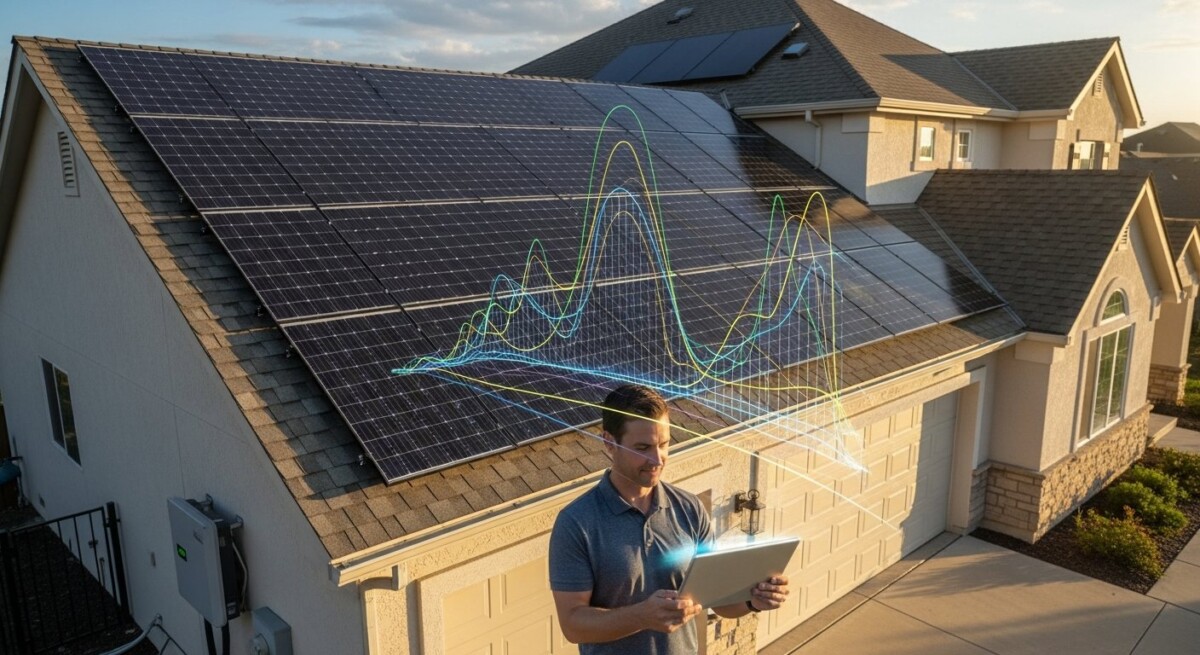
You open your monthly electricity bill and feel a familiar sting. Rates keep climbing, and you wonder if there is a way to take control. That is why so many homeowners are now asking, “can ai predict solar production accurately?” The idea of slashing your energy bills and gaining independence from the grid is powerful. Artificial intelligence is making solar energy more predictable and reliable than ever before.
Understanding can ai predict solar production accurately
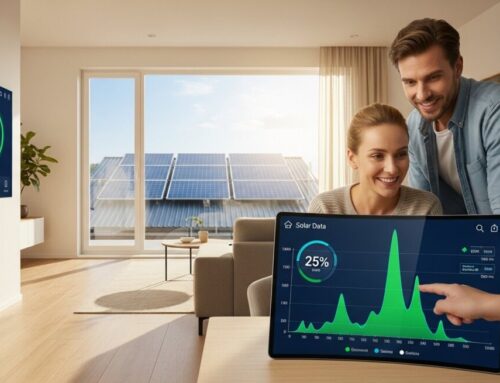
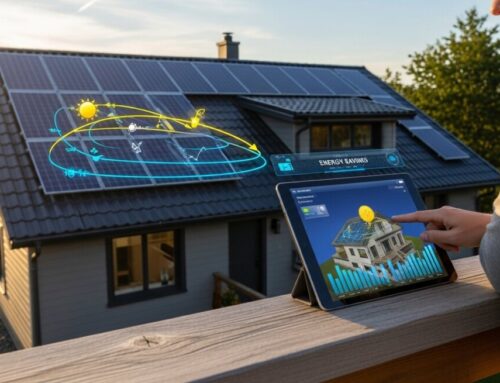
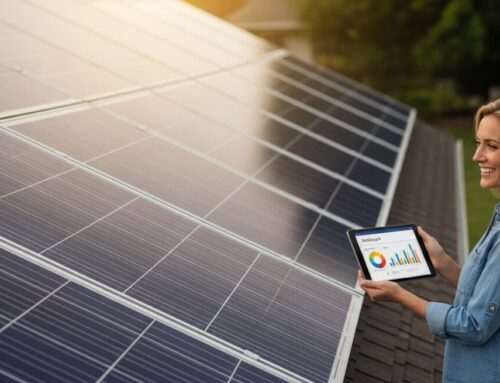
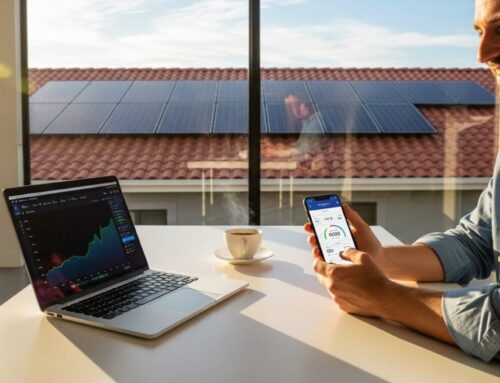
In simple terms, AI uses historical weather data, satellite imagery, and real-time cloud tracking to forecast how much sunlight your roof will receive. Instead of guessing based on averages, AI models analyze thousands of data points to predict daily and seasonal solar output. This means you get a much clearer picture of how much electricity your panels will generate throughout the year.
For homeowners, this technology removes much of the uncertainty around solar investment. You no longer have to rely on rough estimates from a salesperson. With AI-powered tools, installers can show you realistic month-by-month production numbers tailored to your specific roof and local climate. That accuracy builds trust and helps you make a confident decision.
More homeowners are turning to AI-driven solar quotes because they want facts, not fluff. When you compare installation offers, ask if the company uses AI modeling for their projections. Those that do can provide a far more reliable forecast of your future savings.
Why Solar Energy Is Becoming More Popular
Electricity prices have risen steadily over the past decade, and there is no sign of them slowing down. Homeowners are tired of unpredictable bills and want a fixed, predictable energy cost. Solar panels offer exactly that: once installed, your electricity from the sun is essentially free.
Environmental concerns also play a big role. More people want to reduce their carbon footprint without sacrificing comfort. Solar power lets you generate clean energy right from your roof, cutting your household emissions significantly. It is a practical way to fight climate change while saving money.
Long-term savings make solar irresistible for many families. Most homeowners recover their installation costs within 6 to 10 years, then enjoy decades of near-free electricity. With federal tax credits and local rebates, the upfront cost is lower than ever. These incentives make the switch even more attractive.
If you are considering solar power for your home, comparing installation quotes can help you understand your options. Request a free solar quote or call to learn more.
Common Questions Homeowners Have About Solar
Many homeowners worry about the upfront cost of solar panels. While the initial investment can seem high, financing options and government incentives make it affordable for most budgets. Leasing and power purchase agreements (PPAs) also let you go solar with zero down payment.
Another common concern is whether your roof is suitable for panels. Installers will evaluate your roof’s age, material, angle, and shading. In most cases, homes with south-facing roofs and minimal tree cover are ideal. But even roofs with east or west exposure can work well.
Performance questions come up frequently. Will my panels produce enough power in winter or on cloudy days? Yes, modern panels still generate electricity in diffuse light. AI tools now predict this accurately, so you know what to expect year-round.
- How much does a typical solar system cost?
- Will solar work during a power outage?
- How long do solar panels last?
- Do I need a battery with my solar system?
- What happens if my roof needs repairs later?
- Can I monitor my system’s production?
How Solar Panel Installation Works
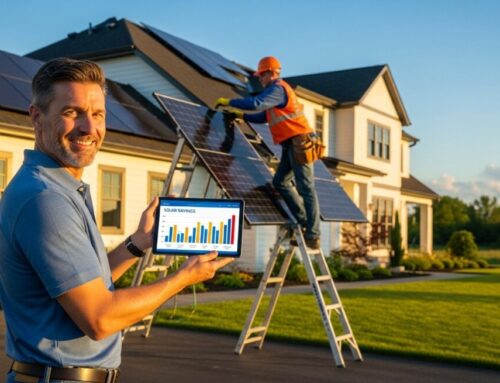
The process starts with a home energy assessment. An installer reviews your past electricity bills, inspects your roof, and measures your daily energy usage. They also use AI tools to model your home’s solar potential. This step ensures the system is sized correctly for your needs.
Next comes system design and permitting. The installer creates a custom layout for your panels and handles all the paperwork with your local utility and city. This includes applying for permits and net metering agreements. Once approved, installation typically takes one to three days.
After the panels are mounted and wired, your system is inspected and connected to the grid. The final step is activation, and you start generating power immediately. Many systems come with an app so you can watch your production and savings in real time.
- Home energy assessment and roof inspection
- Custom system design and AI-powered production forecast
- Permit applications and utility paperwork
- Panel and inverter installation
- Final inspection and system activation
Speaking with experienced installers can help you determine the best solar solution for your home. Compare solar quotes here or call to explore available options.
Signs Your Home May Be Ideal for Solar
Your home’s location and roof play a huge role in solar efficiency. If your roof gets strong, direct sunlight for most of the day, you have a prime candidate for solar. South-facing roofs with little shade produce the most energy. But even east- or west-facing roofs can deliver excellent savings.
High electricity bills are another clear sign. If you pay more than $100 per month, solar can likely reduce or eliminate that cost. Homes with electric heating, air conditioning, or EVs benefit even more because they use more power and save more per kilowatt-hour.
If you plan to stay in your home for at least five to seven years, solar is a smart financial move. The system pays for itself over time and adds value to your property. Many buyers see solar panels as a major plus when house hunting.
- Roof receives direct sunlight for 5+ hours daily
- Monthly electricity bills exceed $100
- Roof is less than 15 years old and in good condition
- You own your home and plan to stay long-term
- Your utility offers net metering or time-of-use rates
- State or local incentives are available in your area
What Affects Solar Installation Costs
System size is the biggest cost driver. A larger system that covers 100% of your usage costs more upfront but saves more over time. Installers use AI to right-size your system so you don’t overpay for capacity you don’t need.
Equipment quality also matters. Premium panels and inverters cost more but offer better efficiency and longer warranties. Budget-friendly options still perform well but may degrade faster. Your installer can help you choose the right balance for your budget.
Installation complexity adds to the cost. A simple, south-facing roof with easy access is cheaper to install than a complex roof with multiple angles or skylights. Local incentives and federal tax credits can reduce your net cost by 30% or more. In our guide on how to monitor your solar production easily, we explain how tracking your system helps maximize savings.
The cost of solar installation varies depending on your home and energy needs. Request personalized solar quotes or call to see what options are available.
Tips for Choosing a Reliable Solar Installer
Not all solar companies are created equal. A reputable installer has years of experience, proper licensing, and a track record of happy customers. Always verify their credentials and ask for references before signing a contract.
Warranties protect your investment. Look for a minimum 25-year warranty on panels and a 10-year workmanship warranty. A good installer stands behind their work and will address any issues quickly.
Comparing multiple quotes is the smartest way to find the best deal. Prices and equipment vary widely between companies. By getting three to five quotes, you can see what a fair price really looks like and avoid overpaying.
- Check the installer’s license, insurance, and certifications
- Read online reviews on Google, Yelp, and the Better Business Bureau
- Ask about panel and inverter warranties
- Request a detailed quote that breaks down equipment and labor
- Compare at least three quotes before deciding
- Ask if they use AI tools for production forecasting
Long-Term Benefits of Installing Solar Panels
The most obvious benefit is lower electricity bills. Once your system is paid off, you generate free power for decades. Many homeowners see their monthly bills drop by 50% to 100%, depending on system size and usage.
Solar panels also increase your home’s resale value. Studies show homes with solar sell for a premium and spend less time on the market. Buyers recognize the value of reduced energy costs and are willing to pay more.
Energy independence is another huge advantage. With solar and a battery, you can keep the lights on during grid outages. You also protect yourself from future rate hikes. And every kilowatt-hour you generate from the sun reduces your carbon footprint. It is a win for your wallet and the planet.
Frequently Asked Questions
How accurate are AI solar production predictions?
AI models are highly accurate, often within 5,10% of actual production. They use real-time weather data, satellite images, and historical patterns to forecast output. This is far more reliable than older methods that relied on general averages.
Can solar panels power my whole house?
Yes, a properly sized system can cover 100% of your annual electricity usage. Your installer will design a system based on your past bills and energy needs. With net metering, you can even earn credits for excess power you send to the grid.
How long do solar panels last?
Most solar panels come with a 25-year performance warranty and continue producing power for 30 years or more. They gradually lose efficiency, typically around 0.5% per year. Even after 25 years, they still produce about 85% of their original output.
Do I need to clean my solar panels?
Rain usually keeps panels clean enough. In dusty areas or during dry seasons, occasional rinsing with a hose can help. Most systems are designed to be low-maintenance, and cleaning is rarely needed more than once or twice a year.
Will solar work during a power outage?
Standard grid-tied solar systems shut off during outages for safety. If you want backup power, you need a solar battery system. Batteries store excess energy and let you run essential appliances when the grid goes down.
What happens if my roof needs repairs after solar installation?
Installers typically remove and reinstall panels for roof repairs. This costs extra, so it is wise to inspect and repair your roof before going solar. Most installers recommend a roof that will last at least 10,15 more years.
Are there government incentives for solar?
Yes, the federal solar tax credit lets you deduct 30% of your system cost from your federal taxes. Many states and utilities also offer rebates, tax credits, or performance-based incentives. These can significantly reduce your net cost.
How do I choose between buying and leasing solar?
Buying gives you full ownership, tax credits, and maximum long-term savings. Leasing has lower upfront costs but you do not own the system or receive incentives. If you can afford to buy, it usually provides the best financial return.
Solar energy is a smart, long-term investment that lowers your bills, increases home value, and helps the environment. With AI now making production predictions remarkably accurate, there has never been a better time to explore your options. Start by comparing quotes from trusted installers to find the best system for your home and budget.