AI Solar Performance Tracking: Boost Home Energy Savings
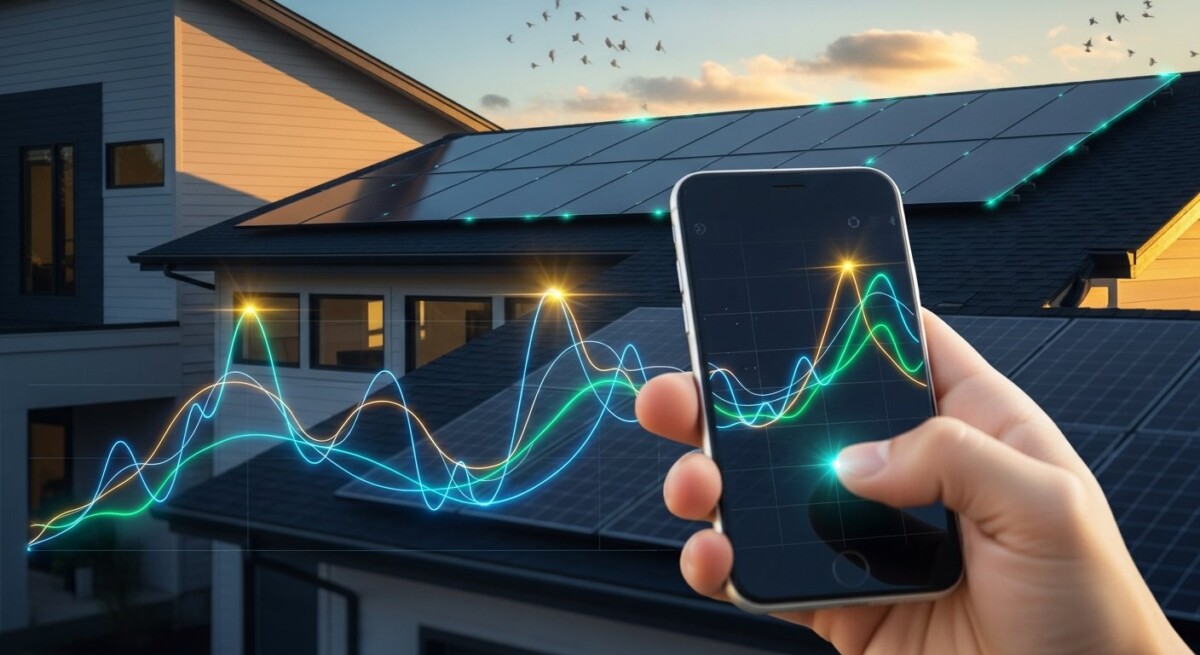
You open your monthly electricity bill and wince. Rates seem to climb every year, and you wonder if there is a way to take control. Many homeowners feel the same frustration, which is why they are searching for smarter ways to manage home energy. One solution that is gaining traction is AI solar performance tracking, a technology that helps you monitor your solar system in real time and maximize every kilowatt your panels produce. By understanding how your system performs, you can reduce your electricity bills, rely less on the power grid, and make the most of your investment.
Understanding AI Solar Performance Tracking
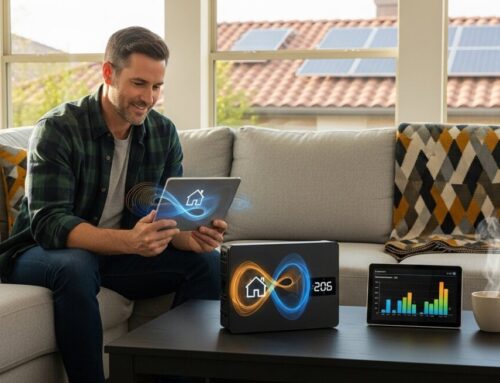
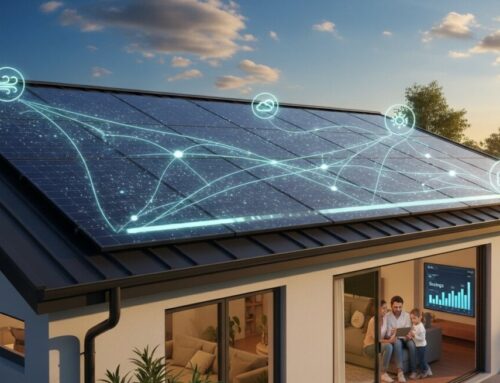
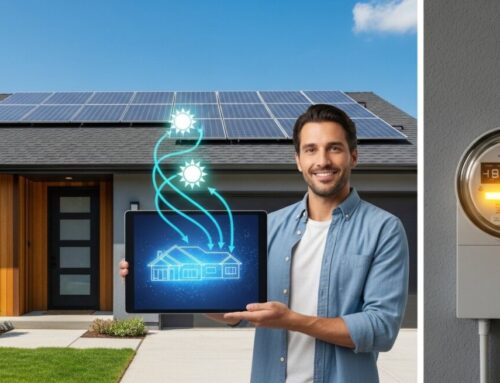
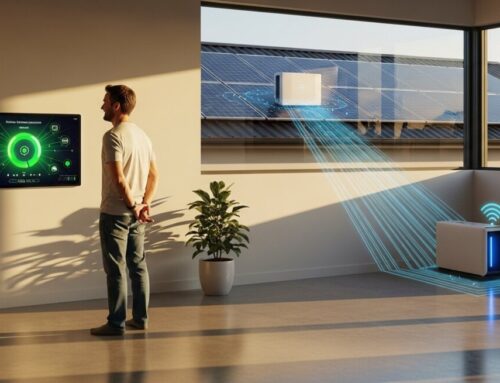
AI solar performance tracking uses artificial intelligence to monitor how your solar panels work throughout the day. Sensors on your roof and an inverter collect data on energy production, weather conditions, and panel health. This information flows to a smart platform that analyzes patterns and alerts you to any drop in efficiency.
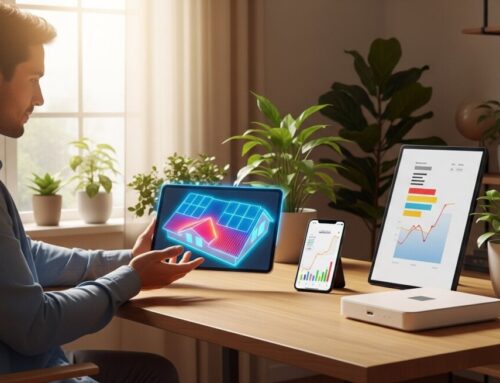
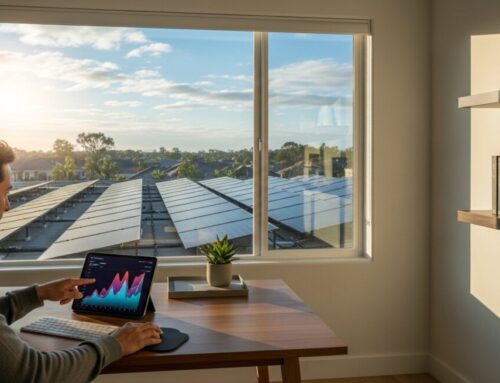
Think of it as a personal energy advisor for your home. Instead of guessing whether your panels are performing well, you get clear, real-time updates on your phone or computer. The AI can detect shading from a new tree branch, dirt buildup, or a failing component long before your electricity bill spikes. This means fewer surprises and more savings.
How AI Makes Solar Tracking Smarter
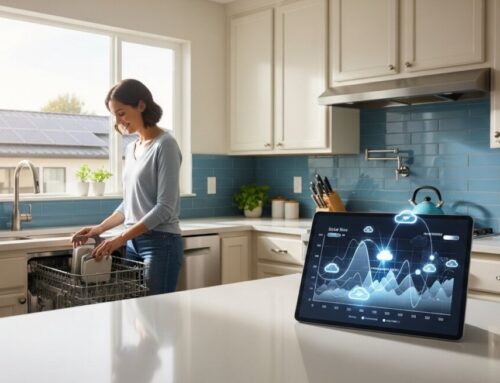
Traditional solar monitoring simply shows how much energy your panels produce. AI takes it further by comparing your system’s output to weather forecasts, historical data, and optimal performance models. When something is off, the system flags it and recommends maintenance or adjustments. Over time, the AI learns your home’s energy usage patterns and can even suggest the best times to run appliances to maximize solar self-consumption. In our guide on what is solar performance tracking, we explain how this technology helps you save money and boost efficiency.
Why Solar Energy Is Becoming More Popular
Electricity prices have risen steadily over the past decade, and many homeowners expect that trend to continue. Solar panels offer a way to lock in lower energy costs and protect your budget from future rate hikes. By generating your own power, you also gain energy independence and reduce your reliance on the grid.
Environmental concerns play a big role too. Solar energy produces no carbon emissions, so switching to solar is one of the most effective ways to shrink your household’s carbon footprint. On top of that, federal tax credits and state rebates can cover a significant portion of installation costs, making solar more affordable than ever. For most homeowners, the long-term savings far outweigh the upfront investment.
If you are considering solar power for your home, comparing installation quotes can help you understand your options. Request a free solar quote or call to learn more.
Common Questions Homeowners Have About Solar
Many homeowners hesitate because they are unsure about the cost, roof suitability, or system performance over time. These are valid concerns, and a good installer will address each one during the consultation process. Understanding the answers upfront helps you make a confident decision.
- How much does a solar system cost after incentives?
- Will my roof support solar panels?
- How long does installation take?
- What happens on cloudy days or at night?
- How long do solar panels last?
- Do I need a battery with my solar system?
Each question has a straightforward answer. For example, most panels come with 25-year warranties, and net metering programs let you earn credits for excess energy you send to the grid. Professional installers can run a detailed assessment of your roof’s orientation, shading, and structural condition to ensure solar is a good fit.
How Solar Panel Installation Works
Installing solar panels is a structured process that typically takes one to three days once permits are approved. A reliable installer handles everything from the initial energy audit to final system activation. Knowing what to expect can reduce stress and help you prepare your home.
- Home energy assessment: An installer reviews your electricity bills, roof condition, and sun exposure to design the right system size.
- System design: Using software, they create a layout that maximizes sunlight capture and meets your energy goals.
- Permits and approvals: The installer submits paperwork to your local building department and utility company.
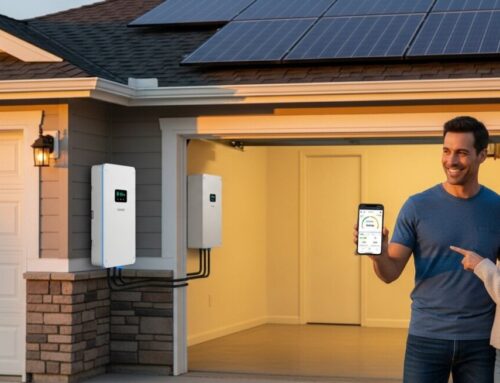
- Panel installation: Crews mount the panels, connect wiring, and install the inverter and monitoring equipment.
- System activation: After inspections and utility approval, your system goes live and starts generating power.
Speaking with experienced installers can help you determine the best solar solution for your home. Compare solar quotes here or call to explore available options.
Signs Your Home May Be Ideal for Solar
Not every home is equally suited for solar, but many are. The best candidates have a south-facing roof with minimal shade and plenty of usable space. If your roof is older, you might need to replace it before installing panels, but that can be factored into the overall project cost.
- Your roof gets strong, direct sunlight for most of the day.
- Your monthly electricity bills are consistently high.
- You have at least 300 square feet of unobstructed roof space.
- You plan to stay in your home for at least five more years.
- Your local utility offers net metering or time-of-use rates.
- Your home is in a state with strong solar incentives.
If several of these apply, solar is likely a smart investment. An installer can confirm with a quick shade analysis and energy audit.
What Affects Solar Installation Costs
Solar system prices vary based on the size of the system, the quality of the panels and inverter, and the complexity of your roof. A larger system costs more upfront but delivers greater long-term savings. High-efficiency panels are more expensive but produce more power in limited roof space.
Installation complexity also matters. A simple, single-story roof with standard shingles is easier and cheaper to work on than a multi-story roof with tile or slate. Local incentives and federal tax credits can reduce your net cost by 30% or more, so it pays to research what is available in your area.
The cost of solar installation varies depending on your home and energy needs. Request personalized solar quotes or call to see what options are available.
Tips for Choosing a Reliable Solar Installer
Choosing the right installer is just as important as choosing the right equipment. A reputable company will guide you through every step, from design to paperwork to ongoing support. Taking the time to vet installers helps you avoid costly mistakes and ensures your system performs as promised.
- Review the installer’s experience and number of completed projects.
- Check warranties on panels, inverters, and workmanship.
- Read customer reviews on Google, Yelp, or the Better Business Bureau.
- Compare at least three quotes to see pricing and equipment options.
- Ask about monitoring and maintenance services included in the price.
- Confirm they handle all permits and utility approvals.
When you compare quotes, you also get a clearer picture of how AI solar performance tracking can be integrated into your system. Many modern inverters and monitoring platforms include AI features at no extra cost, giving you ongoing insight into your system’s health and output. For a deeper look, you can read about AI solar performance tracking to boost home energy savings.
Long-Term Benefits of Installing Solar Panels
Solar panels are a long-term investment that pays off for decades. Most systems last 25 to 30 years, and during that time, you can save tens of thousands of dollars on electricity. Your home’s resale value also increases, with studies showing that buyers are willing to pay a premium for homes with solar panels.
Beyond financial gains, solar gives you energy independence. You are less affected by grid outages and rising utility rates. And every kilowatt-hour you generate from the sun reduces your carbon footprint. For many families, the combination of savings, security, and environmental stewardship makes solar an easy decision.
Frequently Asked Questions
What is AI solar performance tracking?
AI solar performance tracking is a smart monitoring system that uses artificial intelligence to analyze your solar panel output in real time. It detects inefficiencies, predicts maintenance needs, and helps you optimize energy usage. This technology ensures your system operates at peak performance and alerts you to problems early.
How does AI solar tracking help me save on electricity bills?
By identifying underperformance quickly, AI tracking helps you address issues like shading, dirt, or equipment failure before they cost you money. It also recommends when to run high-energy appliances to match peak solar production. Over time, these optimizations can increase your savings by 10% to 20%.
Do I need special equipment for AI solar performance tracking?
Most modern solar inverters and monitoring platforms come with built-in AI capabilities. Your installer can recommend compatible equipment during the design phase. Many systems include a smartphone app that gives you easy access to performance data.
Can AI solar tracking work with older solar systems?
Yes, in many cases you can retrofit an older system with an AI-enabled monitoring device. This upgrade can extend the life of your panels and improve efficiency. Check with your installer to see what options are available for your specific setup.
Will AI solar tracking work during cloudy days?
Yes, the system still monitors performance on cloudy days and compares it to expected output for those conditions. It helps you understand how weather affects your production and can adjust your energy usage accordingly. Even on low-sun days, the tracking provides valuable data.
How often should I check my AI solar performance tracking data?
Most homeowners check their app once a week to review production and receive any alerts. The system automatically notifies you if something needs attention, so you do not have to watch it constantly. A quick weekly glance is usually enough to stay informed.
Is AI solar performance tracking worth the extra cost?
Many solar systems include basic monitoring at no extra charge, and AI-enhanced versions add only a small premium. The added savings from early problem detection and optimized usage often pay for the upgrade within a year or two. For most homeowners, it is a worthwhile investment.
Can I install AI solar tracking myself?
No, the hardware and software integration should be handled by a professional solar installer. They ensure the system is correctly wired, configured, and connected to your home network. A licensed installer also provides support and updates over the life of your system.
Solar energy is a practical, proven way to take control of your electricity costs while helping the environment. With modern tools like AI solar performance tracking, you can monitor your system’s health and maximize your savings with minimal effort. If you are ready to explore solar for your home, the next step is simple: compare quotes from trusted installers in your area. Each quote gives you a clearer picture of your options, costs, and potential savings. Start today and see how much solar can work for you.